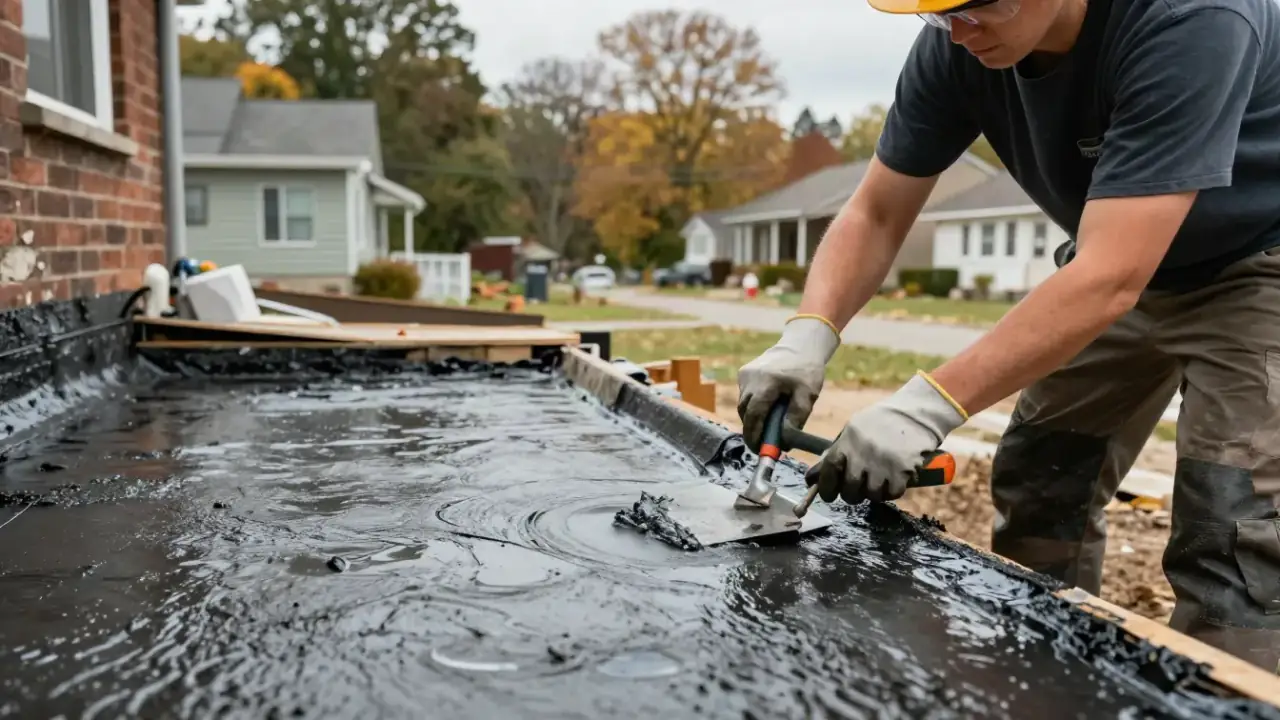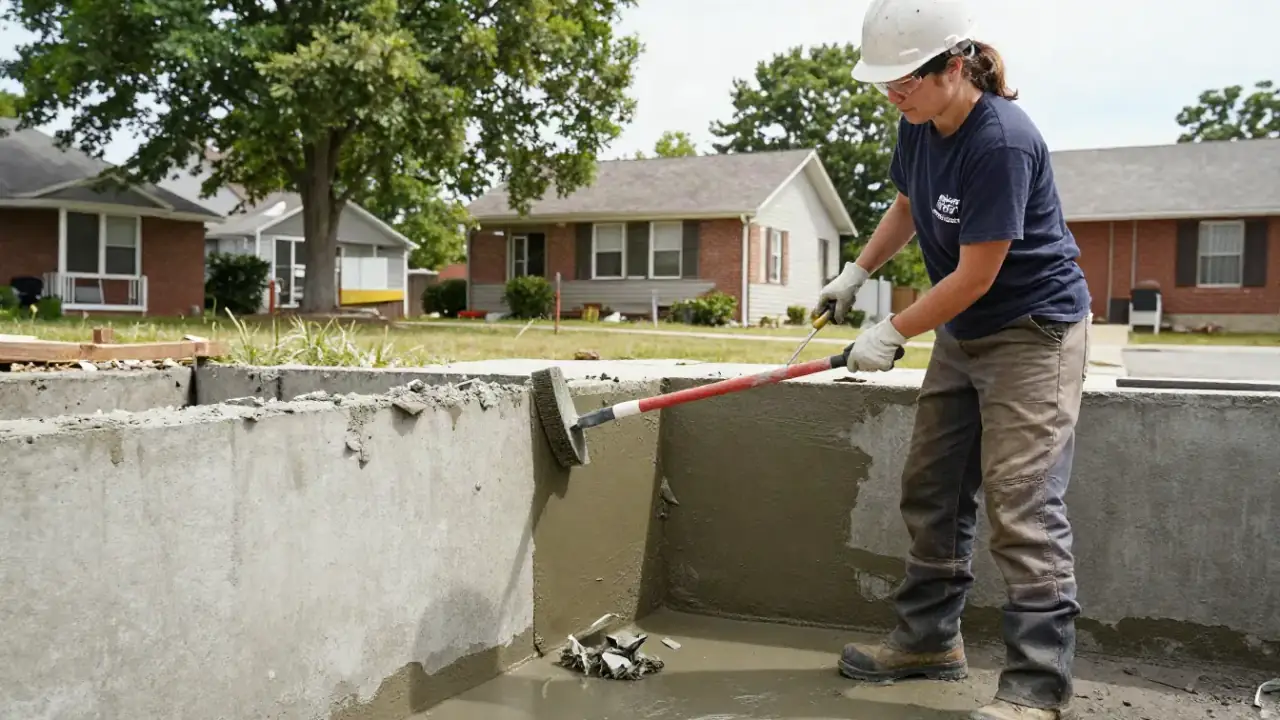
Home Repairs
We inspect the basement wall, nearby finishes, and the timing of seepage before choosing a repair. You can point out stored items or recent changes.
- Seepage after heavy rain
- Damp carpet beside a wall
- Old patch leaking again
Our basement crack repair Warren OH service helps homeowners and property managers stop water at the point it enters, before damp walls lead to damaged storage or recurring puddles. We inspect the crack, identify whether pressure or movement is driving the leak, then select an injection or surface repair that fits the wall. For basement crack sealing Warren customers, the goal is a durable repair backed by a clear explanation of the next steps.
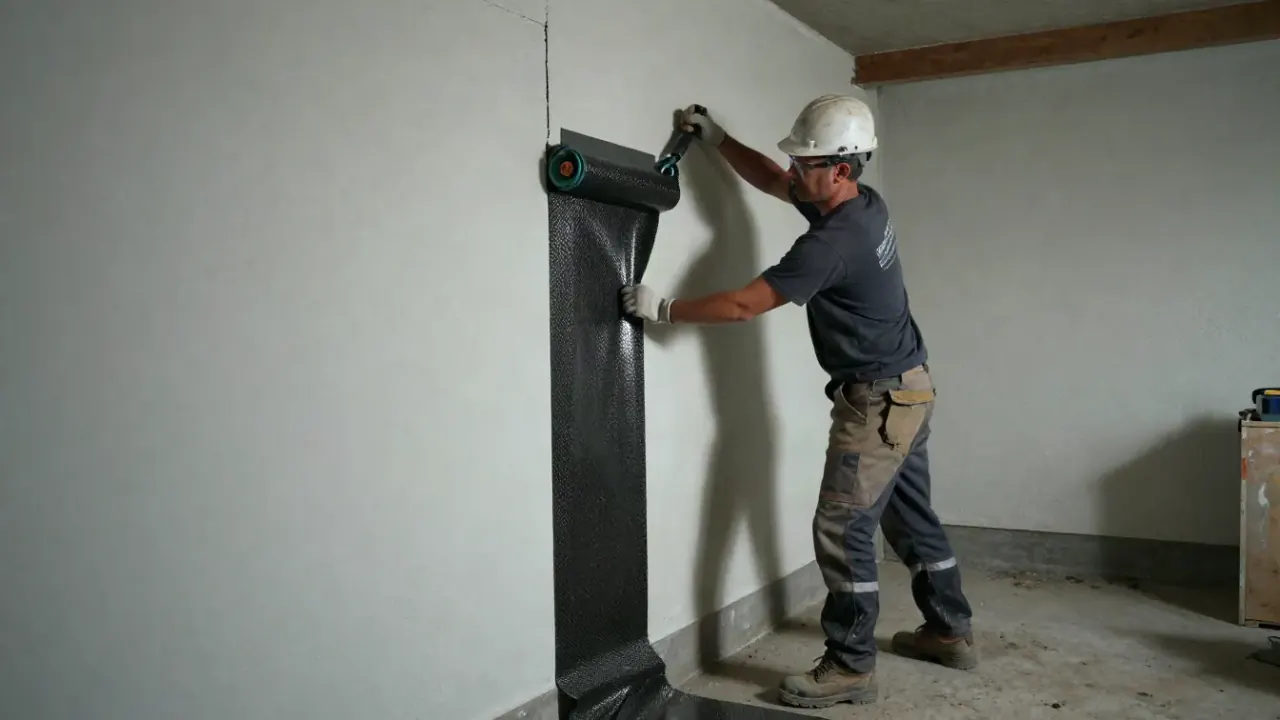 Crack inspectionMoisture mappingInjection repair
Basement crack repair includes inspection of the visible opening, basic surface preparation, material selection, application, and a final check of the repaired area. We explain whether injection, surface sealing, or further structural review fits the condition. Drainage correction, excavation, sump equipment, and repairs to separate leaks are additional work when the inspection identifies those needs.
We inspect the full visible crack for moisture, deposits, width changes, and signs of wall movement. You can point out when the leak appears, which helps connect the condition to rainfall or snowmelt. We also review nearby wall areas for a second entry point.
We remove loose coating and debris where the repair material or injection ports need a sound surface. Nearby items are protected, and the work area is kept accessible. Proper preparation helps the chosen material contact the masonry rather than weak paint or old patch compound.
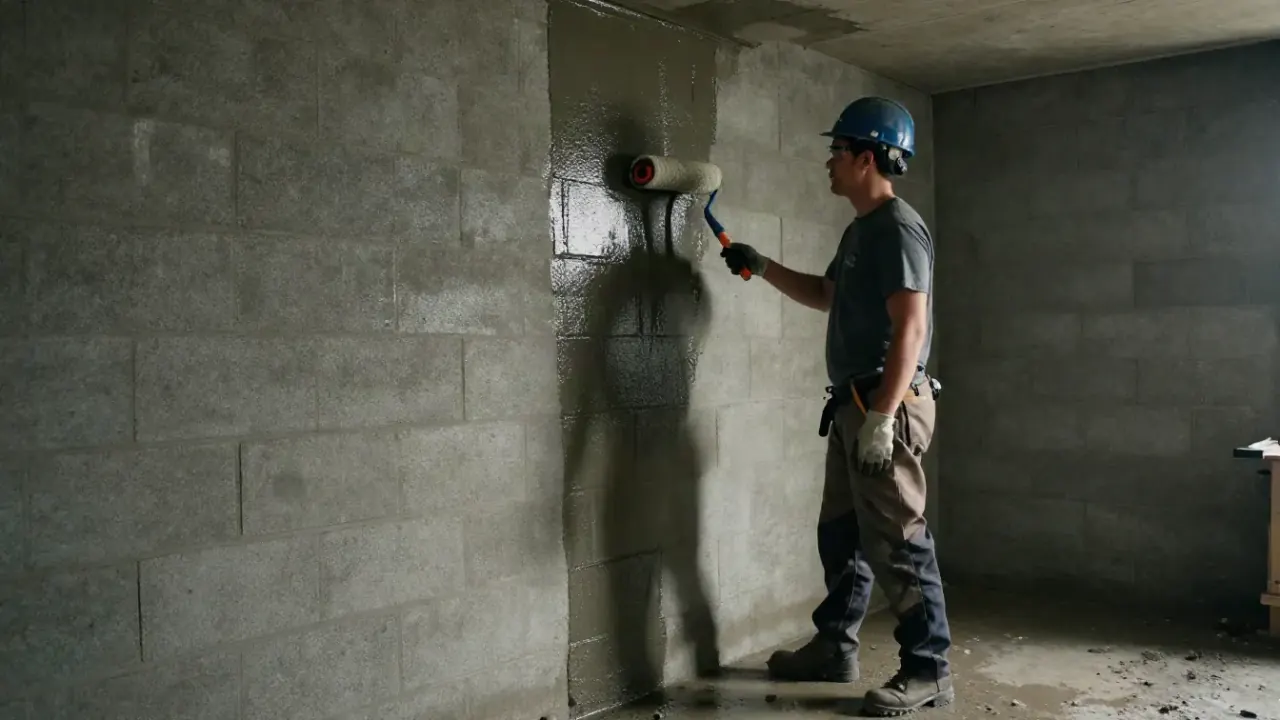
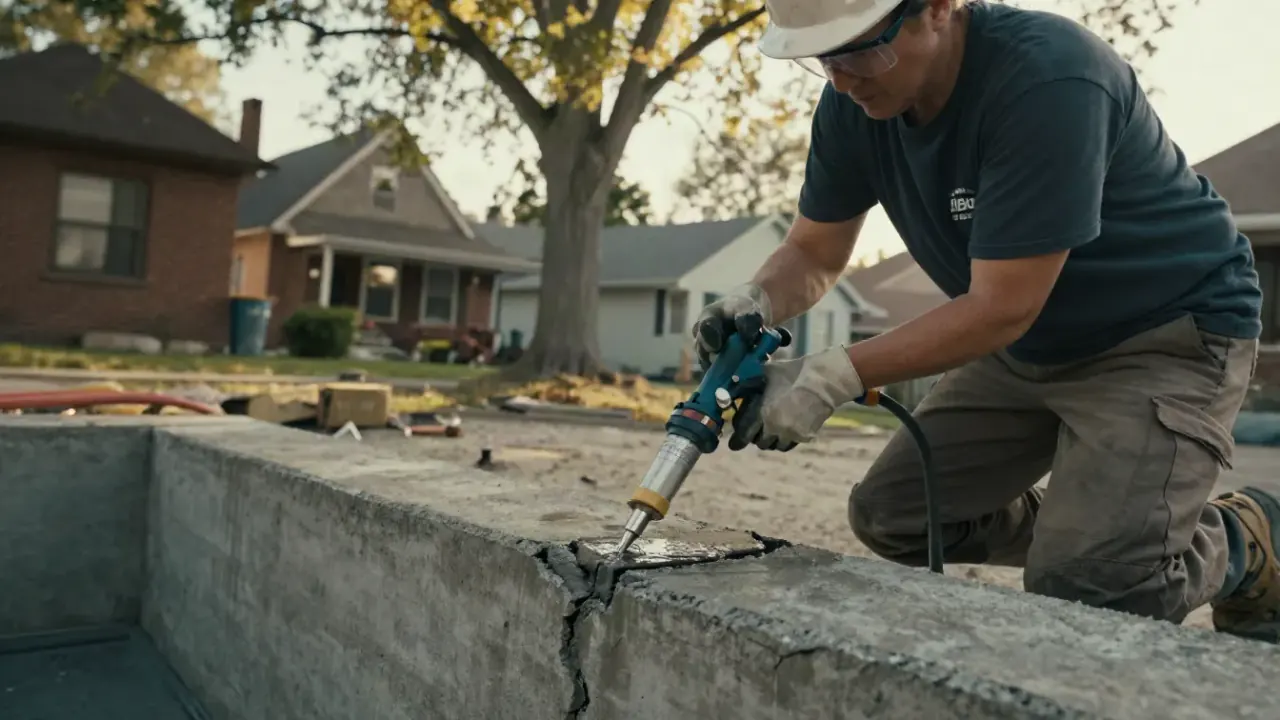
For a suitable crack, we apply epoxy injection resin or polyurethane injection foam based on whether the opening is stable, wet, or actively passing water. The method and its purpose are explained before application, so you know what the material is intended to do.
After the product sets according to its instructions, we remove temporary ports where used and check the line for visible gaps. We review cure guidance and discuss any source of outside water that could continue loading the wall.
The approach is the same for a home and a business. What changes is the access, the schedule and who needs the paperwork.
We inspect the basement wall, nearby finishes, and the timing of seepage before choosing a repair. You can point out stored items or recent changes.
We coordinate access with owners and managers, then inspect the affected wall and surrounding areas. You receive a clear account of the repair location and follow-up checks.
A plain-language look at what Basement Crack Repair involves and when it is needed.
See how it worksbasement crack repair Warren OH is a foundation-wall repair service that seals water-entry paths and restores a crack's resistance to seepage. We first identify whether the opening is a narrow shrinkage crack, a leaking joint, or a sign of movement; then we clean and prepare the surface, fit injection ports when appropriate, and apply epoxy injection resin or polyurethane injection foam. The repair method depends on whether the crack is wet, its width and direction, and whether the wall remains stable. We also check nearby dampness and efflorescence so the fix addresses the actual leak path.
In Warren, freeze-thaw cycles, heavy rain, and saturated ground can push water through foundation wall cracks, especially where downspouts discharge beside the house or yard grading sends runoff toward the foundation. Our basement crack repair in Warren, Ohio starts with tracing the water source rather than covering a stain. If you are asking how to repair basement wall cracks in Warren OH, the answer depends on movement: a stable leak may suit injection, while bowing or leaning masonry needs a structural assessment before sealing.
The right crack repair fills the water path and accounts for the wall's stability.
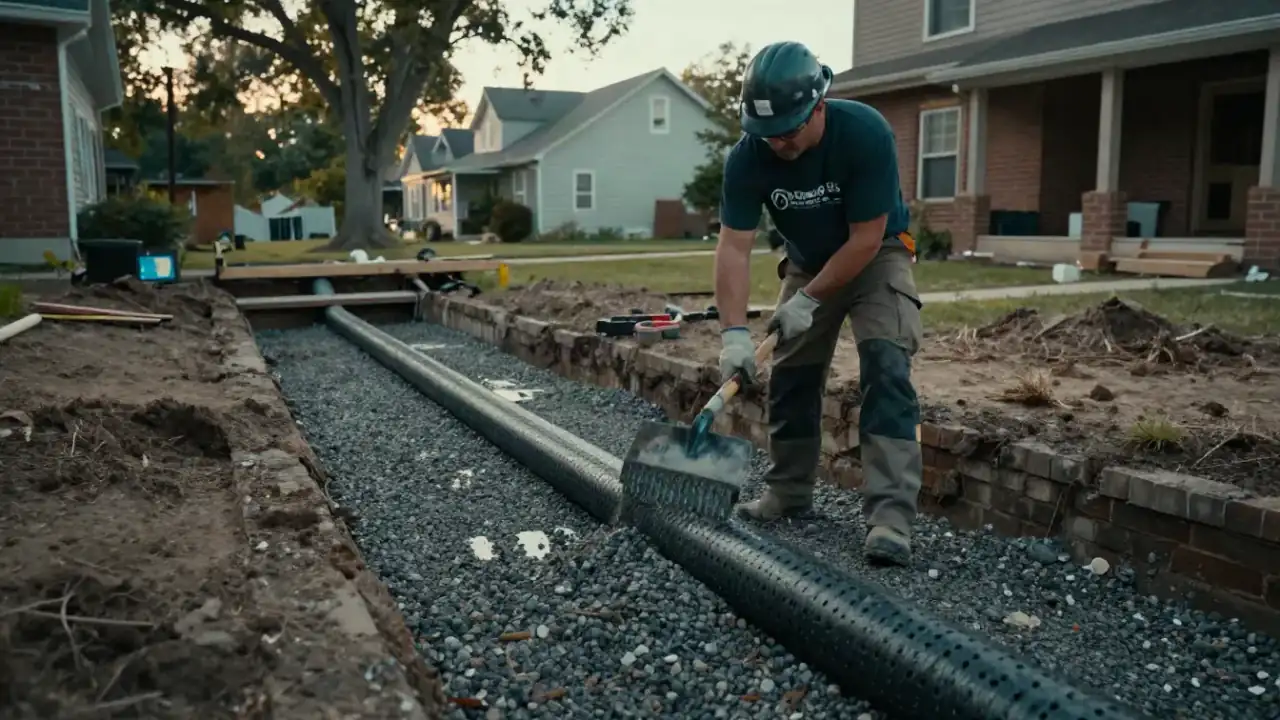
Basement crack repair Warren OH follows a measured sequence: locate the entry, prepare the wall, inject or seal the crack, and verify the repaired area. A straightforward single-crack visit often takes 2 to 4 hours; larger or obstructed areas take longer.
Our team examines the crack from floor to ceiling, notes its direction and width, and checks for dampness, deposits, or nearby movement. We ask when water appears and whether heavy rain or snowmelt changes the leak. A moisture meter helps compare the wet area with adjacent masonry, giving us a useful starting point before selecting a repair.
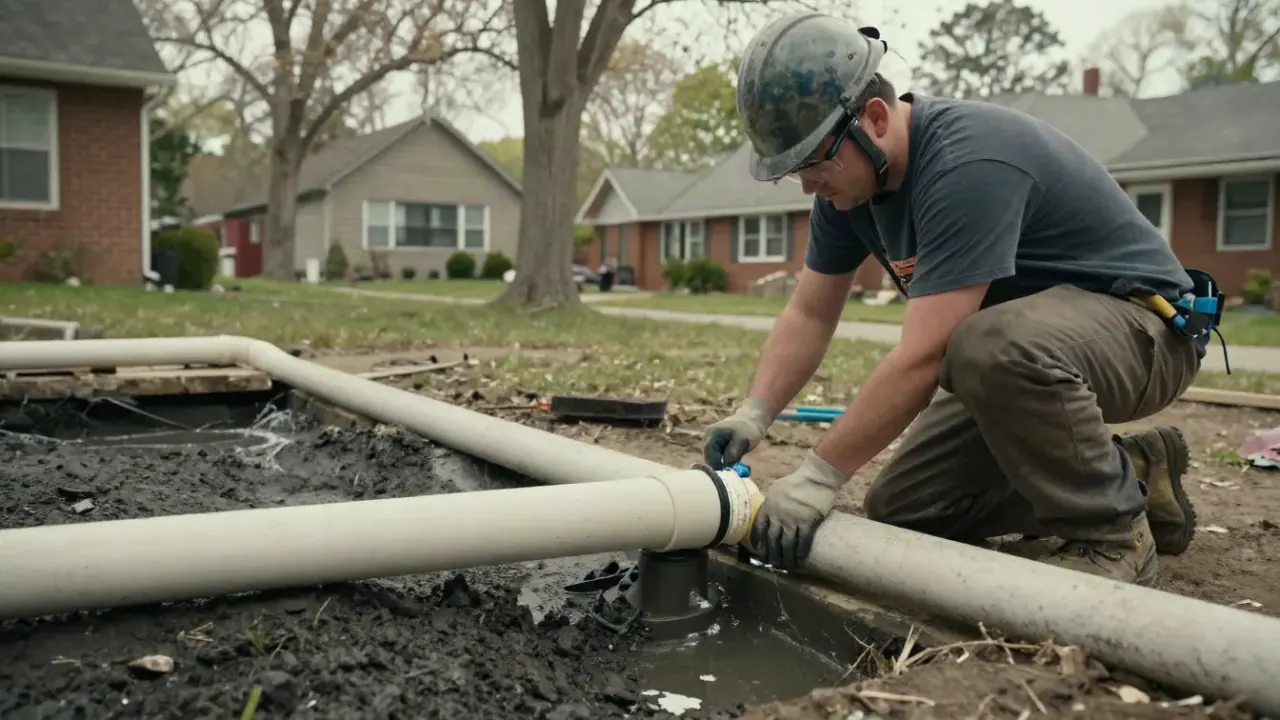
We move or cover nearby items with your permission, protect the work area, and remove loose paint or weak patch material around the crack. The surface must be clean enough for ports and sealant to hold. Preparation usually takes 30 to 60 minutes, depending on access, previous coatings, and the length of the damaged section.
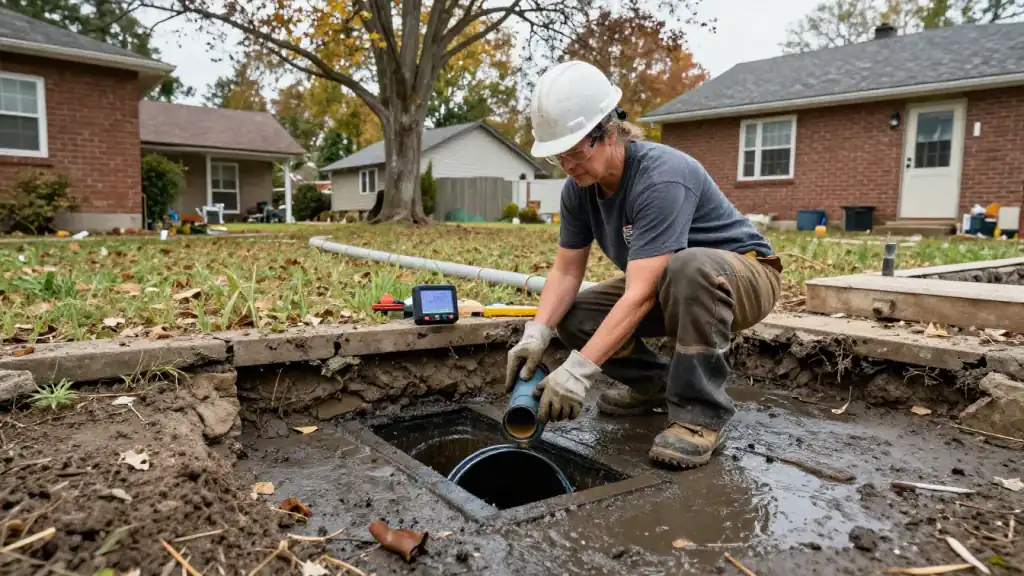
For an injectable crack, we space a crack injection port kit along the opening and seal the surface between ports. The spacing follows the crack's depth and condition, not a one-size template. We explain the setup before injecting, and you can see where material will enter and how the repair will be checked.
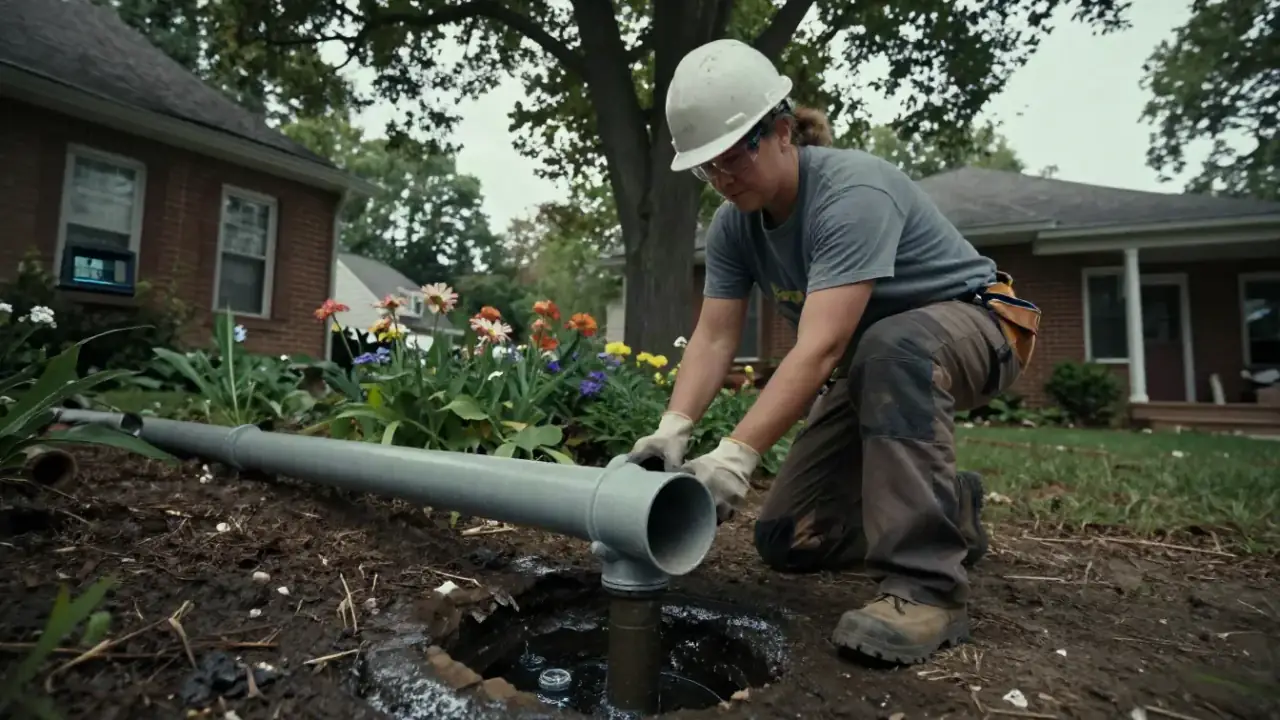
We inject epoxy resin or polyurethane foam from the lowest port upward, watching for material to travel into the crack and emerge at the next port. The material is selected for the wall and moisture conditions. Injection commonly takes 30 to 90 minutes; cure time varies by product and site temperature, so we follow its application instructions.
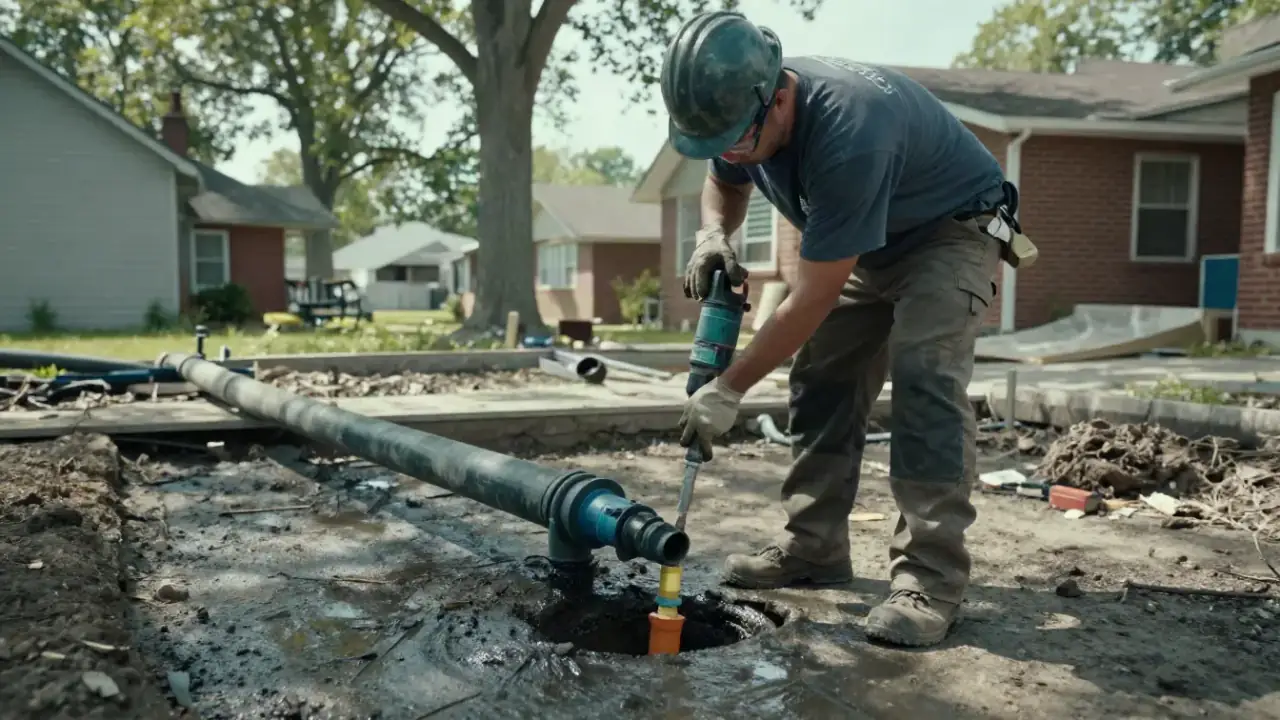
After the material sets as directed, we remove ports, trim excess, and inspect the repaired line for gaps or missed sections. We clean the work area and review what we found, including any drainage issue that could keep pressure against the wall. You receive practical care instructions and know what signs should prompt a follow-up.
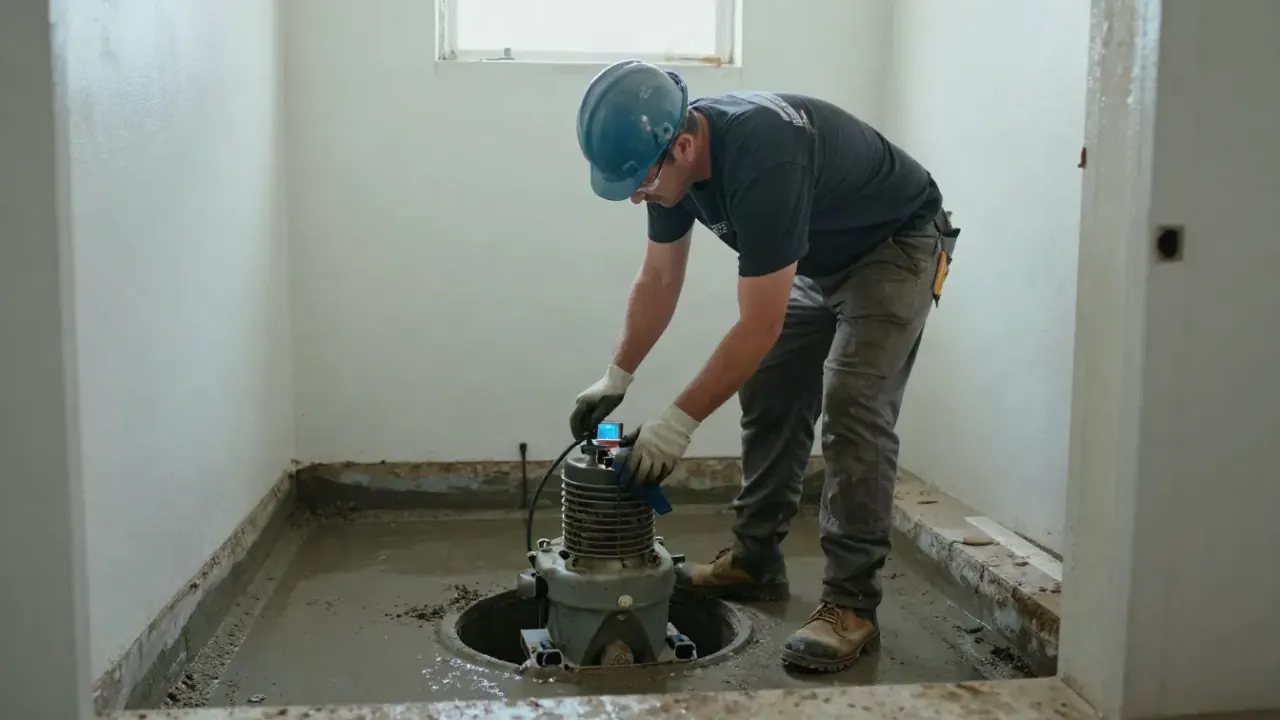
Move across a circle, or focus it and press Enter, for an illustrative thermal view of the photograph.
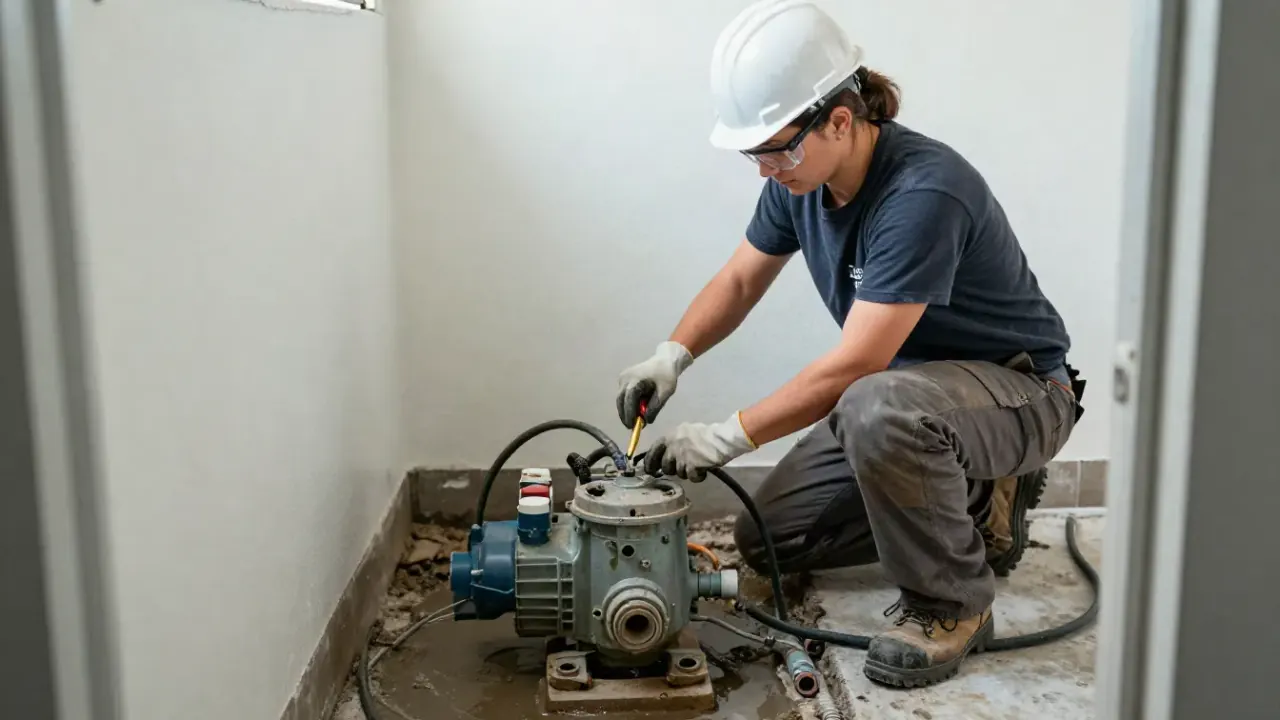
We compare readings around the crack and adjacent masonry to map dampness and help separate a localized leak from a broader wet wall.
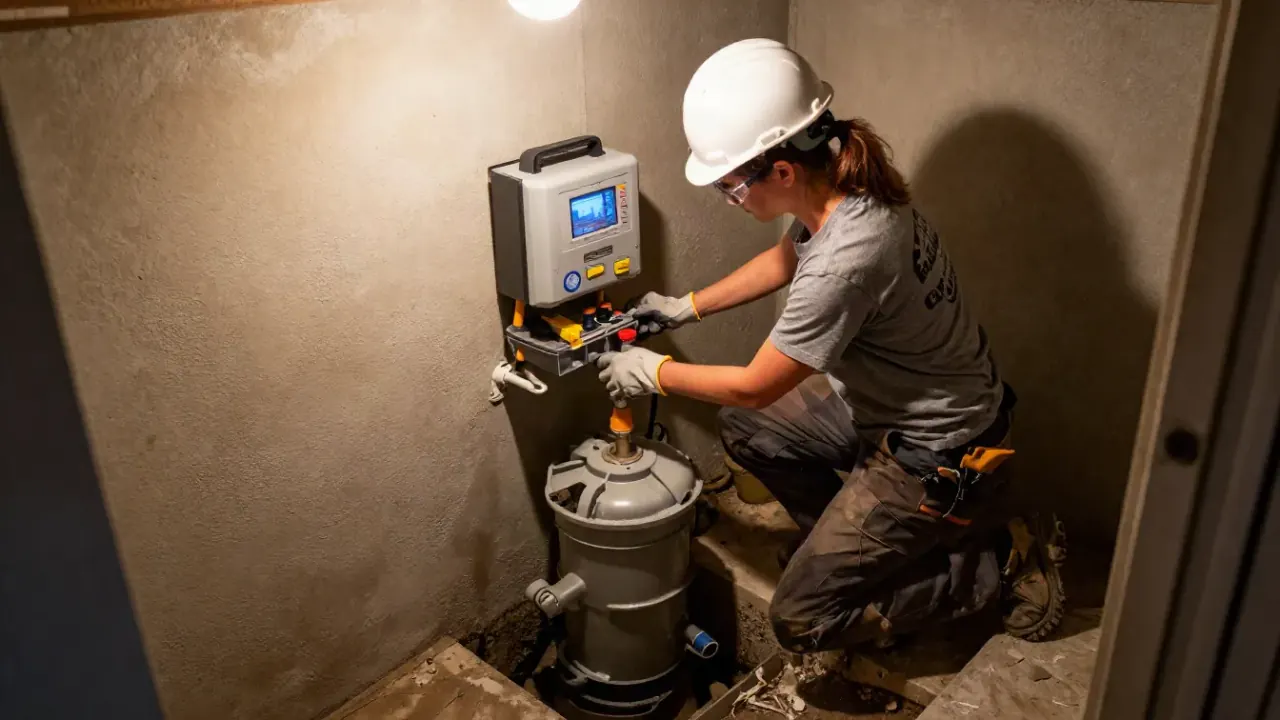
Ports provide controlled access for injecting material into a suitable foundation crack, helping us fill from the lower section upward.
We use hydraulic cement for appropriate surface preparation or localized water-stopping situations, not as a substitute for injection through a deep crack.
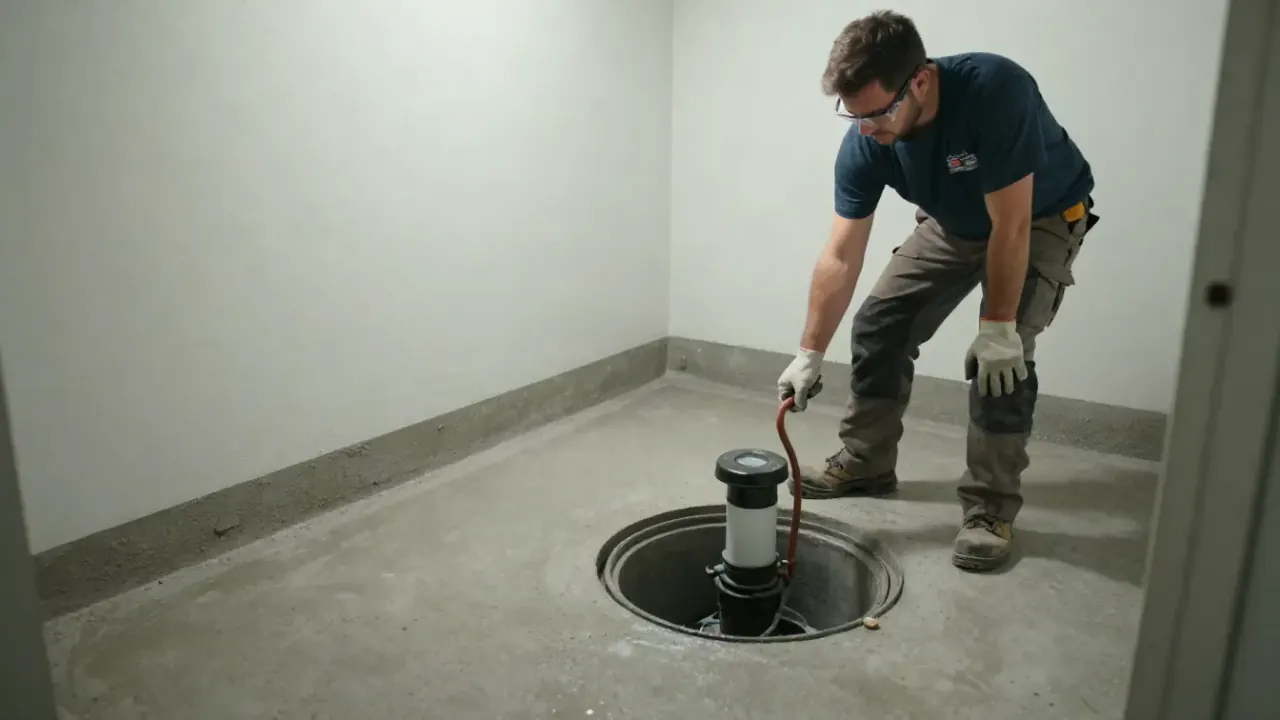
We check whether the existing pump is moving collected groundwater when the crack leak appears alongside a high basin level or basement flooding.
Where roof runoff empties beside the foundation, we review discharge routing and identify whether directing water farther away should support the wall repair.
Thermal views are illustrative, generated from the photographs.
We use epoxy injection resin for suitable stable cracks where bonding and filling the wall opening are the priority. Ports are set along the prepared crack, and the material is injected in sequence while we watch for travel between ports. This is not a substitute for correcting wall movement or excessive outside water pressure.
For an actively leaking crack that suits the method, polyurethane injection foam expands within the water path and helps seal it. We control the injection through ports, working along the crack and checking for material movement. Product choice and cure conditions follow the specific material instructions.
We inspect the opening alongside nearby dampness, runoff, and visible drainage conditions before selecting a repair. This helps separate a single crack from a leak connected to a window well, joint, or broader groundwater issue. The result is a targeted plan instead of a coating over the visible stain.
A Warren homeowner finds a wet vertical line after a fall rainstorm and sees water collecting at the wall base.
We trace the wet line, inspect the wall for mineral deposits, and check whether runoff is directed toward that side of the home. If the crack is stable, we prepare the surface and inject a suitable material. We also explain any drainage correction that would reduce repeated saturation near the foundation.
Outcome: The entry point is sealed, nearby belongings are protected, and the homeowner understands what runoff condition to correct before the next heavy rain.
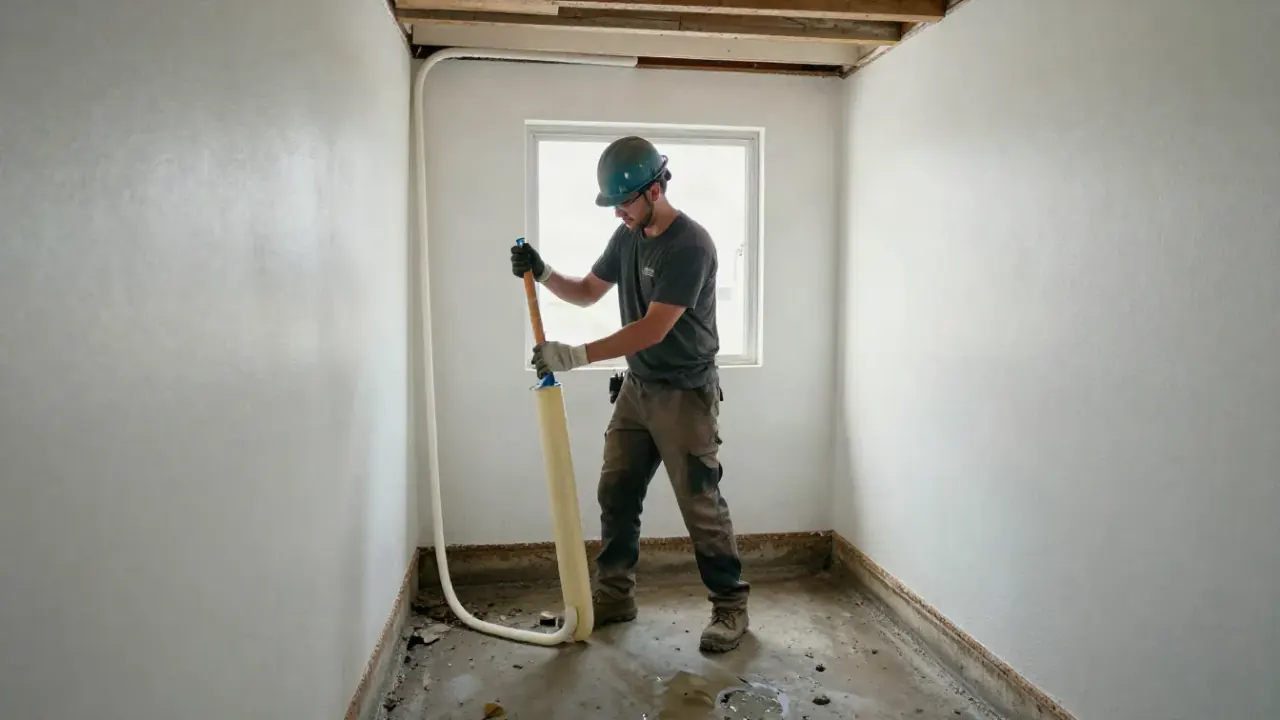
A homeowner in Howland Center notices a hairline crack darkening during spring thaw, then drying between wet periods.
We compare the damp section with the rest of the wall and ask when the discoloration returns. A moisture meter can help map the affected area. We then choose injection or another repair based on crack stability and water activity, rather than applying paint over a seasonal stain.
Outcome: The customer gets a repair matched to the leak pattern and practical guidance on checking the same wall after thaw and rain.
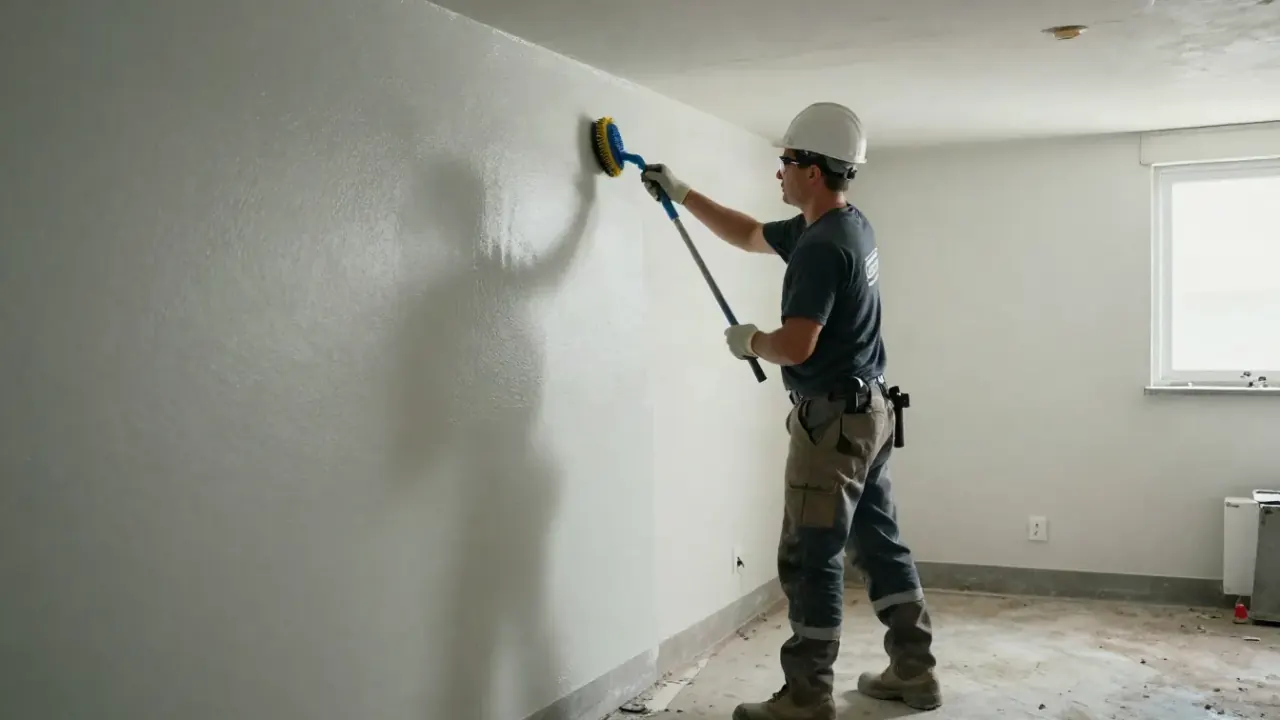
A Niles rental property has wet carpet beside a repaired crack, with a tenant reporting seepage after storms.
We inspect the old patch, the full crack, and the carpet edge to find whether water is returning through the original line or another entry. We protect the work area and explain the repair sequence to the property manager. If a pump or drain issue appears connected, we identify that separately.
Outcome: The manager receives a clear account of the repaired location and remaining concerns, reducing repeat patching and avoidable disruption for the tenant.
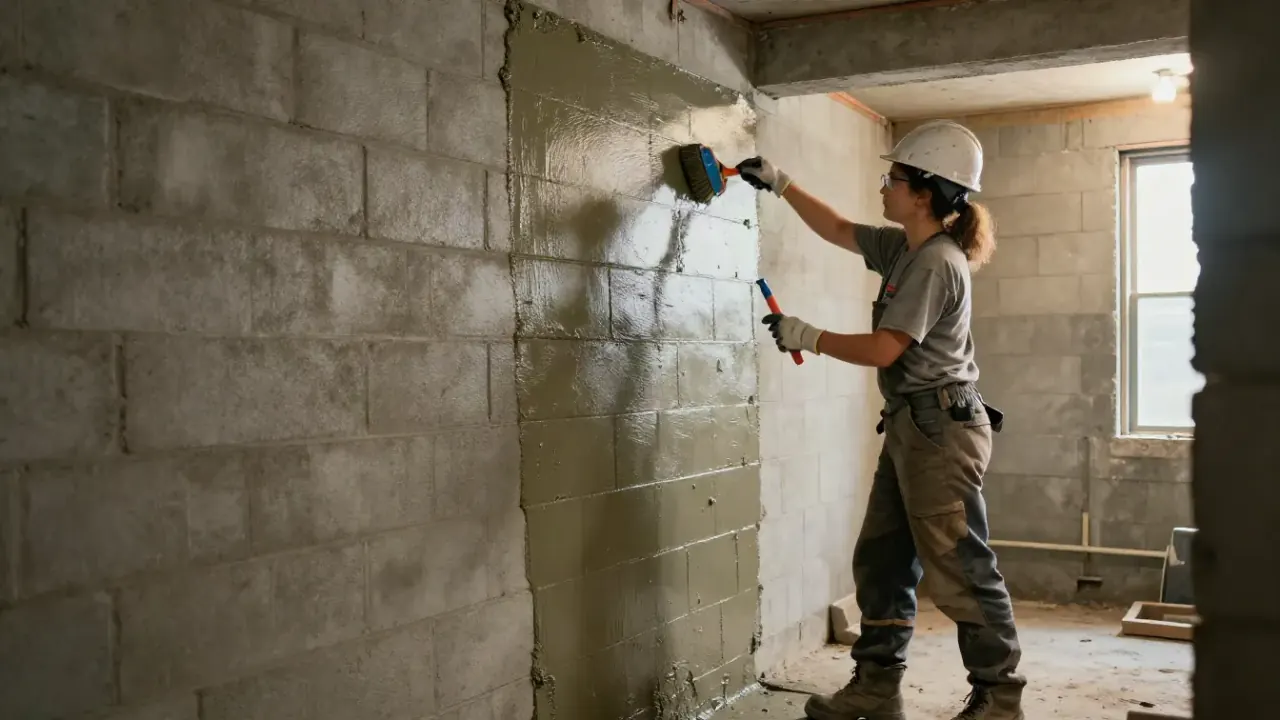
A Warren basement shows a crack and a slight inward bow, with water marks extending above the damp area.
We document the visible crack and wall condition, then distinguish water sealing from structural correction. If displacement is present, we recommend structural evaluation before treating injection as the complete fix. We can coordinate the water-entry repair once the wall's stability and appropriate method are established.
Outcome: The owner avoids relying on a cosmetic patch for a moving wall and can address structural risk before finishing the basement.
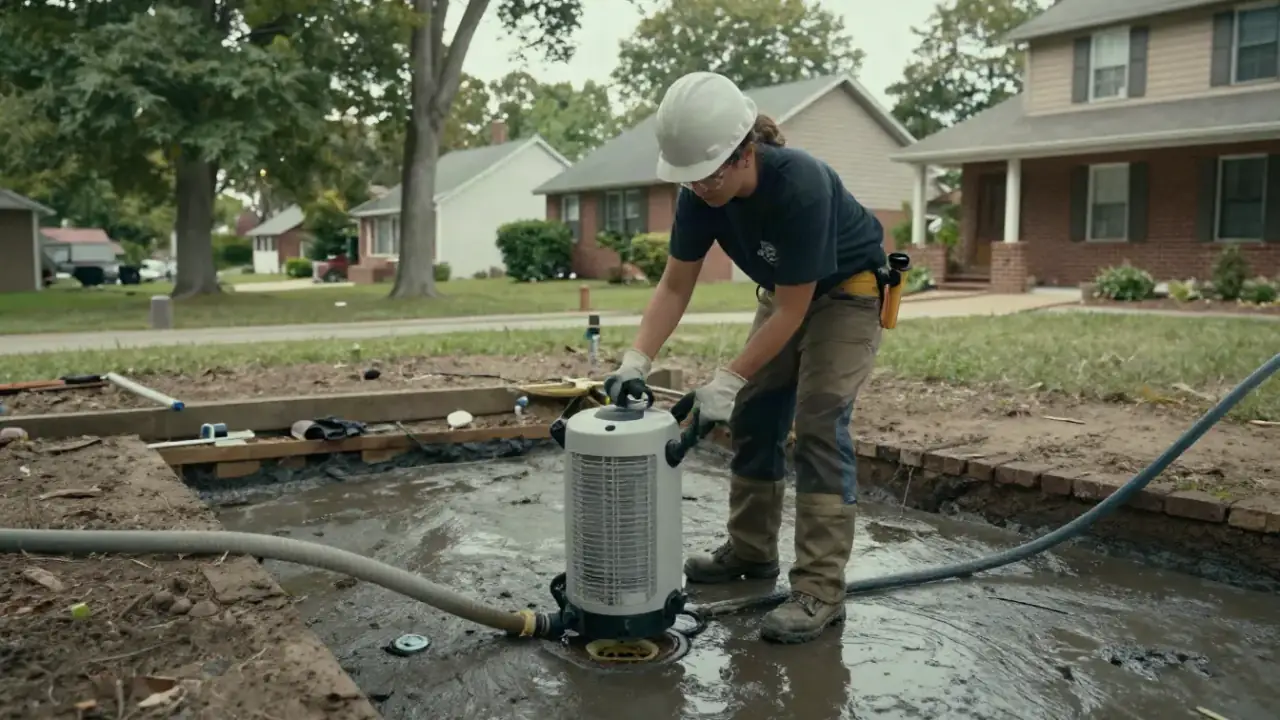
Warren's wet fall weather, winter freezing, and spring thaw can cycle water through soil beside basement walls. When saturated ground pushes against a foundation, hydrostatic pressure can drive seepage through a small crack; repeated freezing and thawing can also expose weak surface patches. We ask when the leak appears and inspect downspout discharge, grading, and nearby wall conditions before selecting a repair.
In older basements, painted or previously patched masonry needs careful preparation so injection material reaches the crack rather than bonding to loose coating. Our cracked basement wall repair Warren OH service distinguishes stable leakage from bowing or leaning walls, which require a structural assessment.
We follow applicable Ohio Residential Building Code requirements for the work performed and discuss drainage or sump pump concerns if they contribute to the leak. For basement crack repair and waterproofing Warren Ohio homeowners can coordinate crack sealing with a separate water-management plan when inspection shows more than one source.
Before: A Warren homeowner saw a wet vertical line after storms and repeatedly wiped water from the wall base. A painted patch hid the crack for a few weeks, but efflorescence returned and a strip of carpet remained damp. The water was entering through a stable foundation opening, while a downspout released runoff near that wall.
After: We removed loose coating, prepared the crack, and injected a suitable water-stop material through ports. The repair visit took about 3 hours, including setup and cleanup. The wall was dry to the touch after the material cured according to its product instructions, and the homeowner redirected the downspout away from the foundation.
Keep the downspout outlet clear and confirm it sends roof water away from the wall. Check the repaired area after the next two heavy rains and report any new damp line or change in the crack.
Before: A basement wall in Howland Center had a rough cement patch over a narrow crack. During spring thaw, moisture appeared at its edge and left a pale mineral trail. The previous patch covered the surface but did not address the full water path through the wall.
After: We removed loose patch material, inspected the crack, and set injection ports along the prepared opening. The repair took approximately 2.5 hours because access was clear and the crack was localized. After cure, the visible seepage path was filled, and the owner had a clear record of the repaired section.
Avoid painting over the repair until the specified cure period has passed. Keep the basement wall visible for the first month, and note any fresh dampness after rain or snowmelt.
Before: A Niles property manager found wet cardboard boxes beside a foundation crack after a storm. The wall had a dark line near the floor, and carpet at the corner was damp. The tenant had moved items away but could not tell whether the crack or a nearby joint was leaking.
After: We traced the damp area, confirmed the crack as the entry point, and used injection suited to its wet condition. Setup, repair, and cleanup took 3 hours. We cleared the immediate work area with the tenant, identified the repaired line, and explained how to check the corner after future storms.
Keep stored boxes several inches away from the repaired wall so any new moisture is visible. Check the sump basin and nearby discharge after heavy rain, and report water appearing outside the repaired line.
Basement cracks often show up as a thin stain before they become a puddle. Our work targets the water path and the conditions around it, so you can act before wet carpet, damaged storage, or repeated cleanup becomes routine.
A targeted repair closes the leak path and helps protect your basement finishes.
We seal the route water uses to reach your basement, rather than relying on paint over a damp line. For a stable wall crack, injection material fills the opening through its depth; a surface coating alone does not. That distinction helps reduce recurring drips and protects nearby stored items, finished walls, and flooring.
A slow leak can leave mineral deposits, lift paint, and soak the edge of a carpet long before a large puddle appears. Our repair targets the crack and checks the surrounding masonry, helping you avoid repeated patching. We also identify conditions such as clogged downspouts that can keep loading the same wall with water.
Epoxy and polyurethane do different jobs. Epoxy injection resin bonds and reinforces a stable crack; polyurethane injection foam expands to seal a water-carrying path. We match the product to the wall condition and leak behavior, rather than applying one material to every opening.
A crack repair visit also reveals whether the problem is isolated or tied to broader drainage. If a sump pump failure or failed drain tile is contributing, we explain that connection before you spend money on repeated spot repairs. You leave knowing what was sealed and what conditions still need attention.
Clear records you can keep and share.
Location and method used
Images of the repaired area
Product-specific cure and access guidance
Observed water conditions and next checks
A surface patch covers the wall face; injection fills a suitable crack through its depth.
Used for suitable stable cracks where bonding is the goal.
Used to seal appropriate water-carrying cracks.
Covers a face defect but may not fill the wall opening.
A list like this tells people straight away whether you cover their street. Not listed? Call and ask: it only takes a minute.
Based in Warren and covering the places around it. Pick one for local details.
Multiple cracks or wall movement raise the scope. Our price reflects preparation, injection materials, labor, and cleanup; we explain the cost before work begins. If water also enters through failed drain tile or a window well, that separate source needs its own repair plan.
A damp, stable hairline crack is often repairable, but widening, stepped, or displaced cracks need prompt evaluation. Watch for a change in width, water seepage, rust-colored staining, or a wall that bows inward. Warren's heavy rain and freeze-thaw cycles can make a small water path more noticeable. We inspect the crack and surrounding masonry to distinguish a sealable leak from signs of structural movement.
Injection is usually the most direct repair for a stable leaking foundation crack; epoxy suits bonding, while polyurethane foam seals active water paths. We clean the surface, install injection ports when appropriate, fill the crack, and inspect the result. A moving or bowed wall needs structural evaluation before injection alone is considered.
A stable crack can be sealed for the long term, but no injection can stop new movement or outside water pressure by itself. The repair must match the crack, and conditions such as poor grading or a failed sump pump should also be addressed. We explain what the material does and what could affect durability. After repair, keep downspouts clear and direct discharge away from the foundation.
Other services from the same team.
A wet wall crack should be checked before water damages finishes or stored belongings. Call Warren Waterproofing Pros at (555) 123-4567 to discuss what you are seeing and arrange a repair visit. We explain the method and upfront pricing before work begins.
Tell us where water is showing up, how long it has been happening, and whether a sump pump or drain is involved. Call (555) 123-4567 during our weekday business hours, Monday through Friday, 8 a.m. to 6 p.m. We serve Warren, Ohio, and nearby communities, and will help you plan the right inspection for your basement or crawl space.