Basement Waterproofing in Warren for Dry, Usable Space
Basement Waterproofing in Warren helps homeowners with recurring seepage, damp odors, and water after storms. Our team traces the entry point, then matches drainage, crack repair, or moisture control to the actual cause. As a Warren basement waterproofing company serving homes across Trumbull County, we explain what your foundation needs and what it does not. Call before another wet season damages flooring, stored belongings, or finished walls.
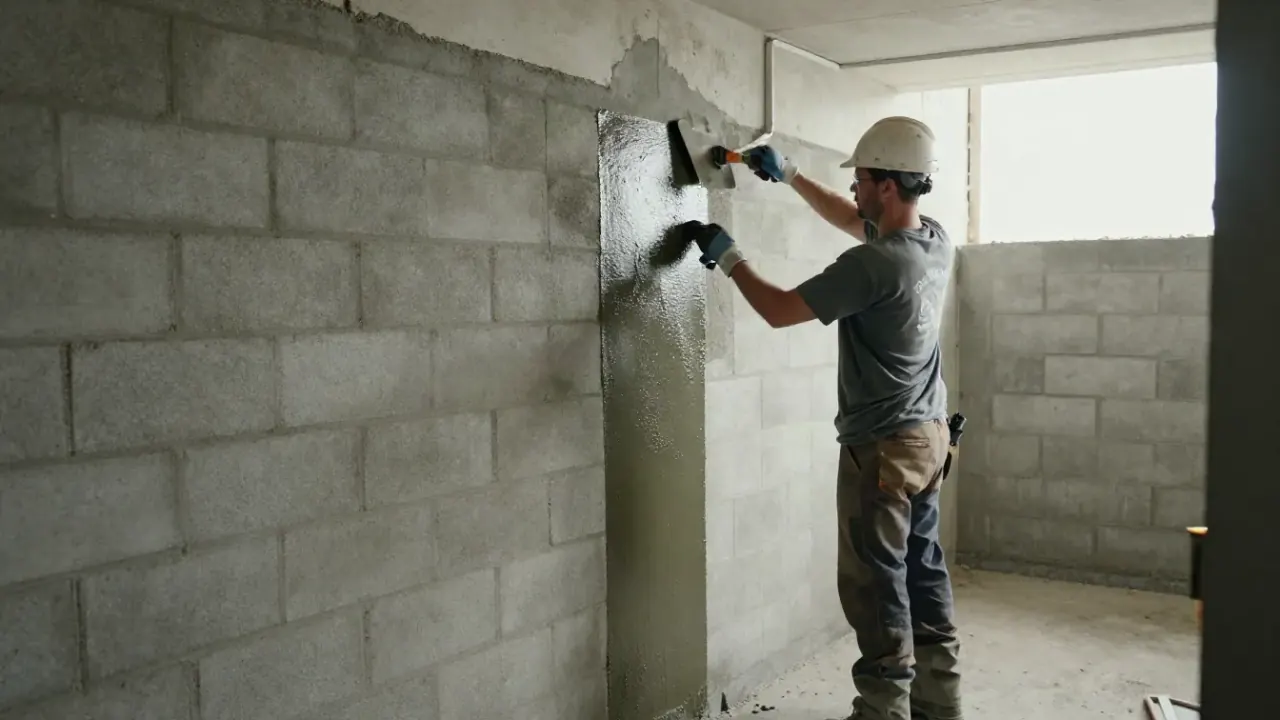
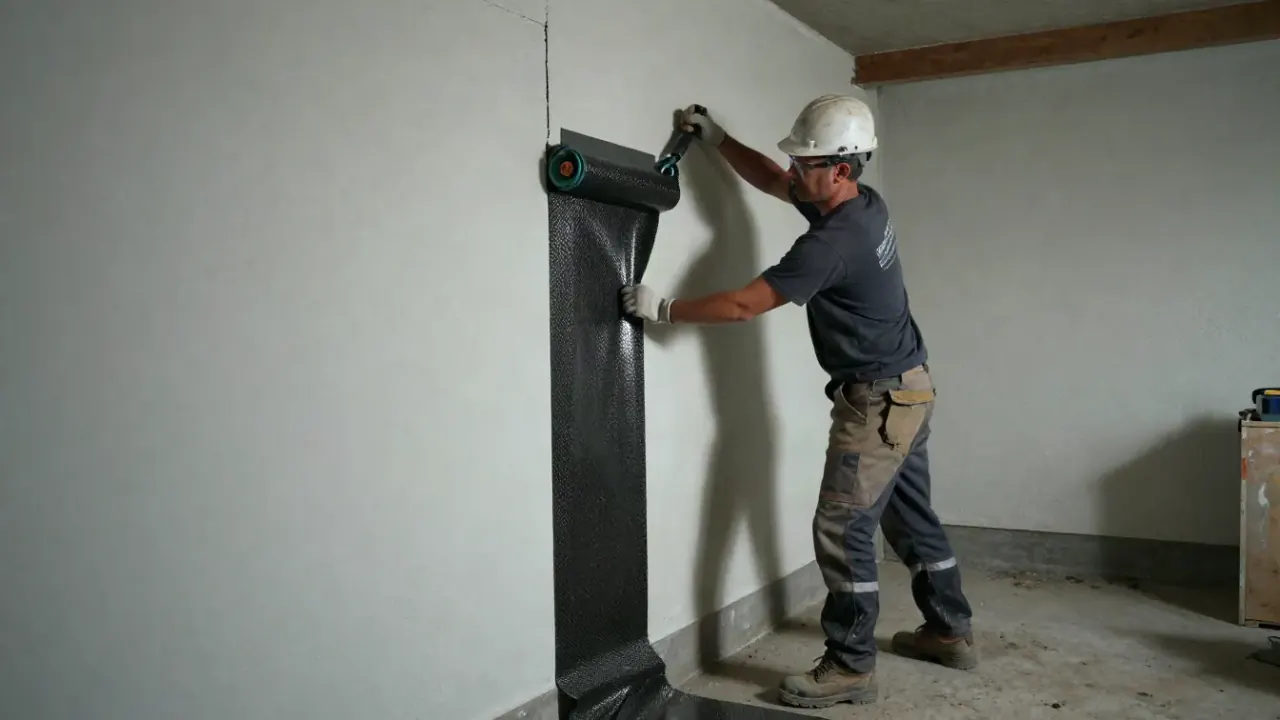
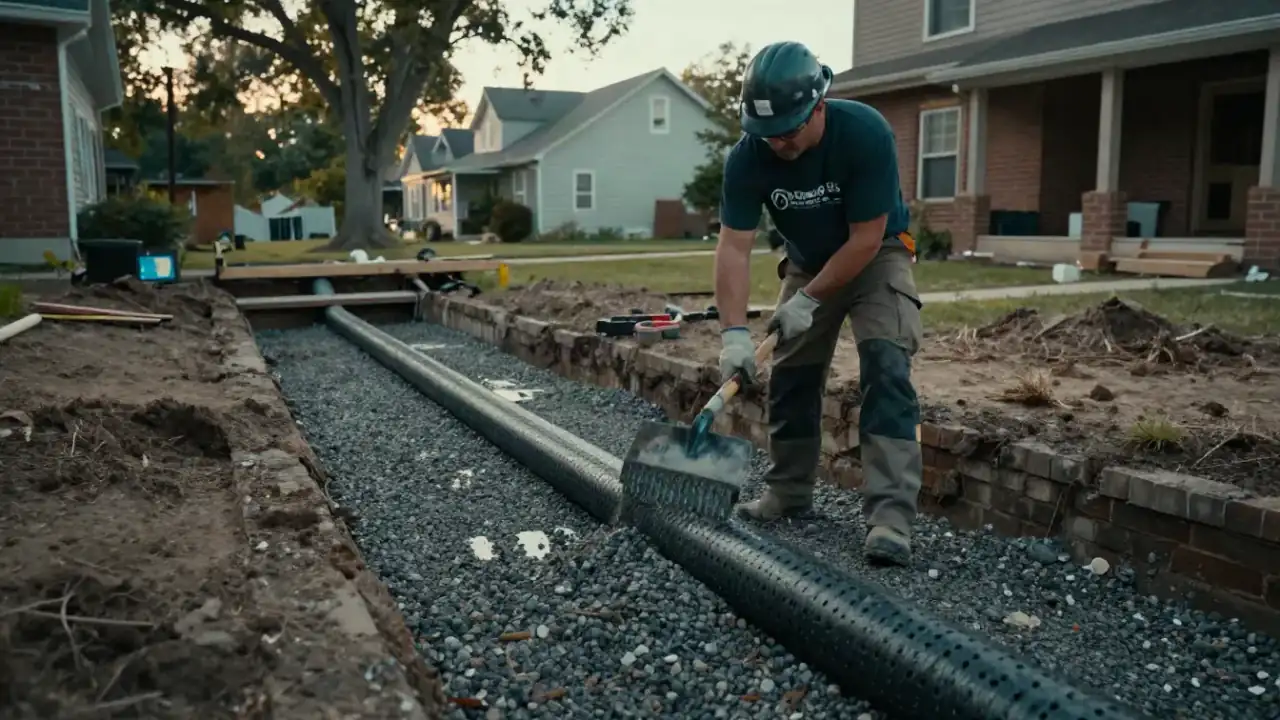
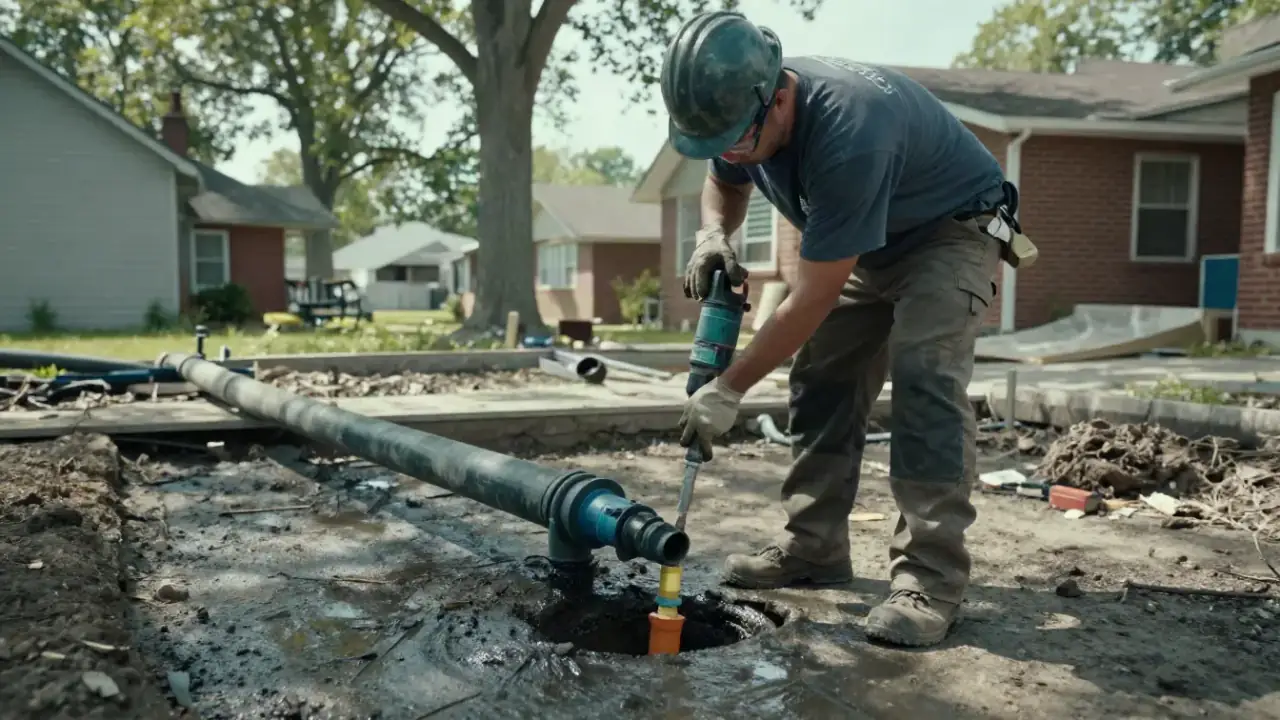
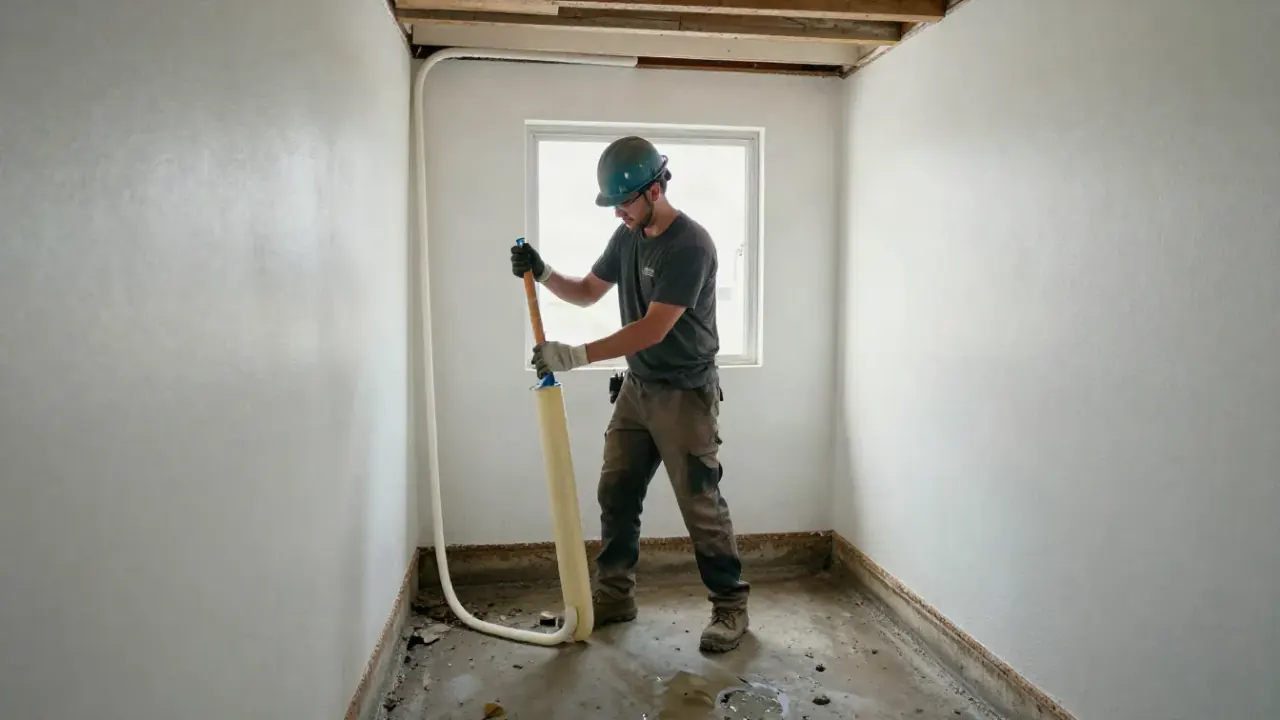
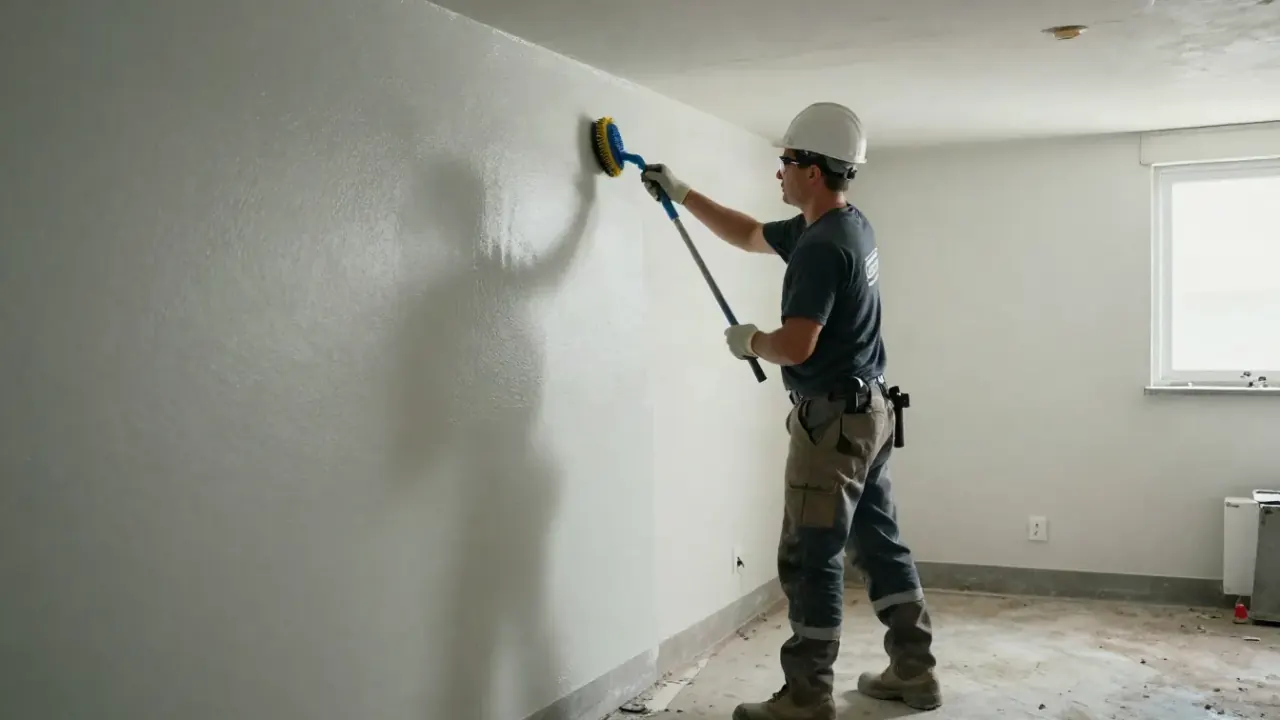
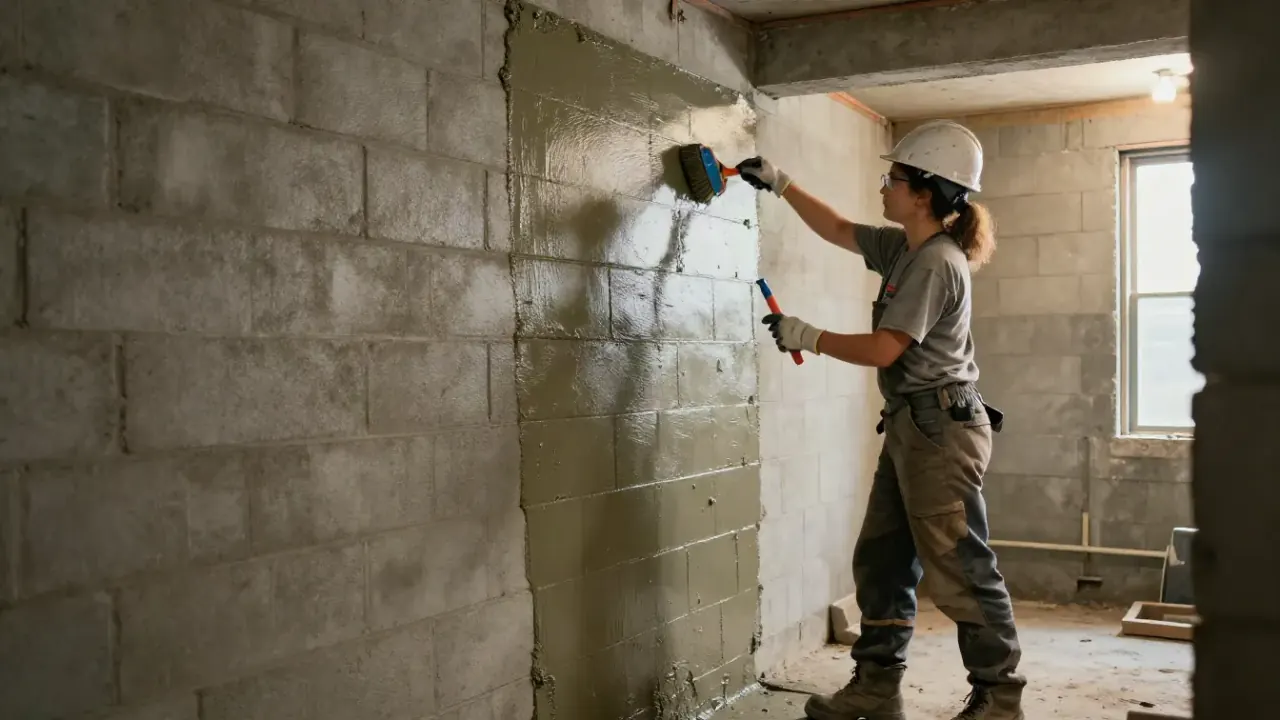
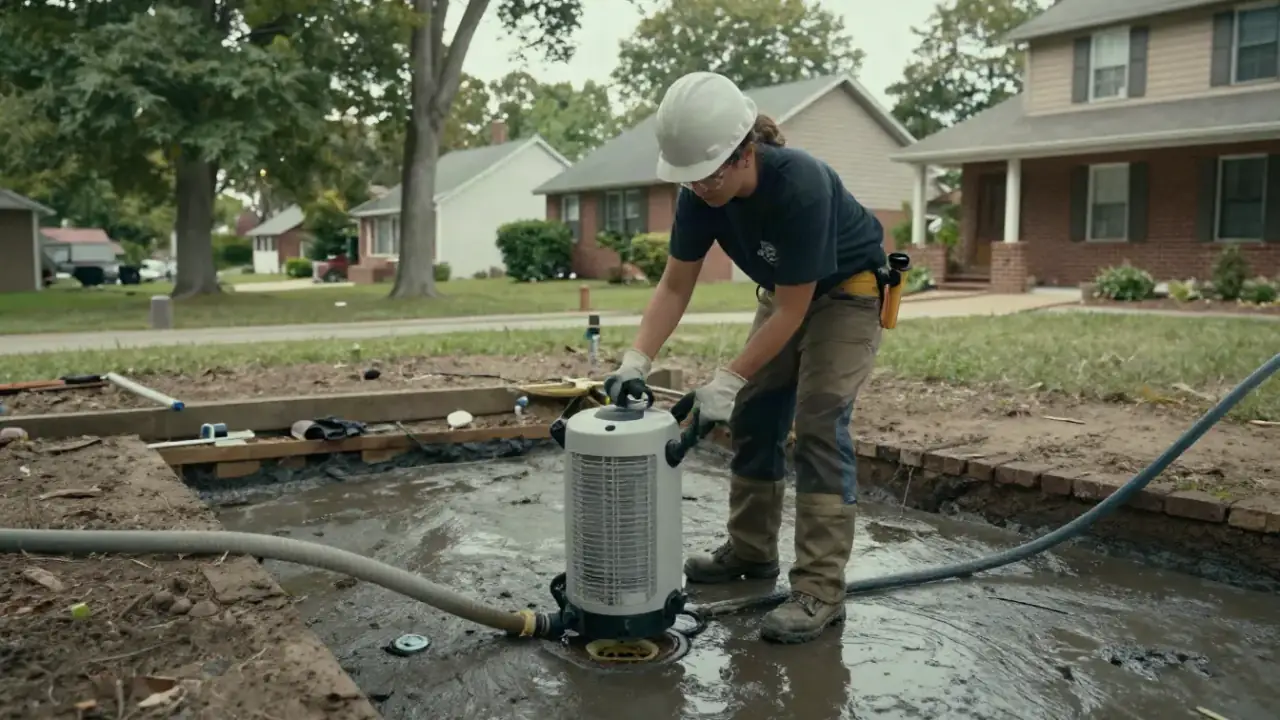
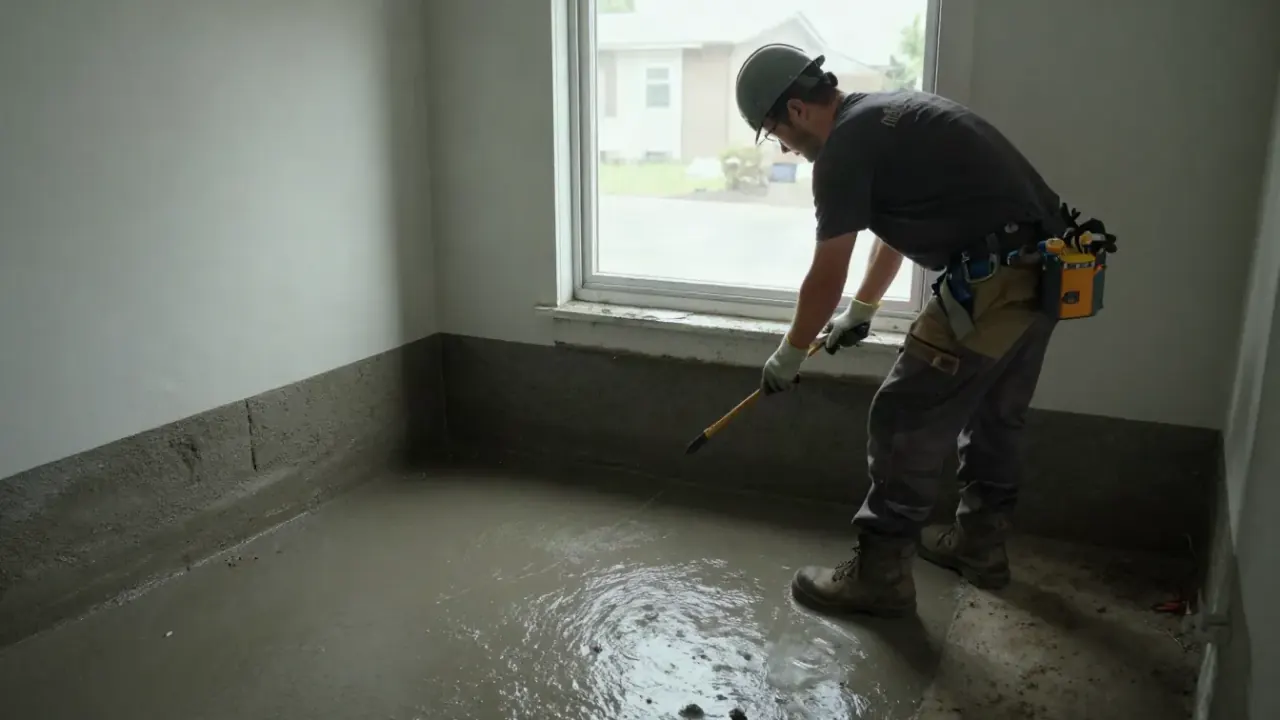
Protects work areaCovers nearby items before cutting
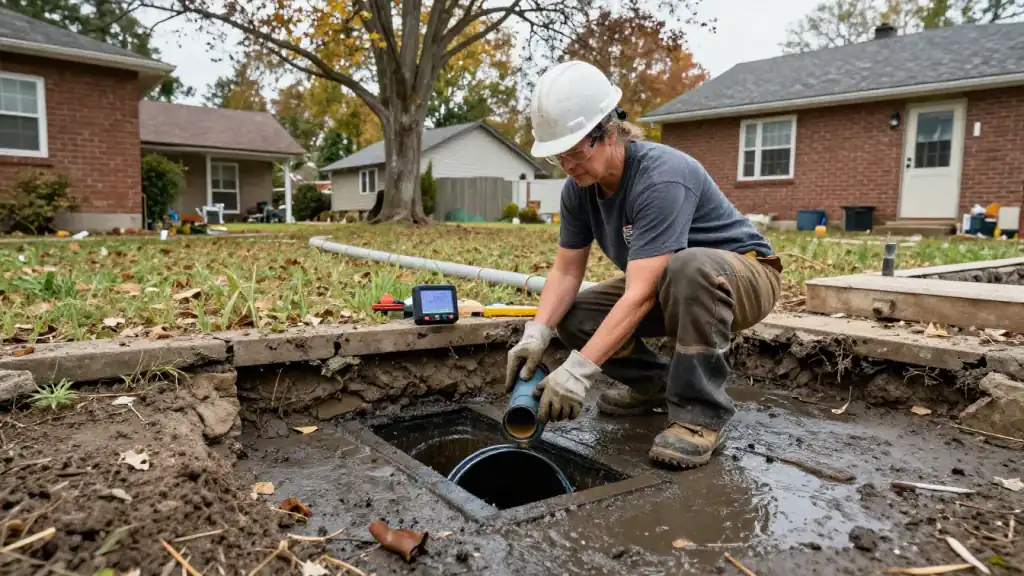
Checks water pathTraces stains to likely entry
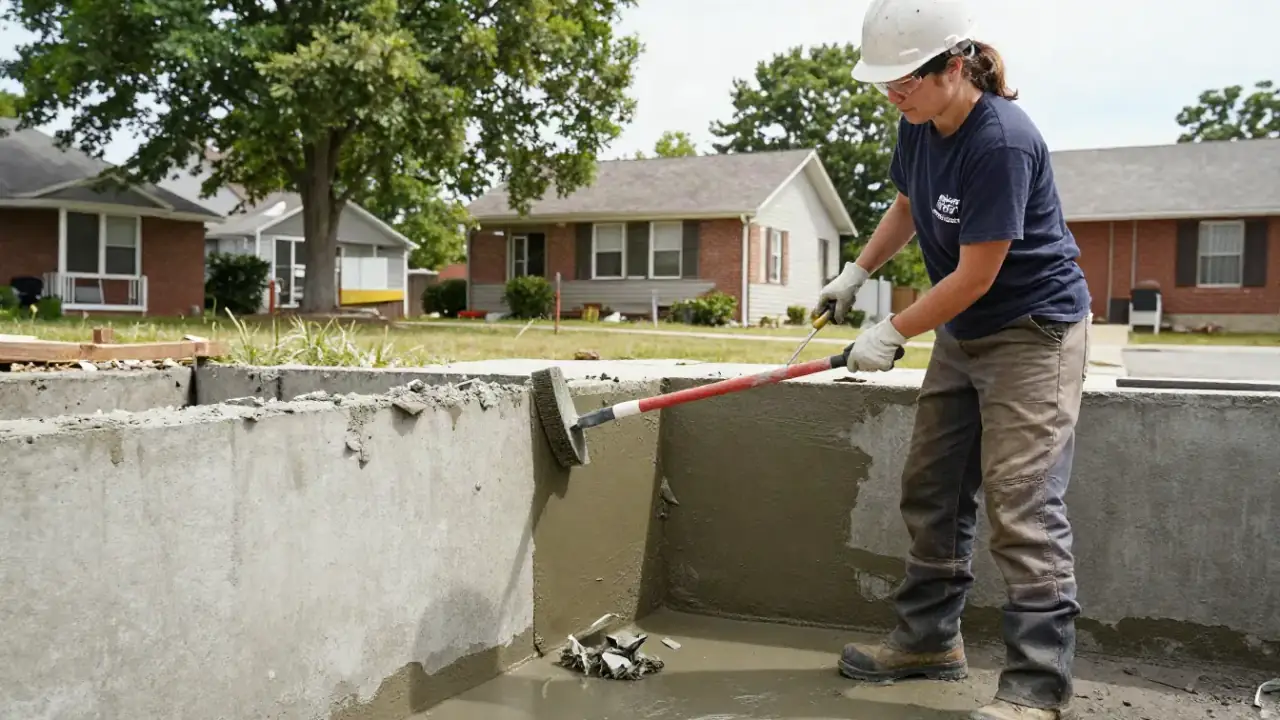
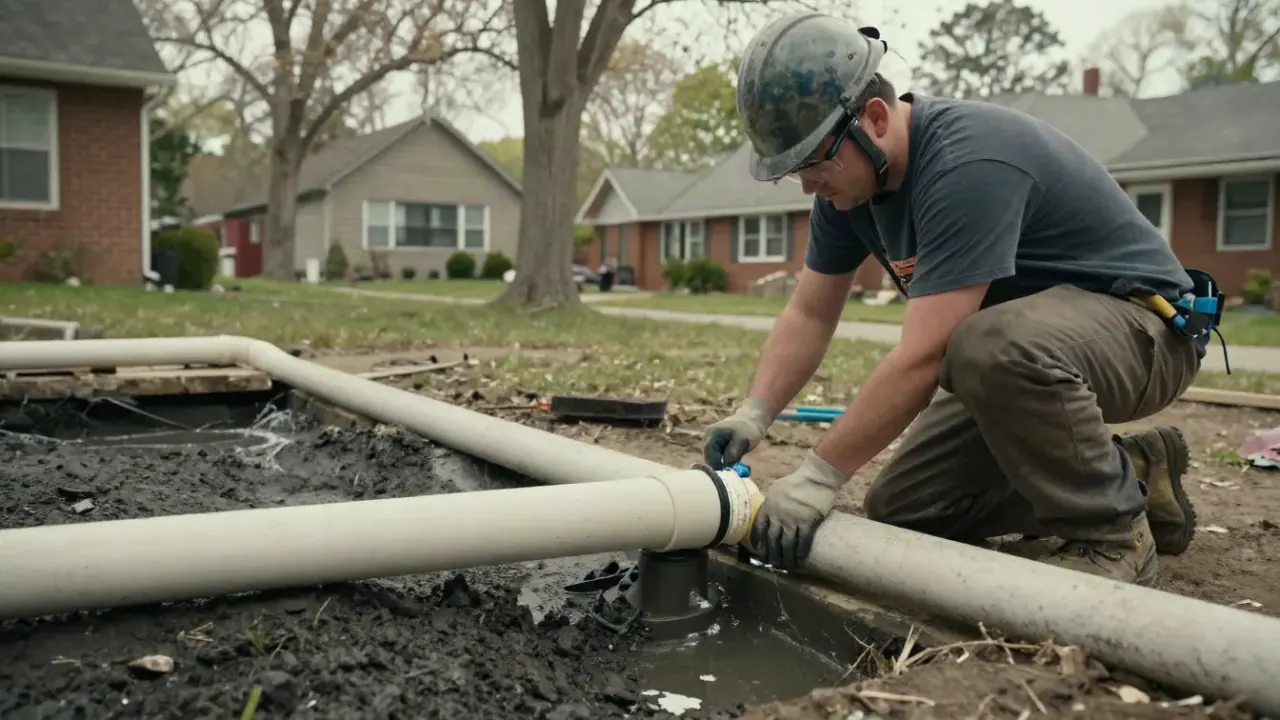
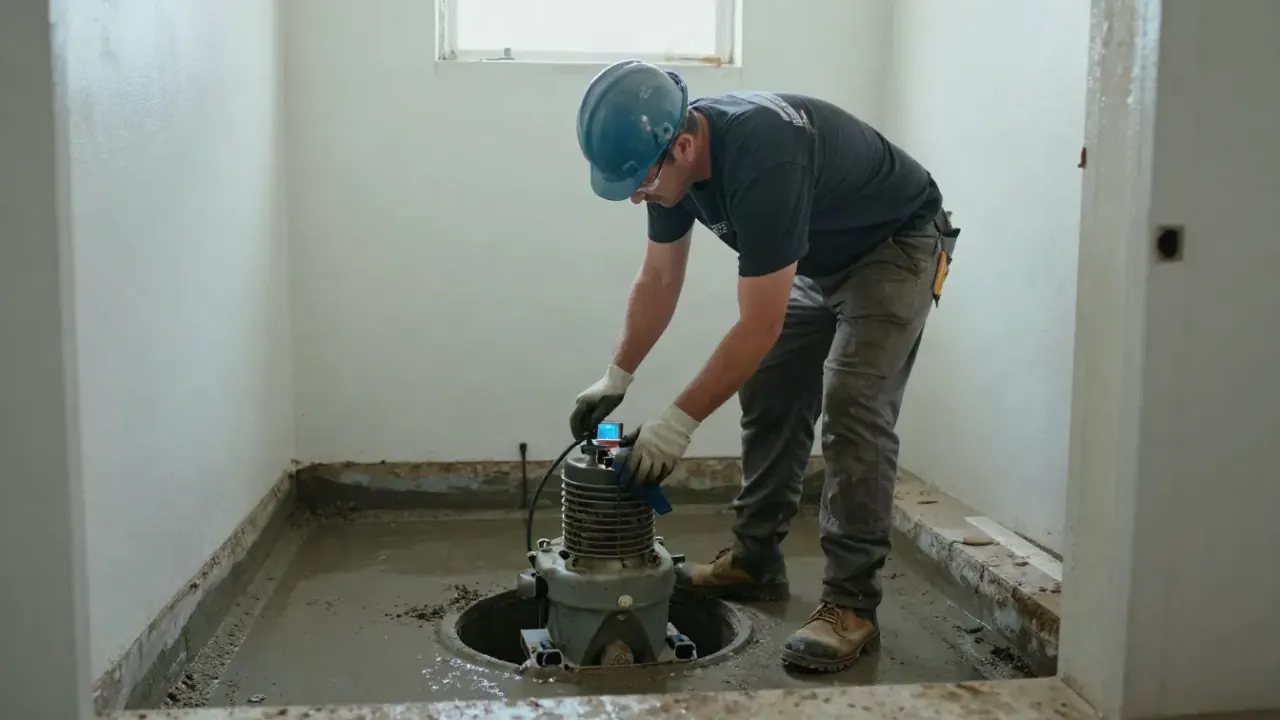
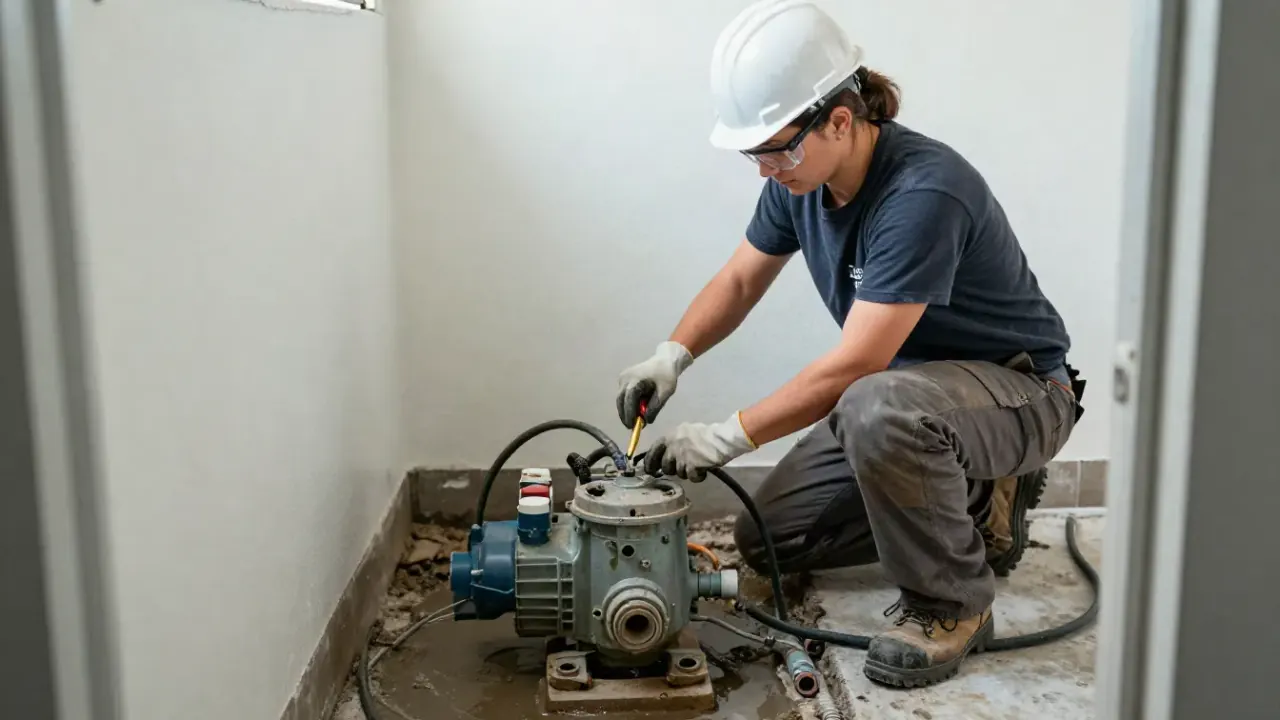
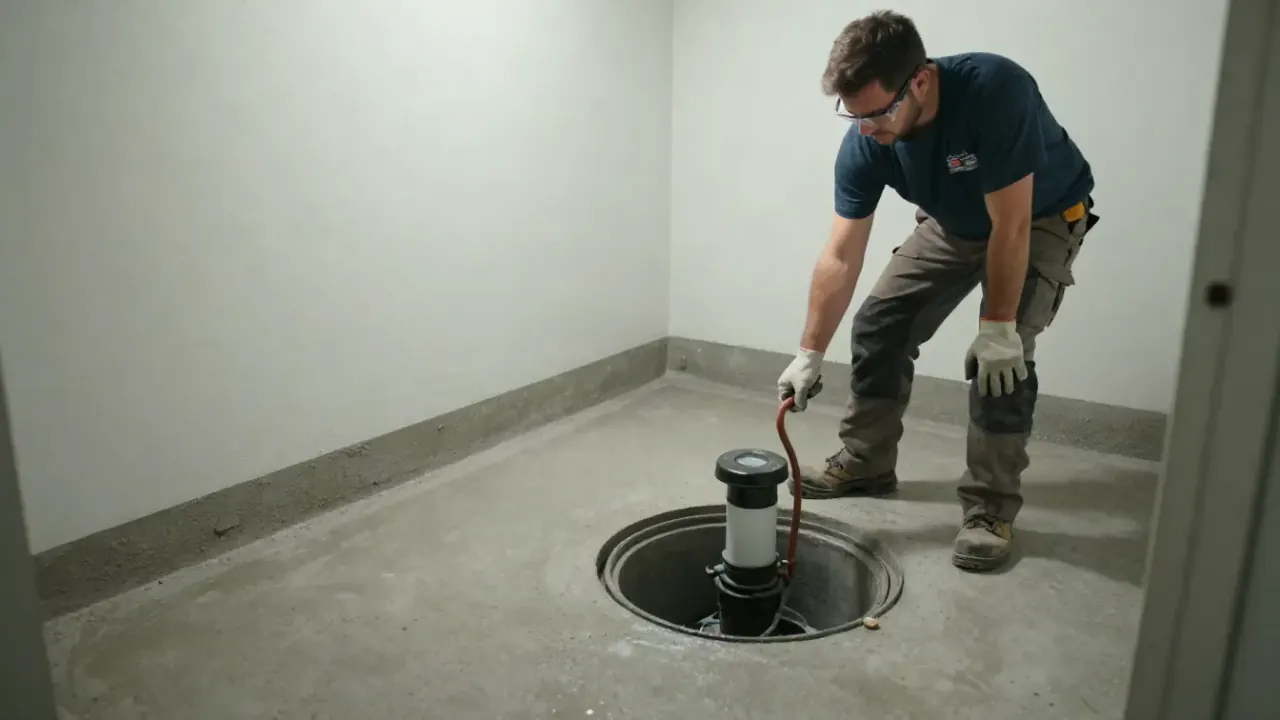
Tests pump cycleConfirms float and discharge flow
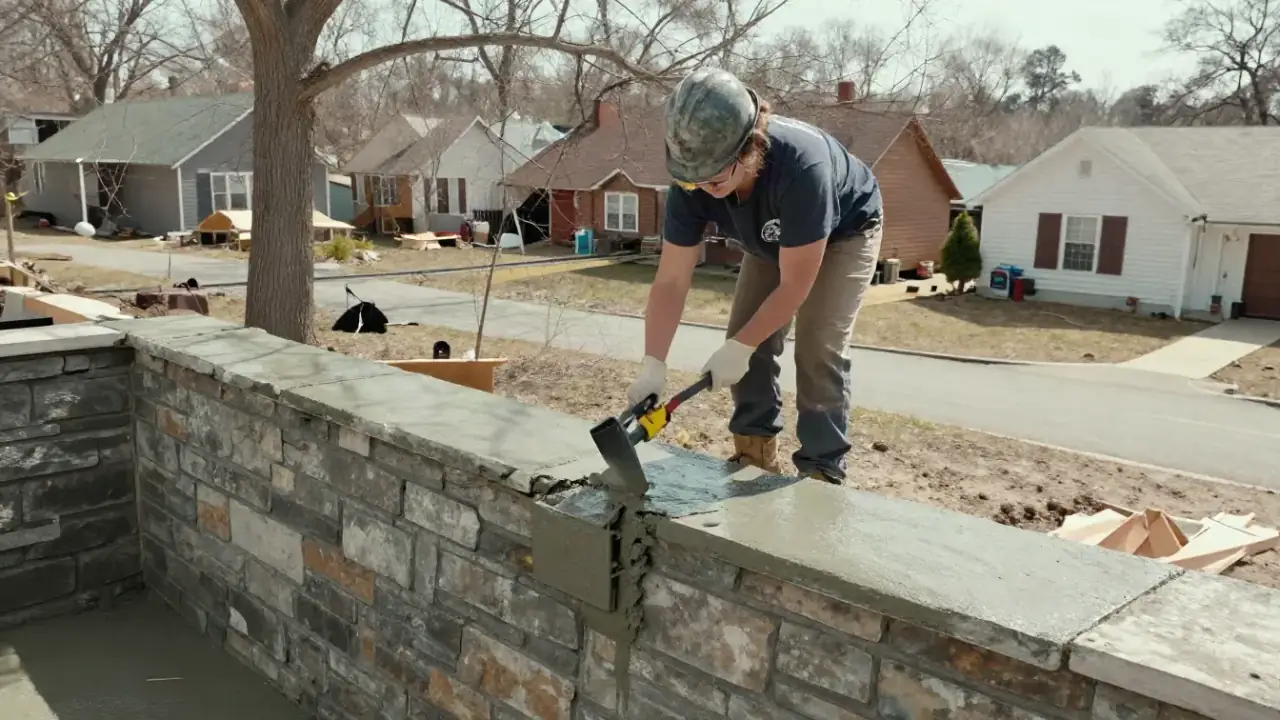
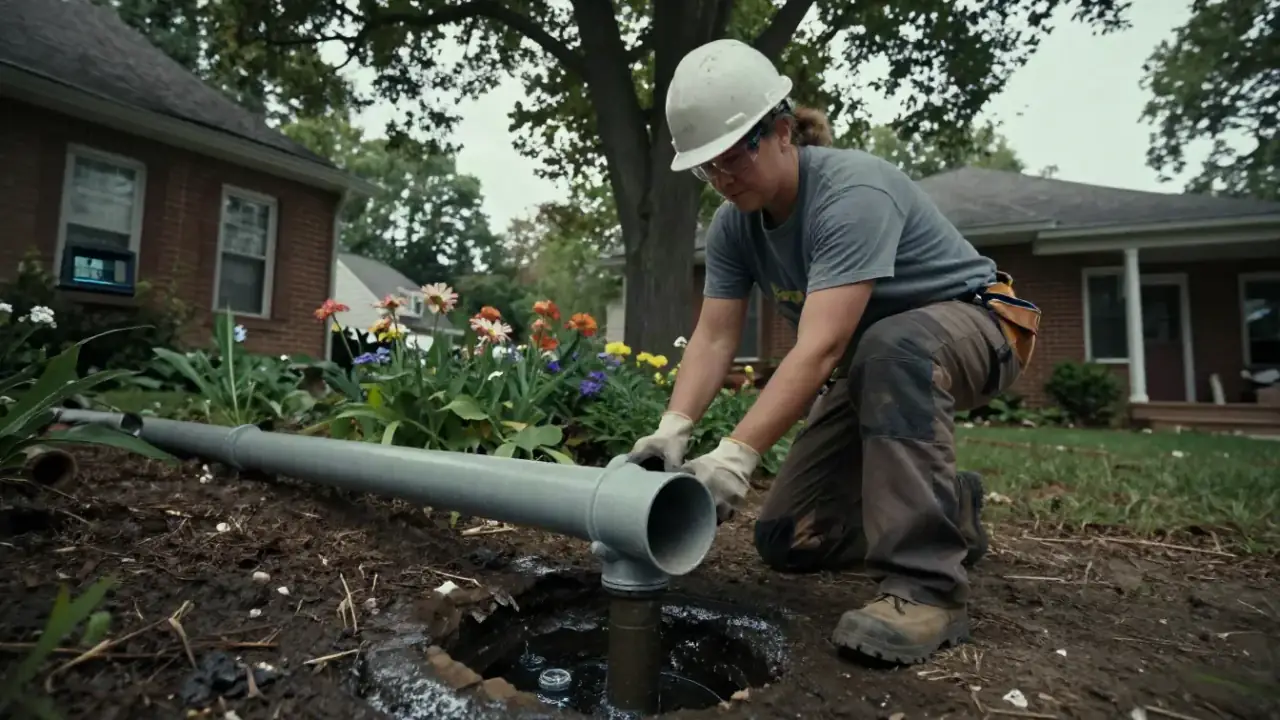
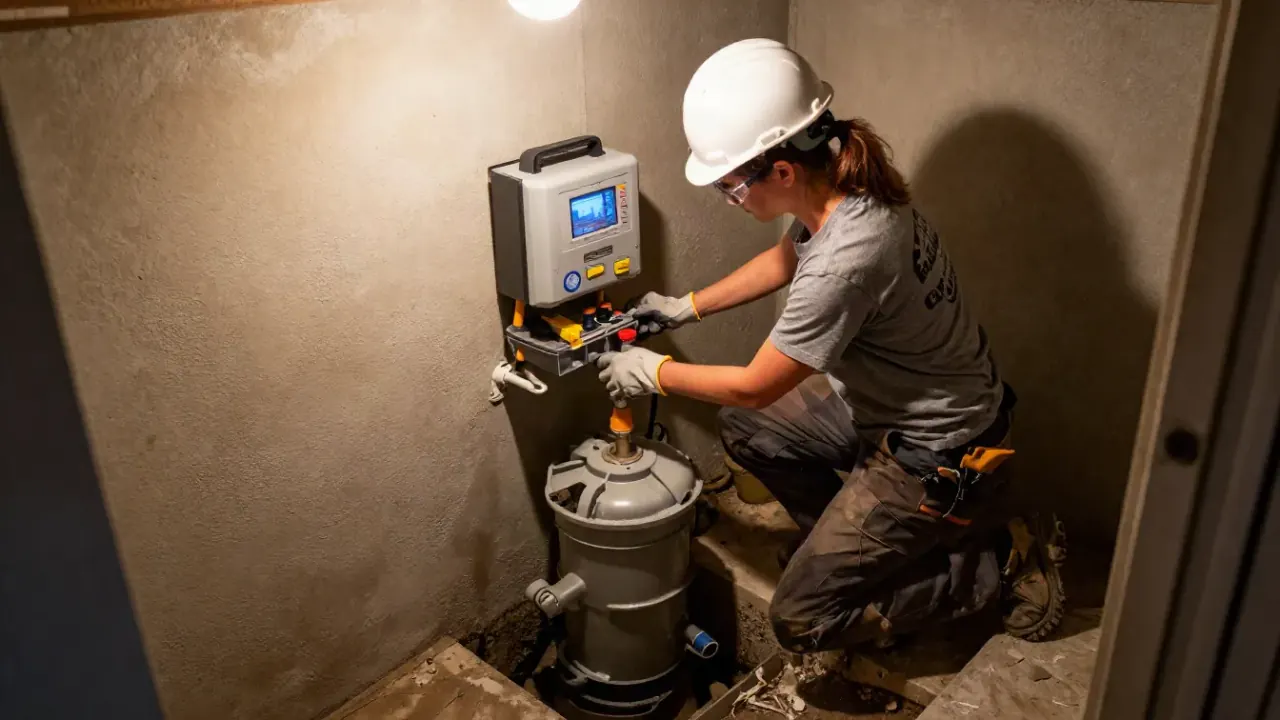
Reviews finished workWalks through repair with you
What Basement Waterproofing Includes
Basement Waterproofing in Warren starts with identifying the moisture source, then covers the repairs needed to control that route. Depending on the home, work can include crack sealing, drain tile, sump installation, or exterior water management. Finishing materials, broad flood restoration, and unrelated structural repairs are separate work when needed; we identify those clearly during diagnosis. Your service plan focuses on the affected area and how the water will be moved or blocked.
Water Source Inspection
We inspect visible foundation cracks, wall-floor joints, windows, sump equipment, and exterior runoff. The goal is to connect water marks with a likely entry route before selecting a repair. Where useful, we record moisture readings and show you the areas that need attention.
Crack and Joint Repair
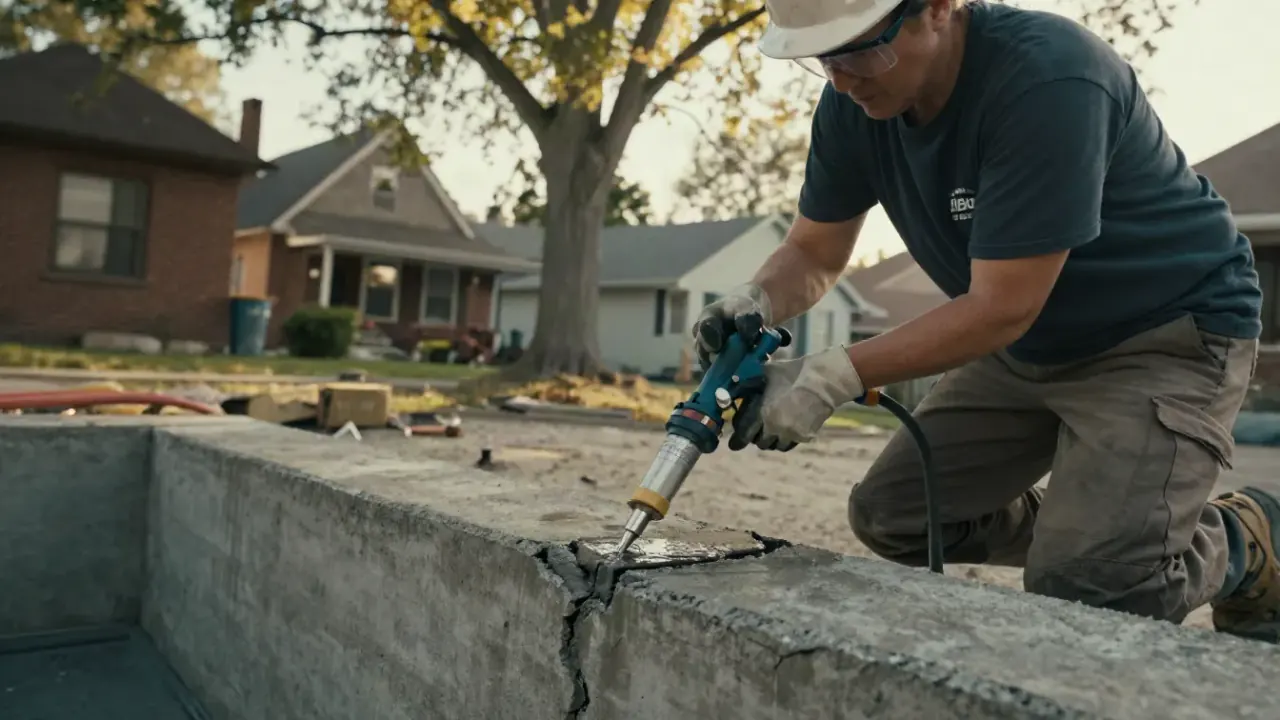
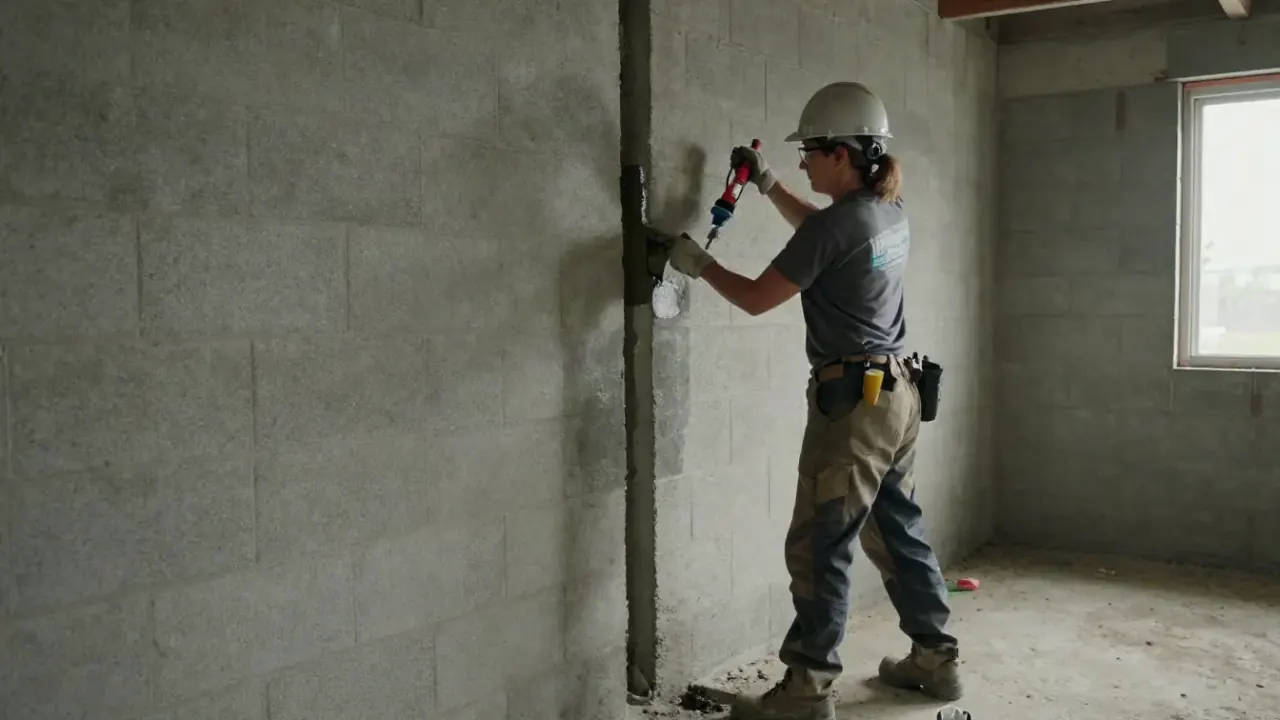
We prepare identified cracks and use an appropriate repair material, such as polyurethane injection foam or epoxy injection resin, based on the condition. The work targets the water path rather than coating the entire wall without diagnosis.
Drainage and Pump Work
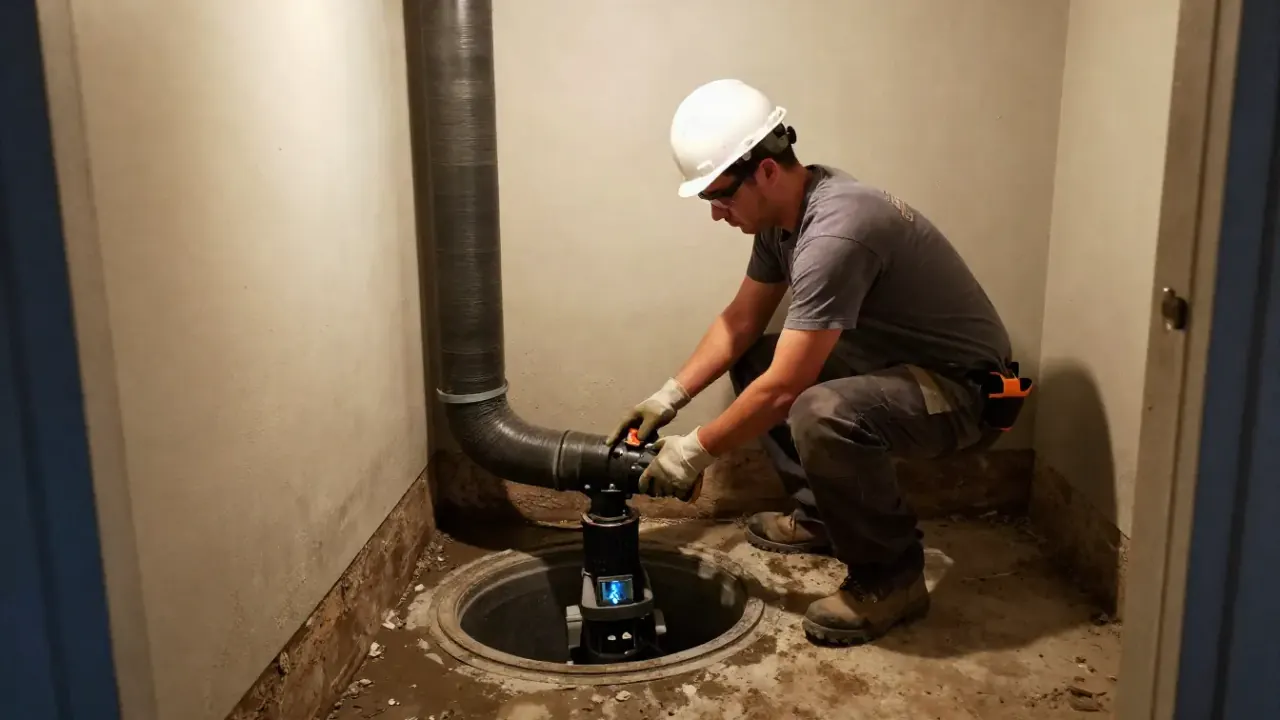
Where seepage collects along the foundation, we can install perforated PVC drain tile in washed gravel and connect it to a sump basin. We test the pump and discharge route so collected water has a working exit.
Exterior Water Control
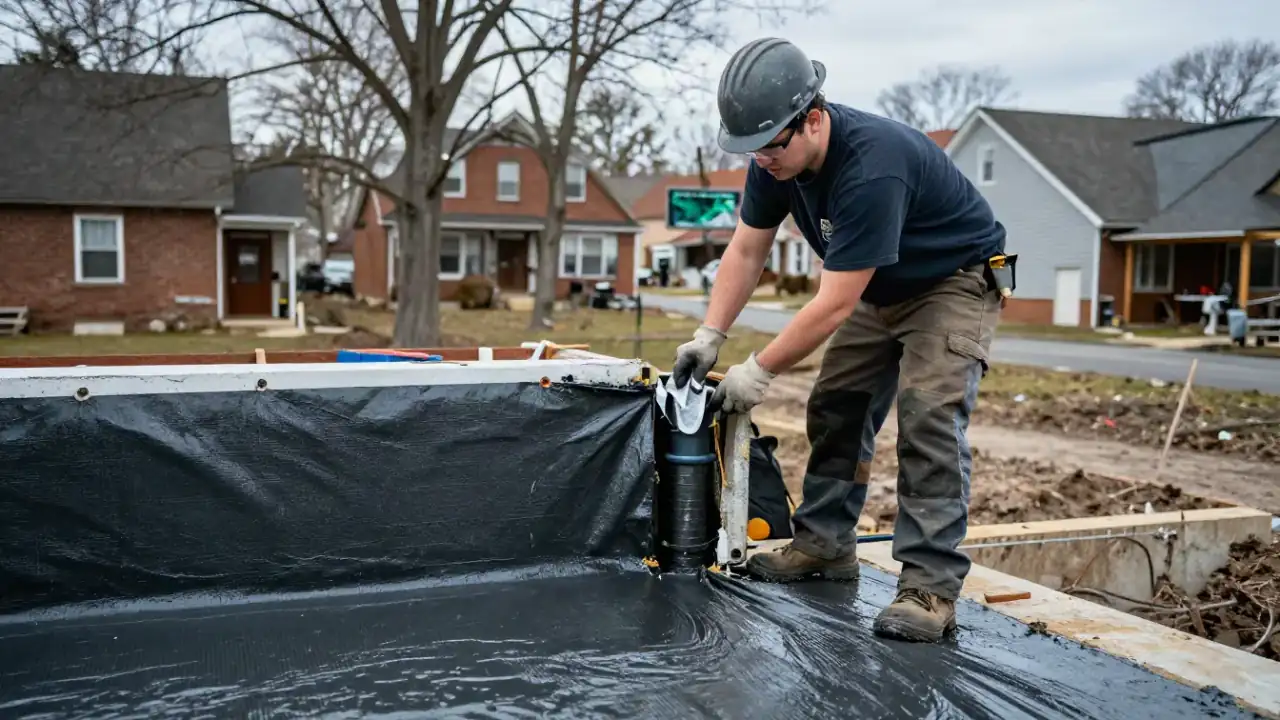
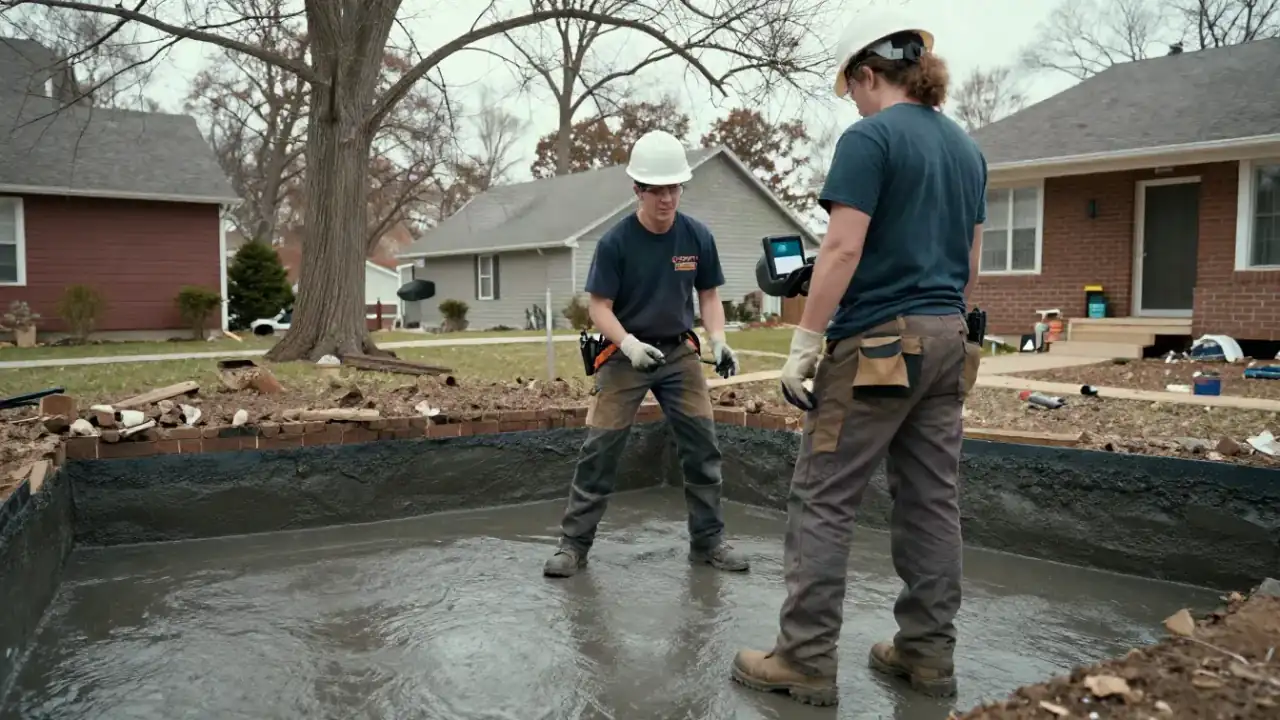
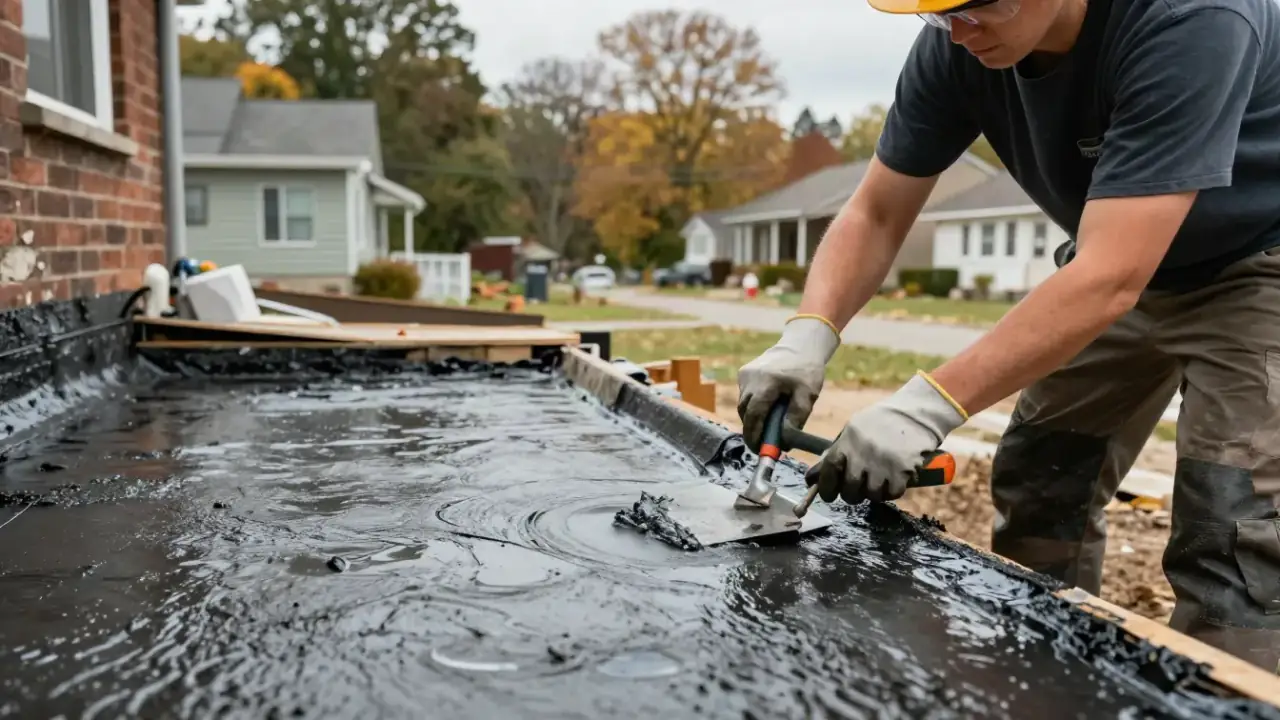
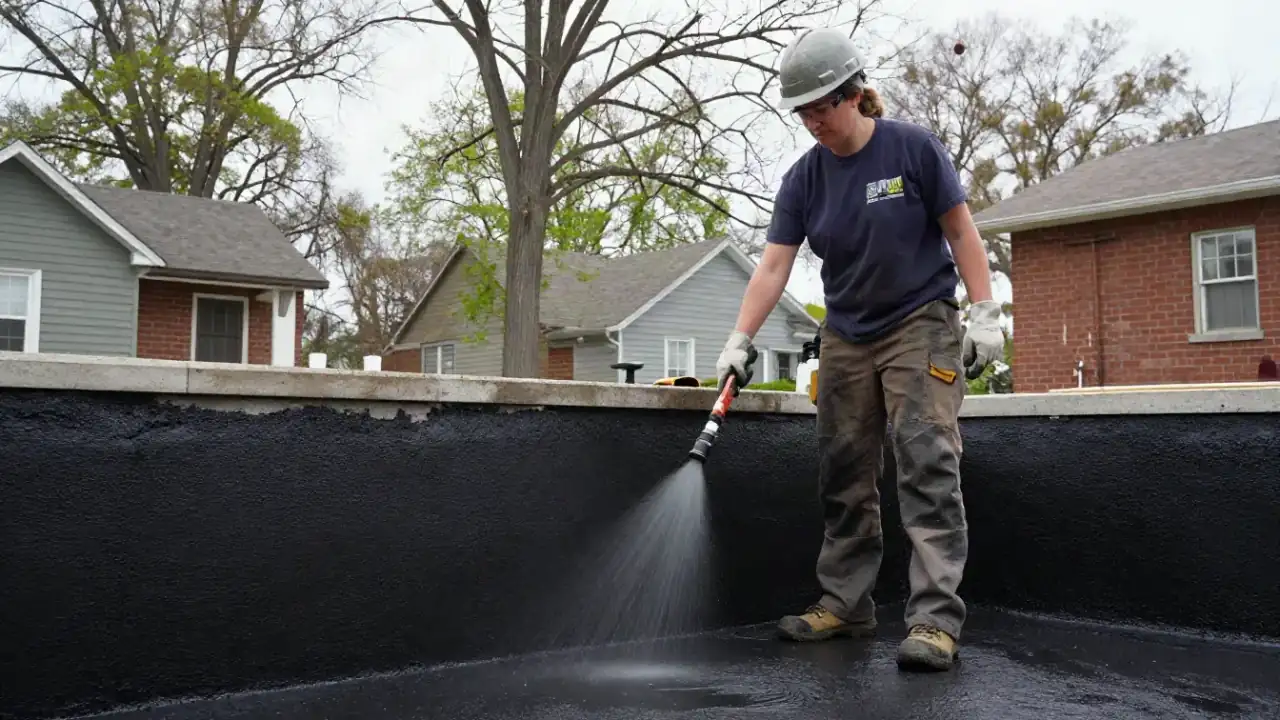
If runoff or outside wall entry is the source, work may address grading, downspout discharge, window wells, or an exterior membrane. We focus on the route bringing water to the foundation and protect the repaired area during backfill.
System Walkthrough
We show you the completed repair, demonstrate pump operation when installed, and review maintenance points. You will know how to check the basin, listen for cycling, and notice signs that water is returning.
Homes and businesses.
The approach is the same for a home and a business. What changes is the access, the schedule and who needs the paperwork.
Home Use
We help homeowners and tenants locate seepage before it damages stored belongings or finished rooms. You see the affected areas and repair sequence before installation begins.
Damp wall after heavy rain
Wet carpet beside a window well
Sump stops during an outage
Business Use
We inspect basements and below-grade spaces used by businesses or managed properties. You receive a clear explanation of access, drainage, and operating checks.
Water near mechanical equipment
Storage room seepage
Recurring pump alarms
Basement Waterproofing in Warren Explained
A plain-language look at what Basement Waterproofing involves and when it is needed.
Basement Waterproofing in Warren is a foundation moisture-control service that manages water at its entry point and routes it safely away from living and storage areas. We inspect foundation wall cracks, floor joints, window wells, and the existing drain tile before selecting a repair. Depending on the source, work can include interior drainage, a sump basin liner and pump, crack injection, exterior membrane, or grading corrections. A moisture meter helps distinguish active seepage from lingering humidity. The right assembly addresses water pressure and discharge, rather than simply covering a damp wall with paint.
Warren homes face heavy rain, freeze-thaw cycles, and periods when saturated soil presses against foundation walls. Poor yard grading, clogged downspouts, failed drain tile, and hydrostatic pressure can combine to push water through masonry or floor joints. We look for efflorescence, musty odors, and wet basement carpet, then trace the pattern instead of treating symptoms alone. For homeowners comparing basement waterproofing cost in Warren OH, the key variables are the water source, excavation access, foundation condition, and how much drainage must be replaced.
A lasting repair follows the water source and gives it a controlled route away from the basement.
What it is
A set of repairs that blocks or collects water entering basement walls, joints, or floors.
When needed
Use it for recurring seepage, damp cracks, pooling after storms, or a failing sump system.
What to expect
We inspect the source, install the selected repair, and review drainage or pump operation.
What to Expect From the Work
Basement Waterproofing in Warren follows a practical sequence: locate the source, agree on a repair, protect the work area, install the system, and test water movement. We keep you informed at each stage so you know when access is needed and what the finished work should do.
Inspect and Trace
Our team walks the basement with you, checks visible cracks and water marks, and asks when seepage occurs. We examine window wells, downspout discharge, and the sump setup, then use a moisture meter where readings help locate damp areas. A straightforward inspection often takes 45 to 90 minutes; complicated water paths require closer tracing before we recommend a repair.
Walk-through
Moisture check
Trace source
Map the Repair
We identify whether water is entering through walls, the floor joint, a window well, or failed drainage. Then we explain the repair route, access needs, and expected sequence before tools come out. You will know whether the work calls for crack injection, interior drain tile, pump service, or exterior excavation, rather than a generic coating applied to every surface.
Review options
Set work area
Explain sequence
Prepare the Area
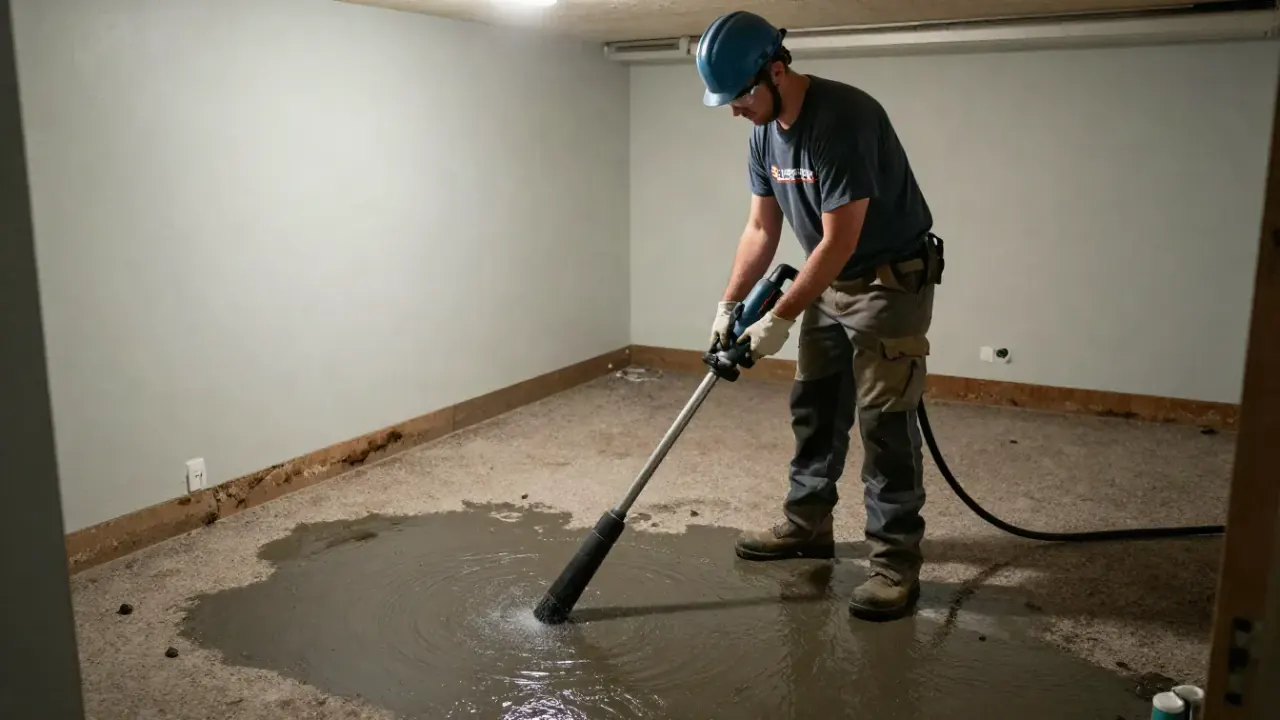
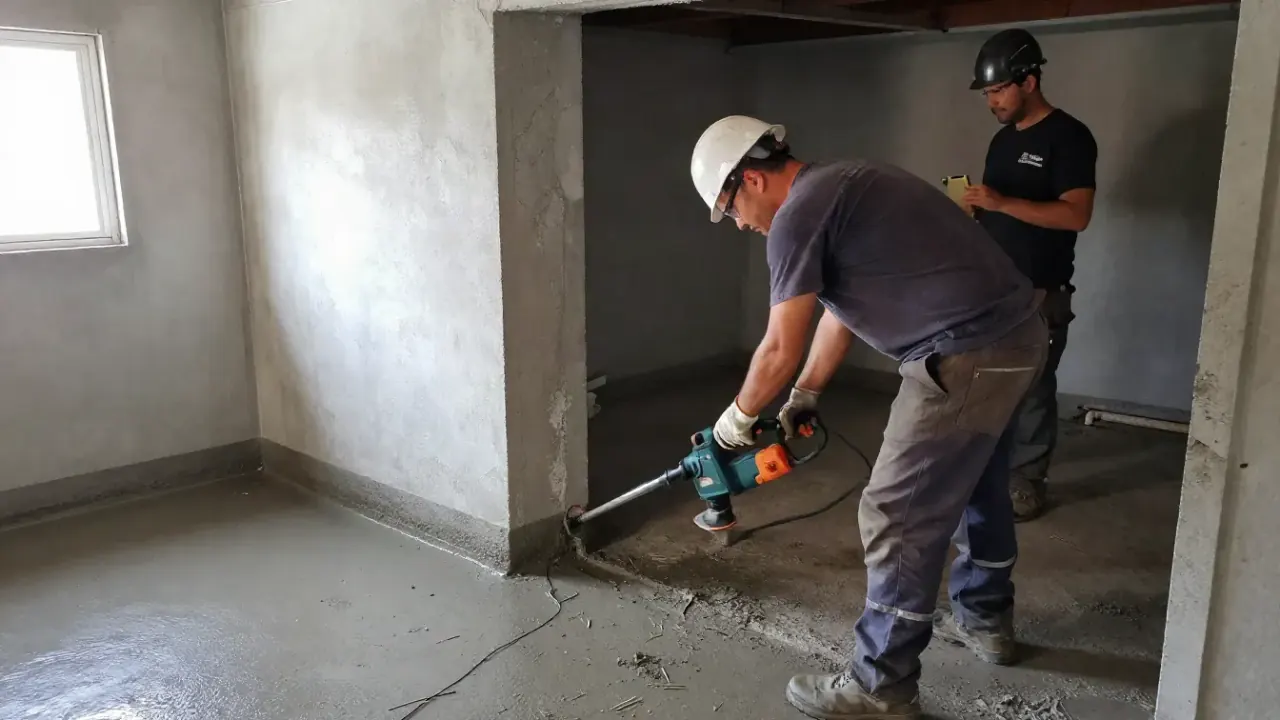
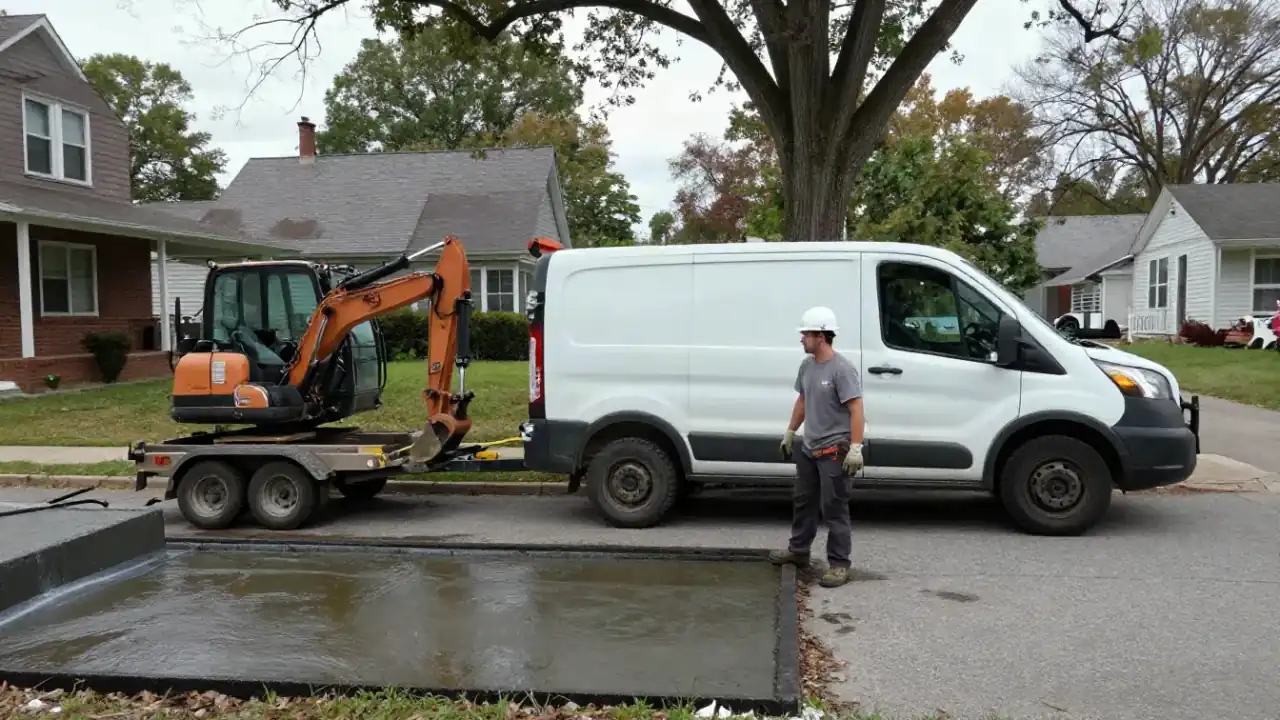
On installation day, we protect nearby belongings and mark the work zone. For interior drainage, a concrete saw opens a controlled strip along the slab; a trenching machine is used only when exterior excavation is part of the plan. We move or cover items with you, keep the access path clear, and remove concrete debris as the work progresses.
Protect items
Mark access
Prepare tools
Install and Connect
We set perforated drain tile in a washed gravel bed, connect it to a sump basin, and route the discharge pipe to carry water away from the foundation. Crack repairs use the selected injection material and ports. A common interior installation takes one to three days, depending on basement perimeter, access, and the number of repairs.
Install drainage
Seal entry
Connect pump
Test and Walk Through
We check the pump cycle, confirm that the discharge route is clear, and review repaired areas with you before cleanup is complete. If the system includes a battery backup sump pump, we explain its role during an outage. You receive practical maintenance points, including seasonal checks and what to watch for after heavy rain.
Test operation
Clean area
Review care
Tools and Repair Methods
Move across a circle, or focus it and press Enter, for an illustrative thermal view of the photograph.
Moisture meter
We compare readings across stained and dry areas to help locate damp masonry and distinguish a localized leak from broader humidity.
Hydrostatic pressure test kit
Where the diagnosis calls for it, we use test equipment to assess water pressure conditions affecting a foundation or drainage route.
Concrete saw
For interior drain installation, the saw opens a measured slab strip so we can access and install the drainage channel with controlled edges.
Submersible sump pump
A submersible sump pump sits in the basin and moves collected water through the discharge pipe; we test its float and cycle.
Crack injection port kit
Ports provide access for controlled injection into a prepared crack, helping direct repair material through the path where water enters.
Thermal views are illustrative, generated from the photographs.
Methods
Downspout extension kit
An extension carries roof runoff away from the foundation where the existing outlet releases water too close to the house.
Interior perimeter drainage
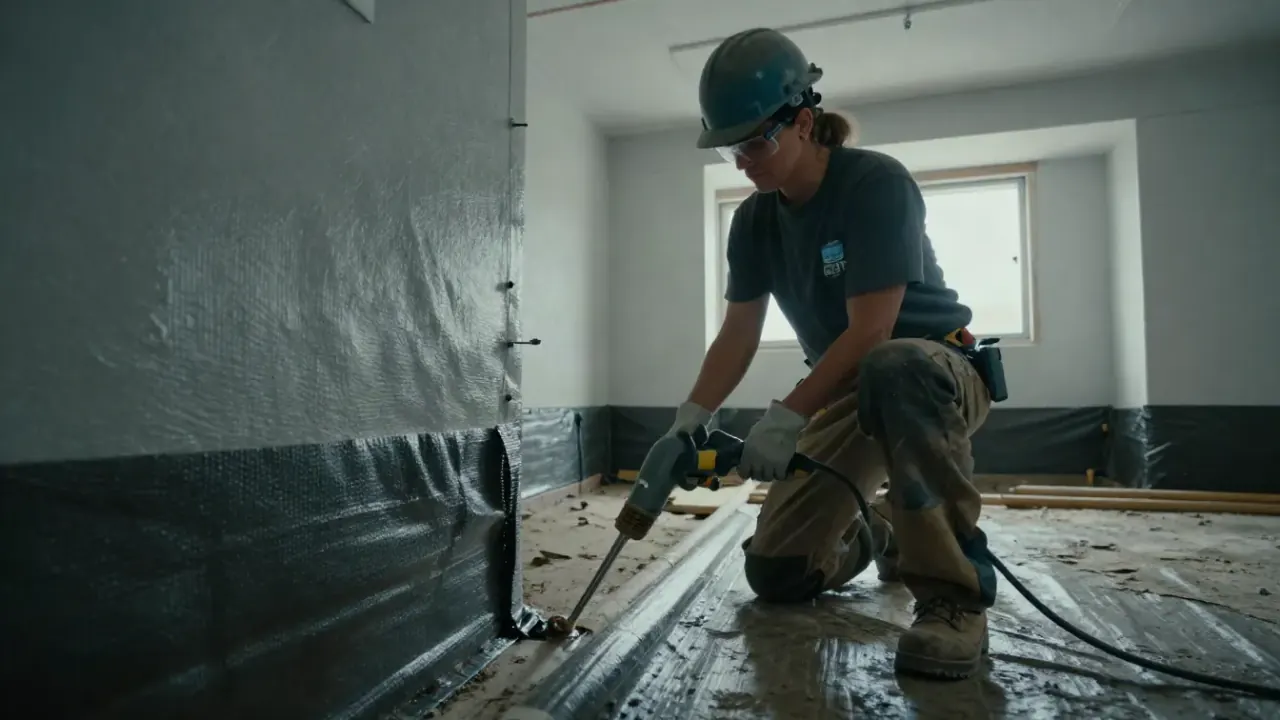
We open a controlled section of the slab beside the affected foundation wall, place perforated drain tile in washed gravel, and connect it to a sump basin. The channel collects seepage below floor level and routes it to the pump. We test flow and restore the opened concrete area after installation.
Crack injection repair
We clean and prepare the crack, set injection ports where the repair requires them, and select epoxy injection resin or polyurethane injection foam based on the crack and moisture condition. Material is applied in a controlled sequence. After curing, we review the repaired line and check for adjacent water paths.
Exterior membrane and drainage
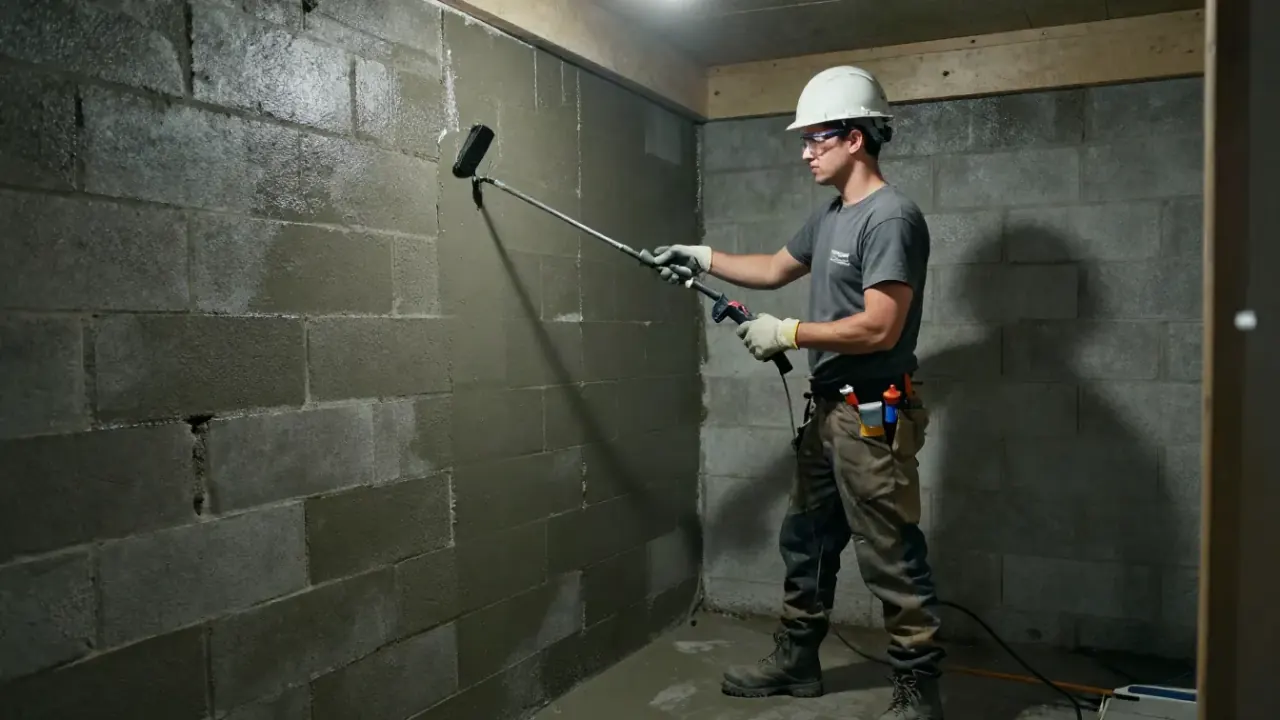
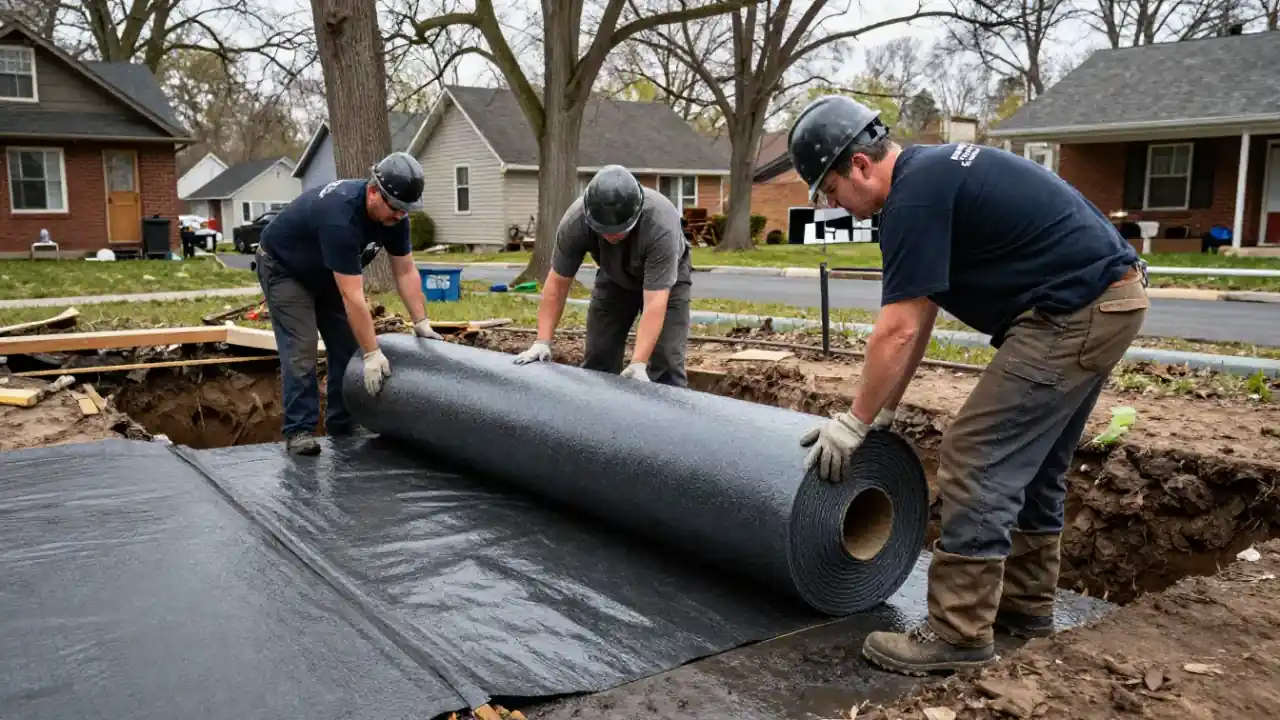
When the source is outside and access is appropriate, we excavate to the affected wall, prepare the masonry, and install a drainage membrane or foundation barrier. We coordinate the assembly with drainage at the footing, then backfill carefully. This prevents surface runoff from being mistaken for an interior-only problem.
Runoff correction
We assess where roof and yard water collect, then correct practical routes with grading or downspout extensions. Moving water away from the foundation reduces repeated soil saturation and complements crack or drain repairs. We check that the outlet does not simply create a new pooling area beside another part of the home.
When to Call for Basement Repairs
Rain seepage
A Warren basement develops a damp wall stripe after October rain and overnight temperature drops.
We trace the stain to a crack, wall joint, or surface runoff route, then check nearby downspouts and grading. If the crack is the entry point, we select an injection repair; if water collects along the wall, drainage may be needed. We explain the difference before work begins.
Outcome: You get a repair aimed at the actual entry route and a clear way to monitor the area after the next storm.
Pump failure
A sump pump stops during a power interruption while water is entering the basin.
We inspect pump power, float action, and discharge flow, then repair or replace the failed component. We test the system with water and explain backup options if outages and heavy rain occur together. We also check whether the basin is receiving water as expected.
Outcome: The pump is tested before we leave, and you know how the system responds when the basin fills.
Damp masonry
A homeowner finds efflorescence and musty odors along a basement wall each spring.
We check whether the white deposits follow active seepage, condensation, or both. A moisture meter and inspection of wall joints help us separate water entry from humid air. We then recommend the right mix of sealing, drainage, and moisture control for the observed conditions.
Outcome: You can address the source of the damp smell and avoid covering masonry that still has active moisture behind it.
Window well leak
A finished basement in Howland Center has wet carpet near a window well after a storm.
We inspect the well, cover, frame, and nearby grade, then check for clogged drainage or direct roof runoff. After correcting the water route, we explain which carpet and wall materials need drying or replacement. A well-fitted cover can reduce debris entering the well.
Outcome: The repair targets the window area that admitted water, helping protect nearby finishes from another storm-related leak.
Downtown WarrenHowland CenterBolindale
How We Work Across Warren Homes
Basement Waterproofing in Warren starts with the conditions around your particular foundation. October rain can saturate soil before winter freeze-thaw cycles begin, while spring snowmelt and heavy storms expose weak drain tile or poor yard grading. Older masonry and poured-concrete basements show different patterns, so we inspect wall joints, window wells, and sump discharge rather than assuming every damp basement has the same cause. We also look for clogged or buried downspouts that keep releasing roof water beside the house.
Our team serves Warren and surrounding parts of Trumbull County, including neighborhoods with varied lot slopes and foundation layouts. For a home with recurring seepage, wet basement waterproofing Warren OH may involve an interior channel and sump; a localized crack can call for injection instead. We check discharge routing and applicable Ohio Residential Building Code requirements for the work. Before installation, we explain access, concrete cutting, and the expected sequence, then test the system and walk you through its operation.
Downtown Warren: Older homes can have masonry walls and narrow side-yard access, so we check the exterior route and basement joints before choosing excavation or interior drainage.
Howland Center: Roof runoff and sloped lots can concentrate water near a foundation. We check downspout outlets and the low side of the yard as part of diagnosis.
Bolindale: Basement seepage after storms calls for inspection of wall-floor joints, sump function, and the discharge path before new coatings are considered.
Warren Township: Properties with longer rooflines may direct substantial runoff toward one side of the house. We look for pooling and adjust water routes where the layout allows.
Fall rain saturates soil before winter freeze-thaw cycles: Wet soil can press against foundation walls, then temperature swings stress cracks and joints. We inspect both the visible entry point and exterior runoff so a repair addresses the pressure source, not just the interior stain.
Older foundation walls show mineral deposits and damp joints: Efflorescence marks where moisture has moved through masonry, but does not identify the cause by itself. We check for active seepage, drainage failures, and condensation before selecting injection, drainage, or surface treatment.
We walk the basement and trace visible water marks with you.
We protect nearby items and prepare the agreed work area.
We test the repair, clean up, and review system operation.
From problem to finished result.
IllustrativeThe thermal view is generated from the photograph. It is not a measurement. Drag the handle, or use the arrow keys once it is focused.
Recurring Wall-Floor Seepage
Before: A Warren homeowner saw water along a 22-foot section of wall-floor joint after heavy rain. The carpet edge stayed damp, and stored boxes had to be moved before storms. The existing sump basin was present, but no interior collection channel connected the seepage to it.
After: We installed an interior drain channel along the affected 22 feet, connected it to the basin, and tested the pump with water. The route now carries seepage to the sump rather than across the slab. The homeowner could use the basement floor again without a recurring puddle at the wall.
The homeowner checks the basin monthly, listens for normal pump cycling, and keeps the discharge outlet clear. After major storms, a quick look along the repaired wall helps catch any new water route early.
Crack Leak Near Window Well
Before: A basement wall crack beside a window well left a damp stripe and white mineral residue. Rainwater collected in the well, and the nearby carpet edge was wet after storms. The homeowner had painted the wall once, but the stain returned.
After: We corrected the window well's water entry and repaired the identified crack with an injection method suited to the condition. We checked the surrounding masonry and runoff route, then reviewed the repair with the homeowner. The wall remained dry through subsequent rain checks.
Keep leaves out of the well and inspect its cover after strong winds. Check the nearby downspout outlet seasonally, and note any fresh dampness rather than repainting over a new stain.
Pump Failure During Heavy Rain
Before: A failed pump left about 1 inch of water across part of a utility-room floor during a storm. The float did not trigger the unit, and the discharge route had not been checked in years. Water reached stored items before the homeowner noticed.
After: We replaced the failed pump, corrected the float setup, and confirmed discharge flow with a water test. The system cleared the basin properly during the walkthrough. The homeowner moved vulnerable items off the floor and discussed adding a battery backup for outages.
Test the pump every few months by adding water to the basin until the float rises. Keep the discharge outlet open, check for unusual cycling, and arrange service if the pump runs continuously or fails to start.
Problems Addressed by Local Basement Repairs
Water in a Warren basement can start with a failed pump, a wall crack, or runoff collecting beside the foundation. Each source leaves different clues. We use those clues to choose the repair and reduce repeat seepage instead of masking stains or odor.
Wall seepageWater seeps through a foundation wall after heavy rainRepeated dampness can damage stored items, loosen coatings, and leave mineral deposits as water evaporates from masonry. We trace the wet area, check nearby grading and downspouts, and determine whether crack repair, exterior water control, or interior drainage fits. Once the entry route is addressed, we test the installed system and show you where to look after the next storm.
Floor jointHydrostatic pressure pushes water through the floor jointWater may spread across the slab, soak carpet, and keep the lower part of finished walls damp after rainfall. We inspect the wall-floor joint and existing drain tile, then install an interior collection channel where required. The channel routes seepage to a sump basin instead of allowing it to spread across the floor. We verify pump operation and discharge flow at completion.
Pump failureA failed sump pump leaves standing waterIf groundwater continues entering the basin, water can rise onto the floor and damage appliances, boxes, and finished materials. We check power, float movement, the basin, and discharge pipe to locate the failure. We repair or replace the pump as needed, then test it with water. If outages are a concern, we explain how a battery backup sump pump fits the existing setup.
Window leakageWindow well leakage leaves a wet carpet edgeWater can stain nearby walls and flooring, while leaves and sediment may block the well's drainage path. We inspect the well, frame, surrounding grade, and any nearby downspout outlet. We clear the identified obstruction, correct the entry route, and fit a window well cover where appropriate. This addresses the source instead of repeatedly drying the carpet.
A Basement That Works Better
Control seepage, protect stored items, and make basement moisture easier to manage.
Keep Water Moving Out
An interior drainage channel directs seepage toward a sump basin instead of across the slab. We size the discharge route to the pump and confirm that water exits away from the foundation. The result is a planned path for incoming water, not a wet/dry vacuum routine after every heavy rain.
Protect Finished Areas
If water has reached carpet, trim, or stored boxes, we address the entry route before you replace materials. A properly installed drainage system and tested sump pump help limit repeat exposure. We also flag moisture readings that deserve attention before new flooring or drywall goes in.
Reduce Damp Odors
Standing moisture and humid air feed musty basement smells. Our inspection separates active leaks from humidity problems, then pairs drainage or sealing with moisture control where appropriate. A crawl space dehumidifier serves a different area, so we select equipment for the space rather than treating every damp room alike.
See the Repair Clearly
We show you the crack, drain path, or grading issue and explain the proposed fix in plain language. Photos and a final walkthrough help you understand what changed. If a sump pump is part of the system, we demonstrate its operation and explain how to check it after storms.
What you receive
Clear records you can keep and share.
Photo notes
Images of affected areas and completed repair
Work summary
List of installed repairs and system parts
Test record
Pump or drainage checks completed during the visit
Care notes
Maintenance steps reviewed at walkthrough
Know Which Water Path Needs Repair
A surface coating, crack repair, and drainage system solve different problems; the water's entry route determines the right choice.
Surface Entry
Water reaches the wall from outside or through masonry.
Check runoff and grading
Inspect window wells
Consider exterior membrane
Crack Leakage
A defined crack provides a path through the foundation.
Assess crack condition
Prepare injection ports
Check nearby movement
Groundwater Pressure
Water collects below grade and enters at joints or floors.
Inspect drain tile
Route seepage to basin
Test pump discharge
Materials and systems
Drain tile
Washed gravel
Sump basin
Discharge pipe
Injection resin
Drainage membrane
Window well cover
Masonry sealer
Service ZIP codes.
A list like this tells people straight away whether you cover their street. Not listed? Call and ask: it only takes a minute.
Final cost depends on the length of drain tile, excavation access, pump requirements, and concrete restoration. We inspect the water source and explain the work and price before starting. A small, isolated leak is not priced like a full-perimeter system.
A stable foundation crack may need injection, while exterior water entry can call for membrane work and grading correction. We inspect the crack, runoff, and existing drainage first. No single coating or pump solves every cause.
Yes, a correctly matched system can control the water route and keep the basement drier when its components are maintained. We identify the entry point, install the specified repair, and test drainage or pump operation before wrapping up. Results depend on whether the actual source was addressed; a coating alone will not correct hydrostatic pressure or a failed drain tile.
A properly installed drainage system can serve for decades, while pumps commonly need replacement after about 7-10 years. Service life depends on water load, installation quality, power interruptions, and routine maintenance. We show you how to test the pump, keep the discharge clear, and spot new seepage. A crack repair and a mechanical pump have different maintenance needs.
Standing water, new wall stains, or a pump that will not start needs a clear diagnosis. Call Warren Waterproofing Pros at (555) 123-4567 to discuss the symptoms and arrange a basement inspection. We explain the repair and pricing upfront.
Tell us where water is showing up, how long it has been happening, and whether a sump pump or drain is involved. Call (555) 123-4567 during our weekday business hours, Monday through Friday, 8 a.m. to 6 p.m. We serve Warren, Ohio, and nearby communities, and will help you plan the right inspection for your basement or crawl space.