Basement window leak repair Warren OH for dry basements
Our basement window leak repair Warren OH service tracks water to its entry point and fixes the failed seal, frame, masonry, or window well. We help Warren homeowners and property managers facing seepage after rain, damp trim, or pooling beside a below-grade window. Our team checks the drainage path as well as the window, so you get a repair matched to the cause instead of another temporary bead of caulk.
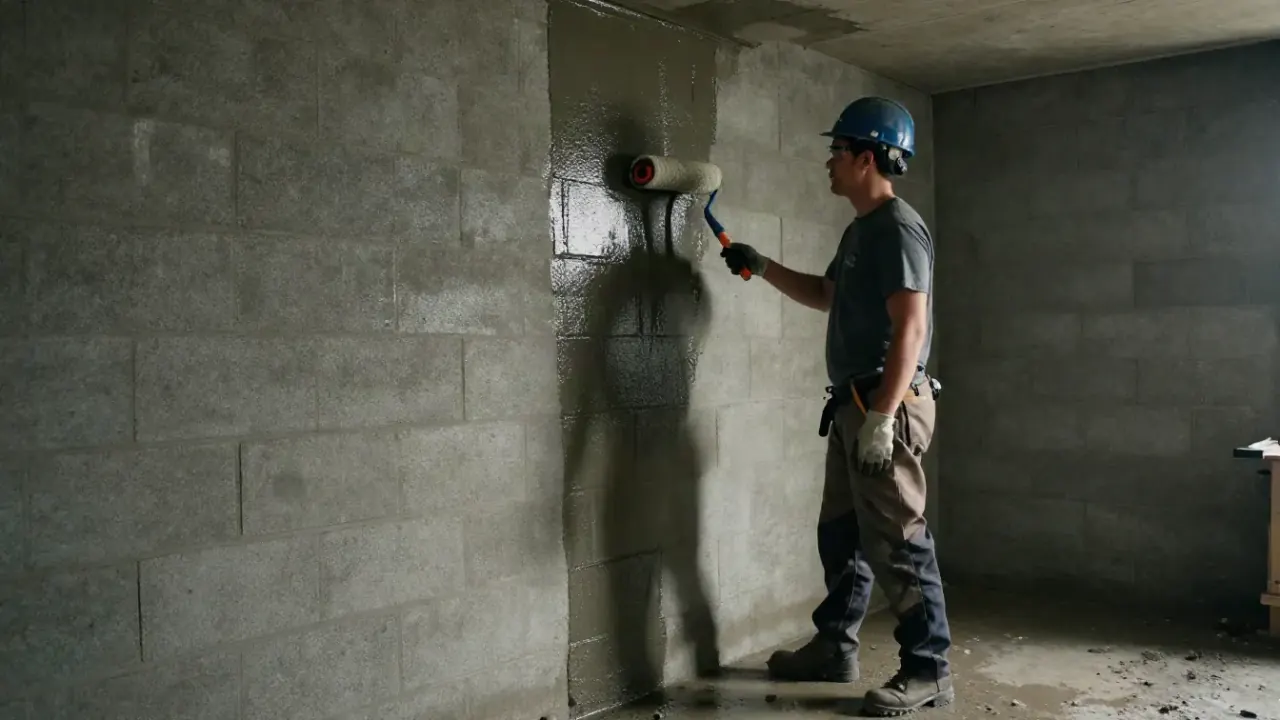
Protects work areaFloor coverings protect nearby finishes
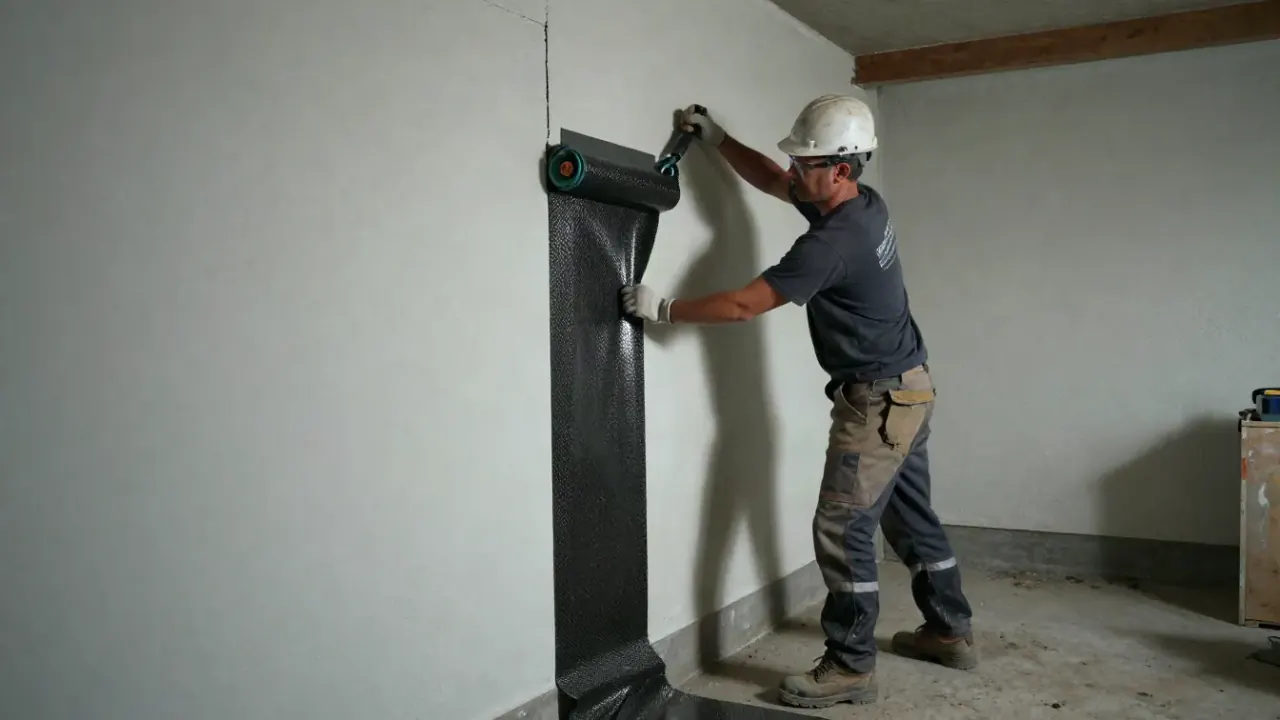
Checks full openingFrame, sill, masonry, and well
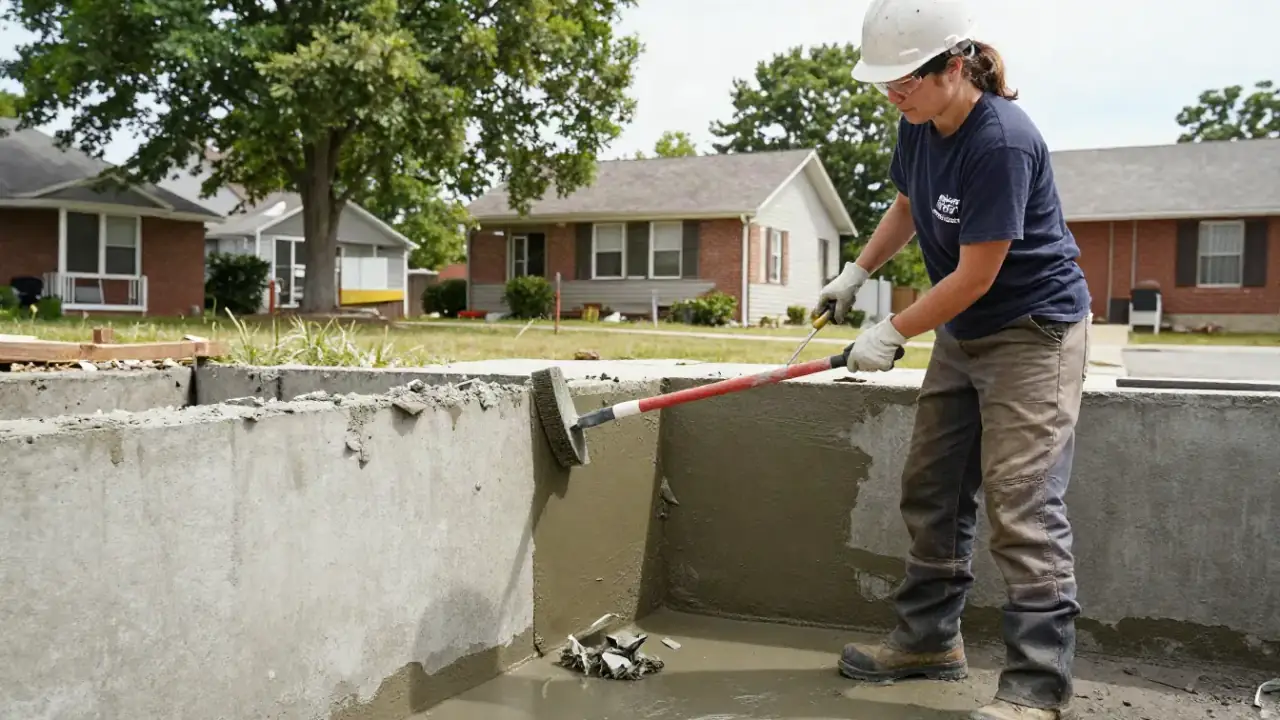
Explains repairShows the leak path and correction
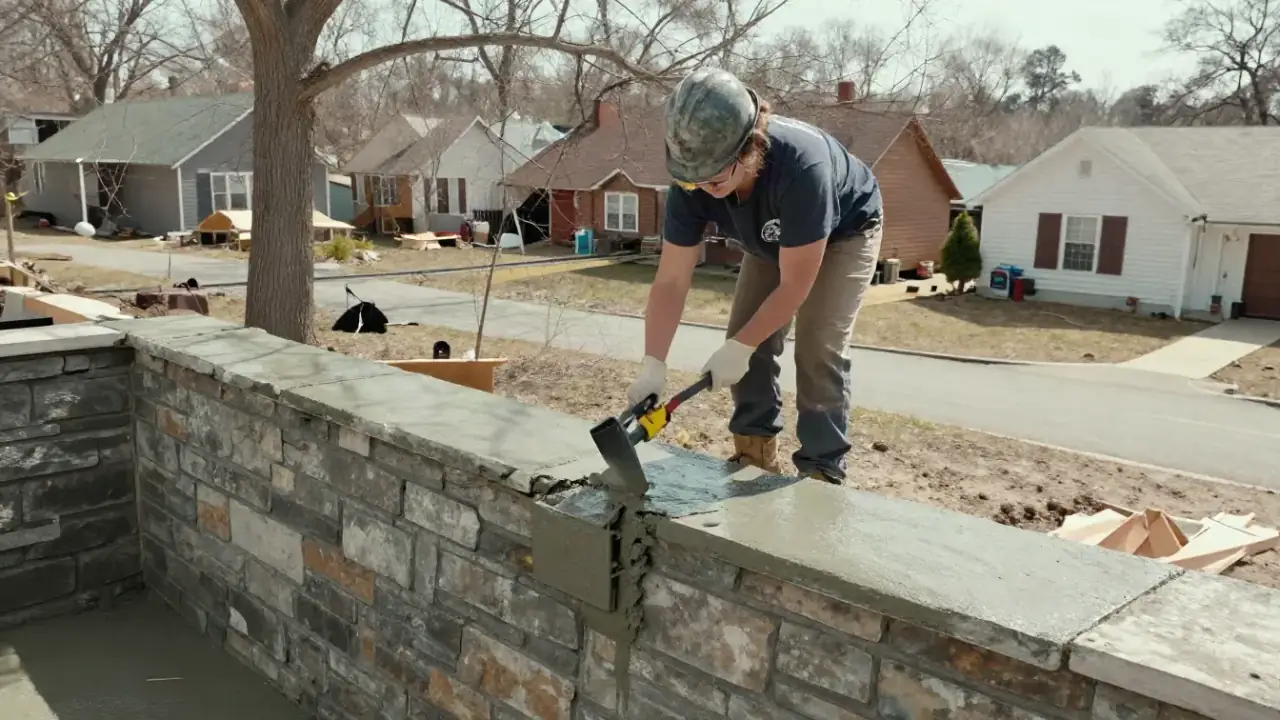
Reviews curingExplains product-specific waiting time
What basement window repair includes
A standard repair covers locating the entry path, preparing the affected surface, correcting the window or masonry defect, and checking drainage around the well. We explain any related work before proceeding. Extensive excavation, a new window, or a full foundation drainage system is a separate project when site conditions call for it; we do not treat those as automatic add-ons.
Opening inspection
We examine the sash, frame, sill, surrounding masonry, and interior staining. A moisture meter helps us identify damp areas and compare them with the visible leak track. You can point out when the water appears so we can relate the symptoms to weather and drainage.
Failed seal removal
Loose or split sealant is removed from the affected joint, and the surface is cleaned and prepared for a compatible replacement. We check the frame for movement before sealing so new material is not used to disguise a structural problem.
Masonry patching
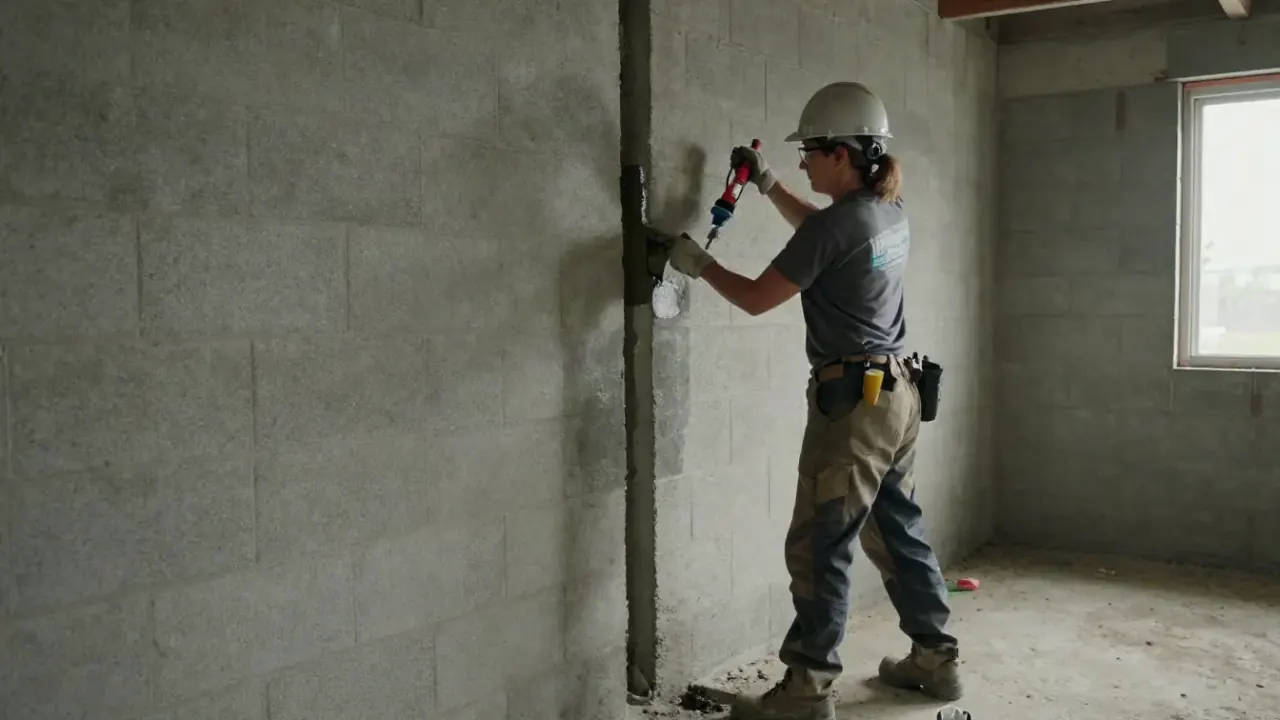
Where sound masonry has a localized opening, we remove loose mortar and patch the gap with a suitable repair material. We keep drainage routes open and explain curing time, particularly when cool or wet weather affects the work.
Well drainage check
We inspect the well for debris, standing water, a blocked outlet, and runoff entering from nearby surfaces. If the outlet is accessible, we clear or test it as appropriate and explain whether more extensive drainage correction is needed.
Water-path review
We finish by reviewing the repaired area and conducting a controlled water check when conditions allow. You see what was corrected, what to monitor during the next rain, and when the sealant or patch is ready for exposure.
Homes and businesses.
The approach is the same for a home and a business. What changes is the access, the schedule and who needs the paperwork.
Homes and rentals
We inspect your window, sill, and well to locate the water entry before repairing the failed joint or drainage path. You see what needs attention and how to care for the repair.
Rainwater below a basement window
Damp trim after snowmelt
Leaves blocking a window well
Managed properties
We help property owners trace window leaks, protect adjacent finishes, and document the repair for maintenance records. You receive a clear explanation of drainage findings and follow-up checks.
Tenant reports water near a window
Repeated wet carpet in lower-level rooms
Well drainage issues after storms
basement window leak repair Warren OH explained
A plain-language look at what Basement Window Leak Repair involves and when it is needed.
basement window leak repair Warren OH is a targeted foundation-window service that stops water entering through a failed window assembly or the surrounding well. We inspect the sash, frame joints, masonry opening, sill, and drainage before choosing a repair. Depending on the cause, work can include removing failed sealant, resetting or sealing the frame, patching masonry with hydraulic cement, or correcting a blocked outlet. A moisture meter helps us distinguish active wetting from old staining, and a controlled water test checks the repair path before cleanup.
Warren homes face repeated freeze-thaw cycles, spring storms, and summer downpours that expose gaps around below-grade windows. Soil pushed against a window well, clogged outlets, or downspouts discharging nearby can send water toward the foundation. Our basement window leak repair in Warren, Ohio addresses the source, not just the damp spot inside. If you are wondering how to fix a leaking basement window in Warren, start by noting whether water appears during rain, snowmelt, or even dry weather; that timing helps us separate runoff from plumbing or condensation.
A durable window repair addresses the entry point and the water collecting outside it.
What it is
Repair of a leaking basement window, surrounding joints, masonry, or related well drainage.
When needed
Water, damp trim, staining, or standing water appears around a below-grade window.
What to expect
Inspection, surface preparation, a targeted repair, and a water-path review.
How the repair works
Basement window leak repair in Warren follows a practical sequence: identify the entry route, prepare the opening, complete the correction, and test the result. We explain each step before work begins, keep the work area controlled, and tell you what to monitor afterward.
Trace the water
Our team starts with the window, surrounding foundation, and interior evidence. We check staining, efflorescence, loose sealant, frame movement, and the well outlet, then use a moisture meter to map damp areas. This first visit usually takes 30 to 60 minutes, depending on access and whether the leak is active. You can show us photos from the last storm and point out when water appears.
Inspect
Map moisture
Discuss symptoms
Check exterior drainage
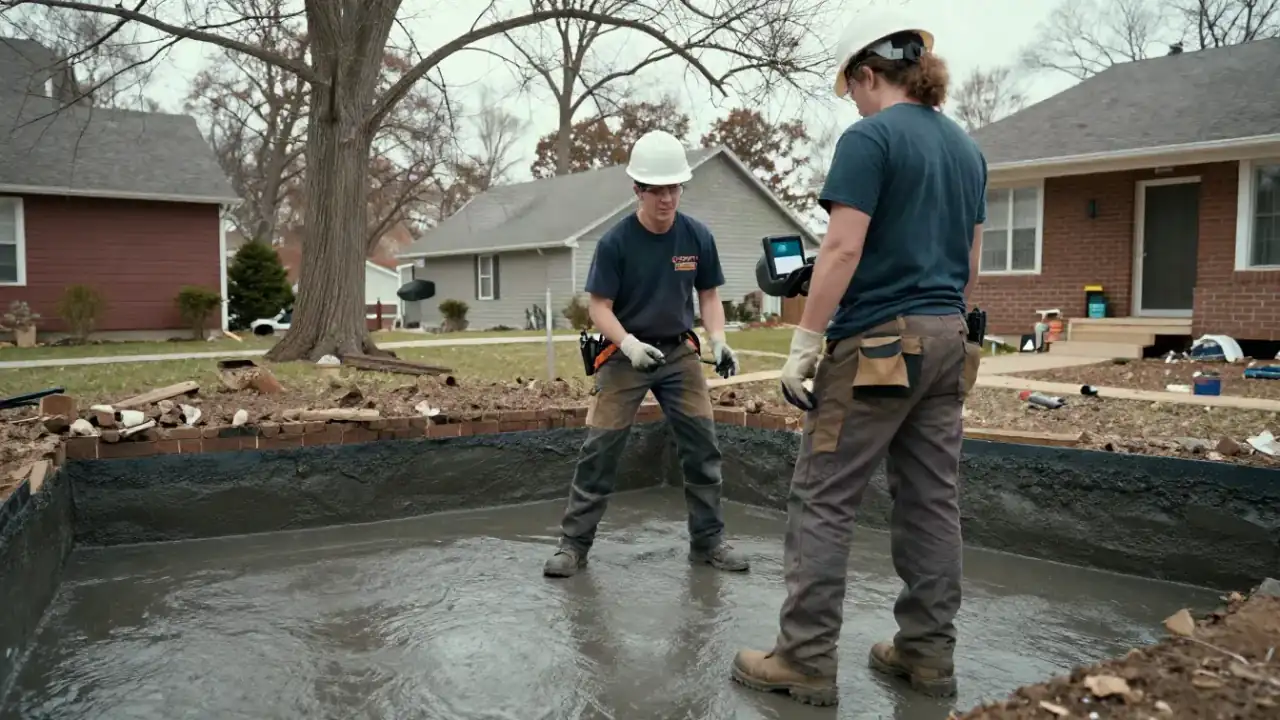
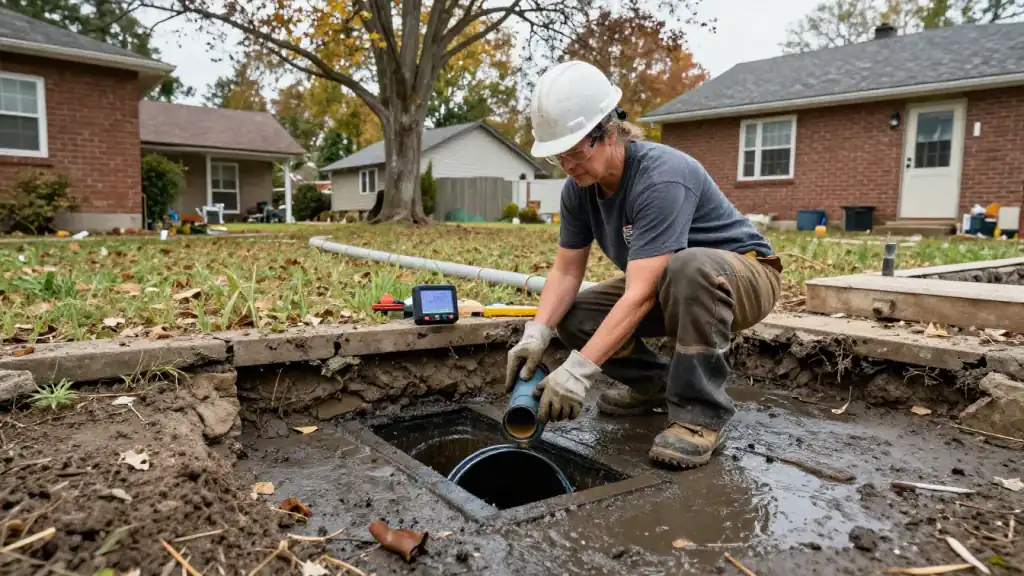
We clear safe access to the well and inspect its drain, gravel bed, cover, and nearby downspouts. If water is trapped, a drain snake helps identify a blockage without immediately disturbing the whole yard. We also look for poor grading or a buried outlet that directs runoff back toward the opening. You receive a plain explanation of whether the window or drainage is the main failure.
Check well
Trace runoff
Test outlet
Prepare the opening
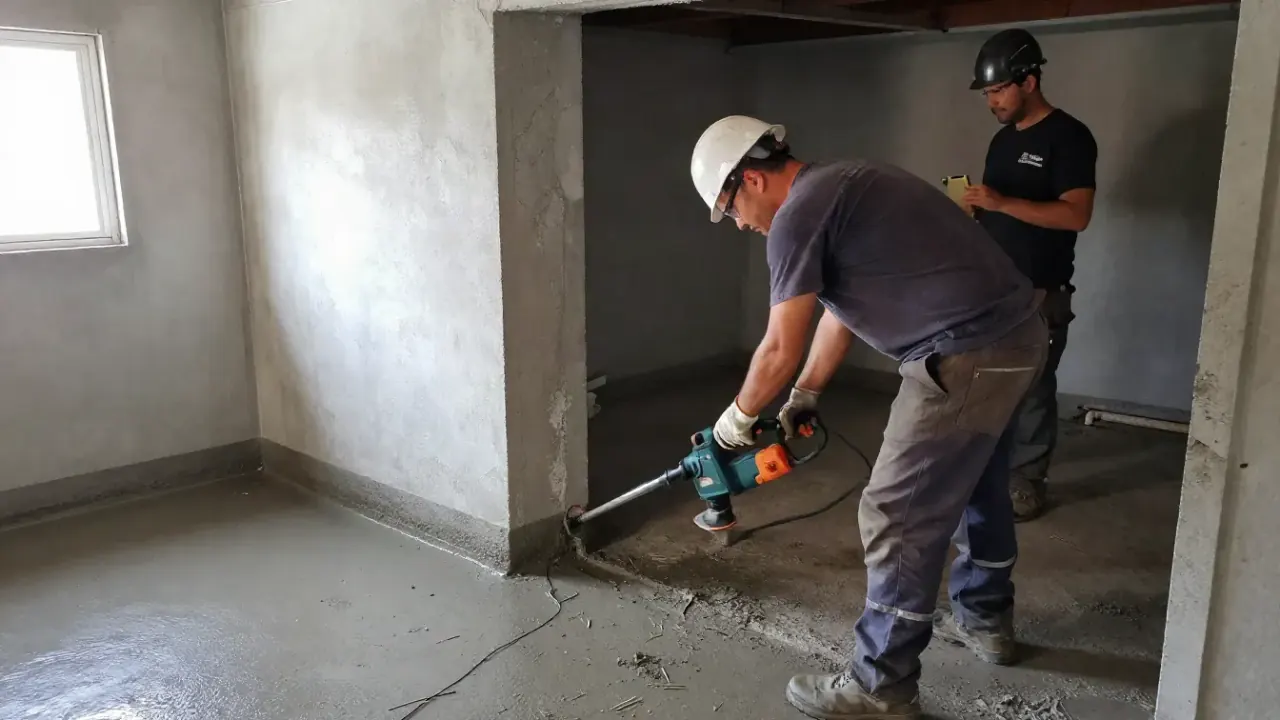
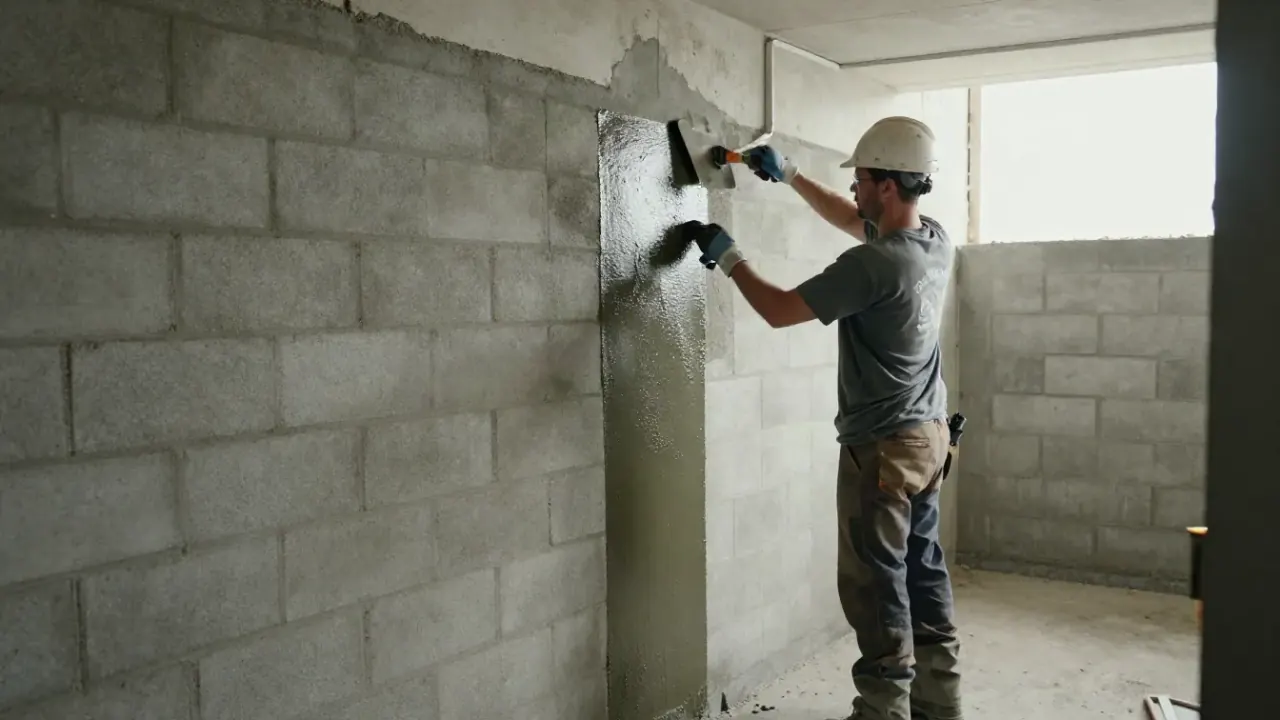
Before sealing, we remove loose caulk, debris, and unsound mortar so new materials bond to a clean surface. We protect nearby finishes and check that the frame is stable. Small masonry gaps can be patched with hydraulic cement; flexible frame joints call for a compatible sealant. Preparation often takes one to three hours, with the final duration set by the size and condition of the opening.
Clean joint
Prepare surface
Protect finishes
Repair and redirect
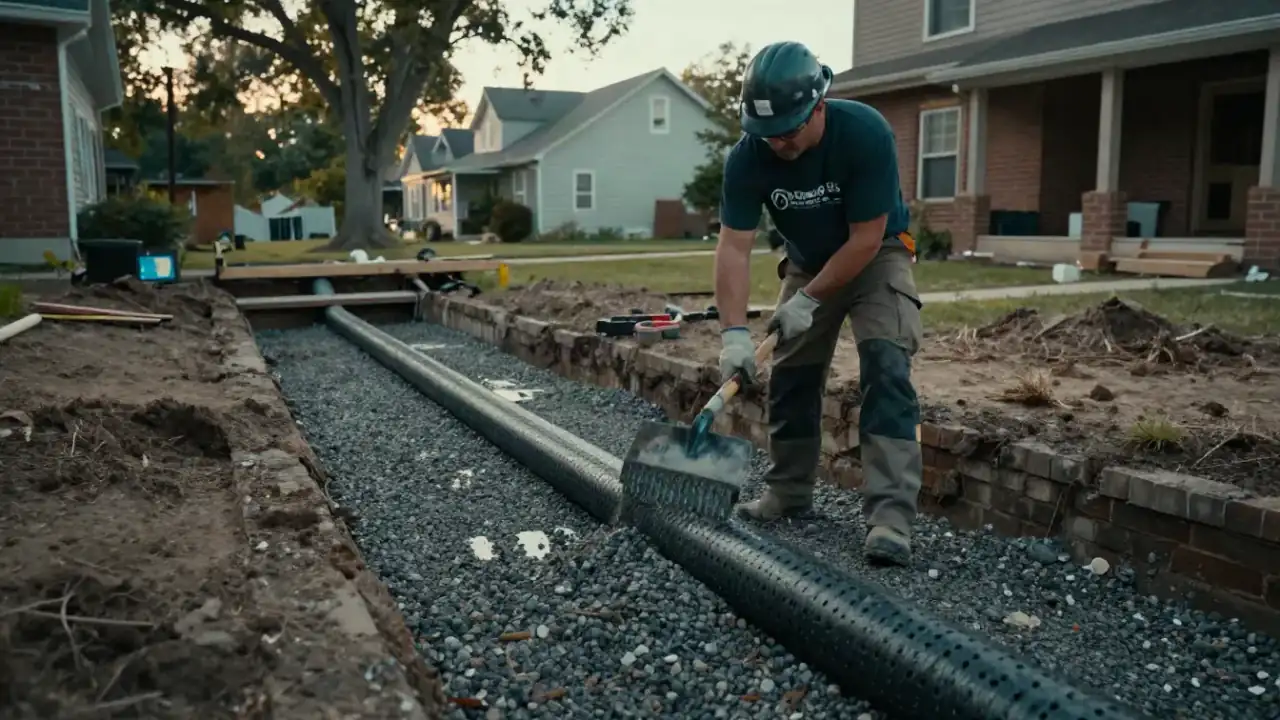
We complete the agreed window correction and address a failed well outlet or surface-water route when that work is part of the repair. If the well repeatedly fills, we may recommend a window well cover or drainage correction rather than relying on interior sealant. For a larger drainage issue, our team explains how a perforated drain tile and washed gravel system would connect to the site.
Repair opening
Address drainage
Keep route clear
Test and review
We inspect the repaired joint, confirm the well is not holding debris, and perform a controlled water check where conditions allow. Then we clean the work area and review curing time, ventilation, and follow-up checks with you. Most focused repairs take half a day or less; mortar and sealant cure times vary by product and temperature, so we explain the exact waiting period.
Review repair
Check water path
Explain care
Tools and repair methods
Move across a circle, or focus it and press Enter, for an illustrative thermal view of the photograph.
Moisture meter
We compare readings around the sill, adjacent wall, and interior finish to map dampness and help distinguish an active leak from an old stain.
Wet/dry vacuum
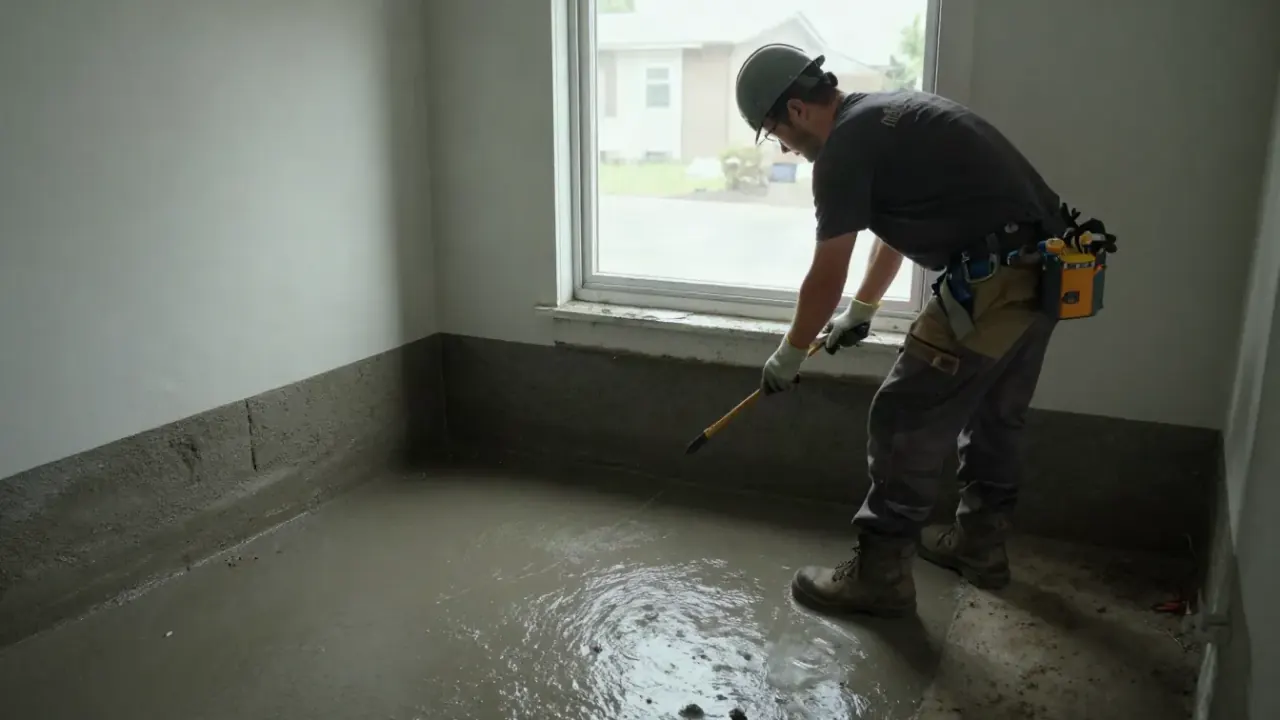
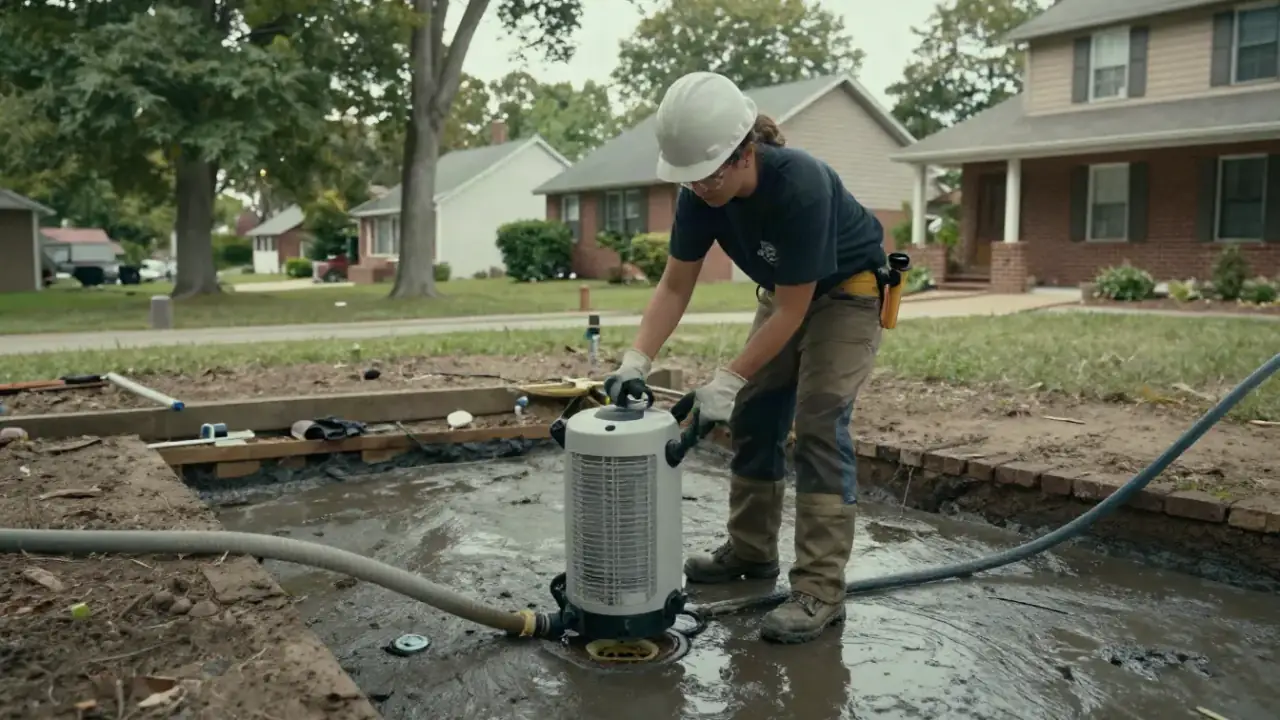
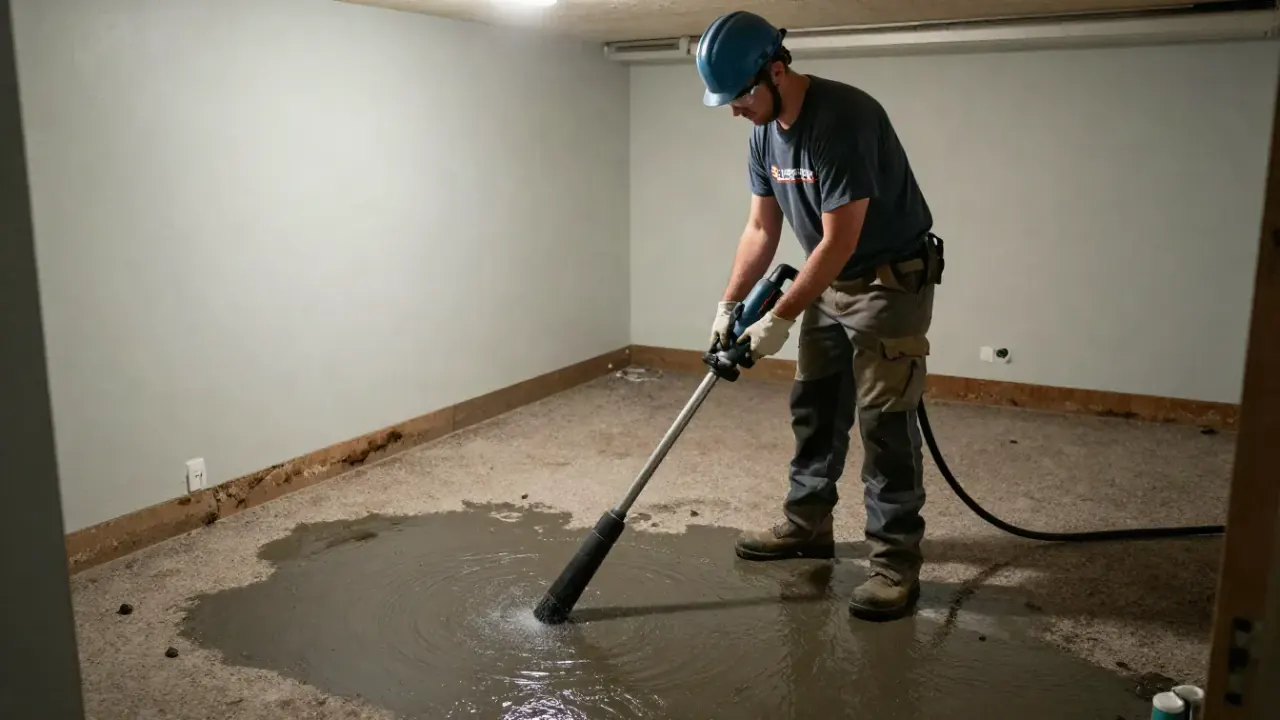
When a well or floor has standing water, we remove manageable surface water before inspection and repair, keeping the immediate work area controlled.
Drain snake
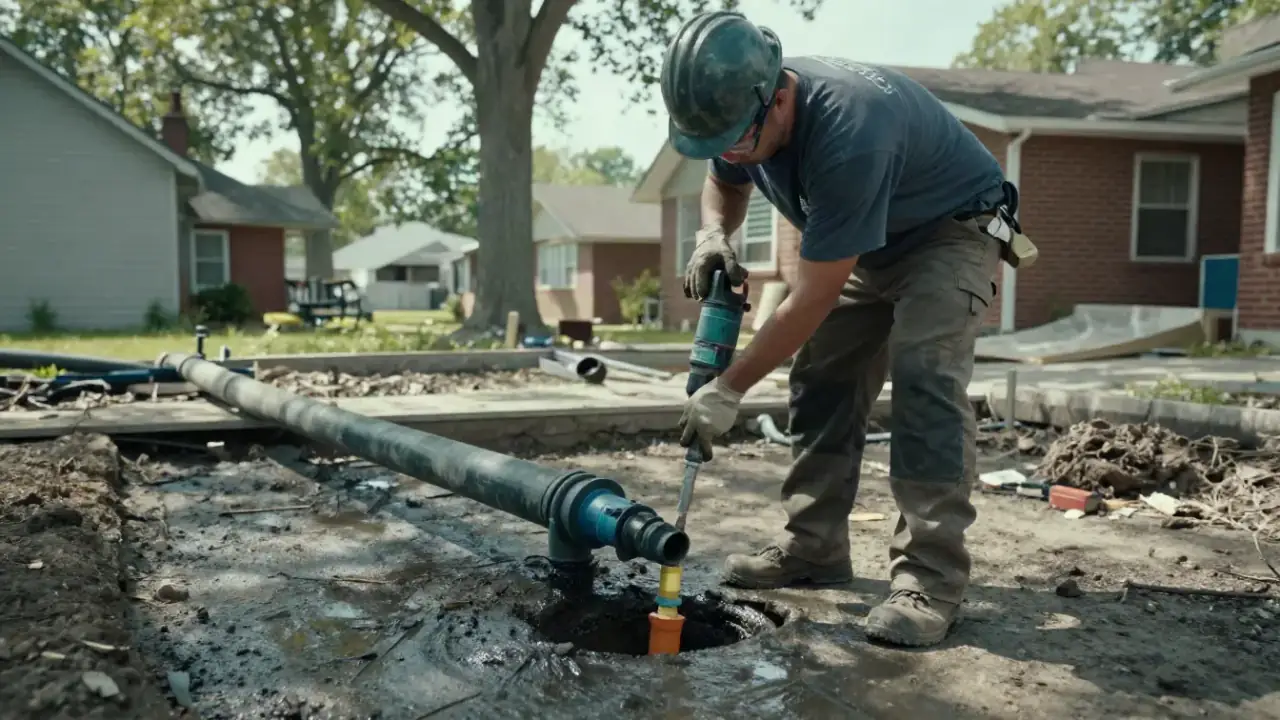
We use a drain snake to investigate an accessible blocked well outlet and clear suitable obstructions without assuming excavation is necessary.
Hydrostatic pressure test kit
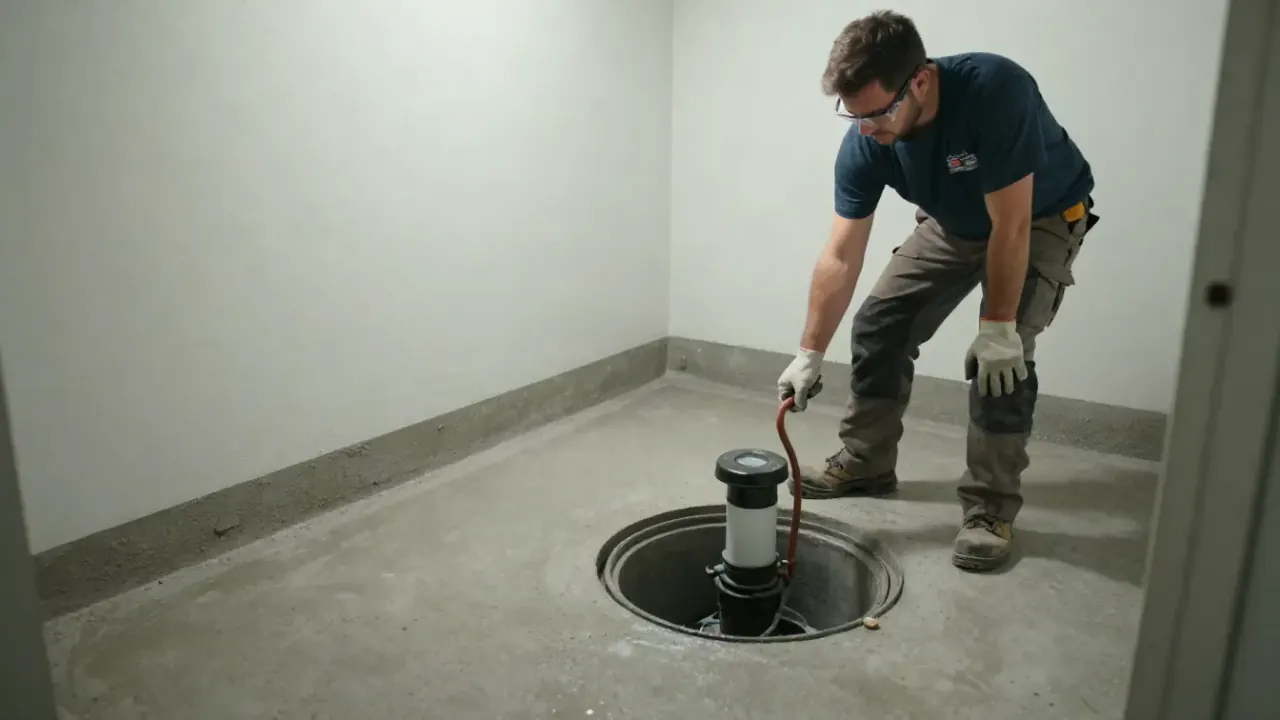
Zoeller sump pump
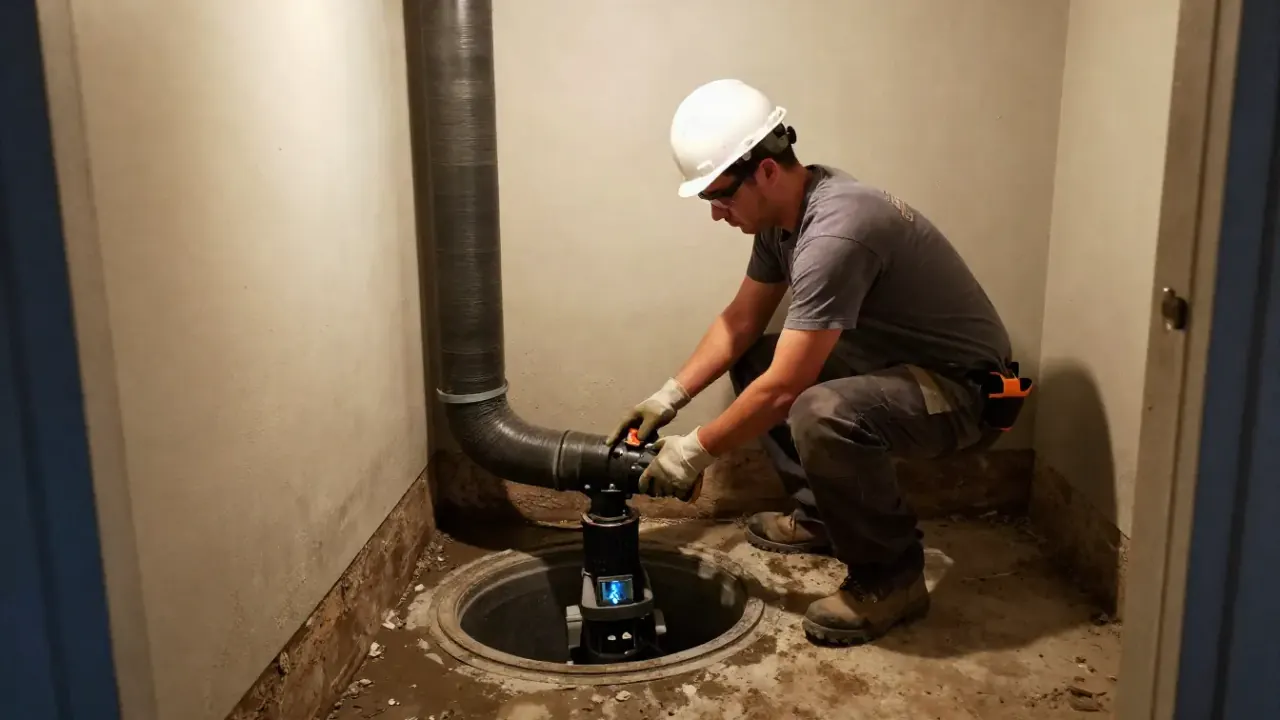
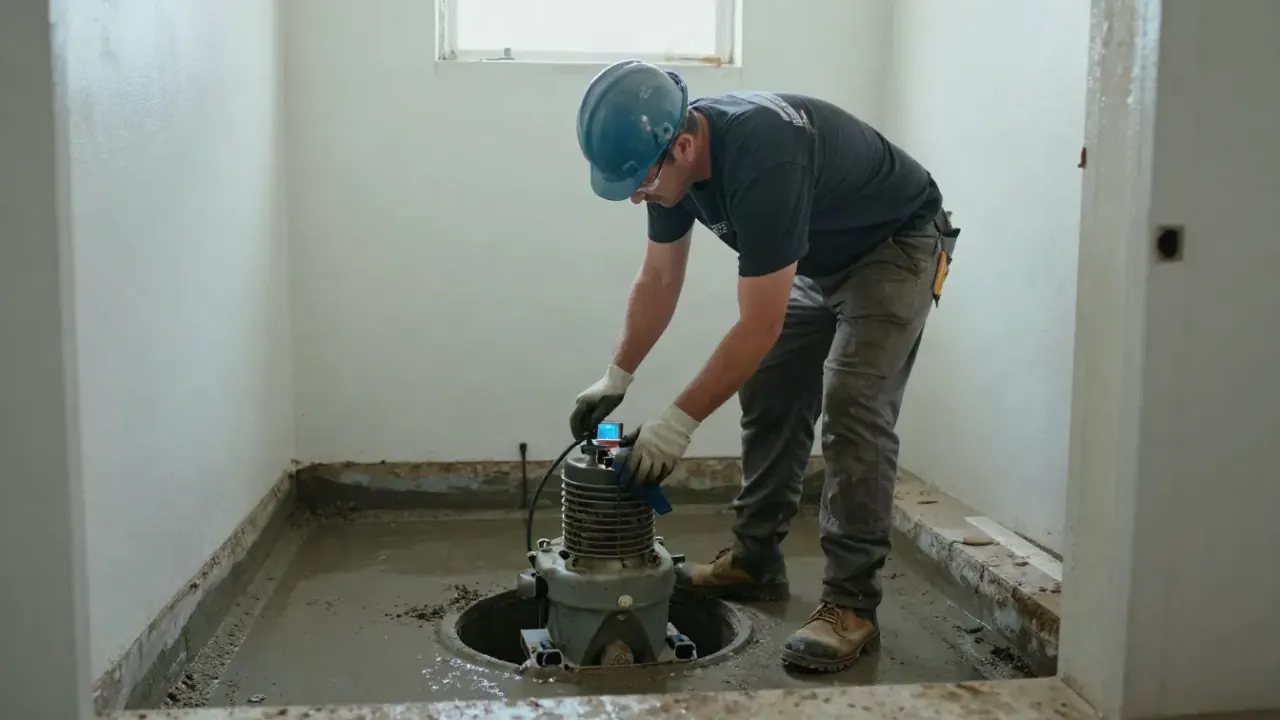
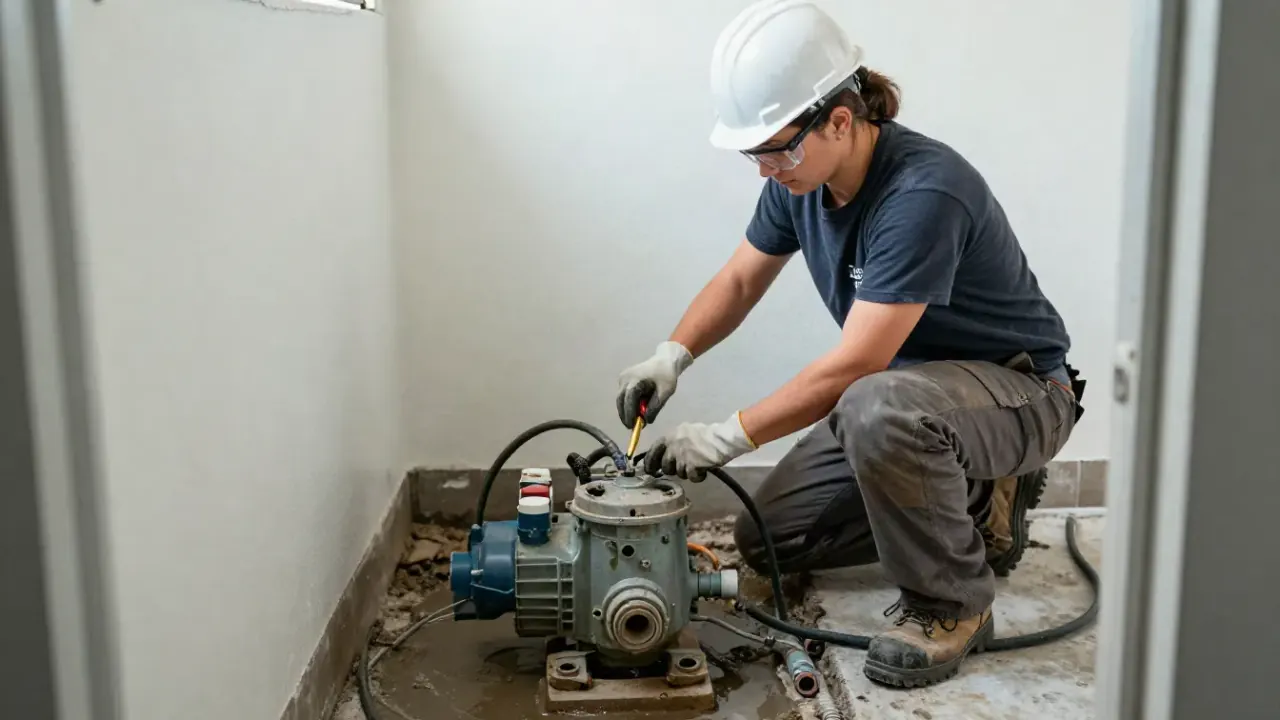
If an existing drainage system or sump basin is part of the water problem, we can assess how a Zoeller pump is operating and whether pumping is relevant to the repair.
Thermal views are illustrative, generated from the photographs.
Methods
Joint preparation and resealing
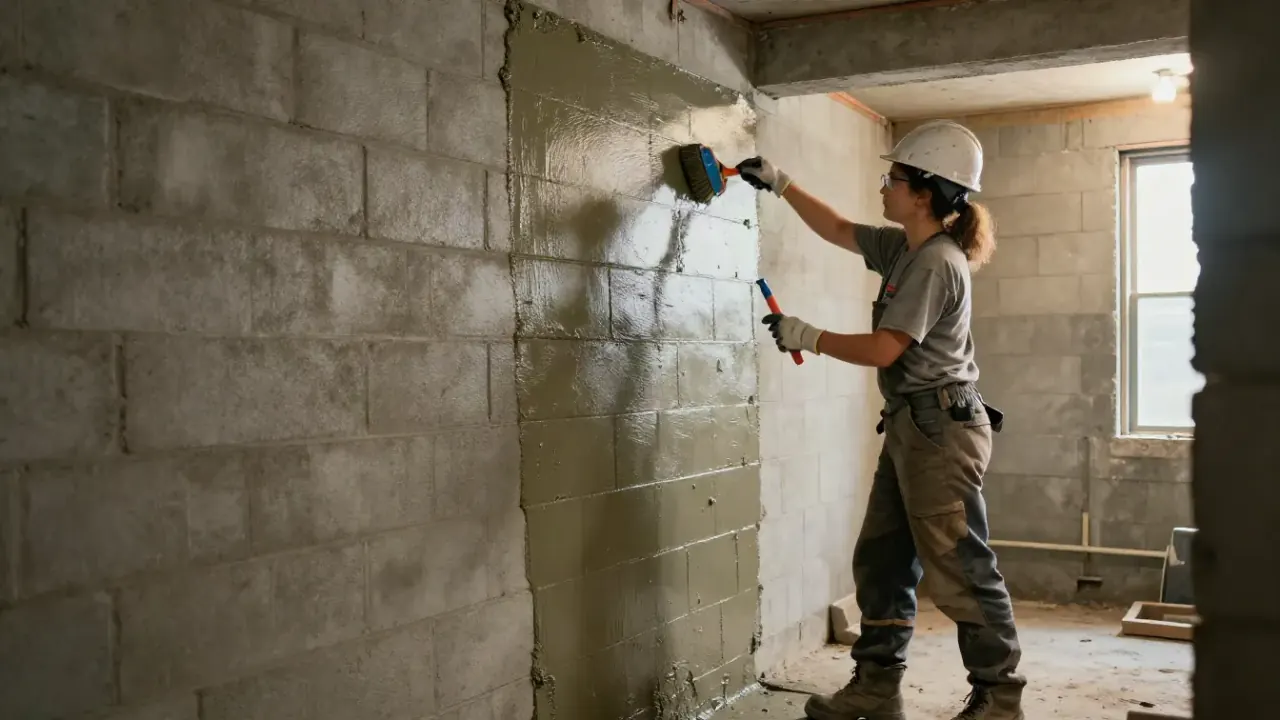
We remove loose sealant, clean the bond surfaces, and inspect the frame for movement before applying a compatible seal. The joint is shaped to shed water rather than hold it. We follow product temperature and curing requirements, then explain how long the area must stay undisturbed.
Localized masonry repair
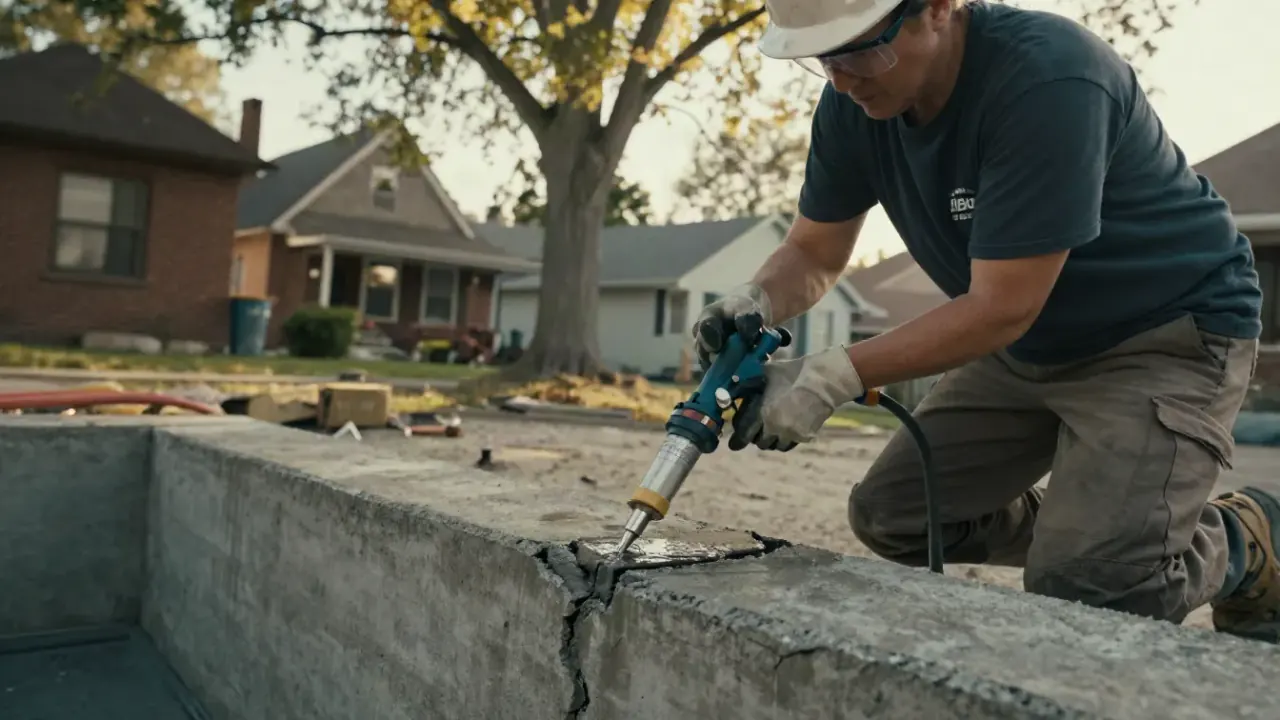
For a small, stable gap in sound masonry, we remove loose material and patch the opening with a suitable repair compound such as hydraulic cement. The patch is shaped to close the water route without blocking designed drainage. If the masonry is moving or extensively damaged, we identify that before patching.
Window-well drainage correction
We inspect the outlet, gravel, and surface runoff before deciding whether clearing, a cover, or a drainage correction will help. A well that repeatedly fills may need a properly routed drain rather than more sealant at the window. We explain how the selected correction moves water away from the opening.
Controlled water-path check
After repairs, we check the joint and surrounding surfaces, using a measured water application when safe and suitable. The purpose is to observe whether water follows the corrected route, not to flood the opening. We document remaining conditions and explain curing limits that affect testing.
When to call for window repair
Autumn well blockage
A Warren basement window leaks during autumn downpours while leaves collect in the well.
We inspect the frame joint, well outlet, and nearby downspout discharge. Our team removes debris from accessible drainage, repairs failed sealing, and discusses a cover if leaves repeatedly block the well. We check whether the yard directs surface water toward the foundation before recommending additional work.
Outcome: The opening has a repaired water barrier, and the well has a clearer drainage path. You know what to inspect after heavy rain and when seasonal debris needs removal.
Snowmelt runoff
Snowmelt leaves a damp sill in a lower-level room near a sloped driveway.
We follow the water route from the driveway edge to the well, then inspect the sill and masonry for entry points. If runoff is the driver, we explain a practical diversion or drainage correction alongside the window repair. We protect nearby finishes and test the corrected area where conditions permit.
Outcome: You get a repair aimed at both the window joint and the runoff feeding it. That reduces repeated dampness as melting snow and rain reach the same low spot.
Rental leak report
A rental property in Niles has a tenant report water and wet carpet after a storm.
We document the visible damage, check the window and well, and remove standing water from the immediate work area when needed. Our team identifies whether the leak is isolated or connected to broader basement flooding, then repairs the opening or drainage issue and provides practical follow-up notes.
Outcome: The property manager has a clear account of the cause and completed work. The tenant can use the room again once damp materials are dry and the repair has cured.
Older masonry opening
An older Warren masonry opening shows white deposits and peeling paint after several wet seasons.
We check the masonry, frame movement, and water track before disturbing old finishes. Where applicable, we use lead-safe work practices, remove unsound material, and patch or reseal the affected joint. We also verify the well can drain so rain is not repeatedly pressed against the repaired opening.
Outcome: The repair addresses the entry route instead of covering the stain. You receive guidance on drying and repainting only after the masonry and sealant have had time to cure.
Howland CenterBolindaleMorgandale
How repairs work in Warren
Basement window leak repair in Warren starts with the weather pattern and the construction around your opening. Fall leaf drop can block a well outlet, while winter freeze-thaw cycles widen weak mortar joints; spring rain and snowmelt then expose those failures. Older block and masonry openings need careful preparation, especially where previous caulk has been layered over loose material.
We check roof runoff, soil grade, and the well before choosing a repair, because a downspout extension kit or drainage correction may matter as much as the frame seal. For basement window well cover and drainage Warren Ohio projects, we match the cover and outlet approach to access, light, and water volume.
Work is planned to suit product temperature requirements and applicable Ohio Residential Building Code provisions. In Trumbull County, the same storm can affect neighboring properties differently because lot slope, compacted soil, and foundation depth vary. Tell us whether the leak follows a particular rainfall, snowmelt, or dry spell. That detail helps us distinguish runoff from condensation and target the repair.
Howland Center: We check whether sloped lawns and roof discharge feed below-grade wells, then address the window joint and runoff route together when needed.
Bolindale: Older masonry openings can show repeated caulk layers. We inspect the underlying mortar and frame before selecting a compatible repair.
Morgandale: Leaf buildup and seasonal debris can obstruct well outlets. We check drainage access and discuss simple upkeep after the repair.
Warren: Changing rain and freeze-thaw conditions test window seals and foundation joints. We look for water tracks that identify the actual entry point.
Freeze-thaw movement opens weak mortar joints around older basement windows: Water can enter through small gaps after temperatures rise, leaving stains or efflorescence inside. We remove loose material and use a repair suited to the substrate, while allowing the product to cure within its stated temperature range.
Heavy rain fills window wells beside sloped yards or downspouts: A well can collect runoff faster than its outlet drains, placing water against the window and foundation. We inspect grade, outlet access, and roof discharge so the repair addresses the water supply as well as the frame.
We walk through the leak location and explain what the inspection will cover.
We protect nearby finishes and prepare the window and well for inspection.
We review the repair, curing time, and follow-up checks before cleanup.
From problem to finished result.
IllustrativeThe thermal view is generated from the photograph. It is not a measurement. Drag the handle, or use the arrow keys once it is focused.
Blocked well after autumn rain
Before: A homeowner in Warren found water on the floor below a basement window after each strong autumn storm. The well held several inches of rainwater, leaves covered the outlet, and a split sealant joint left a visible track along the interior block. Repeated mopping kept the room usable but did not stop the next leak.
After: We cleared the accessible outlet, removed the failed joint material, resealed the frame, and checked the well with a controlled water application. The standing water drained within minutes during the test, and no new interior track appeared. The homeowner was shown how to inspect the outlet after leaf fall.
Remove leaves from the well monthly during fall and check the outlet after heavy rain. Keep nearby downspout discharge directed away from the opening, and call if water remains standing after debris is cleared.
Masonry gap at the sill
Before: A lower-level room in Howland Center had damp trim and white deposits beside a masonry window. Fresh caulk had been added more than once, but moisture returned after snowmelt. Inspection showed loose material at the sill joint and runoff collecting on the low side of the well.
After: We removed the unsound joint material, repaired the localized masonry gap, and discussed a surface-water correction for the low spot. The work took about four hours, including preparation and cleanup. After the product cured, the homeowner checked the opening during two rainfall events without finding a new damp track.
Keep soil and mulch below the sill and avoid piling material against the masonry. Check the repaired joint each spring for separation, and direct roof runoff away from the well.
Rental window after snowmelt
Before: A rental basement in Niles had wet carpet near a window after thawing snow. The tenant reported a musty odor, while the window frame looked intact. The well drain was slow, and a nearby downspout emptied close to the foundation, sending runoff toward the opening.
After: Our team removed manageable surface water, cleared the accessible drain obstruction, and resealed a small frame joint. We also identified the downspout route as a continuing source and discussed its extension. The property manager received clear notes and a follow-up checklist for the tenant.
Inspect the well at each seasonal turnover and after snowmelt. Keep the outlet clear, watch for damp carpet edges, and confirm the downspout sends roof water away from the foundation.
Problems solved by Warren window repair
A leaking basement window can mean more than a failed bead of sealant. We identify the source, explain what is feeding it, and match the repair to the condition so water does not keep damaging finishes or stored belongings.
Wall water trackWater runs down the wall below the window after stormsRepeated wetting can stain masonry, damage trim, and soak carpet edges. Mineral deposits may mark the path even after the surface dries. We inspect the frame perimeter and masonry opening, then check whether runoff or a full well is pushing water against the window. We remove failed material, patch soundable gaps, and correct the contributing drainage issue when part of the repair. A follow-up check confirms the visible water path has been addressed.
Full window wellThe window well fills and stays full after rainStanding water increases pressure at the opening and can overflow into the basement. Debris and compacted gravel can keep an otherwise sound well from draining. We inspect the outlet, well condition, and nearby grade, then clear an accessible blockage or recommend a suitable drainage correction. A fitted window well cover can reduce leaves and direct surface debris away. We also check where roof runoff lands so the repaired well is not overloaded.
Returning damp trimDamp trim returns despite fresh caulkRepeated caulking can trap moisture or hide a damaged joint without stopping water behind the frame. Damp finishes may deteriorate and develop a musty smell. Our team removes failed caulk and checks the frame, sill, mortar, and moisture pattern before resealing. If water enters from adjacent masonry or a clogged drain, we address that source instead of layering on more sealant. You receive clear curing instructions and a practical way to monitor the opening.
Masonry depositsEfflorescence appears beside a basement windowWhite mineral deposits indicate moisture has moved through masonry and left salts behind. Ongoing seepage can weaken surface finishes and signal an unresolved entry route. We trace the deposit to the frame, masonry joint, or surrounding foundation and check exterior water conditions. After correcting the entry point, we explain how to clean the surface safely and when it is ready for finish work. If a wider wall crack is involved, we identify that related repair.
Practical results for your basement
Stop the entry path and reduce repeat water damage around your basement window.
Stop repeat seepage
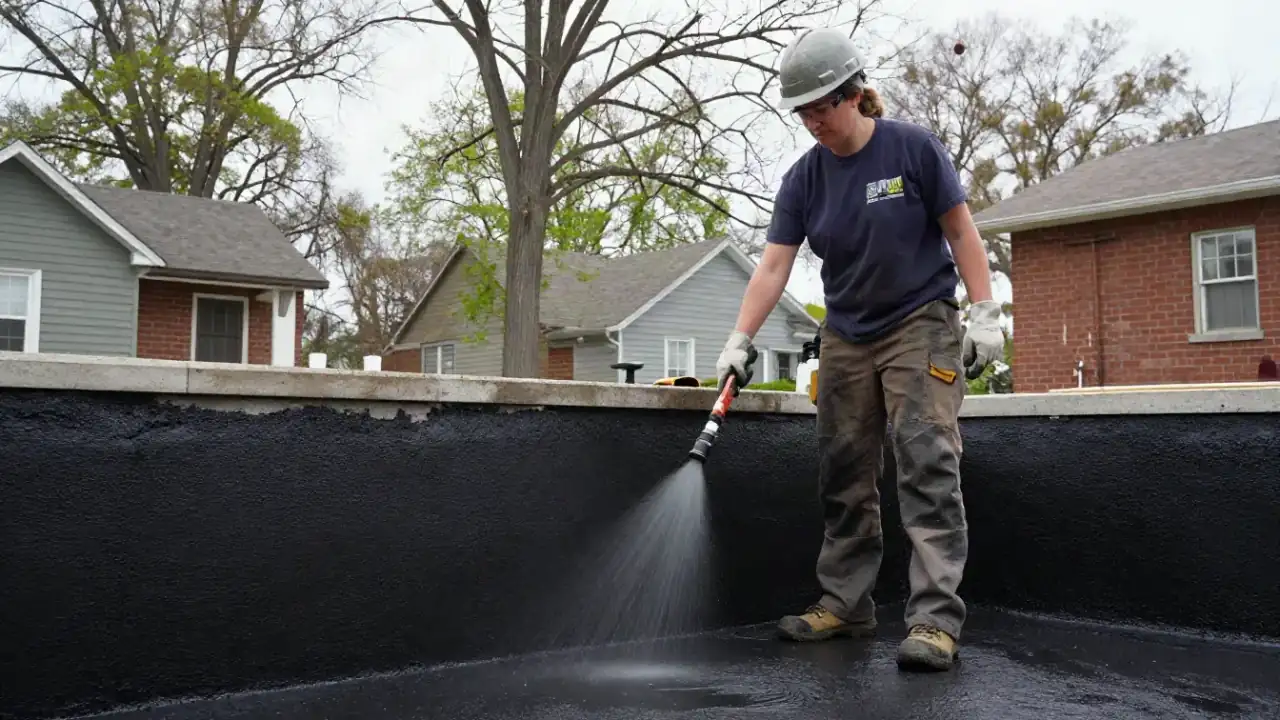
We trace water to the frame joint, masonry, or window well rather than covering the visible stain. A properly prepared joint and compatible masonry waterproof sealer reduce the chance of water returning through the same opening. You also learn which exterior conditions to watch after a storm, such as standing water or soil sloping toward the well.
Protect finished rooms
A leaking opening can soak trim, drywall, carpet edges, and stored belongings. We remove standing water with a wet/dry vacuum when needed, then address the leak path before you replace finishes. The repair helps limit repeated cleanup and reduces damp conditions that contribute to musty odors.
Restore well drainage
When the well holds water, sealing the window alone will not solve the problem. We check the outlet, debris load, and surrounding grade, then recommend drainage correction where needed. A window well cover can keep leaves and runoff out while preserving safe access and light.
Get a clear repair plan
You see what failed, what we will repair, and what conditions affect the result. We explain whether the opening needs resealing, a masonry patch, a cover, or a drainage correction. That distinction helps you avoid paying for a broad interior repair when a focused window fix is enough.
What you receive
Clear records you can keep and share.
Photo record
Images of the affected opening and completed repair
Work summary
Notes on repairs completed and materials used
Care notes
Curing guidance and routine drainage checks
Test notes
Observations from the post-repair water check
Seal failure or drainage failure?
A dry frame joint cannot keep a full window well from overflowing; the repair must address the source feeding the opening.
Frame entry
Water passes a failed seal or loose frame joint.
Split or missing sealant
Damp track at frame edge
Repair the prepared joint
Masonry entry
Water moves through a gap or damaged material around the opening.
Loose mortar or cracks
Efflorescence near sill
Patch stable masonry
Well overflow
Water collects outside because drainage or runoff overwhelms the well.
Standing water after rain
Debris at the outlet
Clear or correct drainage
Repair materials
Hydraulic cement
Masonry sealer
Sealant
Washed gravel
Drain tile
Well cover
Drain snake
Moisture meter
Service ZIP codes.
A list like this tells people straight away whether you cover their street. Not listed? Call and ask: it only takes a minute.
A basement window in Warren, OH most often leaks through a failed frame joint, cracked surrounding mortar, or a window well that cannot drain. Heavy rain and snowmelt expose those weak points, while downspouts or poor grading can add runoff. We inspect inside and outside, check for efflorescence and standing water, and compare the leak timing with weather. If water appears even during dry conditions, we also look for condensation or another source.
The total depends on access, window size, masonry damage, excavation, and whether the well outlet is blocked. We identify the cause and explain the work and upfront price before starting. A simple joint reseal is usually less involved than replacing a drain run or rebuilding a damaged well.
You can reseal a small, accessible frame joint yourself if the frame is sound and the well drains freely. Clean and dry the joint first, use a compatible exterior sealant, and follow its temperature and curing instructions. Caulk will not fix a blocked outlet, cracked masonry, or water pressure behind the wall. If leakage returns after one storm or water pools in the well, have the drainage path inspected before applying another layer.
Yes, a window well can contribute to leaks when its drain is clogged, its gravel is compacted, or runoff collects against the window. A properly installed well does not automatically cause a leak; maintenance and drainage determine whether water can escape. We check the outlet, grade, cover, and frame connection. A window well cover and drainage correction can help keep leaves and surface water out while preserving access to the window.
Tell us what you see, when the leak appears, and whether water stands in the well. Our team will help identify the next step for your Warren property. Call Warren Waterproofing Pros at (555) 123-4567 to arrange an inspection.
Tell us where water is showing up, how long it has been happening, and whether a sump pump or drain is involved. Call (555) 123-4567 during our weekday business hours, Monday through Friday, 8 a.m. to 6 p.m. We serve Warren, Ohio, and nearby communities, and will help you plan the right inspection for your basement or crawl space.