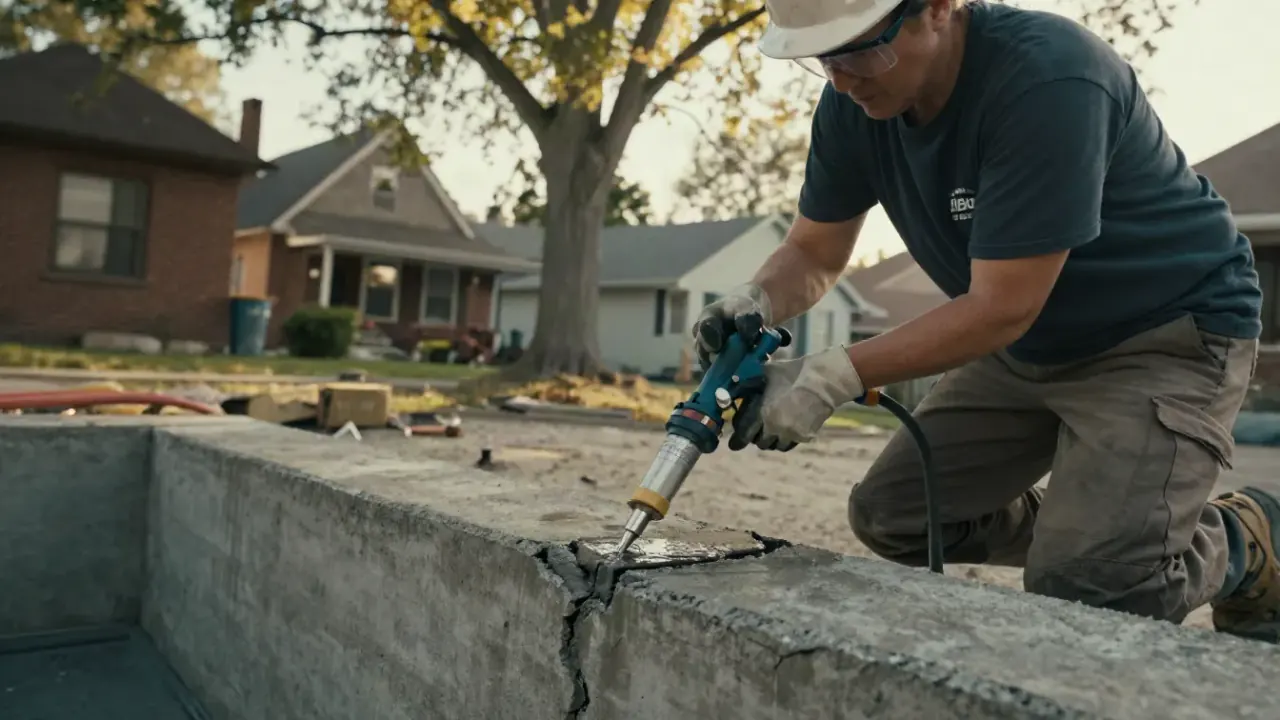
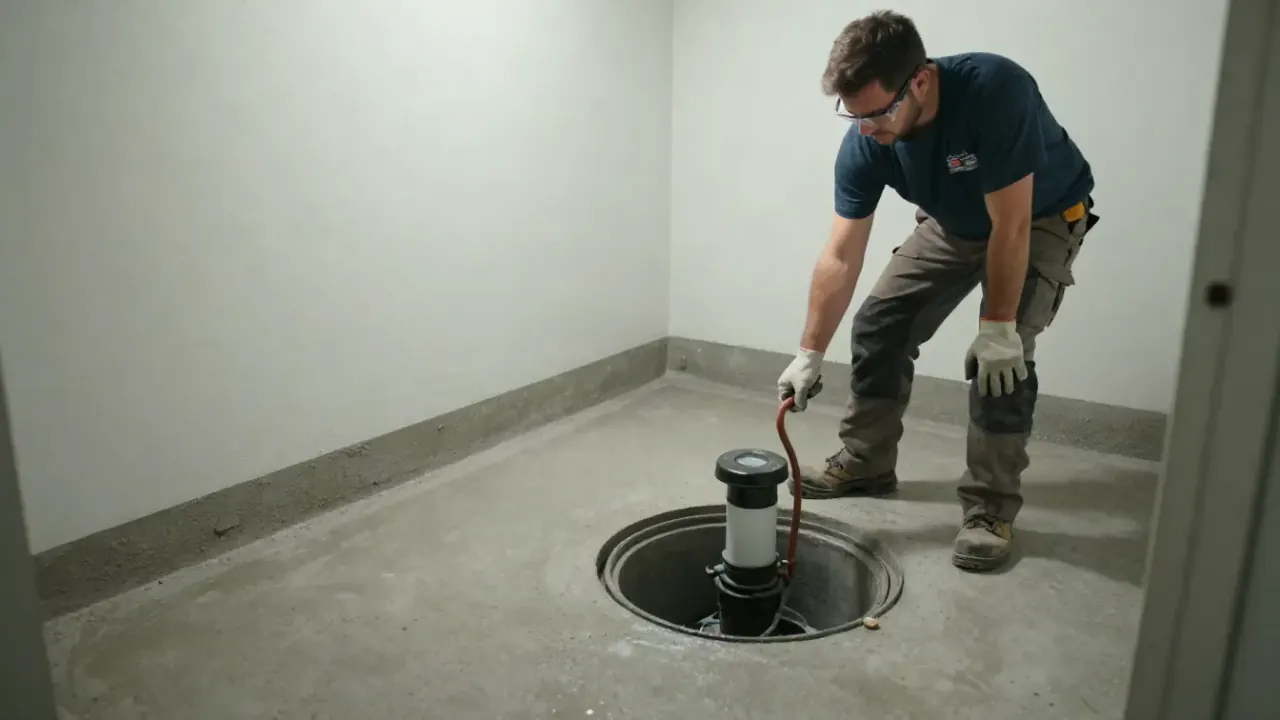
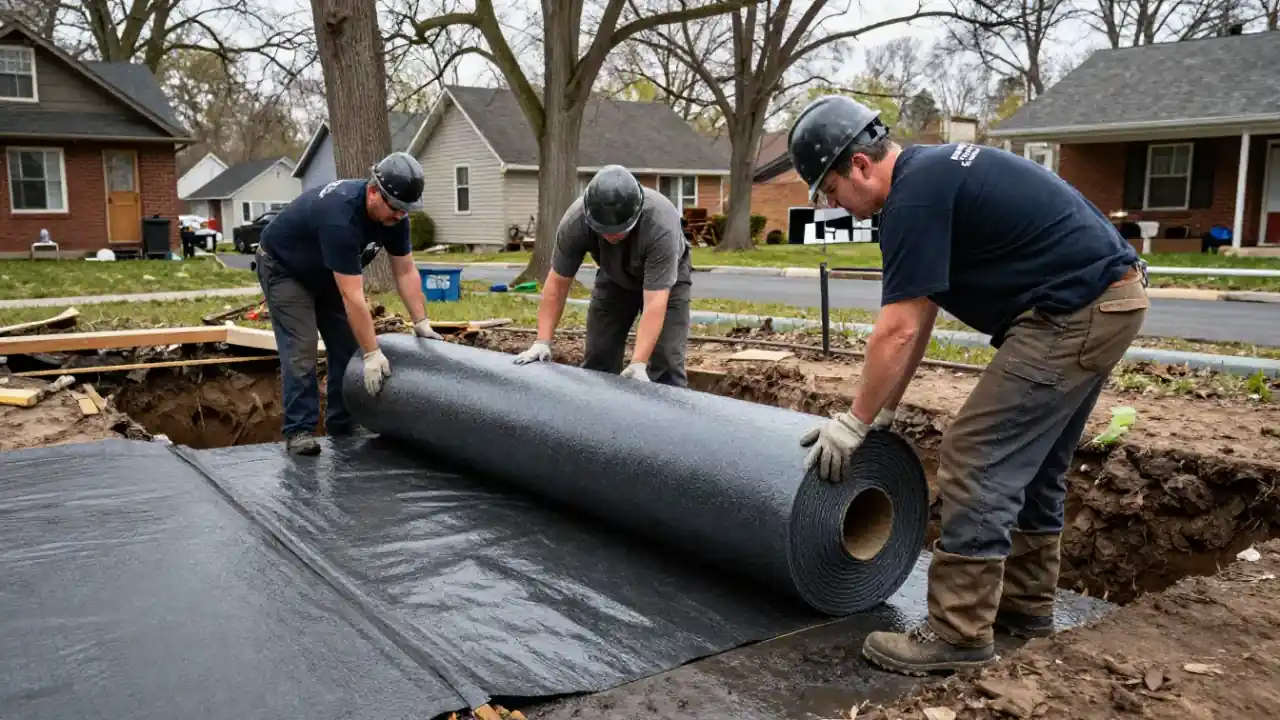
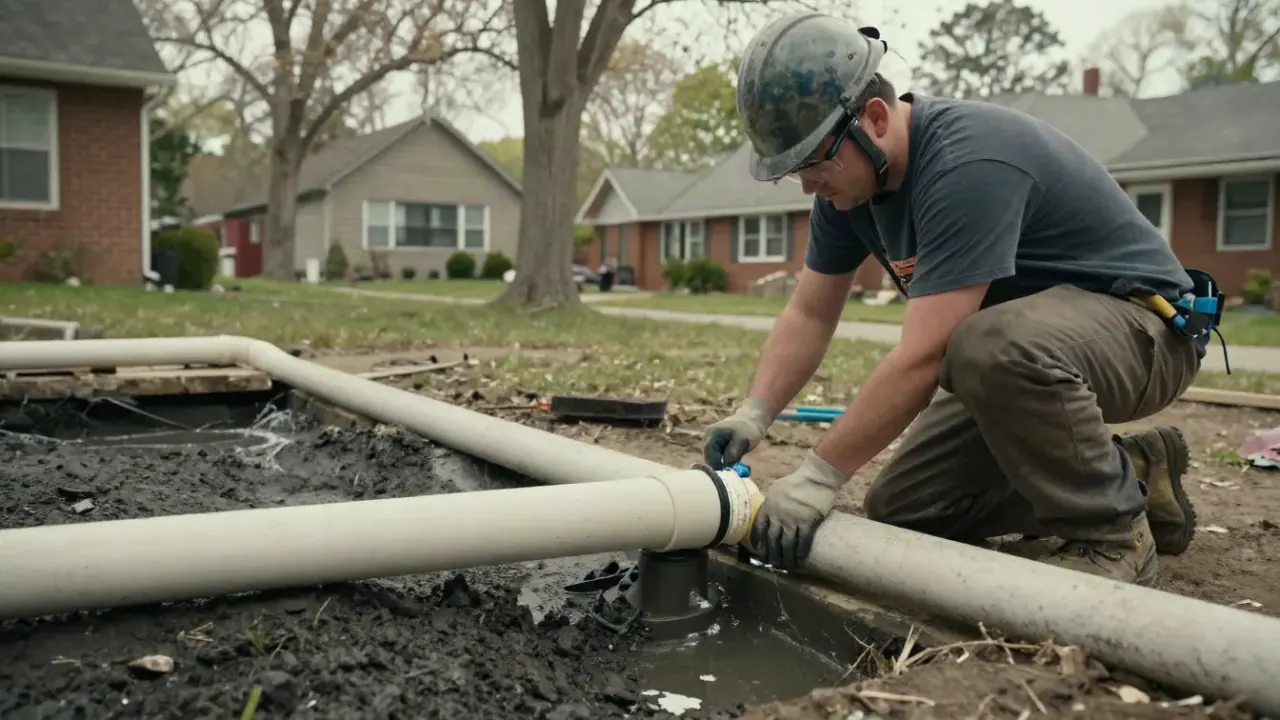
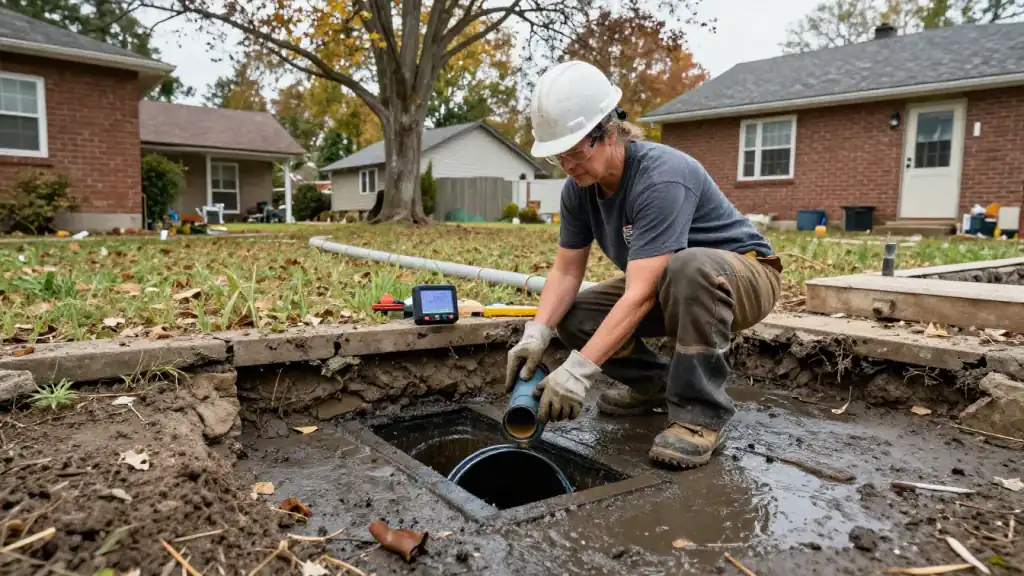
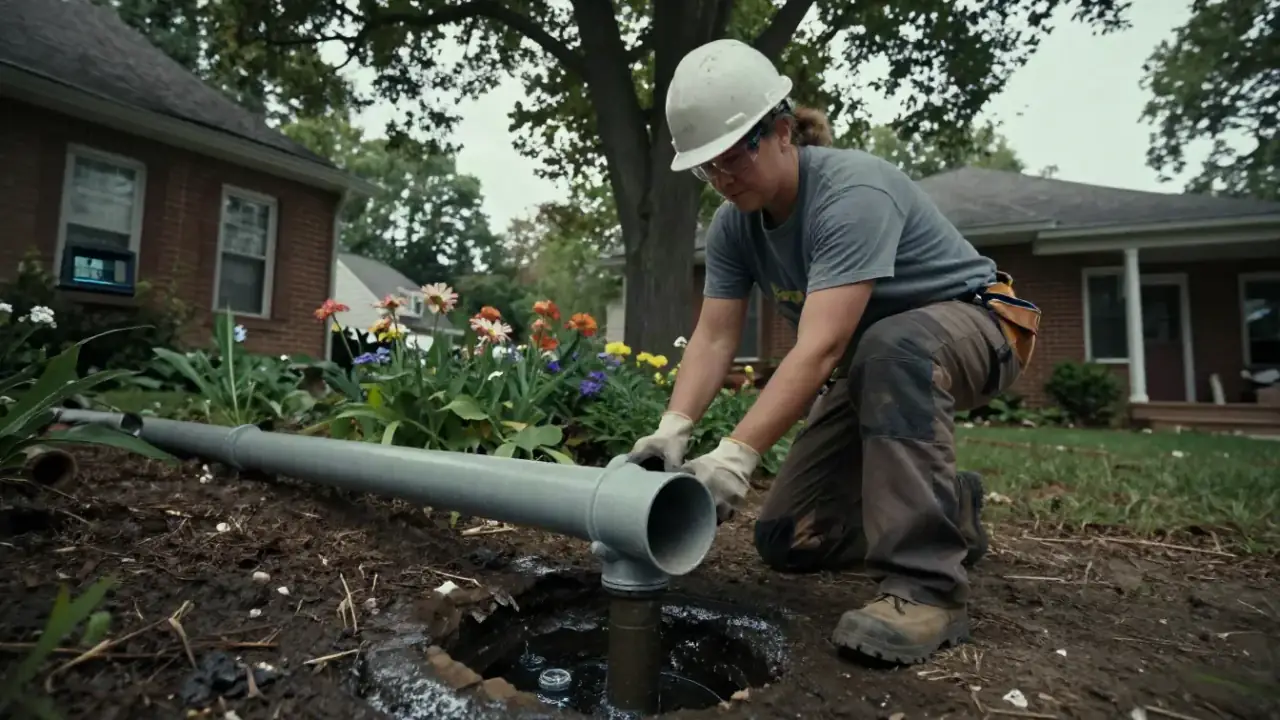
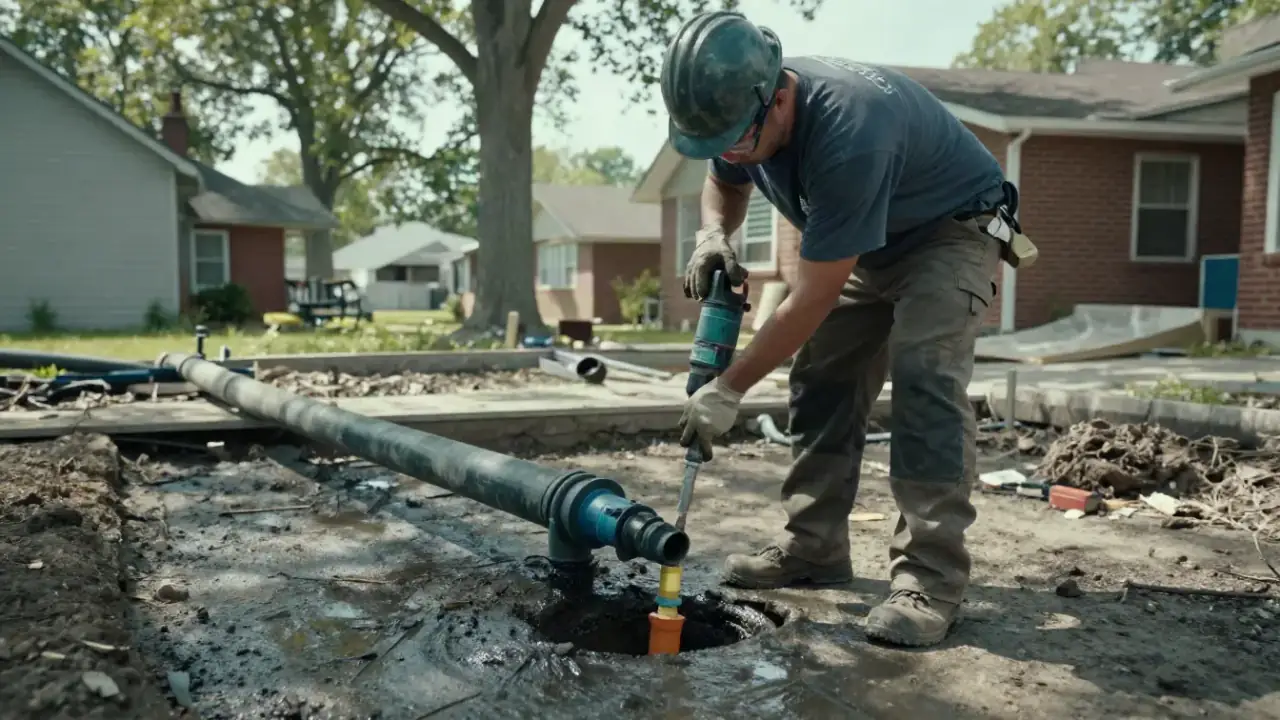
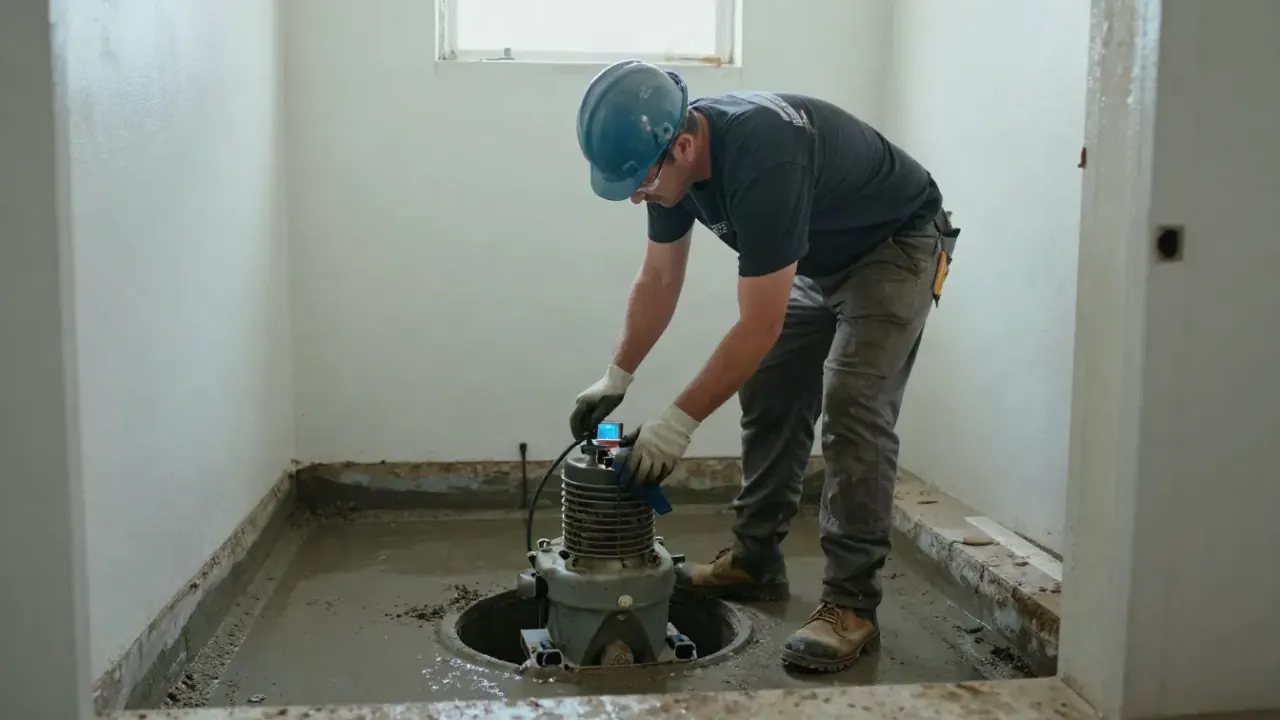
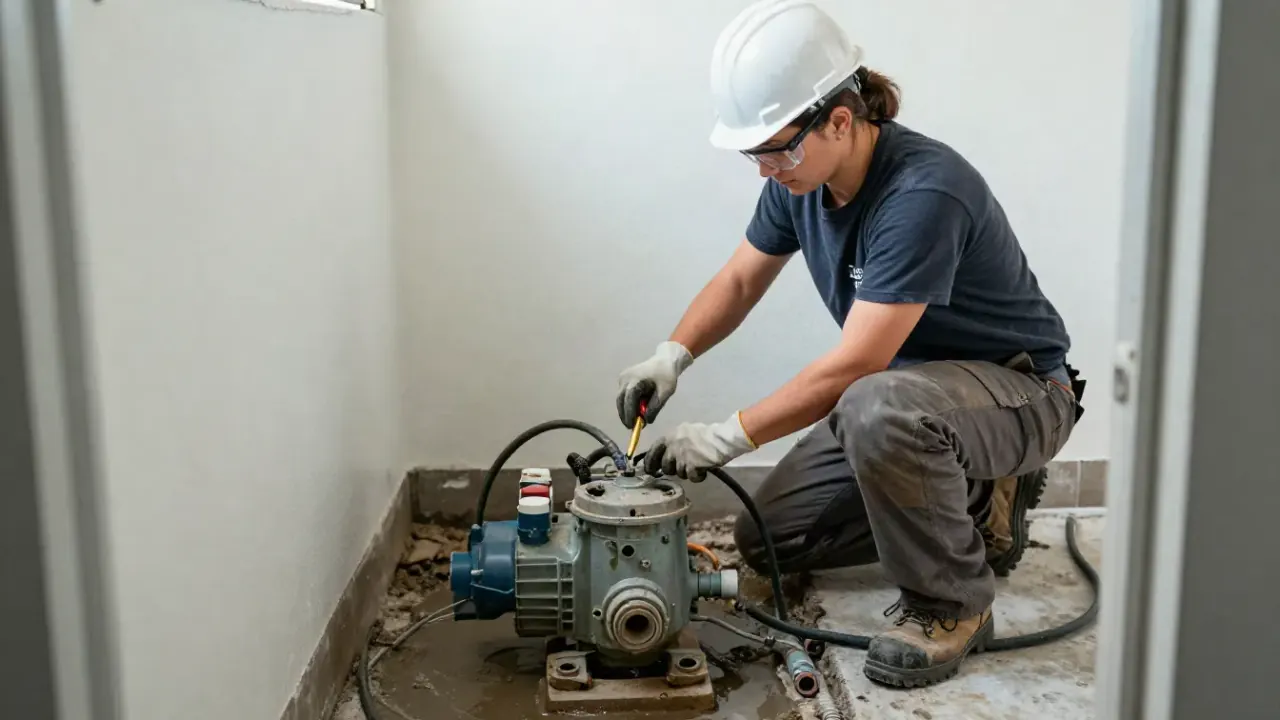
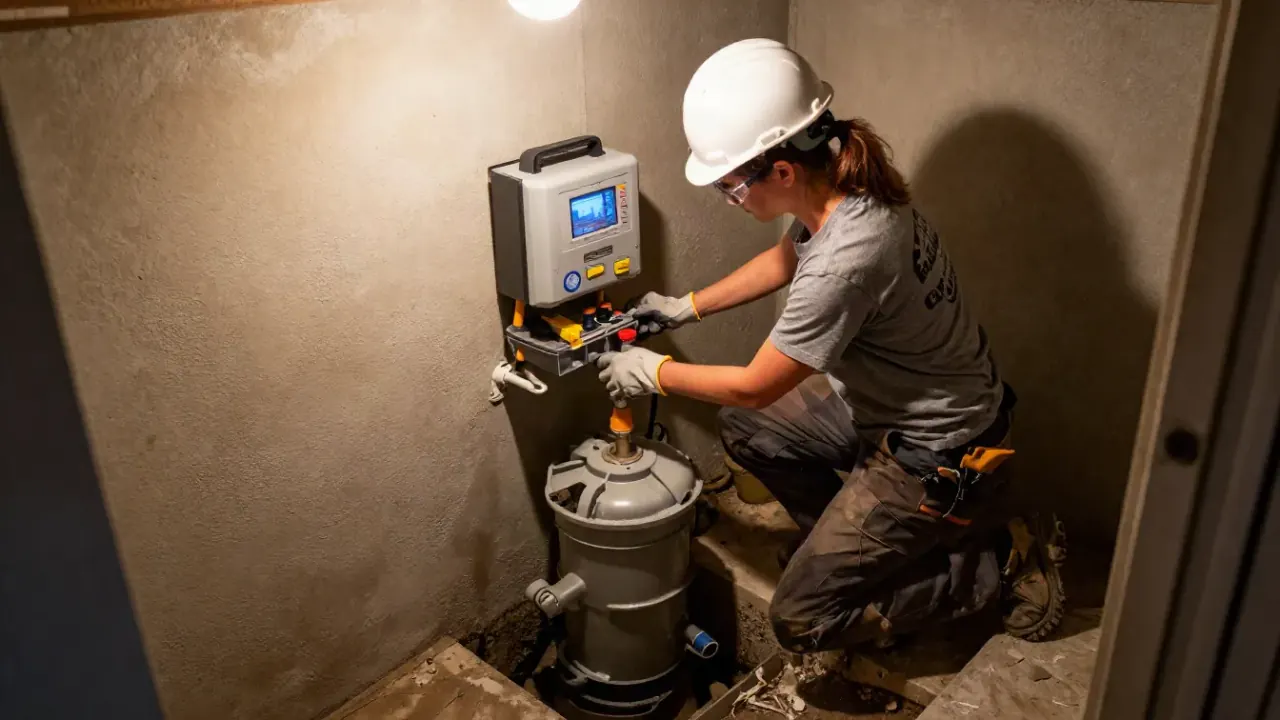
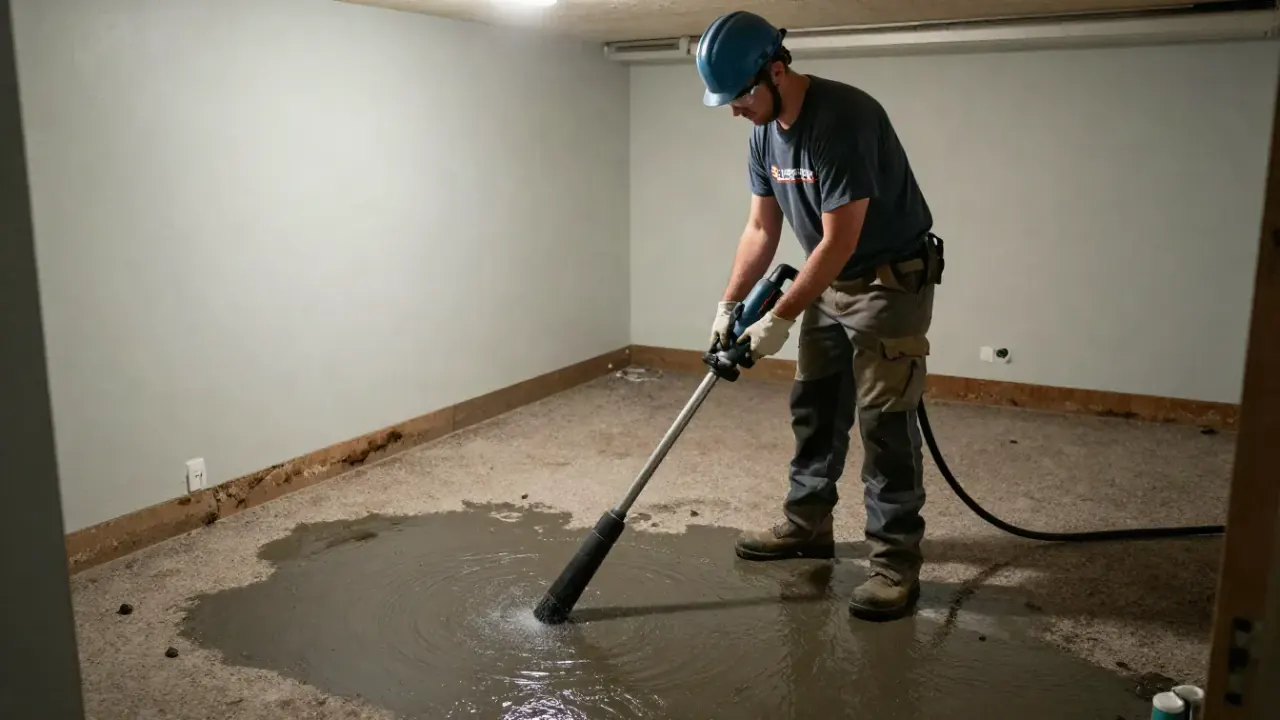
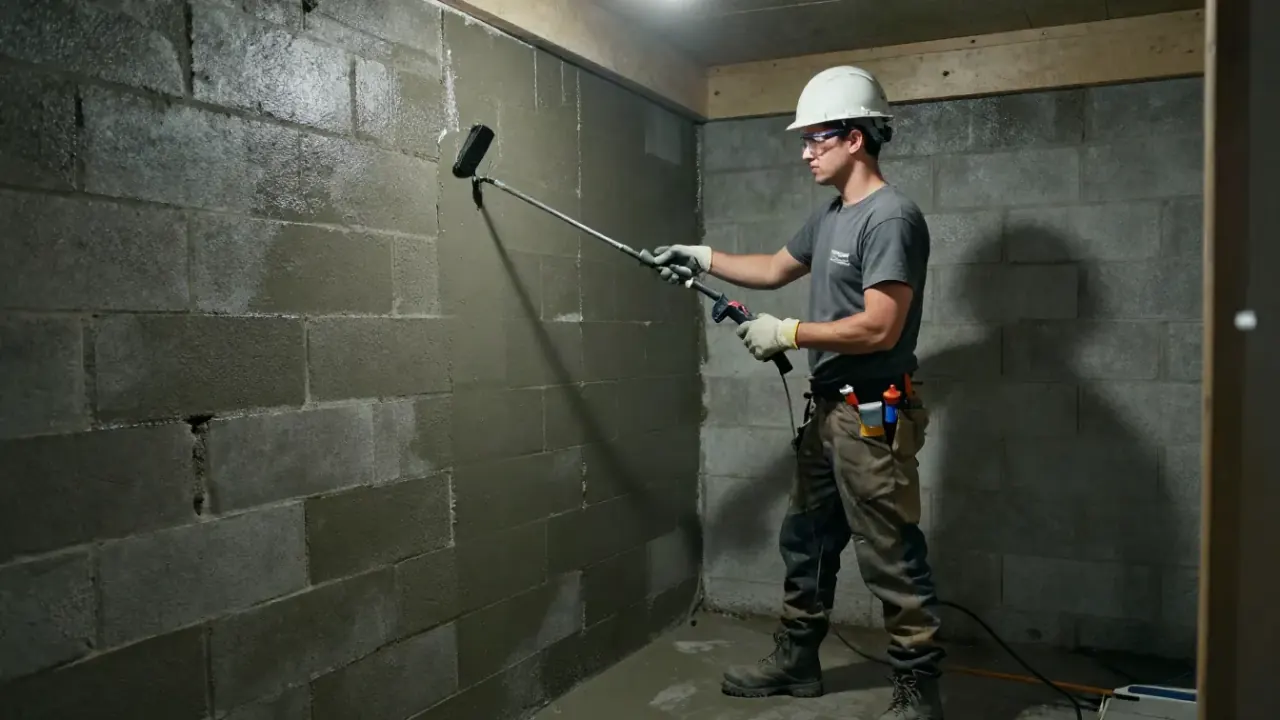
Basement wall waterproof coating Warren OH gives homeowners a practical way to manage damp, porous masonry before it damages stored belongings or finishes. We inspect the wall, identify where moisture enters, prepare the surface, and apply a compatible coating. Our basement wall waterproof paint Warren service is for homes with sound walls and minor seepage, not a substitute for drainage or crack repairs when water is entering under pressure.
Room protectionWe cover nearby floors and belongings
Coverage checkWe review edges and repaired areas
Care instructionsWe explain cure and ventilation steps
What the wall coating service includes
A standard coating visit covers inspection, surface preparation, minor nonstructural patching, application to agreed masonry areas, and a final walkthrough. We discuss active leaks, extensive repairs, drainage work, or exterior excavation separately because those require a different method. Your wall's condition determines the product and preparation, while the manufacturer's directions set coverage, recoat, and cure requirements.
Wall condition review
We inspect the affected masonry for dampness, salt deposits, loose finish, cracks, and signs of movement. We also ask when water appears and check nearby drainage clues. That review tells us whether coating is suitable or whether an active leak needs a different repair first.
Surface cleaning and prep
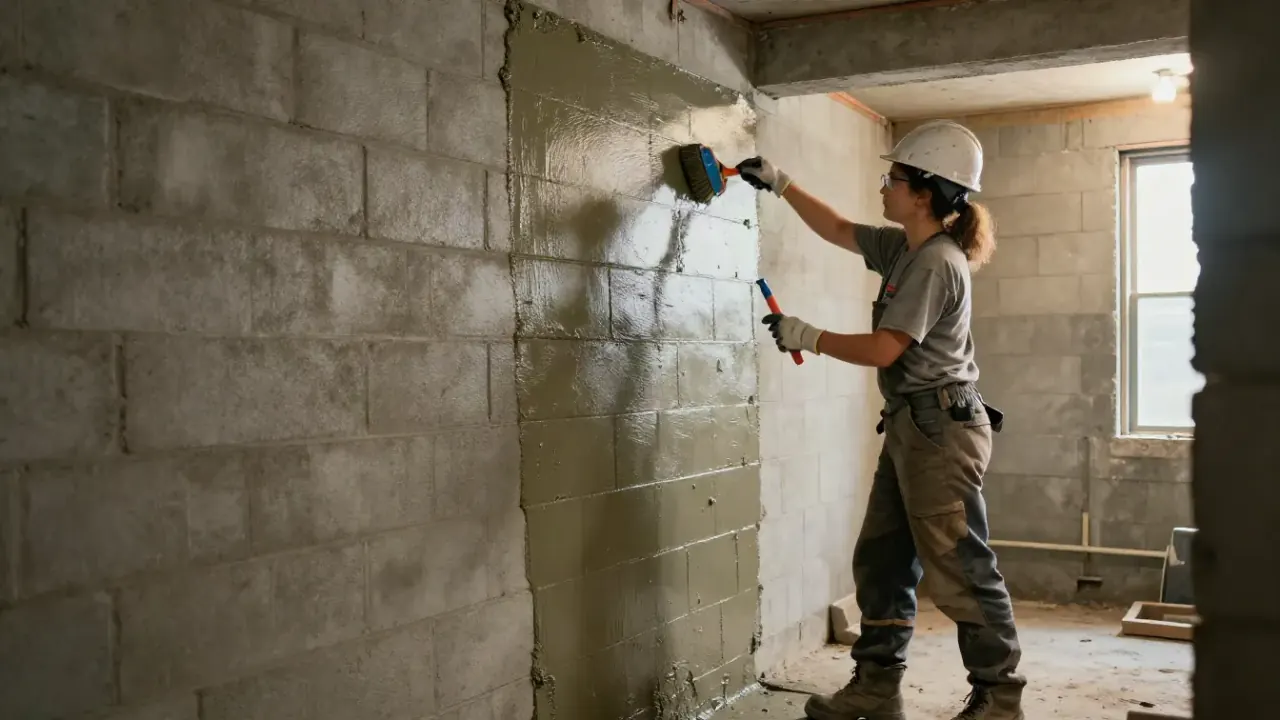
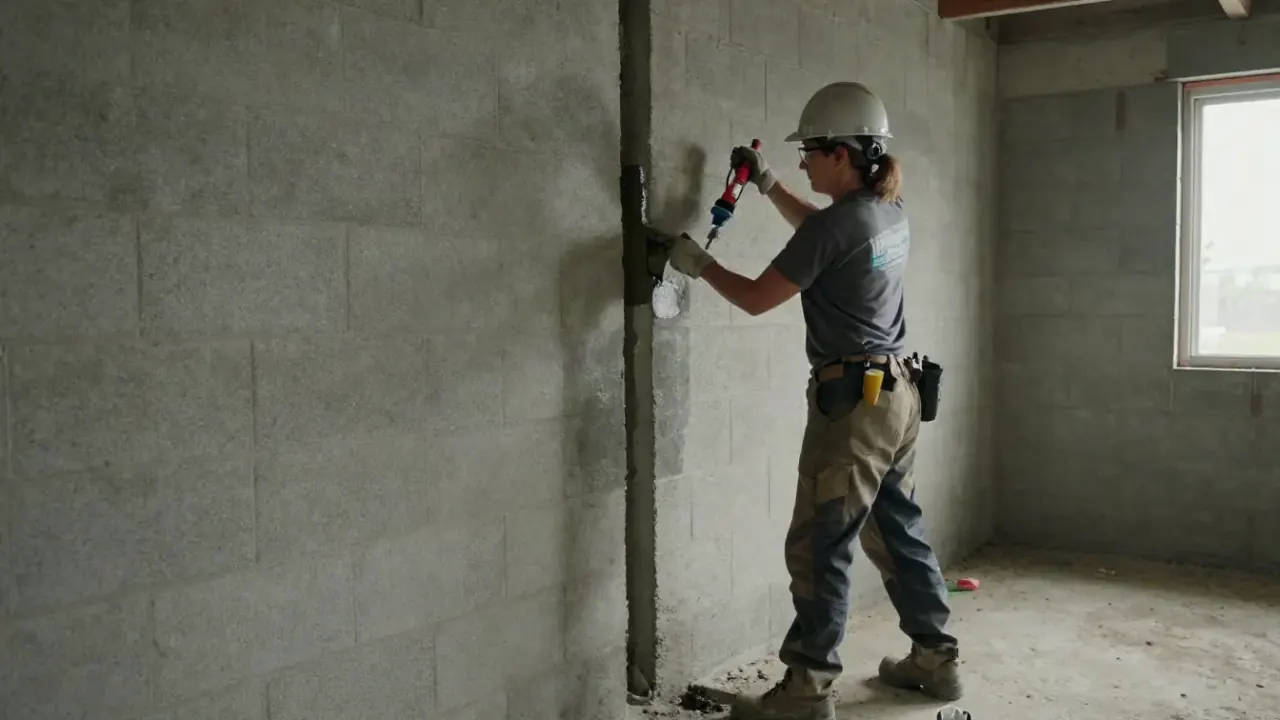
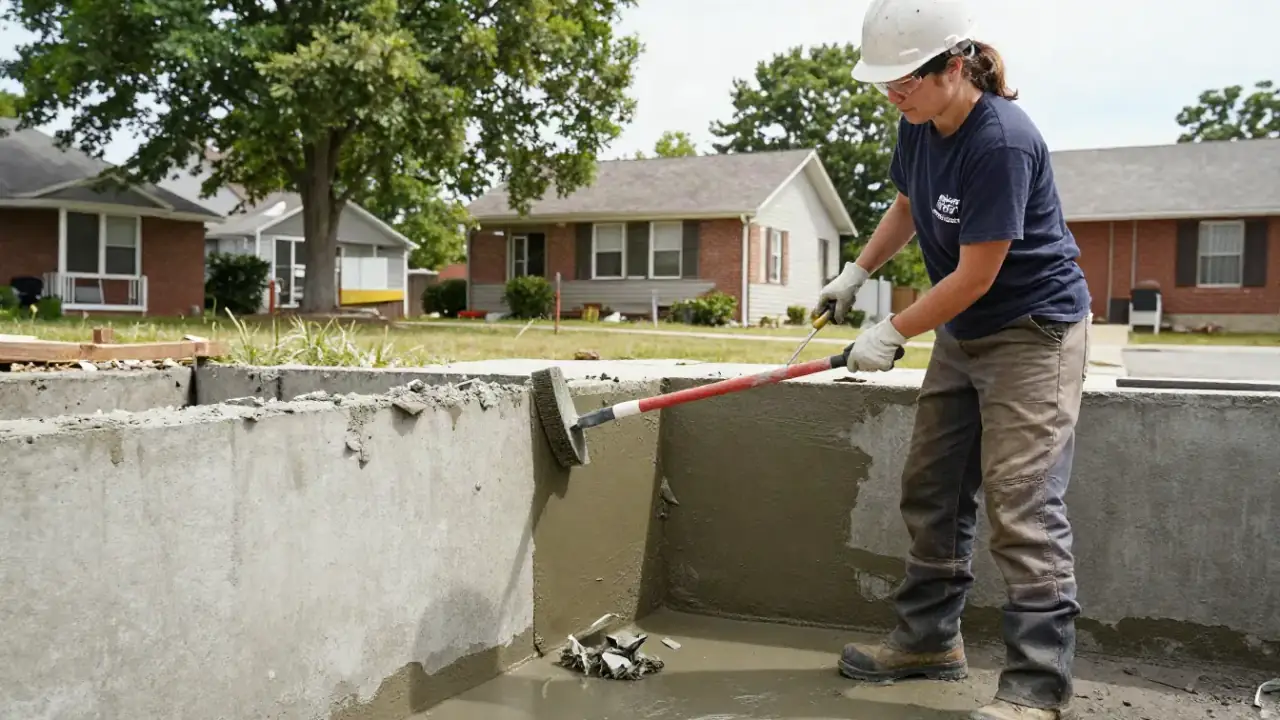
We remove loose paint, dust, and efflorescence from the agreed work area, then collect debris with appropriate tools. Sound, clean masonry gives the coating a better surface to bond to. We protect nearby floors and belongings during preparation.
Minor surface patching
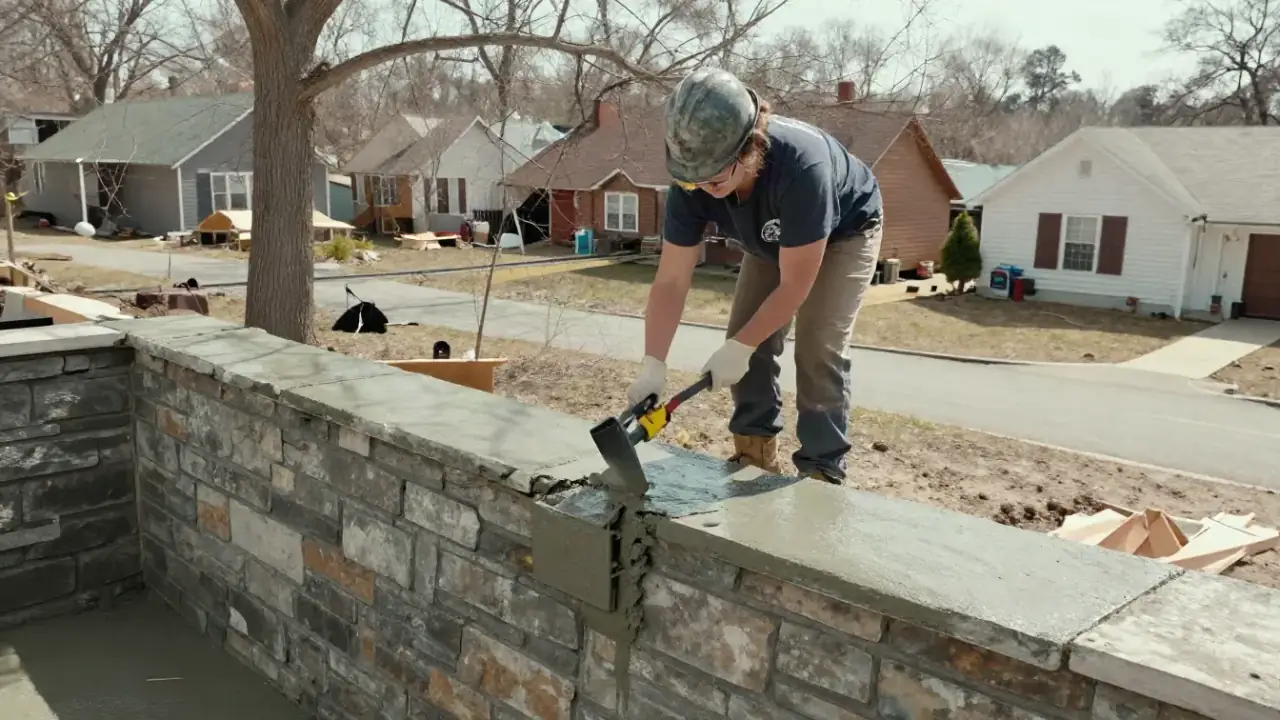
Small nonstructural voids may be patched with a compatible repair material before coating. This inclusion does not cover structural crack repair, moving walls, or water actively flowing through masonry. We explain those conditions and the repair they call for.
Coating application
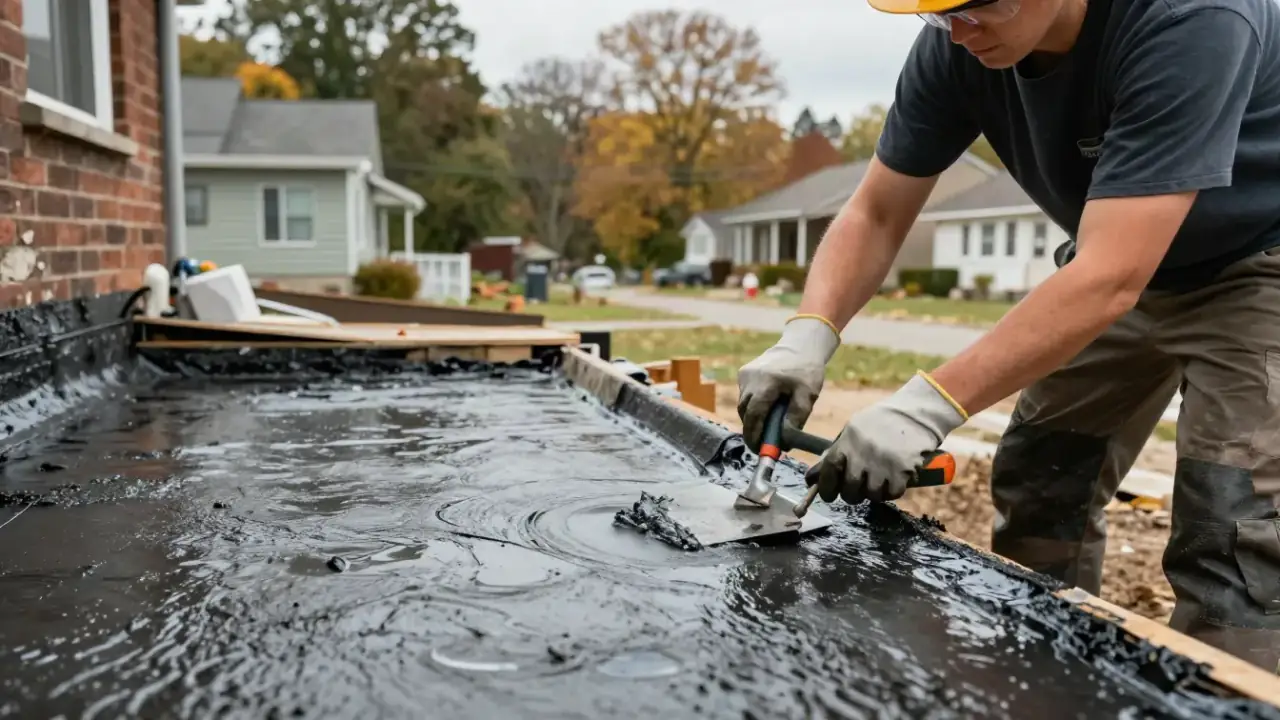
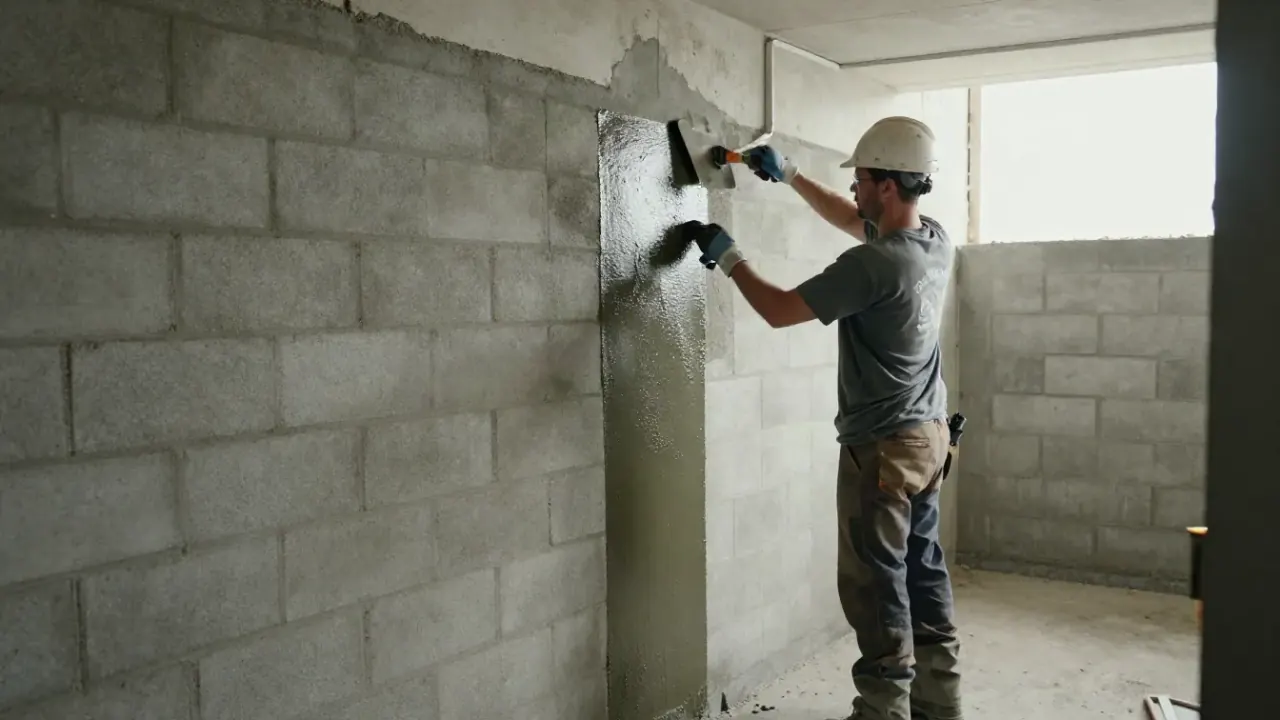
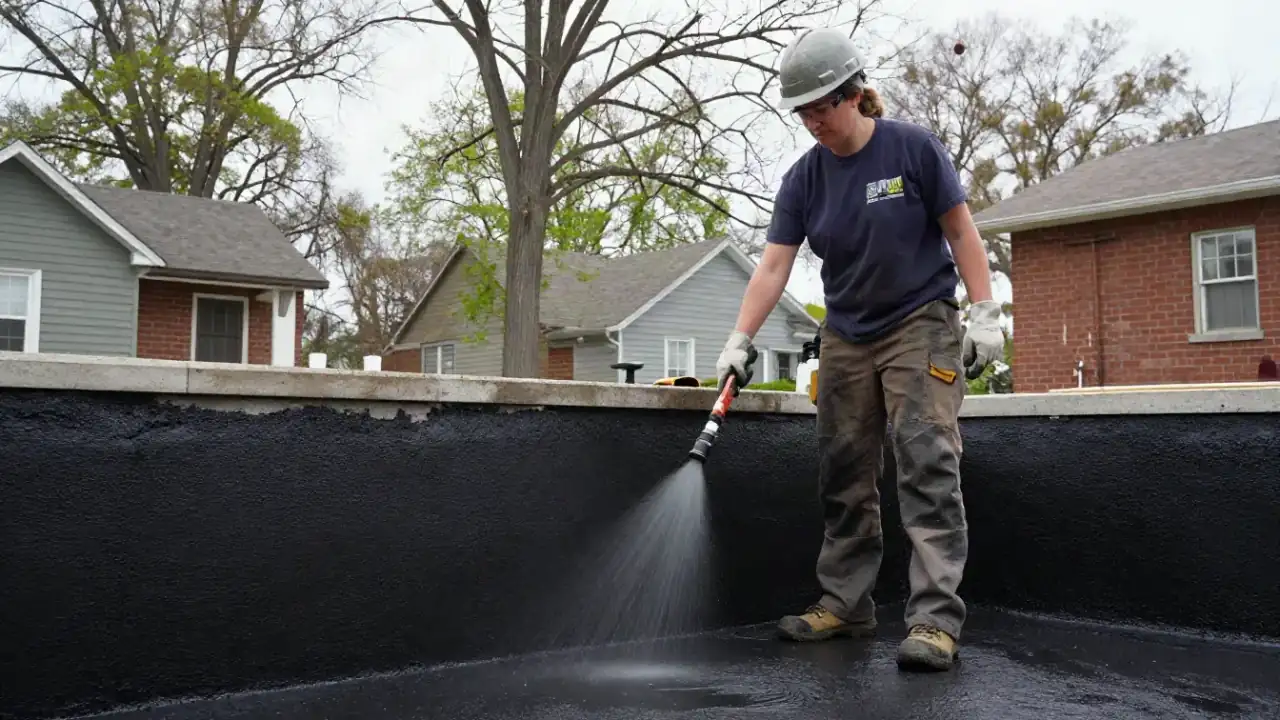
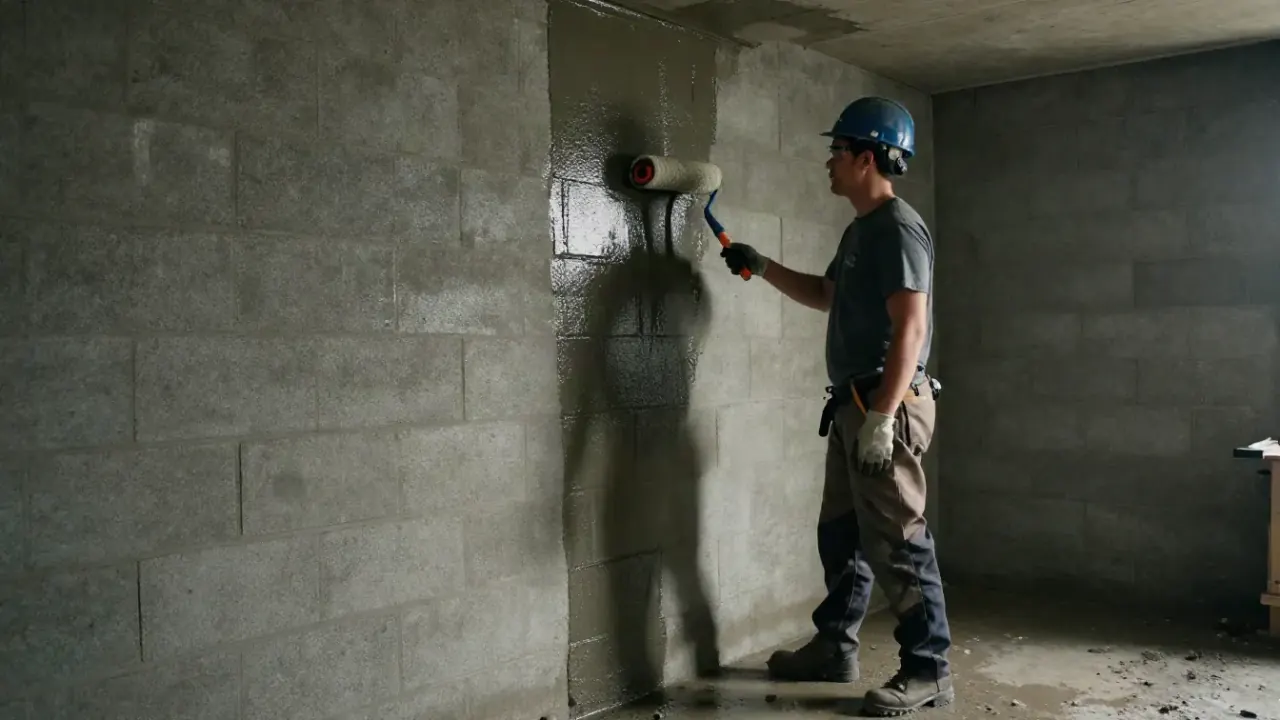
We apply the selected masonry coating to the prepared area at the product's specified coverage and coat thickness. Recoat intervals, temperature limits, and curing instructions come from the product label, so the work follows the material requirements.
Care and next steps
We also discuss practical runoff maintenance when nearby downspouts or grading affect the wall.
Homes and businesses.
The approach is the same for a home and a business. What changes is the access, the schedule and who needs the paperwork.
Homes and rentals
We inspect basement walls in occupied homes and rental properties, then explain preparation and room access. You can plan around stored belongings, laundry, and cure time.
Damp block behind storage shelves
Peeling finish in utility rooms
Mineral marks after heavy rain
Business properties
We assess basement masonry in offices, shops, and managed buildings with attention to access and stored equipment. Property managers receive clear work steps for coordinating the space.
Basement wall waterproof coating Warren OH is a masonry surface treatment that limits water passage through sound, porous basement walls when dampness or minor seepage appears. We remove loose paint and residue, clean the concrete or block, repair small surface defects, and apply the coating at the product's specified thickness. The coating bonds to a properly prepared surface; it does not repair structural movement or replace drainage. We check wall condition and moisture first so you know whether coating alone fits the problem.
Warren homes in Trumbull County face wet soil, heavy rain, freeze-thaw cycles, and runoff that can collect beside foundation walls. Efflorescence, a musty smell, or a narrow damp band after storms can point to moisture moving through masonry. We use a moisture meter and inspect grading and downspout discharge before recommending basement wall waterproof coating in Warren, Ohio. If hydrostatic pressure, failed drain tile, or active cracks drive the leak, we address that cause rather than covering symptoms.
What it does
A masonry surface treatment that limits moisture passage through suitable basement walls.
When it fits
Sound walls with surface dampness or minor seepage after source checks.
What to expect
Inspection, cleaning, surface preparation, application, and cure guidance.
Our coating process
Basement wall coating in Warren starts with finding the moisture path, not opening a paint can. We walk through the affected area with you, protect nearby belongings, prepare the masonry, and apply the selected system in controlled stages. Most small wall areas take one workday, with additional drying time before the room is returned to normal use.
Inspect and measure
We begin at the damp area and trace outward to check wall joints, floor-wall seams, cracks, and nearby windows. A moisture meter helps compare affected and dry sections; we also look for efflorescence and signs of pressure. You show us when leaks occur, especially after rain, so we can separate surface seepage from a drainage or structural problem.
Inspect wall
Trace moisture
Check drainage
Prepare the room
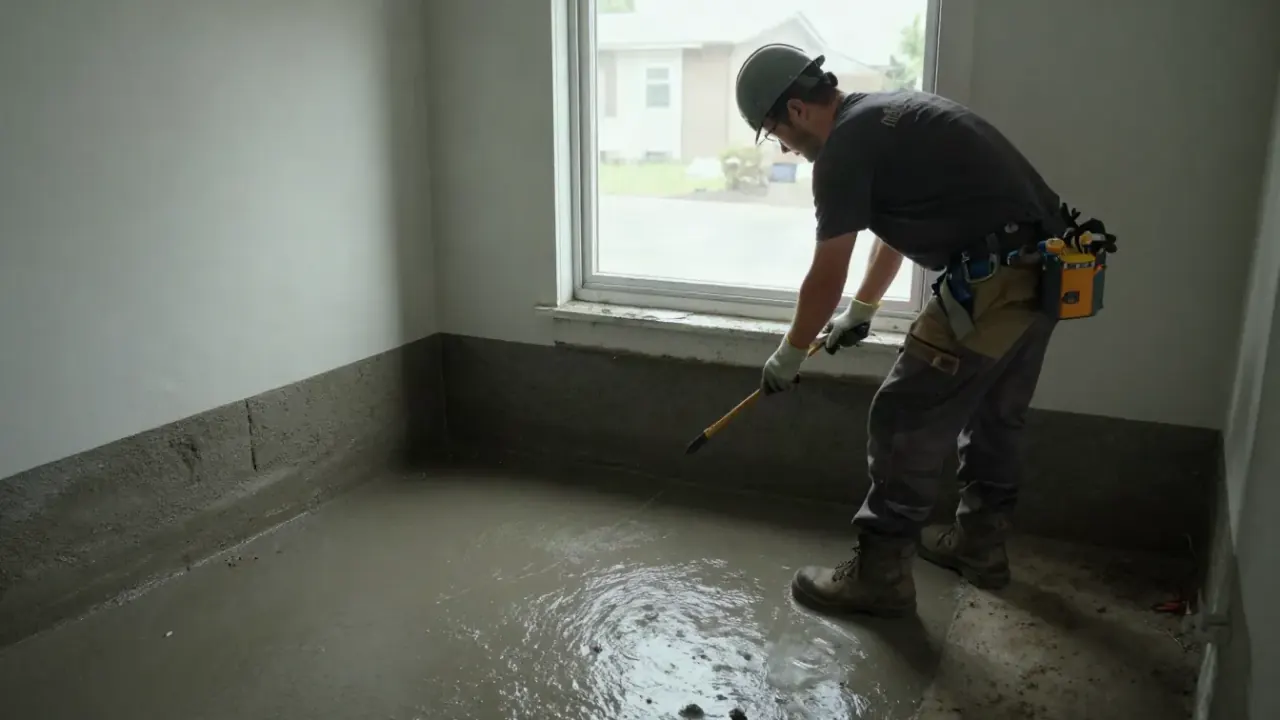
Before coating, we move or cover items near the work zone and protect the floor. We remove loose coating, dust, and salt deposits with suitable hand tools and a wet/dry vacuum. If the wall has unsound material or a repairable surface void, we address that first. This stage commonly takes two to four hours for a small area.
Protect room
Clear residue
Prepare surface
Repair and condition
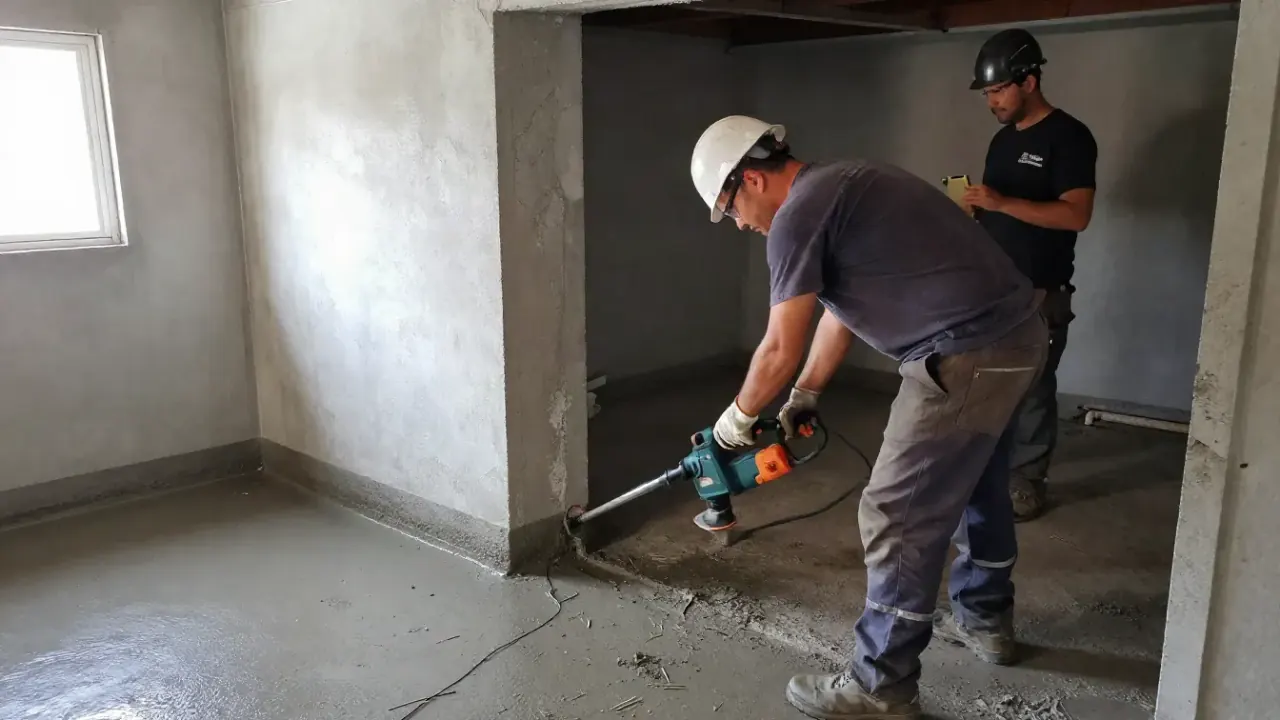
We patch small nonstructural voids with a compatible repair material and let the repair set as directed. Active cracks, wall movement, or water flowing through the wall change the plan; we discuss crack repair or drainage rather than trapping water behind a coating. The masonry must meet the coating maker's requirements for cleanliness, temperature, and dampness.
Patch defects
Assess cracks
Condition masonry
Apply the coating
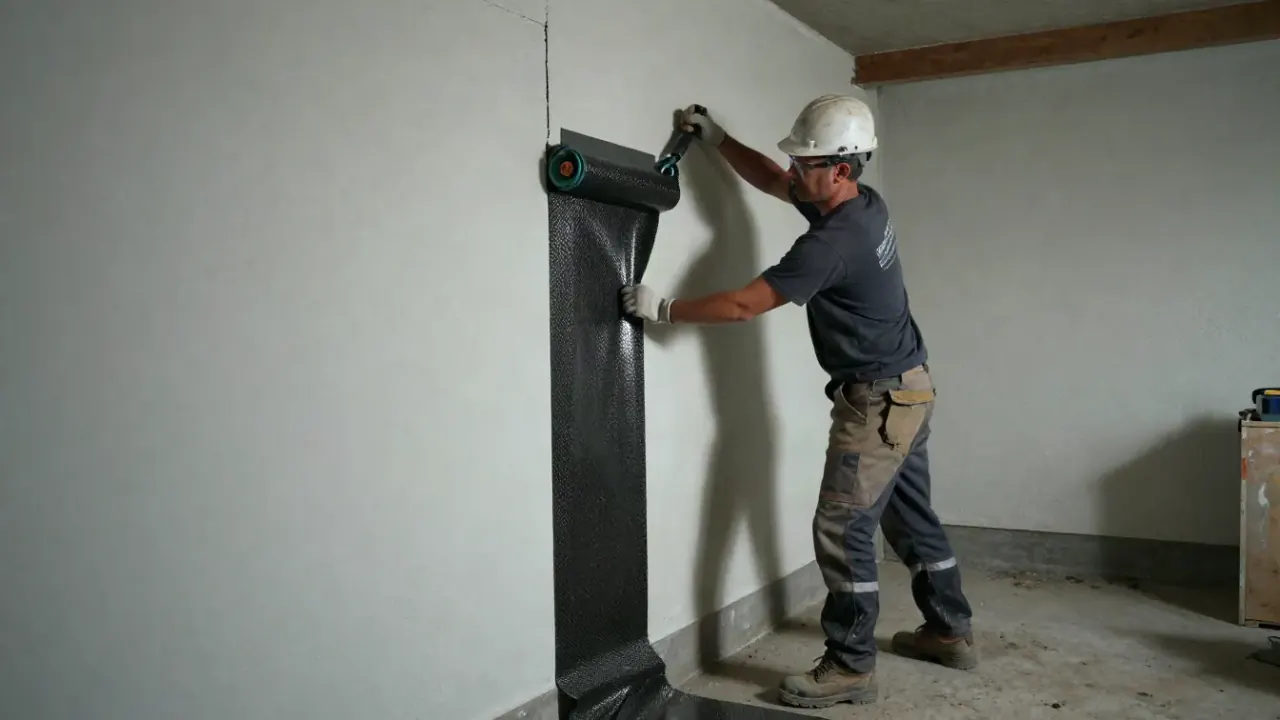
Our crew mixes and applies the masonry product at the recommended coverage rate, working into block texture and mortar joints. We build the specified number of coats and observe recoat intervals on the label. For a typical small basement section, application takes several hours; curing can require 24 to 72 hours depending on the material and room conditions.
Apply coating
Follow coverage
Allow curing
Review and explain
After the coating is applied, we check coverage, edges, and repaired areas with you. We explain ventilation and curing instructions, identify any remaining moisture source, and review practical upkeep such as keeping downspouts clear. You receive a straightforward summary of the work and the next steps if water returns under heavy rain.
Review finish
Explain care
Discuss next steps
Tools and application methods
Move across a circle, or focus it and press Enter, for an illustrative thermal view of the photograph.
Moisture meter
We compare readings across affected and dry masonry to guide inspection and preparation. The readings support a diagnosis; they do not replace checking cracks, drainage, and water patterns.
Wet/dry vacuum
We collect dust and loose debris after cleaning and surface preparation. Keeping the wall free of residue helps the coating bond and keeps cleanup controlled in your basement.
Hydraulic cement
A compatible hydraulic cement can patch certain small, stable voids before coating. We do not use a surface patch as a substitute for structural crack repair or a drainage solution.
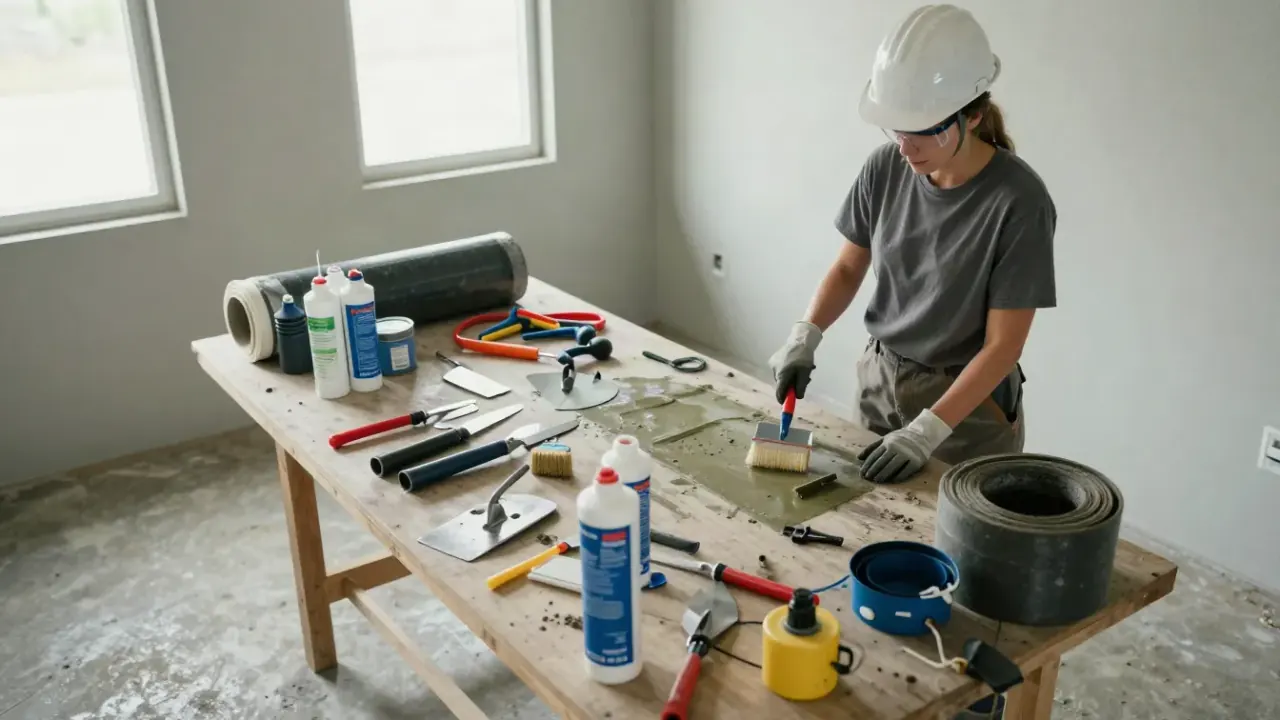
Masonry waterproof sealer
We select a masonry coating or sealer appropriate to the surface and moisture condition. Product directions govern application thickness, coverage, temperature limits, and cure intervals.
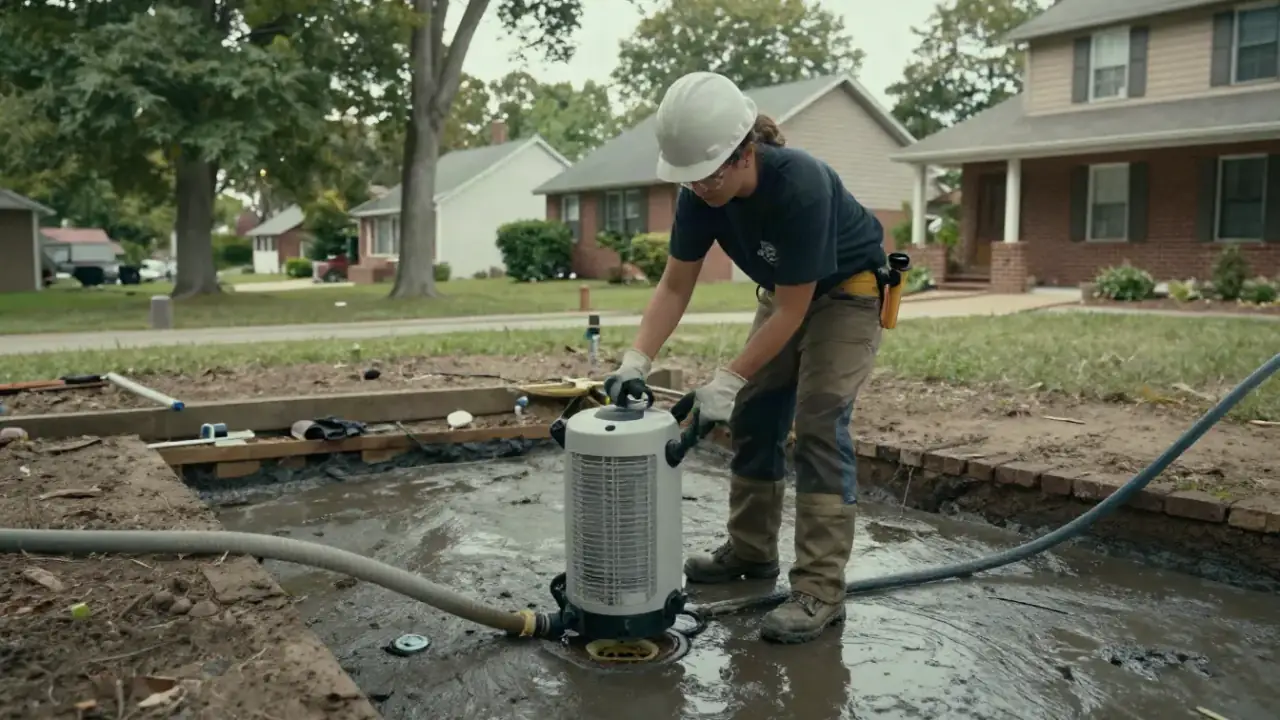
Sump pump
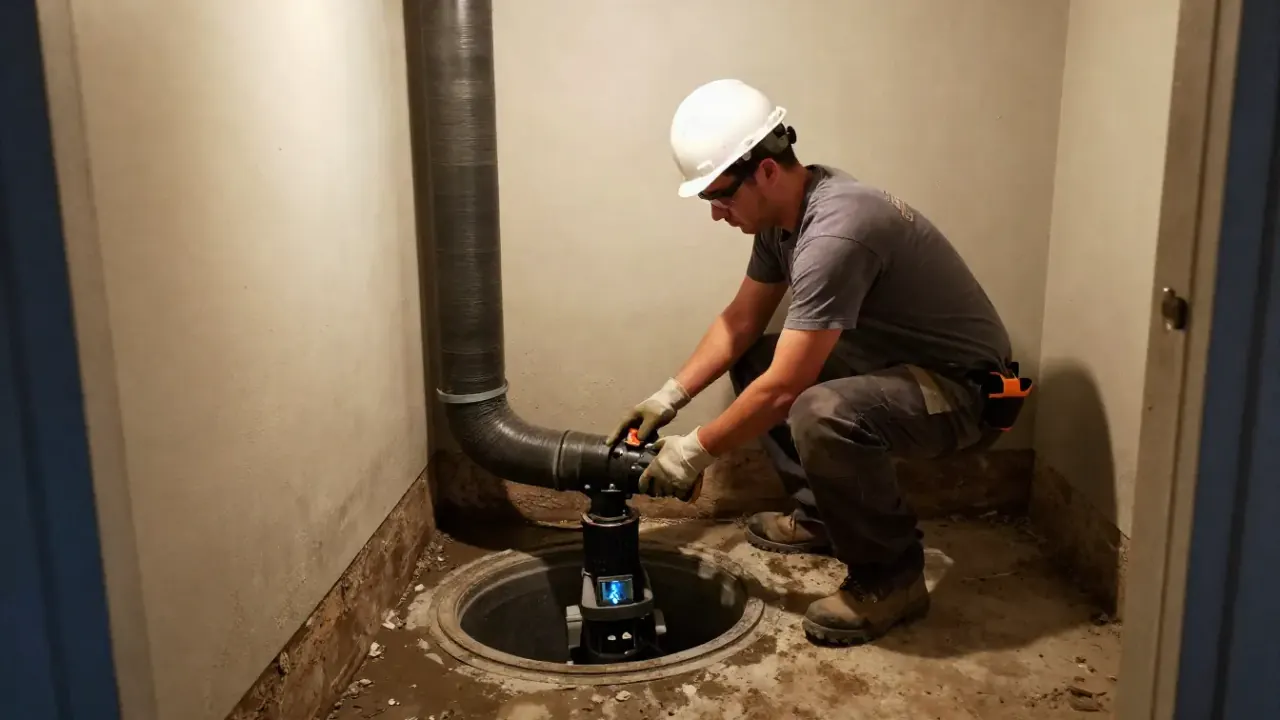
We check whether a sump pump is part of the home's water-management system when water reaches the floor. A working pump can support drainage but does not replace coating preparation or wall repair.
Thermal views are illustrative, generated from the photographs.
Methods
Moisture-source assessment
We trace dampness from its visible location to likely sources, checking wall joints, cracks, window areas, downspout discharge, and grading. This determines whether a surface treatment is appropriate or whether water needs to be intercepted or repaired first.
Substrate preparation
We remove loose coatings, dust, and efflorescence, then patch minor stable defects with compatible materials. The masonry must meet the chosen product's cleanliness and moisture requirements. We protect nearby surfaces and allow repairs to set before applying the coating.
Controlled coat application
We apply material at its stated coverage rate and respect the manufacturer's recoat and cure intervals. We work coating into the texture of block and mortar, check edges for missed areas, and avoid closing the room before required ventilation and curing are complete.
Drainage-aware finish
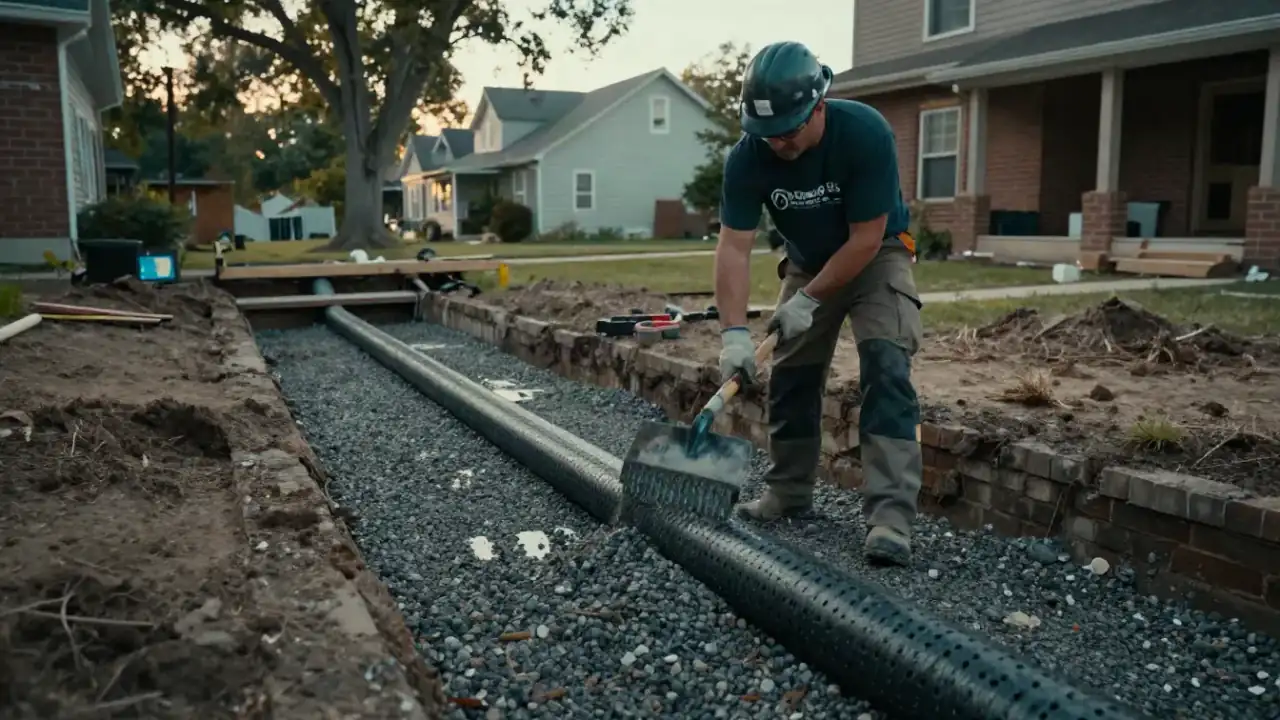
We consider the coating as one part of moisture control, not a replacement for sound drainage. Where runoff or pressure is evident, we explain options such as downspout correction, a sump system, or drain repair, and coordinate the finish with the cause.
When wall coating makes sense
Autumn wall dampness
A Warren homeowner sees recurring damp patches on sound block after steady autumn rain.
We inspect the affected wall and nearby runoff, remove loose deposits, and confirm that no active crack or structural movement is driving water entry. If the masonry is suitable, we prepare and coat the area, then review cure instructions and drainage upkeep with you.
Outcome: The treated wall is easier to maintain, with reduced surface seepage when the source is minor and the masonry remains sound.
Returning efflorescence
Efflorescence returns near a basement corner despite regular cleaning and repainting.
We check the corner, mortar joints, and downspout discharge to understand why moisture keeps moving through the wall. After correcting loose material and any small surface defects, we apply a compatible coating when pressure and active leakage are not present.
Outcome: You get a prepared masonry surface rather than another layer of ordinary paint, plus a clear way to monitor the corner after storms.
Rental utility room
A landlord in Warren needs a damp utility-room wall treated before repainting the room.
We inspect the wall for water entry, peeling finish, and moisture around pipes or windows. We prepare the masonry and coat appropriate sections, while flagging any leak that requires plumbing or window repair before a finish is restored.
Outcome: The owner can plan redecoration around the coating's cure period and avoid trapping an unresolved leak behind new paint.
Musty basement corner
A basement smells musty, and one poured-concrete wall feels cool and clammy.
We check the wall's moisture pattern and room conditions before deciding whether a coating fits. We also look for condensation and drainage clues, since a coating does not control humid air. If surface seepage is the cause, we prepare the concrete and apply the chosen treatment.
Outcome: You learn whether the wall needs coating, moisture control, or source repair, instead of relying on smell or touch alone.
Downtown WarrenHowlandBolindale
How coating work fits Warren homes
Basement wall coating in Warren starts with the conditions around the foundation as well as the masonry itself. Trumbull County properties see wet periods, cold winters, and freeze-thaw cycles that can expose weak mortar joints, small cracks, and poor runoff routes. In older block basements, porous units may show efflorescence even without one obvious leak.
We check wall type, surface condition, and water patterns, then decide whether coating is appropriate or whether repair and drainage must come first. Basement wall waterproof paint Warren is suitable only when the surface and moisture conditions match the product requirements; ordinary interior paint is not a substitute. Our team also checks downspout discharge and signs of pooling near the foundation.
When a job involves structural changes or drainage installation, we consider applicable Ohio Residential Building Code requirements and the work's scope. We explain the sequence before preparing the wall, including cure time and how to keep the room ventilated. That local assessment helps you avoid applying a finish over a continuing water source.
Downtown Warren: Older basements may have painted block and layered finishes. We remove loose material and assess the masonry before deciding whether a coating can bond.
Howland: We pay attention to roof runoff and grading beside the foundation, since pooled water can keep a basement wall damp after storms.
Bolindale: For homes with recurring mineral deposits, we trace the damp area and check nearby joints before selecting a surface treatment.
Warren West: We inspect window areas and wall-floor joints as well as the visible damp patch, so a coating does not conceal another entry point.
Heavy autumn rain saturates soil beside foundation walls: Wet soil can increase moisture against masonry, especially where downspouts discharge close to the house. We check drainage patterns before coating and explain whether runoff correction is needed to support the treatment.
Winter freeze-thaw exposes weak mortar and surface cracks: Repeated temperature swings can widen existing defects or loosen old paint. We remove unsound material and assess crack activity before applying a finish, because coating over movement or active water can fail.
We walk through the affected area and explain what the wall shows.
We protect nearby surfaces and prepare the agreed masonry section.
We review coverage, curing instructions, and practical follow-up checks.
From problem to finished result.
IllustrativeThe thermal view is generated from the photograph. It is not a measurement. Drag the handle, or use the arrow keys once it is focused.
Recurring mineral marks on block
Before: A Warren homeowner had white mineral deposits returning on a basement block wall after heavy rain. Earlier repainting covered the stains briefly, but paint began to peel near the floor. The damp section measured several feet across, and storage boxes sat directly against the wall.
After: We traced the moisture pattern, cleaned the wall, removed loose paint, and coated the prepared masonry after confirming the surface was suitable. The treated area covered about 60 square feet. The mineral marks no longer showed through the finish at the final walkthrough, and the owner moved storage away from the wall.
Keep the wall visible and check it after major storms. Clear nearby downspouts and watch for fresh deposits, peeling, or dampness. If water returns, call us to inspect the source rather than adding another coat.
Peeling utility-room finish
Before: A utility room had blistered paint over a poured-concrete wall, with a musty smell after wet weather. The homeowner was preparing to repaint but could not tell whether condensation or seepage was responsible. Loose finish and dust covered roughly 40 square feet.
After: We assessed the wall, cleaned and prepared the affected area, and applied a compatible masonry coating after the surface met product requirements. The work took one day, followed by a cure period set by the product. The owner received ventilation instructions and a clear record of the treated section.
Leave the wall clear during curing and maintain airflow as instructed. Check the area each spring for new damp patches or peeling. Keep stored items several inches from the masonry so changes remain visible.
Damp corner near downspout
Before: A basement corner became damp during prolonged rain, and the downspout discharged close to the same exterior wall. The interior block was sound, but salt deposits and a narrow wet band appeared near the floor. The homeowner wanted to know whether paint alone would solve it.
After: We reviewed the wall and runoff, corrected the coating plan around the moisture source, and treated the prepared masonry once conditions were suitable. The affected corner spanned about 25 square feet. The homeowner understood that keeping runoff away from the foundation was part of maintaining the result.
Keep the downspout outlet clear and direct runoff away from the foundation. Inspect the corner after heavy rain and note any new wetness. Contact us if water appears at the floor joint or a crack.
Addressing common Warren basement wall problems
Coating is most useful when moisture moves through sound masonry without a major structural or drainage failure. We inspect the cause before application, because covering a symptom can leave water pressure or a leaking crack untouched. These are common conditions we assess in Warren homes.
Mineral depositsWhite mineral deposits return after each heavy rainEfflorescence signals moisture movement through masonry and can loosen paint or damage stored items. Repeated deposits also make a finished wall look neglected. We remove loose mineral residue, check the wall for damp zones, and trace likely runoff sources. If the masonry is stable and seepage is limited, we prepare and coat the surface. If a crack or drainage problem is feeding the deposits, we address that source first so the coating is not asked to do work it cannot do.
Peeling paintPaint blisters and peels along a basement wallMoisture behind paint can lift the finish, expose concrete, and spread a musty odor. Repainting without removing the cause often leads to another failed surface. We scrape loose material, clean the masonry, and assess whether the wall is suitable for coating. A moisture meter helps compare the damaged section with nearby areas. We apply a compatible masonry product only after preparation and explain ventilation and cure time so you can keep the area clear.
Damp blockDamp block wall but no visible crackPorous block can pass moisture into the basement even when no single opening is obvious. Ongoing dampness can affect nearby contents and indoor comfort. We inspect joints and wall surfaces for seepage patterns, efflorescence, and pressure clues. When the block is sound and the issue is surface moisture, coating can help limit passage through the masonry. We also check downspout discharge and grading, since reducing water against the foundation supports the treatment.
Active crackWater enters through an active foundation crackA coating over an active crack can fail quickly and conceal a leak that needs direct repair. Continued entry can wet the floor and damage stored belongings. We identify the crack and assess whether it is leaking or showing movement. We recommend a suitable crack repair, such as injection where appropriate, before coating adjacent sound masonry. If broader movement or drainage failure is present, we explain that the repair plan needs to address it rather than masking the symptom.
Practical protection for basement walls
Prepared masonry helps reduce surface seepage and makes wall changes easier to spot.
Reduce surface seepage
A compatible masonry coating closes the small pores through which dampness often reaches an otherwise sound wall. We prepare the surface instead of painting over salt deposits or flaking material. When the source is minor seepage, the treatment can reduce recurring damp patches and help protect nearby shelving, stored boxes, and finished surfaces.
Keep finishes cleaner
Efflorescence leaves white mineral residue and can spoil a freshly painted basement. We remove loose deposits, check for ongoing water entry, and apply a suitable coating to stable masonry. Your wall is easier to wipe down, and you get a clear warning if moisture returns rather than another layer of ordinary paint hiding it.
Choose the right repair
A coating is useful for surface moisture, but it is not a cure for every leak. We distinguish seepage from a leaking crack, window well leakage, or water pushed through by hydrostatic pressure. That diagnosis helps you avoid paying for a surface treatment when a drain tile repair or crack injection is the better first step.
Plan with fewer surprises
Before work starts, we explain surface preparation, coating coverage, drying time, and any repairs that change the job. A typical prepared wall needs more than one application according to the product label, and the room must remain within the stated temperature range. You know what work is being done and what to watch afterward.
What you receive
Clear records you can keep and share.
Work summary
Lists the prepared and coated areas
Photo record
Shows wall condition and finished coverage
Care sheet
Notes ventilation and curing instructions
Visit notes
Records visible moisture and follow-up items
Coating versus water control
A surface coating treats suitable masonry; drainage and crack repairs address water sources that a coating cannot stop.
Surface treatment
Applied to prepared, stable masonry.
Limits surface seepage
Requires clean substrate
Follows product cure directions
Crack repair
Targets a specific opening or leak path.
Assesses crack activity
Repairs active entry
Precedes adjacent coating
Drainage control
Manages water around or beneath the foundation.
Checks runoff routes
May include sump systems
Reduces pressure at walls
Materials and surfaces
Poured concrete
Concrete block
Mortar joints
Hydraulic cement
Masonry sealer
Efflorescence
Surface preparation
Cure interval
Service ZIP codes.
A list like this tells people straight away whether you cover their street. Not listed? Call and ask: it only takes a minute.
Cost rises with extensive loose paint, salt deposits, wall area, or crack work; a simple, clean section costs less. We inspect the wall and explain the work before pricing it. A coating is not the right value if active pressure or a failed drain system is causing water entry.
A masonry coating can reduce seepage through sound, porous walls, but it will not stop every basement leak. Water entering through a moving crack, window well, floor-wall joint, or failed drain tile needs its source corrected. We trace the moisture path before recommending a coating. If the wall is sound and the issue is surface dampness, the right preparation and product can help control it.
A properly prepared coating can last several years, but service life depends on water pressure, wall movement, preparation, and maintenance. Persistent seepage or a new crack can shorten its life. We inspect the wall and explain what conditions the product is designed for. Check the surface each spring and after major storms; peeling, new salt deposits, or damp patches call for a fresh inspection.
Some products accept slightly damp masonry, but standing water and active leaks must be addressed first. The wall must meet the product label's moisture and temperature limits, and it must be free of loose paint, dust, and salt. We test and assess the surface before applying anything. Coating a wet, pressurized wall can cause poor bonding or trap a problem behind the finish.
Damp masonry, peeling paint, and fresh efflorescence deserve a proper inspection before another coat goes on. Call Warren Waterproofing Pros at (555) 123-4567; our team will check the wall and explain the next practical step.
Tell us where water is showing up, how long it has been happening, and whether a sump pump or drain is involved. Call (555) 123-4567 during our weekday business hours, Monday through Friday, 8 a.m. to 6 p.m. We serve Warren, Ohio, and nearby communities, and will help you plan the right inspection for your basement or crawl space.