Crawl space moisture control Warren OH for drier homes
crawl space moisture control Warren OH helps homeowners dealing with damp soil, musty odors, condensation, or recurring water beneath the floor. Our team checks where moisture enters, measures humidity, and recommends a practical fix for your home, whether that means drainage, a sealed vapor barrier, or a crawl space dehumidifier. Warren's wet spring weather and freeze-thaw cycles make it sensible to address the source before another season of damp air affects the rooms above.
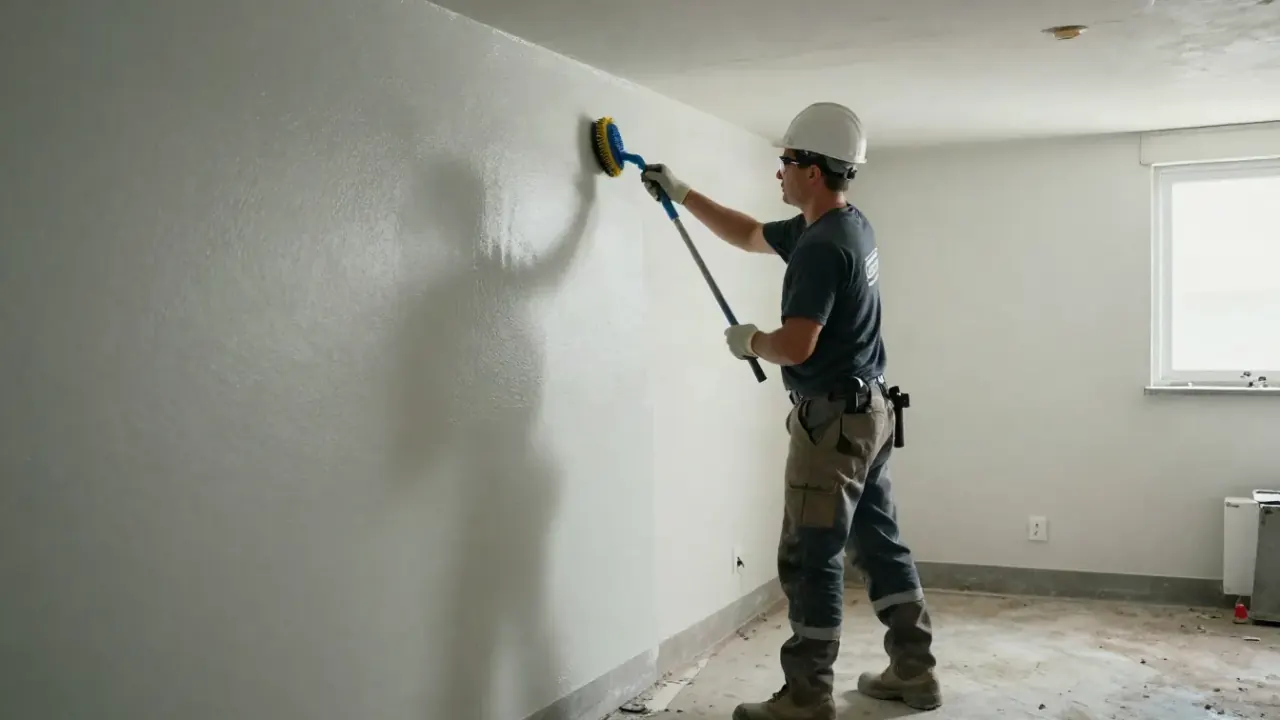
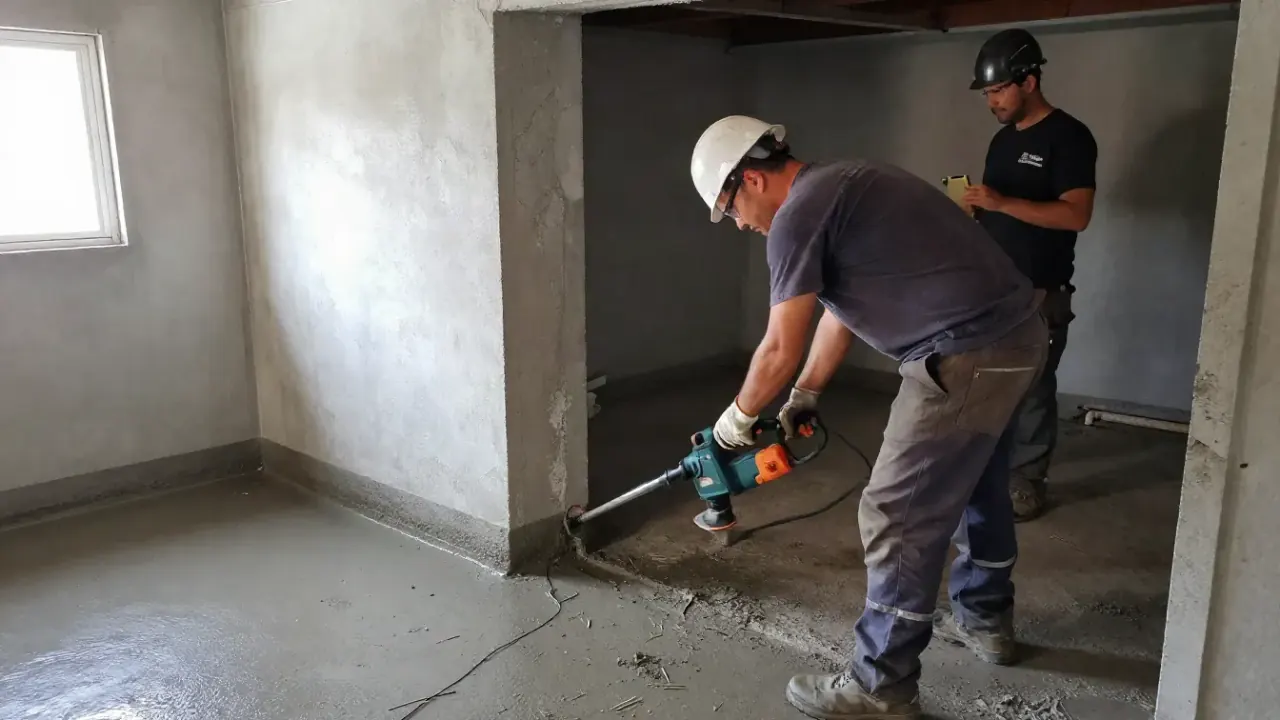
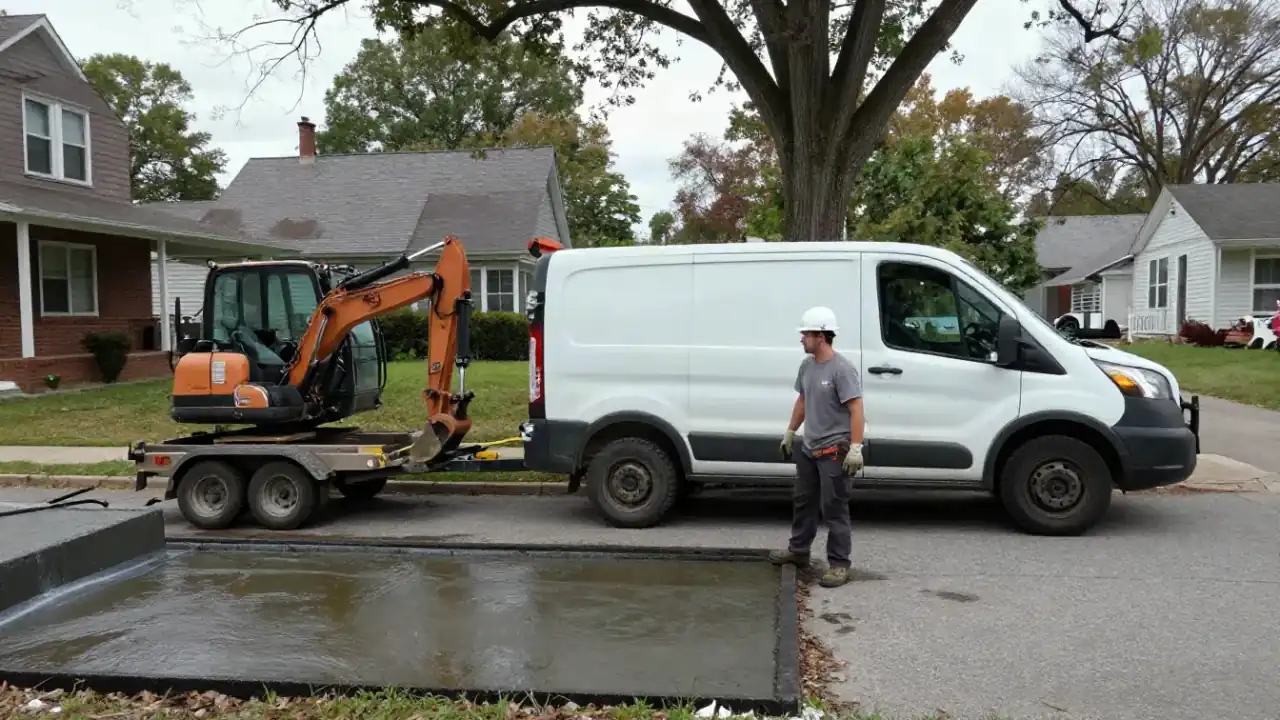
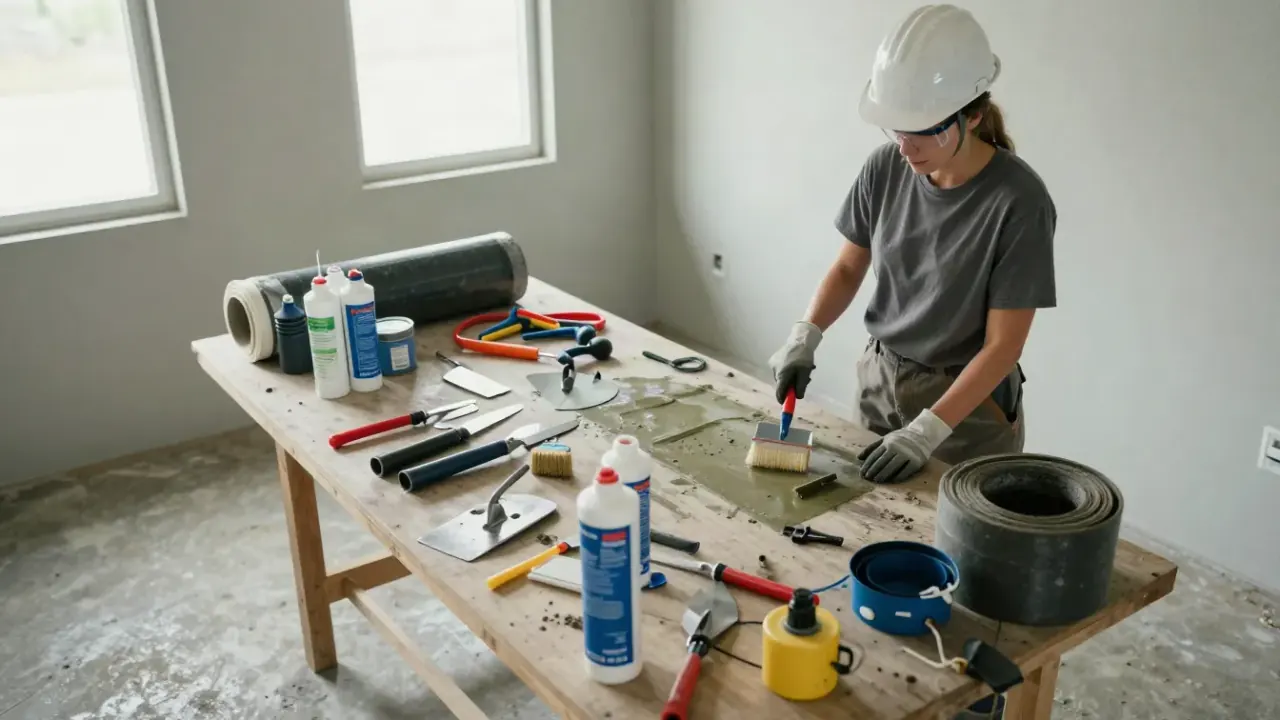
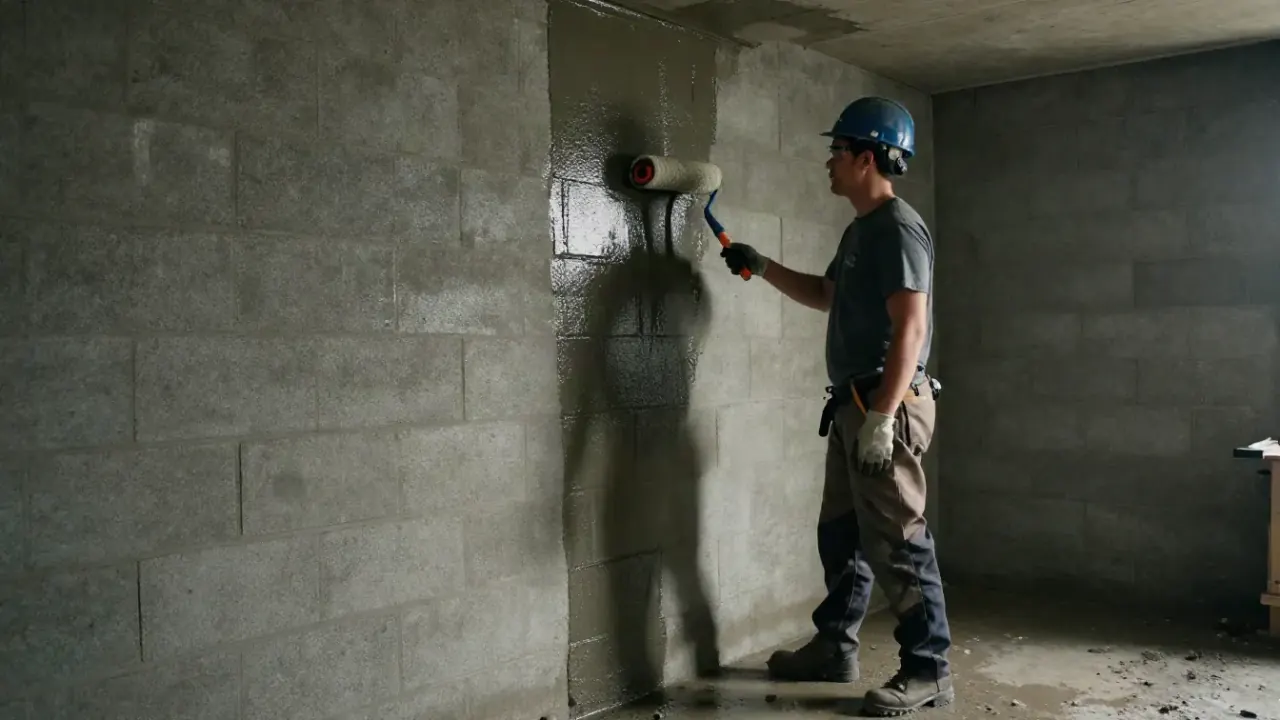
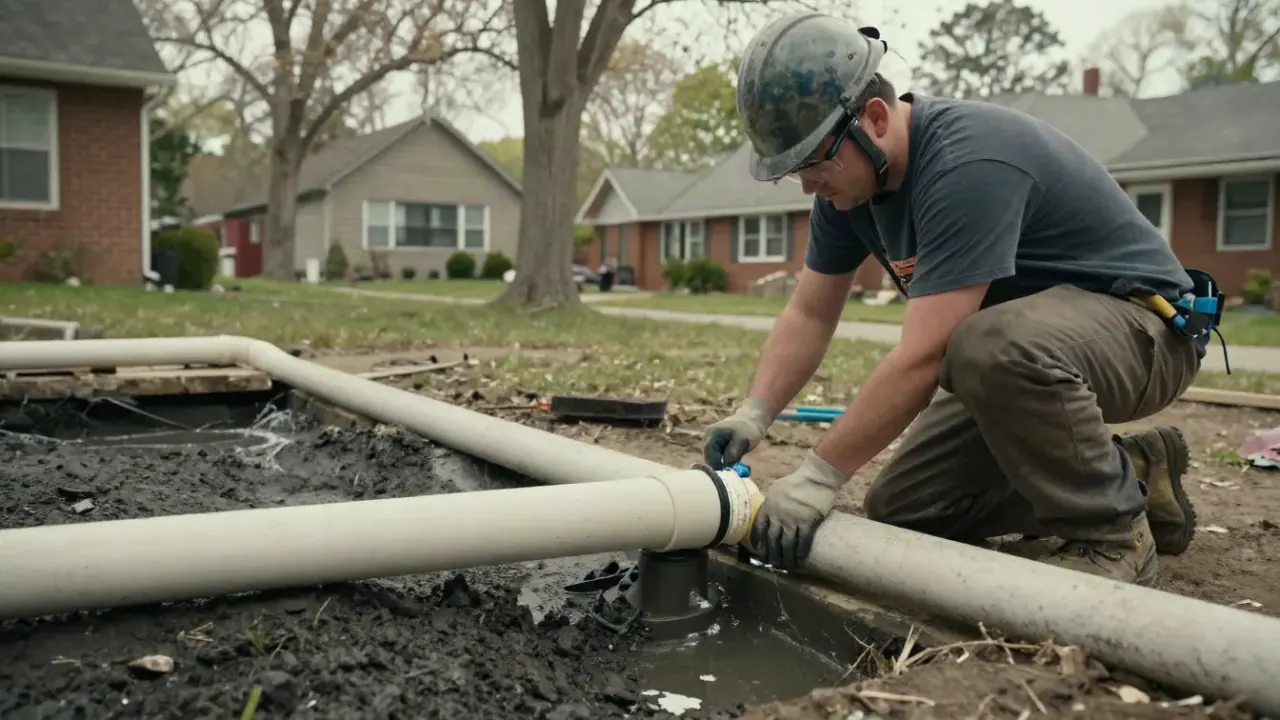
Measured readingsWe record relevant moisture conditions.
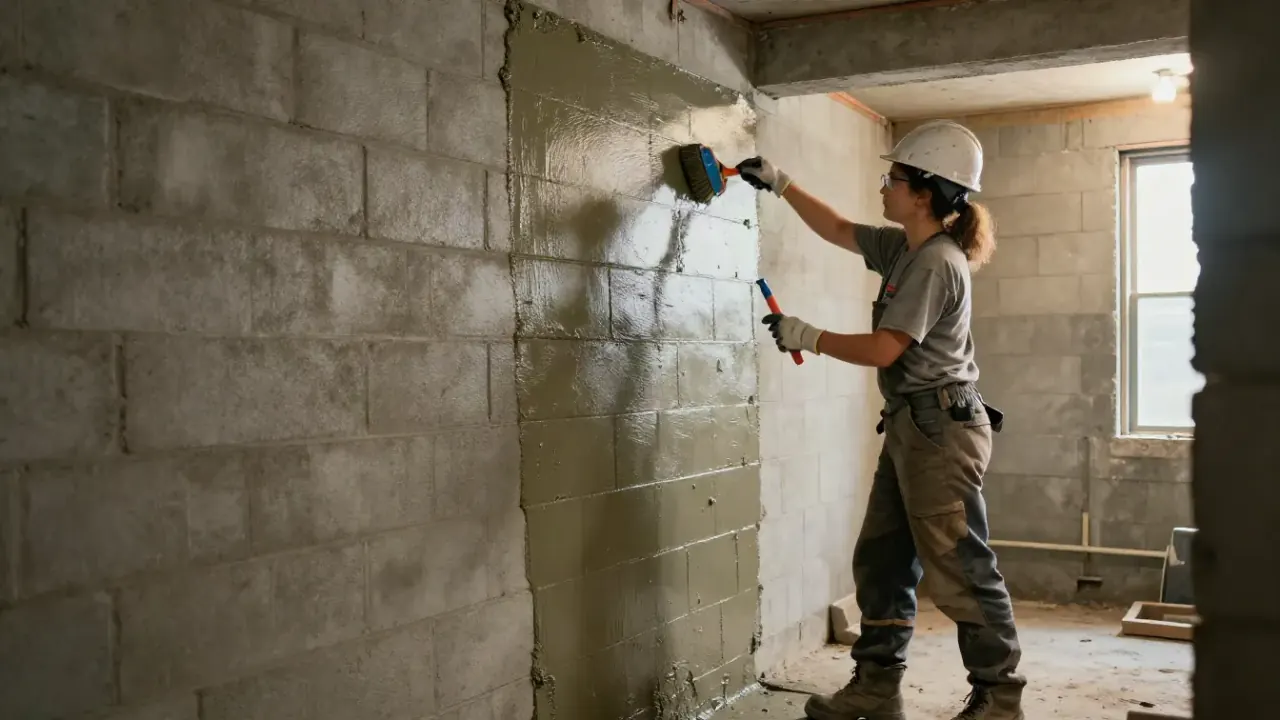
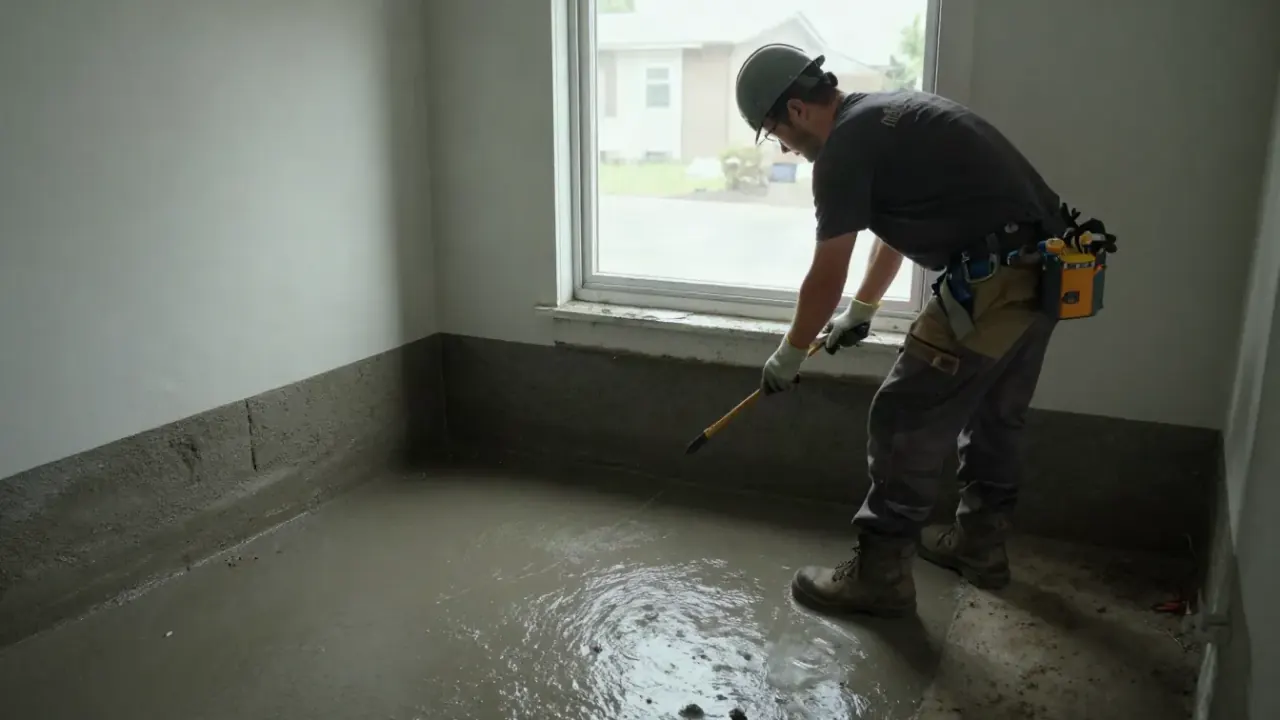
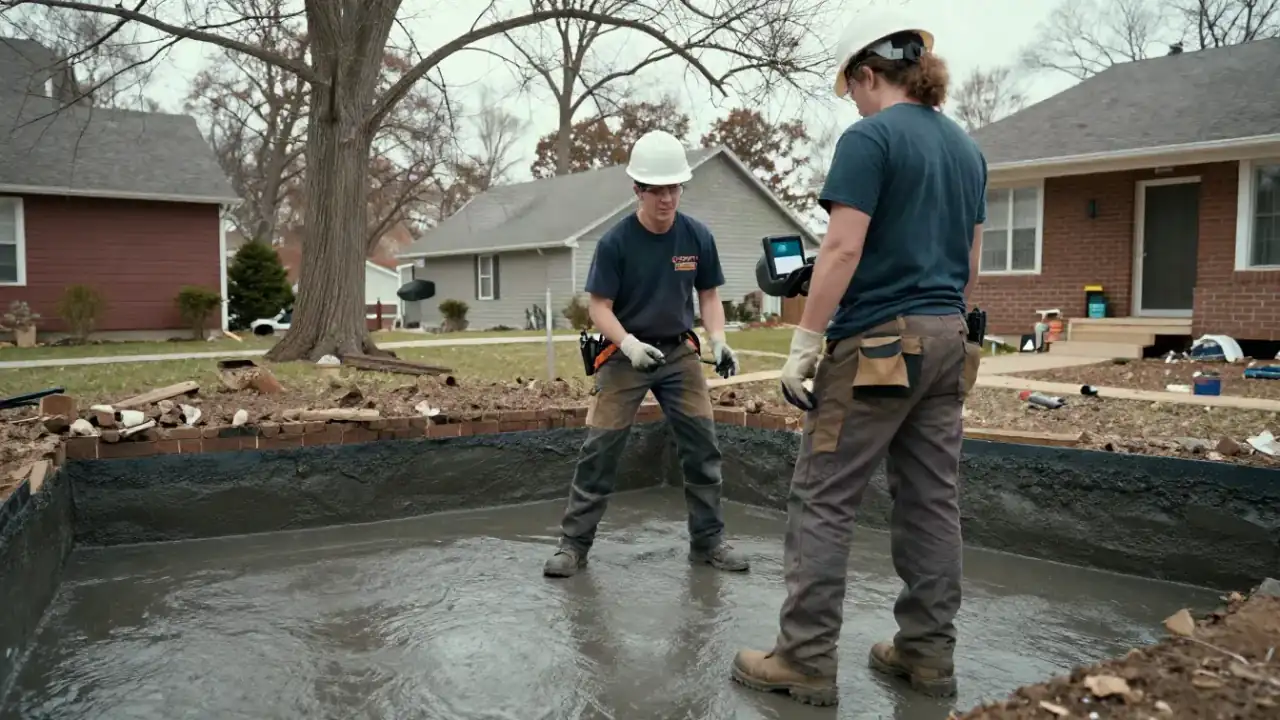
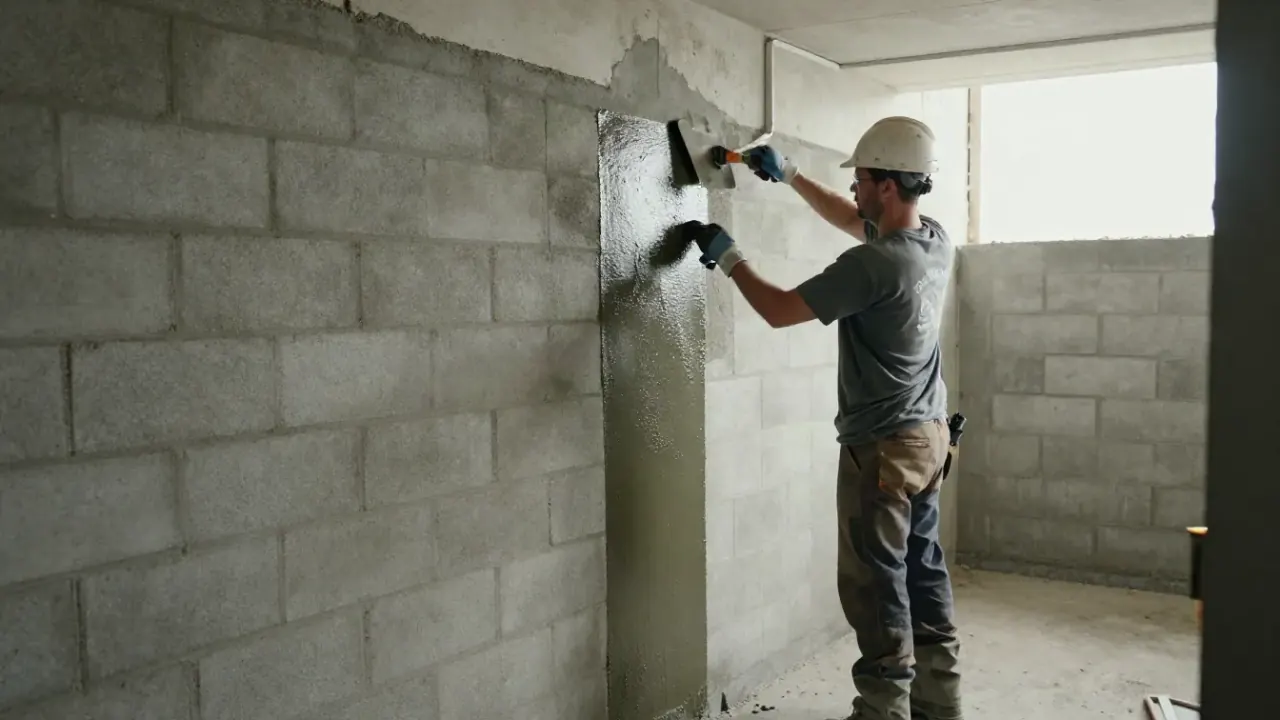
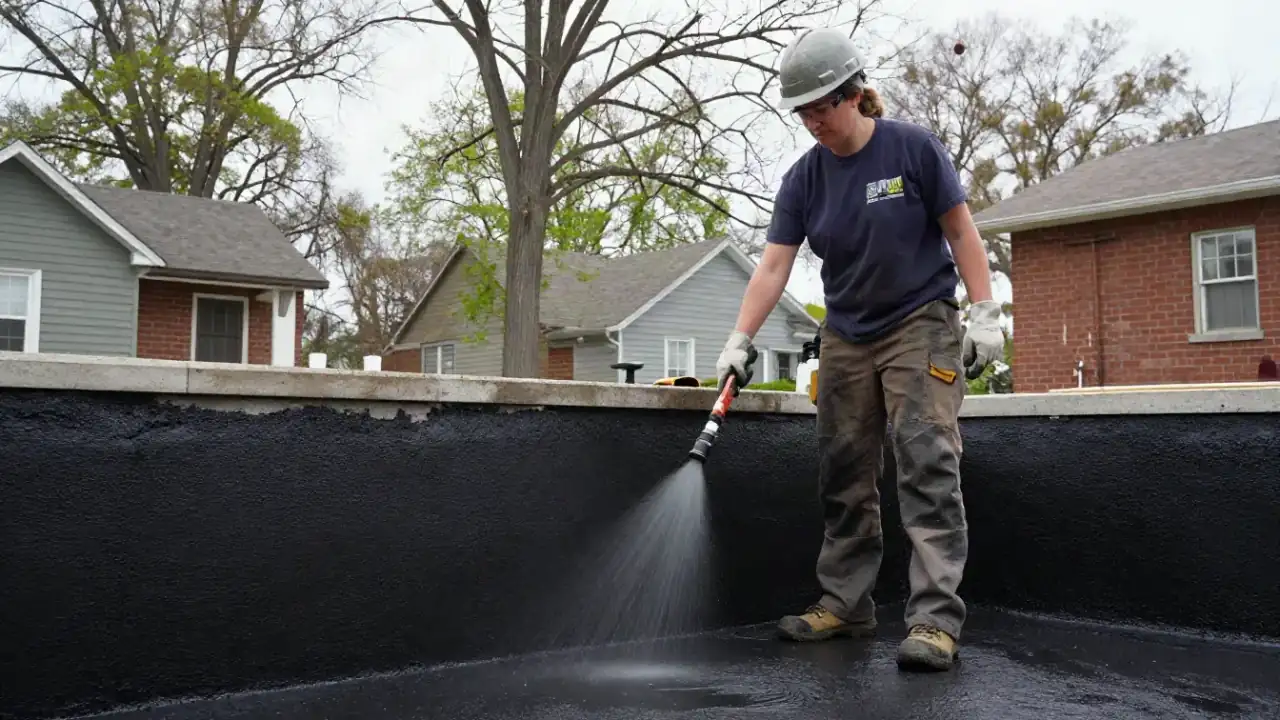
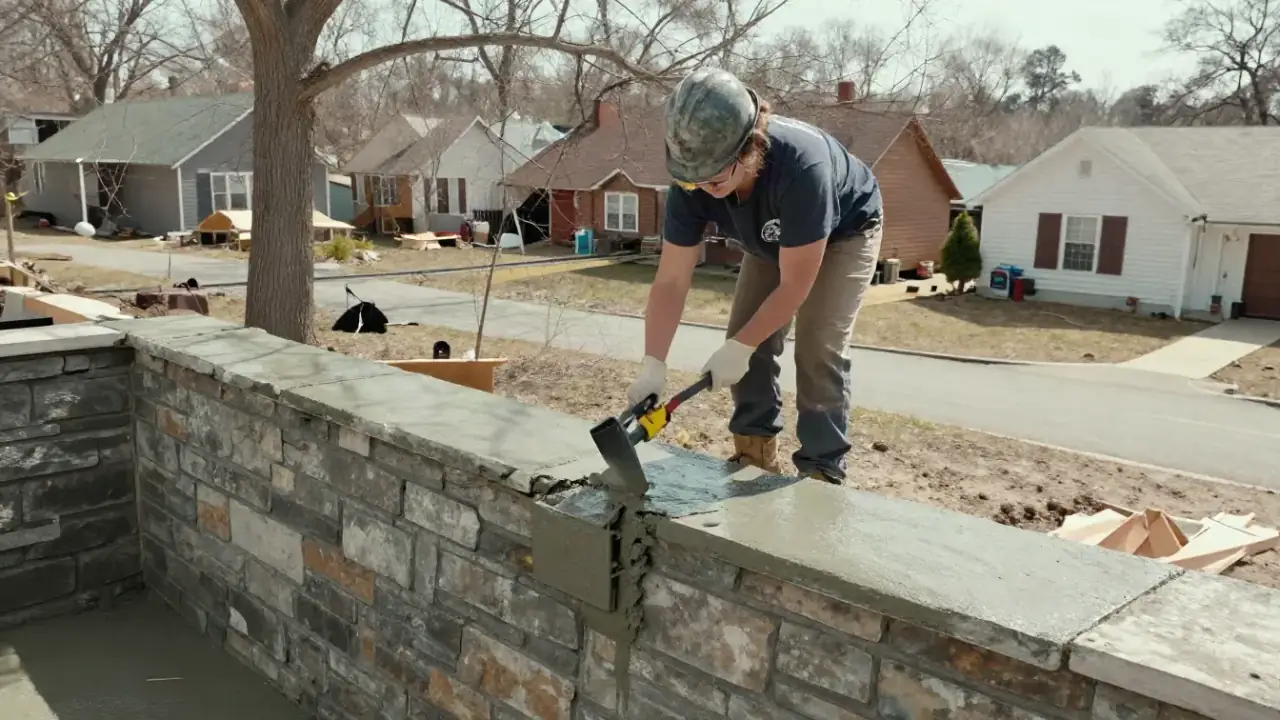
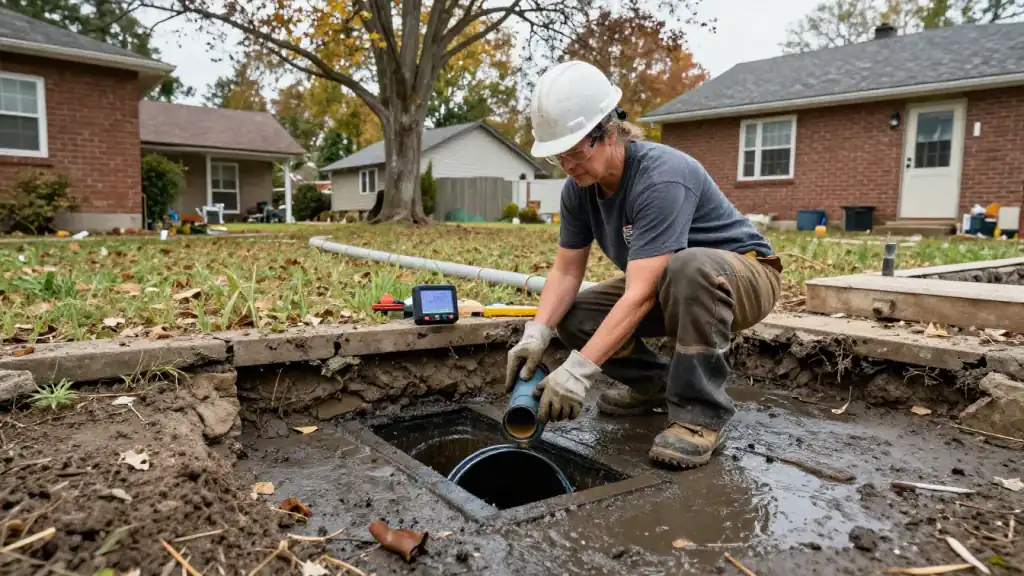
Protected accessWe keep the work path orderly.
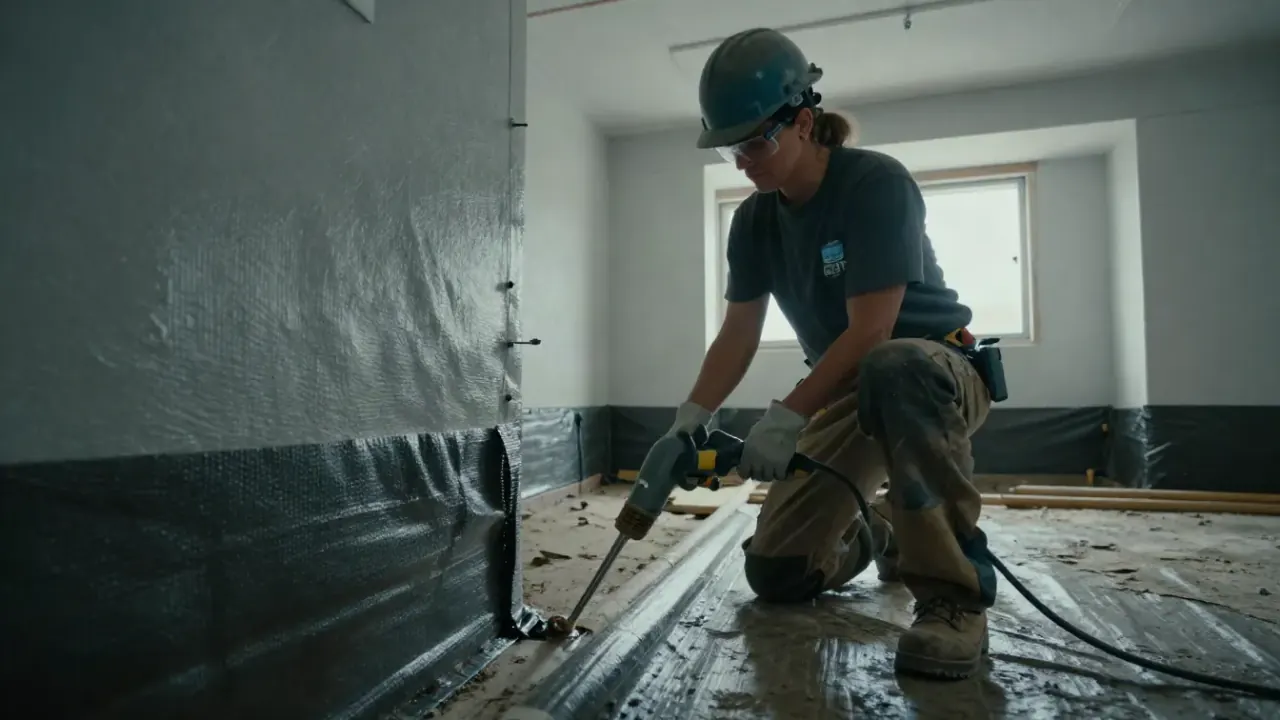
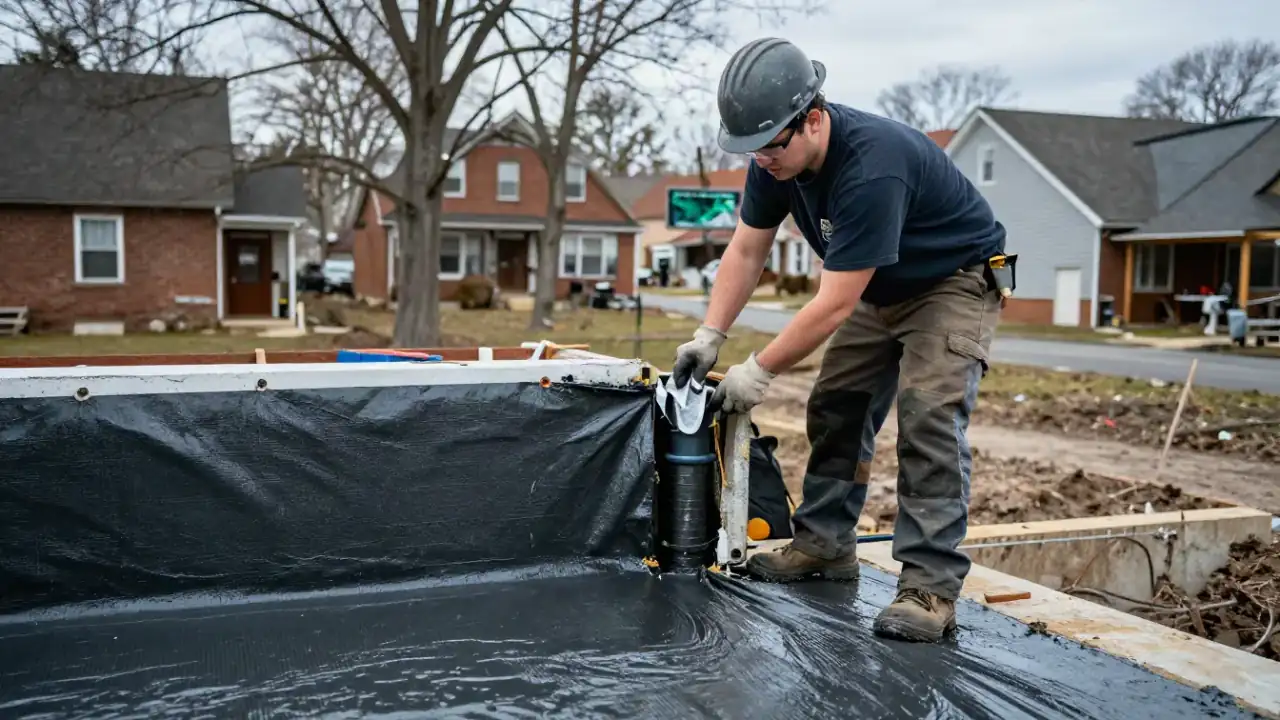
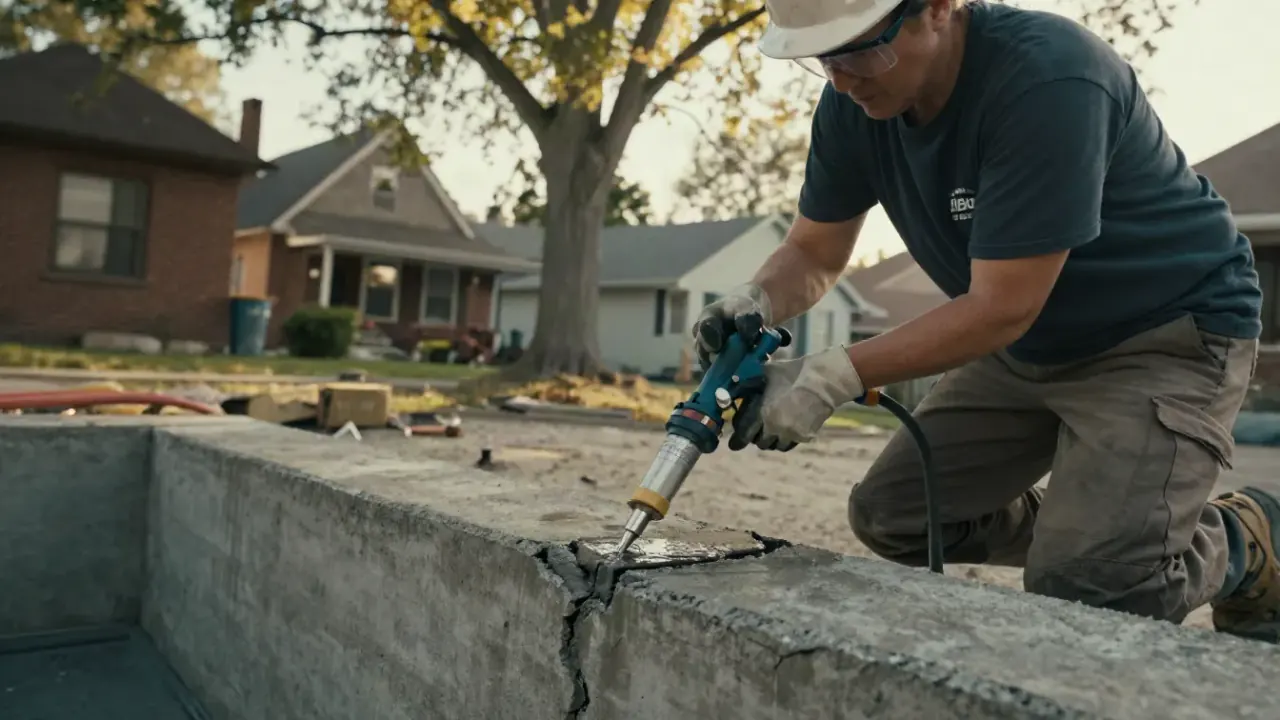
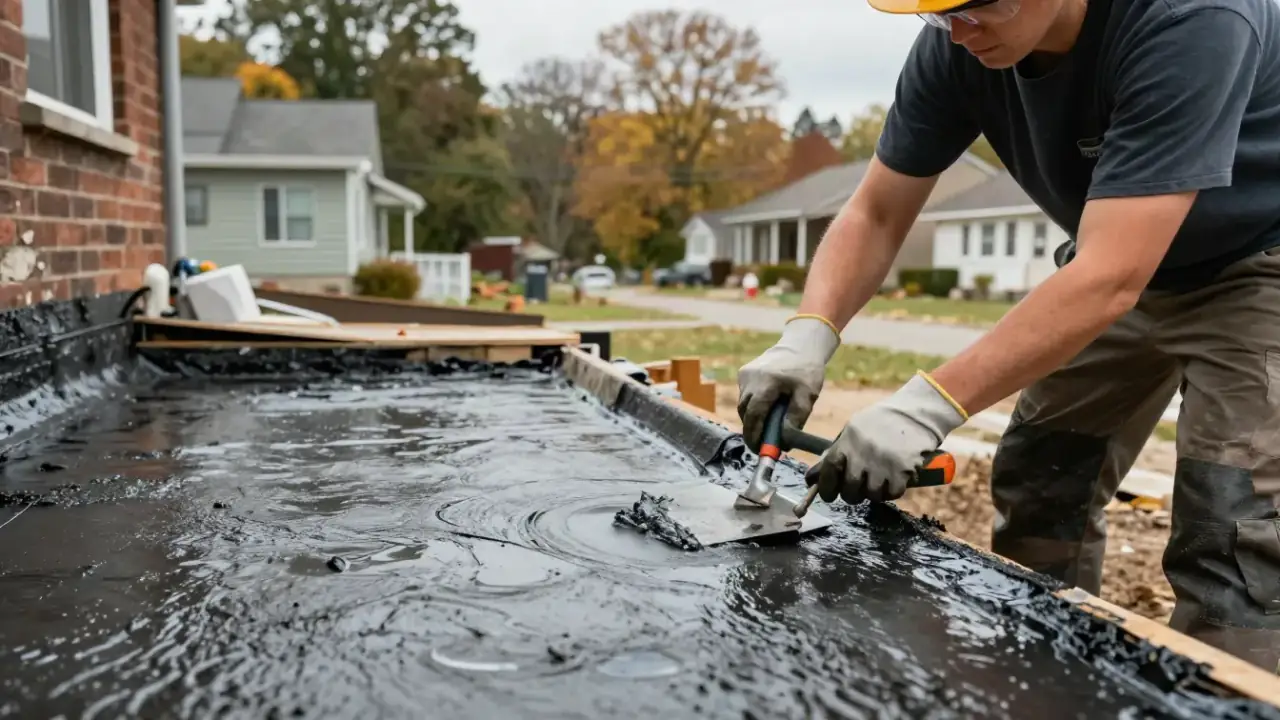
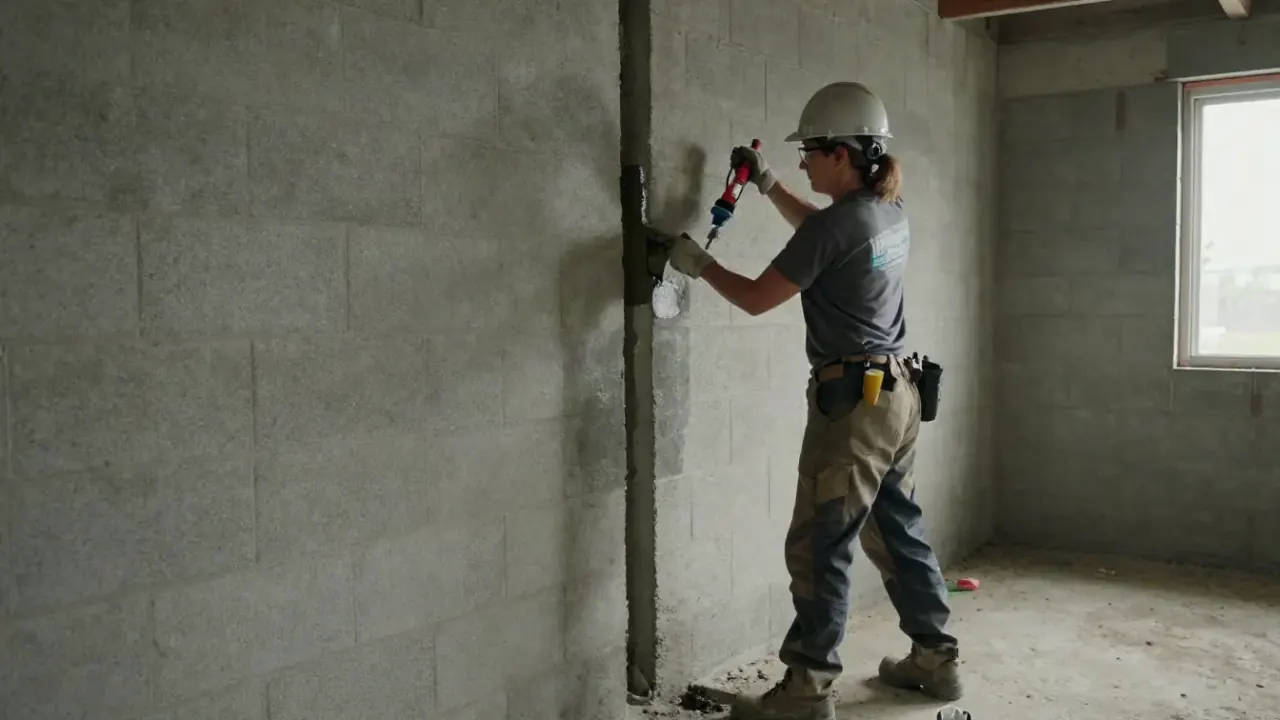
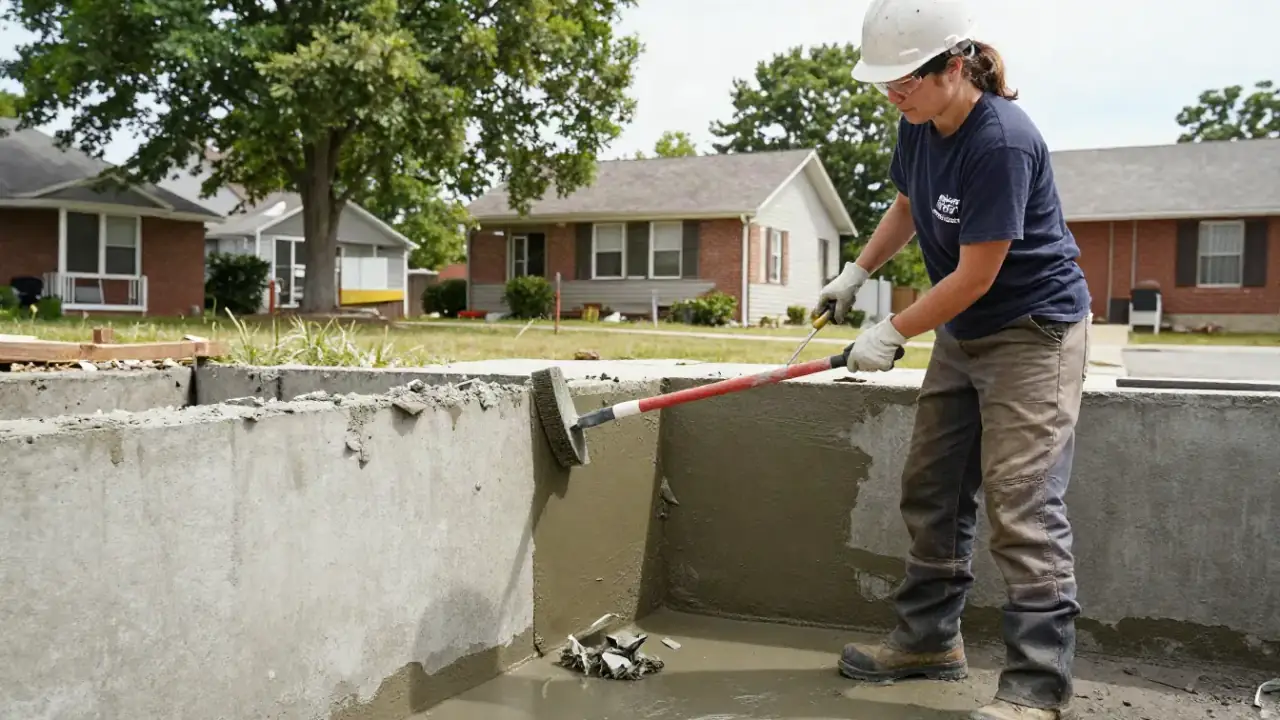
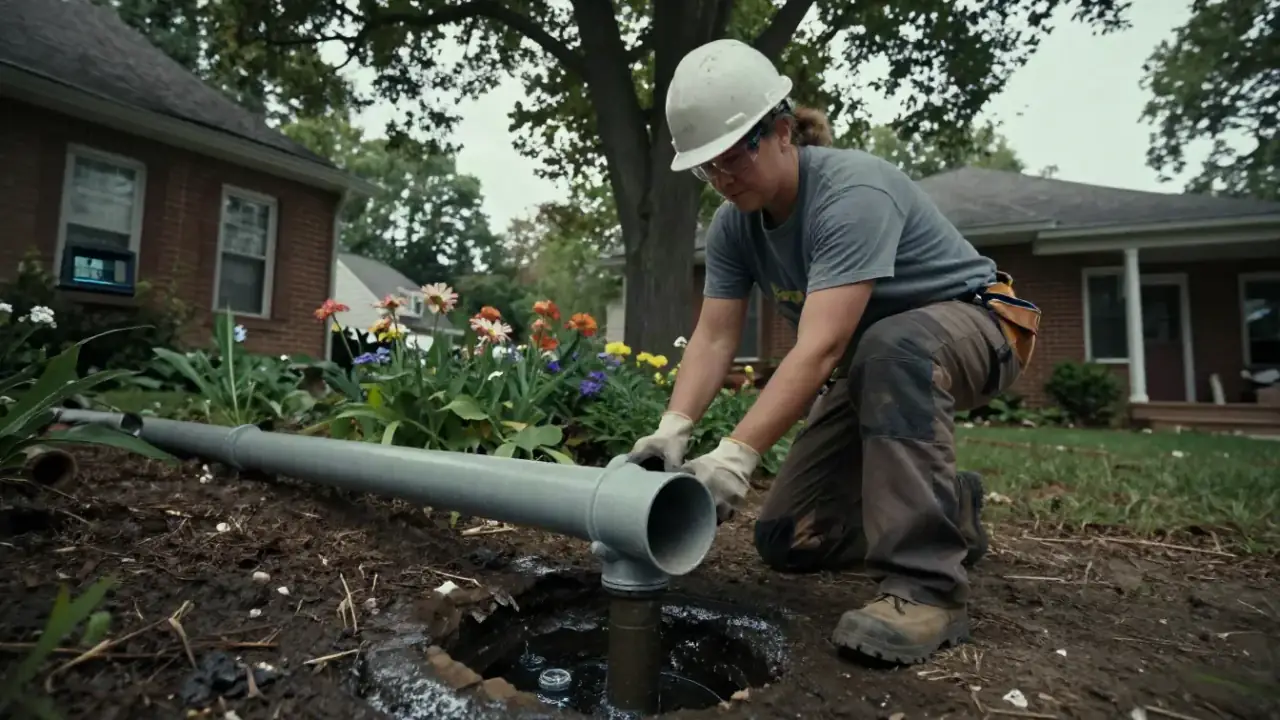
Seam inspectionWe check barrier edges and joins.
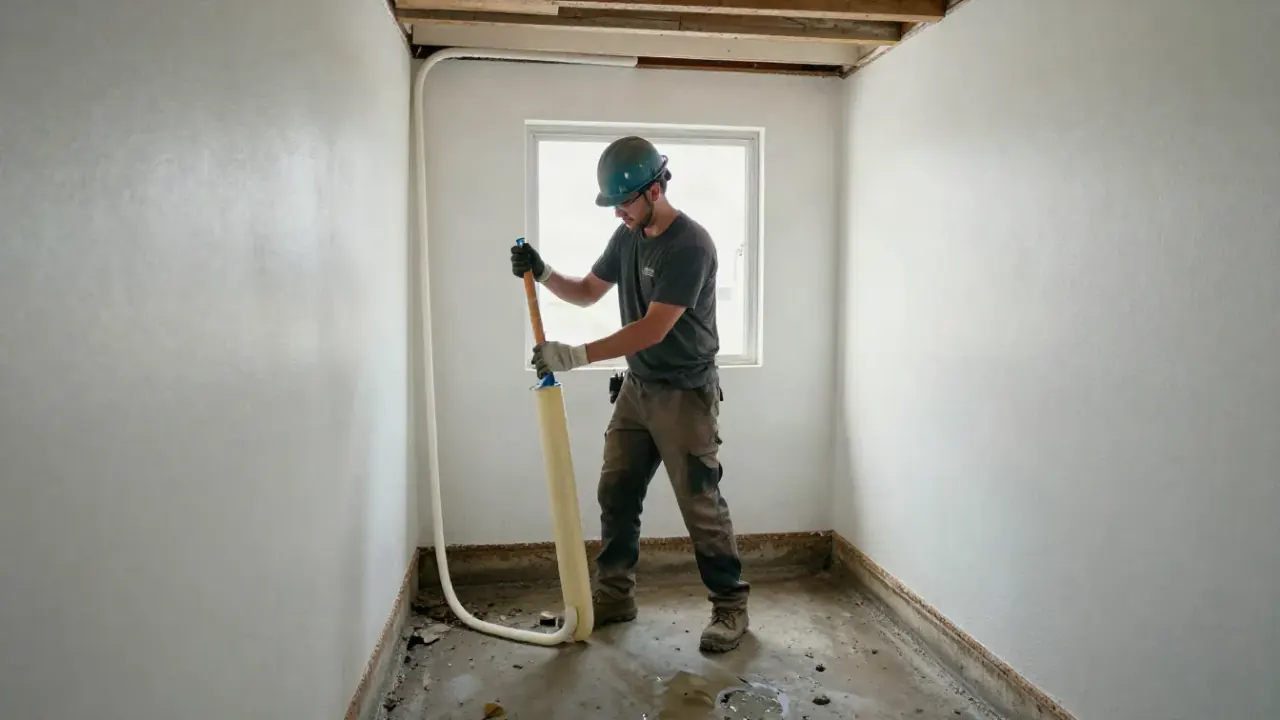
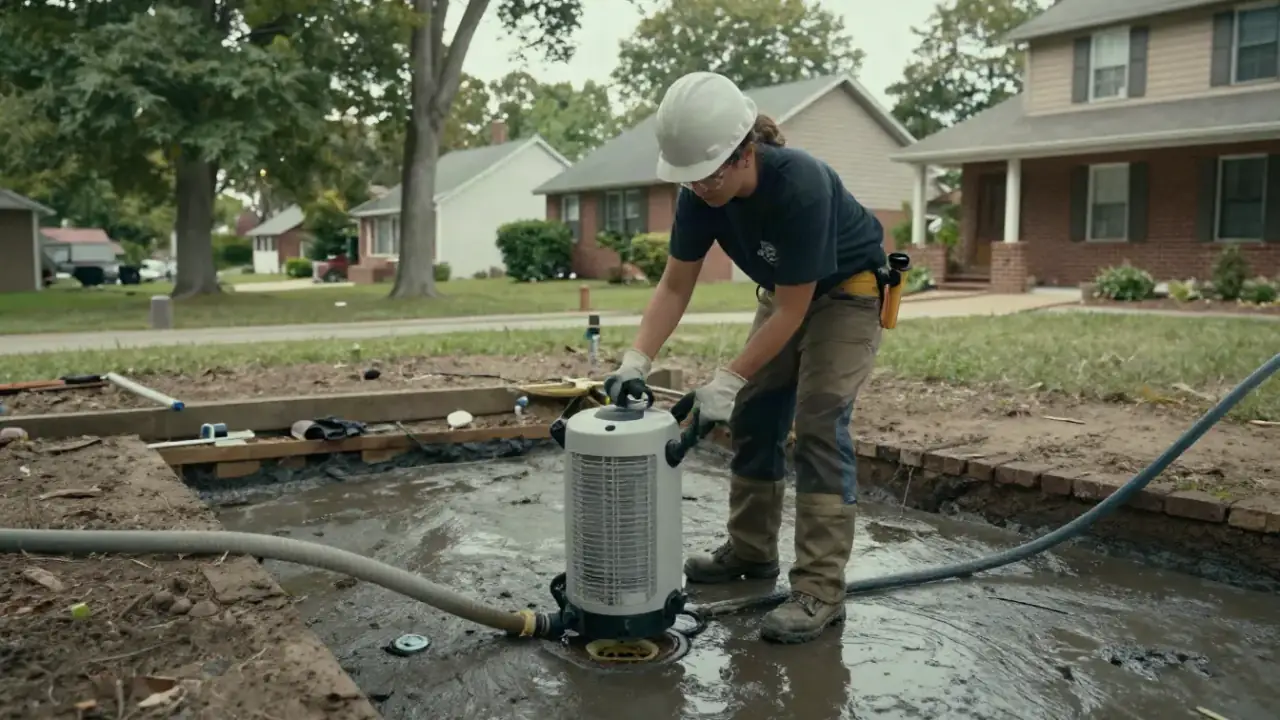
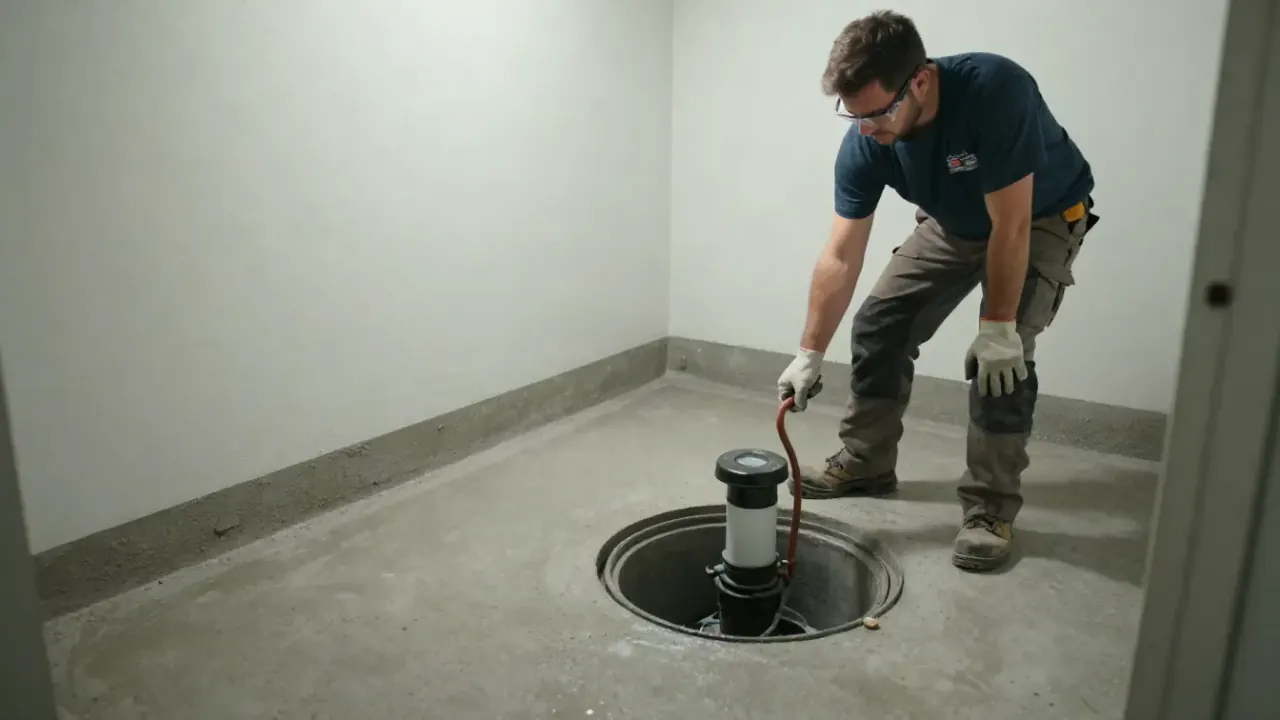
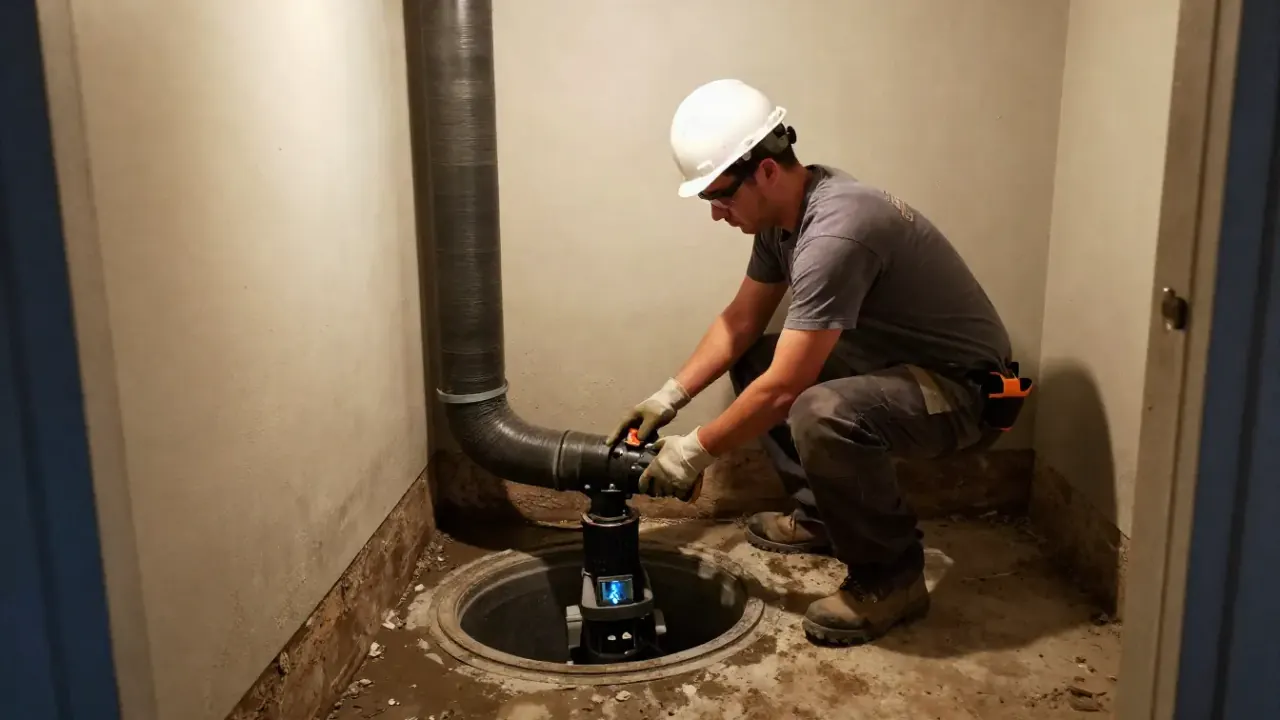
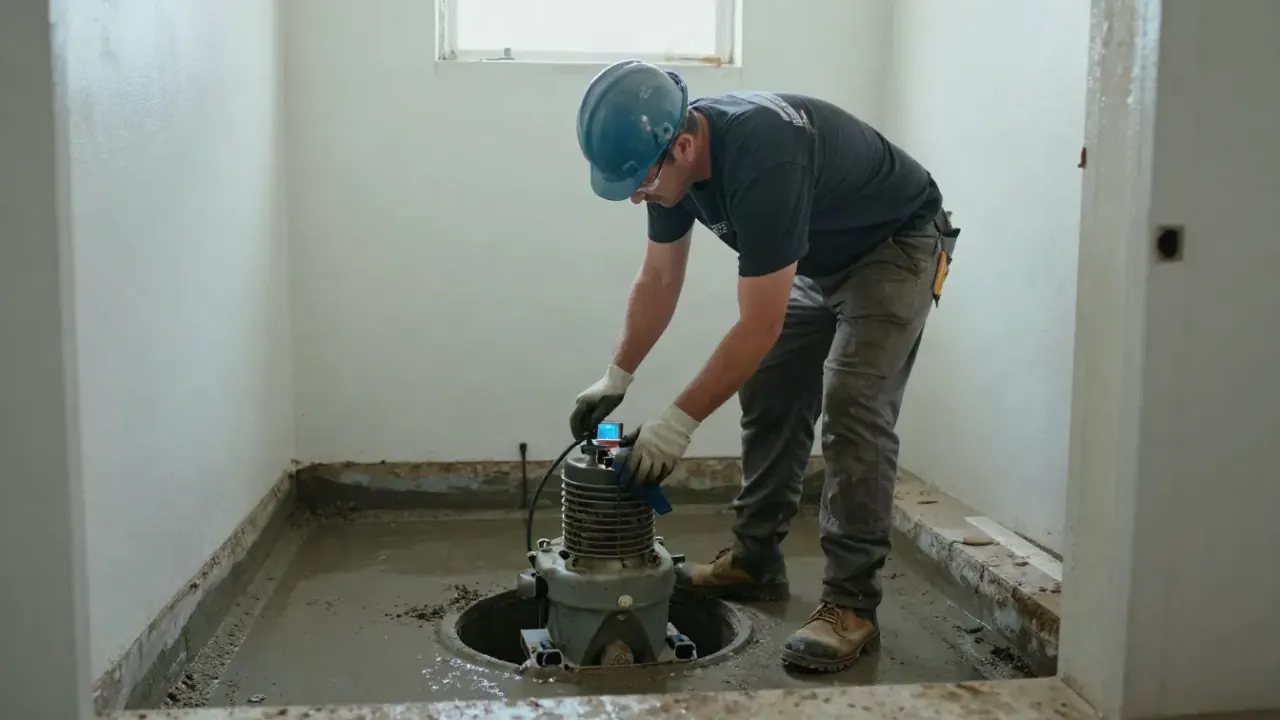
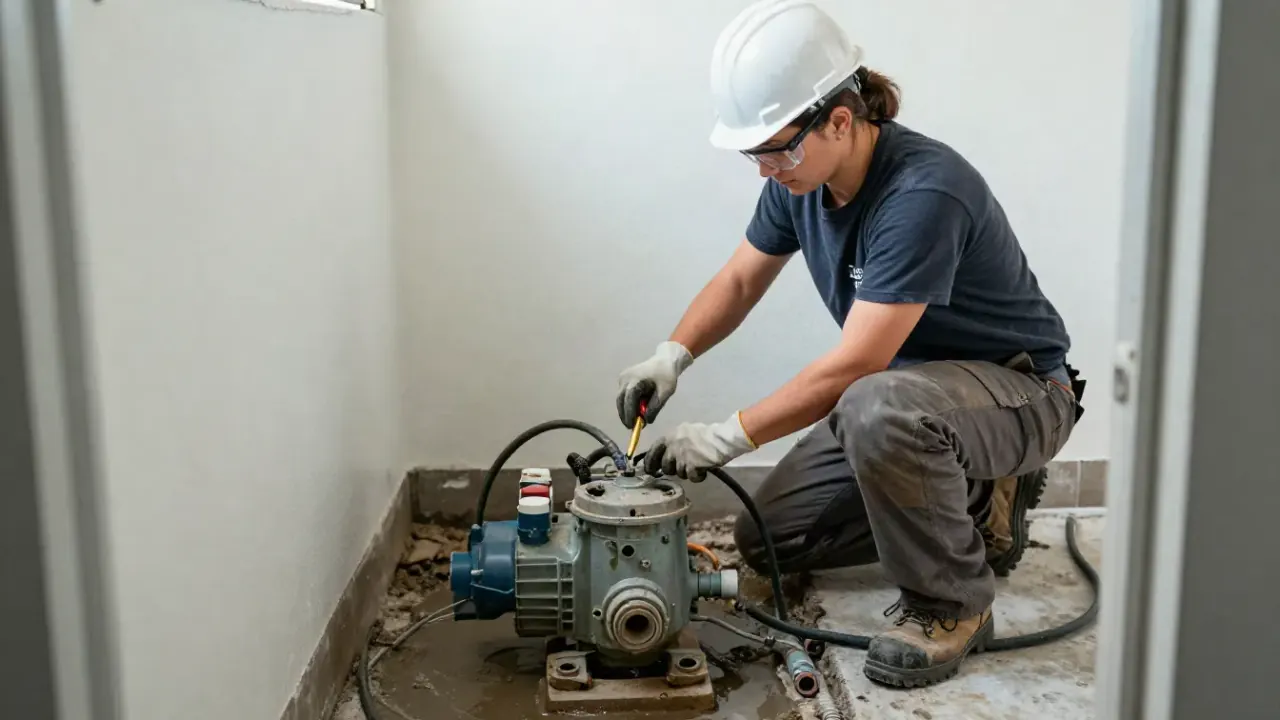
Pump testWe observe cycling and discharge.
What Crawl Space Moisture Control Includes
Your service begins with an inspection of water entry, soil, foundation surfaces, and air conditions. The recommended work may cover vapor control, drainage, pumping, or dehumidification, depending on what is present. We explain which measures fit your crawl space and how they work together; extensive structural repairs or unrelated plumbing work are handled as separate needs when identified.
Moisture Source Inspection
We examine accessible soil, foundation walls, plumbing, vents, insulation, and drainage paths. You can show us where odors or wet areas appear after rain. We note visible seepage, condensation, and standing water so the plan addresses the cause rather than only the symptom.
Ground Vapor Barrier
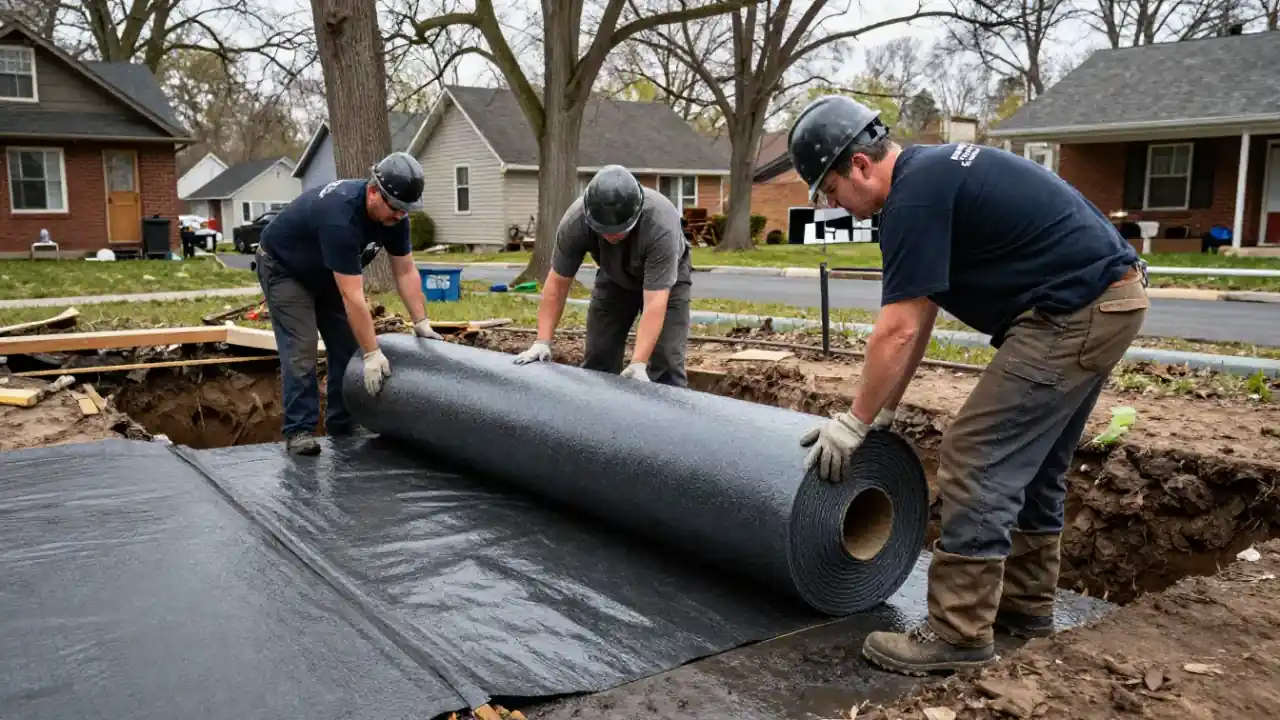
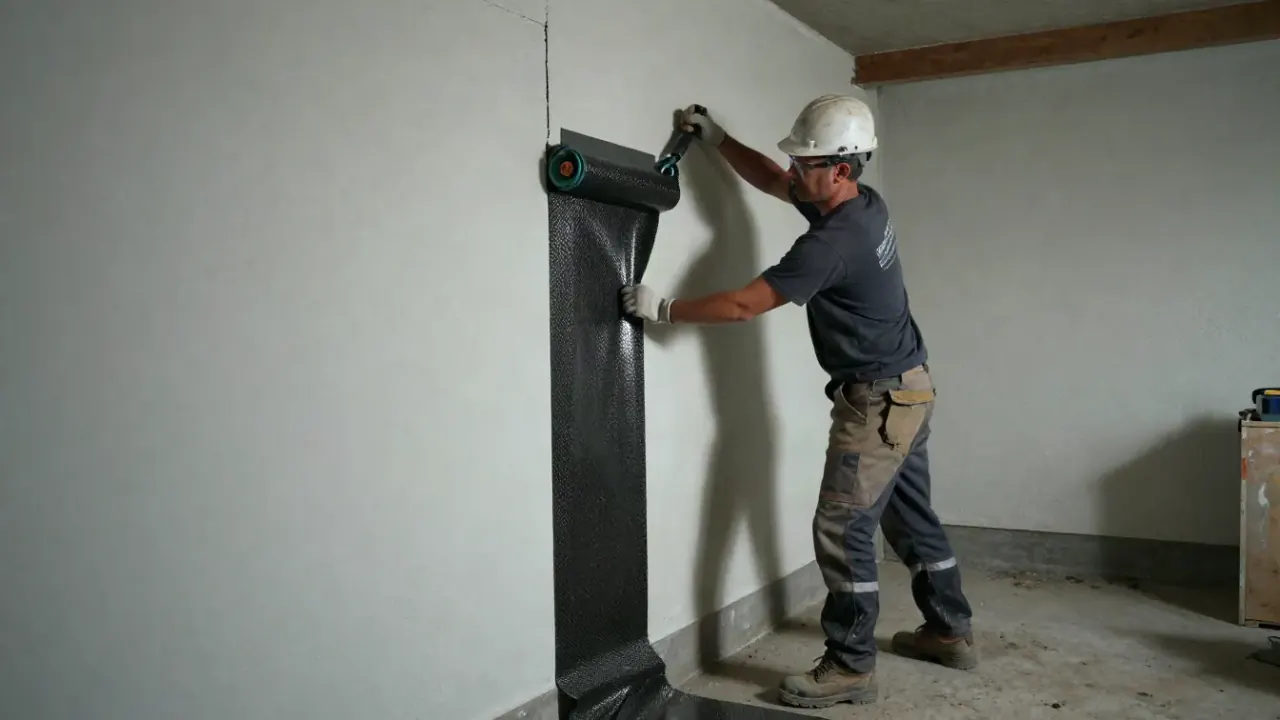
Where exposed soil is releasing moisture, we install and seal a 20 mil polyethylene vapor barrier. The liner is fitted around piers and penetrations, with seams joined to limit vapor bypass. We explain how to keep access points clear for future inspection.
Drainage and Pumping
When liquid water enters or collects, we assess a drainage route and whether a sump basin and pump are needed. We check discharge routing and pump operation so collected water is moved away from the crawl space instead of recirculating beside the foundation.
Humidity Management
Persistent humid air after water entry and ground vapor are addressed may call for a crawl space dehumidifier. We select placement with service access and condensate drainage in mind, then show you how to check the unit and keep its drainage path clear.
Operation Walkthrough
At completion, we review installed controls and demonstrate visible checks, such as pump cycling, discharge flow, and barrier coverage. You receive practical care guidance, including monthly observation of pump operation and seasonal checks of downspouts and exterior pooling.
Homes and businesses.
The approach is the same for a home and a business. What changes is the access, the schedule and who needs the paperwork.
Homes and Rentals
We inspect crawl spaces beneath Warren homes and rental properties for damp soil, leaks, odor, and drainage problems. You receive clear findings and practical care steps.
Musty odors after summer rain
Damp insulation beneath floors
Water near crawl space access
Managed Properties
We help property owners and managers assess crawl space moisture affecting maintenance, storage, or tenant comfort. Our team documents conditions and explains equipment checks.
Recurring moisture in rental buildings
Crawl space odor complaints
Wet areas after storms
Crawl Space Moisture Control Warren OH
A plain-language look at what Crawl Space Moisture Control involves and when it is needed.
crawl space moisture control Warren OH is a moisture-management service that limits ground vapor, directs liquid water away, and reduces damp air beneath a home. We inspect the soil, foundation walls, vents, plumbing, and existing liner before choosing a solution. A moisture meter helps us distinguish a wet surface from persistently humid air; visible mold, condensation, and standing water call for different steps. Depending on the findings, our work may include drainage correction, a 20 mil polyethylene vapor barrier, a crawl space dehumidifier, or a sump pump. The goal is measurable control, not simply covering a wet floor.
Homes in Warren and across Trumbull County face damp soil after spring rain, water collecting near foundations, and humid summer air entering vented crawl spaces. A clogged downspout or poor yard grading can feed the problem long after a storm ends. For crawl space moisture control in Warren, Ohio, we trace water back to its entry point instead of treating odor alone. If you are wondering how to control moisture in a crawl space in Warren, the first step is identifying whether the main load comes from ground vapor, drainage, plumbing, or outside air.
Control the source of water before relying on a barrier, pump, or dehumidifier.
What it is
A service that limits ground vapor, routes water, and manages persistent crawl space humidity.
When you need it
When damp soil, musty odors, condensation, or recurring water appears below your home.
What to expect
Inspection, source correction, suitable controls, equipment checks, and operating guidance.
What Happens During the Job
Crawl space moisture control Warren OH follows a clear sequence: inspect, identify the moisture source, prepare the area, install the selected measures, and verify operation. We keep you informed at each stage, including what we find and how long the work is expected to take.
Inspect Conditions
We begin with a walk-through and crawl space inspection, usually taking 45 to 90 minutes depending on access and size. You can point out odors, seasonal puddles, or rooms with cold floors. We check soil, walls, vents, plumbing, insulation, and visible drainage, then use a moisture meter to record relevant readings.
walk-through
moisture readings
condition notes
Trace Water Sources
Our team separates ground vapor from leaks and outside runoff before recommending work. We follow downspouts, look for yard pooling, check foundation transitions, and note condensation or active seepage. If rainwater is involved, we explain whether grading, drainage, or a pump is the practical correction; if the soil is the source, we plan a sealed barrier.
trace runoff
check seepage
identify source
Prepare the Space
Before installation, we clear accessible debris and make room to work around piers, pipes, and equipment. If standing water is present, a wet/dry vacuum may remove manageable surface water while the underlying cause is addressed. We protect the access path and explain any obstacles, such as low clearance, damaged insulation, or a blocked drain.
clear access
remove debris
protect route
Install Moisture Controls
We install the agreed measures, which may include a sealed vapor barrier, drainage components, or a crawl space dehumidifier. A sump basin and pump are added where collected water needs a controlled discharge route. Many straightforward installations take one to two days; extensive cleanup, access limitations, or drainage work can add time.
fit controls
route drainage
install equipment
Test and Explain
We check seams, edges, pump cycling, discharge routing, and dehumidifier drainage before wrapping up. You receive an explanation of the controls, the operating checks to make monthly, and signs that merit a service call. The walkthrough also covers filter care and keeping downspouts clear so outside water does not undo the work.
test operation
review care
explain checks
Tools and Moisture Methods
Move across a circle, or focus it and press Enter, for an illustrative thermal view of the photograph.
Moisture meter
We use a moisture meter to compare readings on accessible materials and help identify areas that remain damp. Readings are interpreted alongside visible water, condensation, and site conditions.
Crawl space dehumidifier
A crawl space dehumidifier manages persistent humid air after active water entry and soil vapor are addressed. We plan placement and condensate drainage so you can access the unit for routine care.
Submersible sump pump
A submersible sump pump removes water collected in a sump basin. We check basin location, pump cycling, and the discharge route to ensure the water is carried away from the foundation.
20 mil polyethylene vapor barrier
This durable sheet material separates exposed soil from crawl space air. We fit it around piers and penetrations and seal seams to reduce water vapor bypass.
Wet/dry vacuum
A wet/dry vacuum removes manageable standing water during preparation or cleanup. It does not correct the source, so we pair removal with drainage or leak correction when needed.
Thermal views are illustrative, generated from the photographs.
Methods
Perforated drain tile
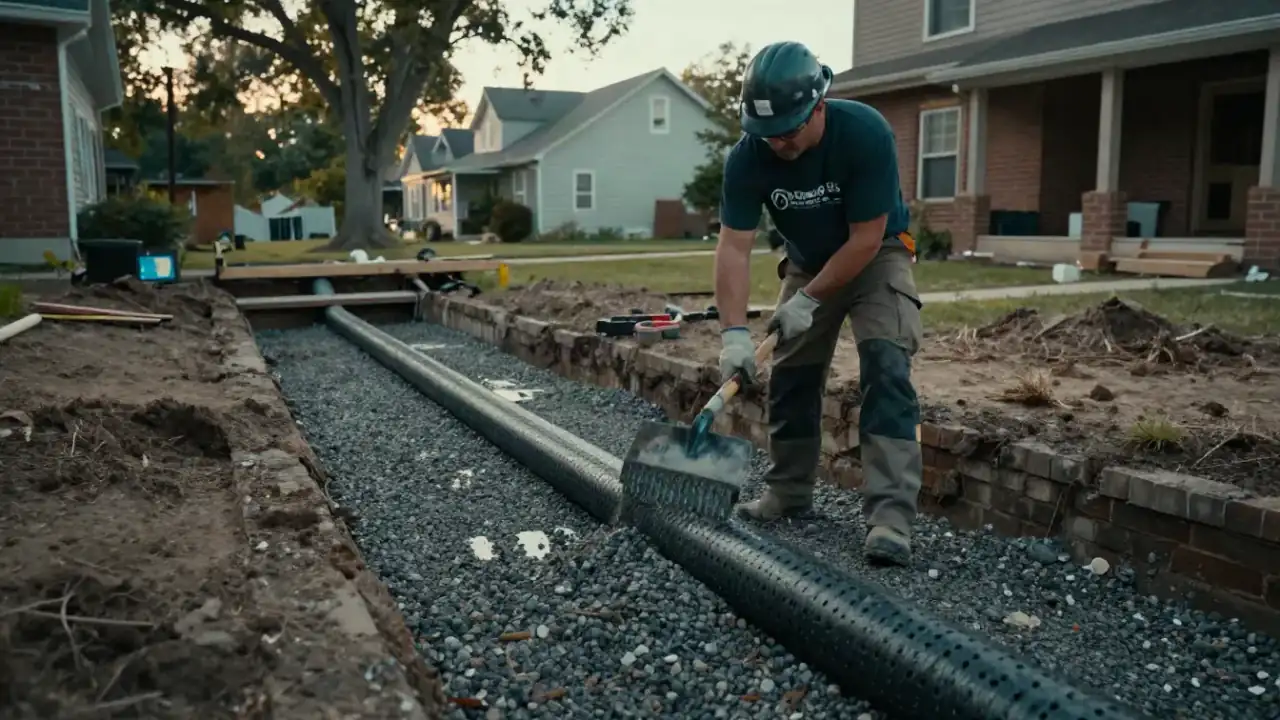
Perforated drain tile collects water along a planned route and directs it toward a discharge point or sump basin. We use it where inspection confirms drainage is part of the problem.
Moisture source mapping
We follow water from the roof, yard, foundation, and plumbing into the crawl space. Mapping distinguishes runoff from seepage and ground vapor, preventing a surface-only repair from being mistaken for a complete solution. Findings guide the choice between grading changes, drainage, pumping, or vapor control.
Sealed ground coverage
We cover exposed soil with a 20 mil polyethylene vapor barrier, overlap seams, and detail around piers and service penetrations. The goal is to reduce moisture transfer from the ground while preserving access to equipment. We check the finished coverage for gaps before completing the walkthrough.
Controlled water collection
Where inspection identifies recurring water, we plan a drainage path that collects it and directs it to a sump basin or suitable outlet. We check discharge routing and pump cycling, then explain what you should observe during routine checks. Drainage is selected to match the water source and crawl space layout.
Humidity reduction
After liquid water and ground vapor are controlled, we assess whether a dehumidifier is needed for residual humid air. We consider space conditions, unit placement, condensate drainage, and access for maintenance. The completed system is checked, and you are shown how to keep its drainage and filter service on track.
When to Call for Moisture Control
summer odor
A Warren homeowner notices a musty floor-level odor returning each summer after the crawl space dries in winter.
We inspect exposed soil, vents, insulation, and framing, then use moisture readings to establish whether dampness is persistent. If ground vapor is the main source, we fit and seal a vapor barrier. Where humid air remains, we assess dehumidification and show you the drainage and filter checks needed afterward.
Outcome: The odor source is addressed below the home, and you have clear monthly checks for the barrier area and any installed equipment.
stormwater pooling
Heavy autumn rain leaves water near the access opening of a Bolindale crawl space.
We trace the water from the yard toward the foundation, inspect downspouts and grading, and look for seepage at walls. If water collects below, we plan drainage and pumping; if runoff is the driver, we correct its route. We test discharge so water has a defined path away from the house.
Outcome: The repair targets the stormwater route and reduces repeated puddles instead of relying on wet/dry vacuum cleanup after every storm.
pipe condensation
A Howland Center property has condensation on pipes and damp insulation despite no visible puddles.
We check plumbing for small leaks, inspect the soil cover and ventilation, and measure moisture conditions. When no active water source is present, a sealed vapor barrier and correctly placed dehumidifier may control the remaining humidity. We also review access for service and condensate drainage.
Outcome: You get a plan for humid air without unnecessary excavation, plus a simple way to monitor the unit and inspect the crawl space.
wall staining
A homeowner finds foundation wall staining and efflorescence after spring snowmelt in Warren.
We examine the stained area, look for foundation wall cracks and seepage, and check nearby discharge and yard slope. If water pressure or drainage is contributing, we correct that pathway before finishing the crawl space controls. Any crack repair is matched to the observed entry condition.
Outcome: The repair addresses the wall or drainage source and gives the vapor barrier or dehumidifier a better chance to control the remaining moisture.
rental inspection
A Warren rental property needs an inspection after a tenant reports a persistent earthy smell.
We inspect accessible areas for water, damp insulation, plumbing leaks, and signs of crawl space mold and musty odors. We document conditions, explain what is causing the smell, and separate immediate water corrections from humidity controls. The property manager receives clear maintenance steps for seasonal checks.
Outcome: The owner has a practical repair path and can address the source before the odor becomes a recurring tenant complaint.
Howland CenterBolindaleChampion Heights
How Crawl Space Work Fits Warren Homes
Warren crawl spaces face wet spring ground, summer humidity, and winter freeze-thaw cycles that can expose weaknesses in drainage. Older homes may have low-clearance access, aging liners, or downspouts that release roof water beside the foundation. We account for those details before recommending crawl space humidity control Warren, including whether moisture comes from soil, seepage, plumbing, or outside air.
The first cold-weather check is useful: look for standing water, damp insulation, and condensation before freezing conditions make access harder. We also inspect yard slope and discharge points after heavy rain, since a crawl space repair will not hold if runoff keeps returning to the same wall.
For how to lower crawl space humidity in Warren Ohio, we combine source correction with the appropriate barrier, drainage, or dehumidification and explain the routine checks. Work is planned to follow applicable Ohio Residential Building Code requirements where relevant, with access and equipment layout considered for each property.
Howland Center: We check low yard areas and roof-water discharge around the foundation, especially where repeated rain leaves soil saturated beside crawl space walls.
Bolindale: Older crawl spaces can have limited clearance and existing liners that no longer seal around piers. We inspect access and bypass points before planning replacement.
Champion Heights: Where runoff crosses a yard toward the home, we follow its route and check whether downspout extensions or drainage controls should accompany crawl space work.
Warren: We assess the foundation, soil, and service access at each property rather than assuming neighboring homes share the same moisture source.
Spring rain saturates soil beside foundations and crawl space walls: Saturated ground can increase seepage and leave soil damp beneath a home. We check yard grading, downspout discharge, and visible wall staining to determine whether outside drainage must be corrected alongside interior moisture controls.
Humid summer air enters through vents and meets cooler surfaces: Warm, damp air can condense on pipes and framing even without a plumbing leak. We assess air pathways and moisture readings, then determine whether a sealed ground barrier or dehumidification is appropriate after bulk water is managed.
We inspect access, water paths, soil, and visible moisture conditions.
We protect the work route and prepare the crawl space area.
We review operation, maintenance checks, and any follow-up steps.
From problem to finished result.
IllustrativeThe thermal view is generated from the photograph. It is not a measurement. Drag the handle, or use the arrow keys once it is focused.
Damp Soil Under a Warren Home
Before: The crawl space had bare soil, a sour odor, and dampness near the center pier. No standing water was visible during the visit, but the ground and lower insulation showed signs of repeated moisture. The existing plastic sheet ended short of the walls, leaving exposed soil and gaps around utility lines.
After: We fitted a 20 mil polyethylene vapor barrier, sealed seams, and detailed it around the piers and penetrations. The exposed ground was covered, and the owner received a monthly check routine. The result addressed ground vapor without adding a pump where inspection found no need for one.
Check the access area and visible seams each month, especially after moving stored items. Keep the barrier clear of sharp tools, and call if new standing water, tears, or a persistent odor appears.
Stormwater Near the Crawl Space
Before: After heavy rain, water gathered along one wall in a Bolindale home. A nearby downspout ended beside the foundation, and the crawl space stayed damp for days. The owner had been removing small puddles but had not corrected the runoff route or provided a controlled collection point.
After: We redirected the water path and installed drainage leading to a sump basin with a submersible sump pump. The pump cycled during testing and the discharge moved water away from the house. The owner learned how to observe operation and keep the outlet clear after storms.
Observe pump cycling monthly and after major rain, and check that the discharge point remains open. Keep leaves and soil away from the outlet, and report unusual cycling or water returning to the basin.
Humid Air and Wet Insulation
Before: A Warren homeowner found condensation on plumbing and damp insulation despite no obvious puddles. The existing liner did not cover all soil, and the crawl space air smelled earthy during summer. Without checking humidity sources, adding a dehumidifier alone could have left the ground vapor problem untouched.
After: We sealed exposed soil, checked for plumbing leaks, and installed a crawl space dehumidifier with accessible condensate drainage. The owner received operating and filter-care instructions. Ground vapor and residual humid air were addressed with separate measures rather than asking one unit to manage both.
Inspect the condensate route and filter monthly, and keep the unit accessible. Check for renewed damp insulation or plumbing drips, since a new water source can change the system's workload.
How to Lower Crawl Space Humidity in Warren Ohio
Dampness beneath a home often combines more than one source. Crawl space moisture control Warren OH begins by separating ground vapor, seepage, runoff, and plumbing leaks, then correcting each relevant pathway. That approach avoids relying on a dehumidifier to compensate for active water entry.
musty airMusty odor rising through floors after humid weatherOdor can spread into living areas and point to persistent moisture beneath the home. Damp air also makes the crawl space harder to inspect and may affect stored materials. If exposed earth is the source, we seal it with a fitted vapor barrier; if humid air persists after water entry is managed, we assess dehumidification. You get a source-based plan rather than fragrance or surface treatment.
standing waterStanding water left behind after repeated Warren rainstormsWater can keep soil saturated, wet insulation, and increase dampness around framing. Repeated pooling also points to a drainage or discharge issue that will return with the next storm. We trace water from the yard and foundation to the crawl space, checking downspouts, grade, seepage, and existing drains. Where collection is necessary, we install a drainage route and sump system suited to the area, then test discharge. We also identify exterior changes that help reduce the incoming water load.
damp insulationCondensation and damp insulation beneath the subfloorCondensation can leave insulation wet and reduce its usefulness, while persistent dampness creates conditions for odor and material deterioration. A quick surface cleanup does not control humid air. We look for temperature and humidity conditions, plumbing drips, and air pathways before selecting controls. The solution may combine a sealed soil barrier with a crawl space dehumidifier, but we correct leaks and bulk water first. We then explain unit care and the conditions you should monitor.
runoff entryWater entering near a clogged or buried downspoutRoof runoff released beside the home can saturate foundation soil and feed seepage into a crawl space. The symptom may appear indoors well after the rain has stopped. We follow the roof-water route and inspect where the downspout ends, whether it is obstructed, and how the yard slopes. A downspout extension or drainage correction can move runoff away from the foundation. We then check the crawl space for remaining water and recommend any interior control still needed.
Practical Results Below Your Floors
A controlled crawl space starts with the moisture source, not the odor.
Less Musty Air
Persistent dampness can carry earthy odors through floor gaps and into bedrooms or hallways. We address the wet soil or humid air driving the smell, then verify conditions with a moisture meter. A crawl space dehumidifier Warren OH homeowners need is selected to fit the space and drainage plan, not chosen by a one-size-fits-all rule.
Protected Floor Framing
Wood joists and subfloor materials stay exposed to humid air beneath the home. Reducing prolonged moisture helps limit conditions that support deterioration and surface growth. We look for wet insulation, plumbing drips, and visible staining, then correct the moisture pathway so you are not just masking a symptom with a new liner.
Managed Ground Vapor
Bare soil releases water vapor even when no puddle is visible. We cover exposed earth with a properly fitted 20 mil polyethylene vapor barrier, sealing seams and detailing edges around piers and penetrations. That physical separation reduces the moisture load entering your crawl space and gives the rest of the system a more stable starting point.
Fewer Storm Surprises
Rainwater against the foundation can turn a manageable damp area into standing water. Our inspection follows discharge paths, checks for pooling, and identifies whether drainage or pumping is needed. A properly sized sump pump and clear discharge route help move collected water away instead of letting it soak into the crawl space again.
What you receive
Clear records you can keep and share.
Inspection notes
Observed moisture sources and conditions.
Photo record
Images of accessible work areas.
Care guide
Routine equipment and drainage checks.
Work summary
Installed controls and operating details.
Separate Water From Humidity
A damp crawl space may have liquid water, ground vapor, humid air, or several sources that need different controls.
Liquid water
Water enters through seepage, runoff, leaks, or failed drainage.
Look for puddles
Trace outside runoff
Check pump discharge
Ground vapor
Moisture moves upward from exposed soil into crawl space air.
Inspect soil coverage
Seal barrier seams
Detail around piers
Humid air
Persistently damp air may need dehumidification after water sources are controlled.
Check condensation
Plan condensate drainage
Keep service access
Materials and systems
20 mil barrier
drain tile
washed gravel
sump basin
submersible pump
discharge pipe
dehumidifier
moisture meter
Service ZIP codes.
A list like this tells people straight away whether you cover their street. Not listed? Call and ask: it only takes a minute.
Control crawl space moisture by stopping water entry, covering exposed soil, and managing humid air with suitable drainage or dehumidification. We inspect your Warren home for plumbing leaks, pooling outside, damp foundation walls, and ground vapor before choosing the fix. A sealed 20 mil vapor barrier often reduces soil moisture; active water may need drainage and a sump pump. The right combination depends on what the inspection finds, not odor alone.
Sustained crawl space relative humidity above 60 percent is a warning level worth investigating. A brief reading can shift with outdoor weather, so we look for repeated high readings alongside condensation, damp wood, or musty odors. In Warren, a summer humidity spike does not automatically mean a large repair; the key is whether moisture persists and whether water is entering. We use measurements and visible conditions together.
Yes, a crawl space dehumidifier helps when persistent humid air remains after bulk water and ground vapor are controlled. It is not a substitute for repairing leaks, correcting drainage, or covering bare soil. We check capacity, placement, drainage, and service access before installation. A properly selected unit can reduce damp air, but you still need to keep the discharge clear and inspect the space periodically.
High crawl space humidity usually comes from exposed damp soil, rainwater intrusion, plumbing leaks, or humid outdoor air entering through vents. Warren homes can also see water collect where downspouts discharge close to the foundation or yard grading slopes toward the house. We trace the path, check for failed drain tile and seepage, then match the repair to the source so a dehumidifier is not left to handle an active water problem.
Damp soil, musty air, or water after a storm deserves a source check, not another temporary cleanup. Call Warren Waterproofing Pros at (555) 123-4567 to discuss your crawl space and arrange a practical inspection.
Tell us where water is showing up, how long it has been happening, and whether a sump pump or drain is involved. Call (555) 123-4567 during our weekday business hours, Monday through Friday, 8 a.m. to 6 p.m. We serve Warren, Ohio, and nearby communities, and will help you plan the right inspection for your basement or crawl space.