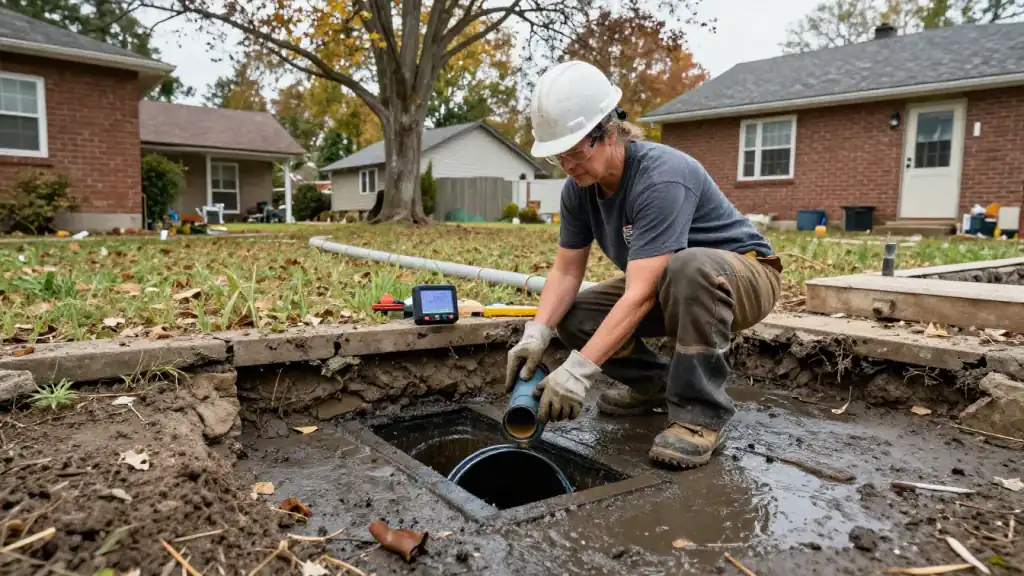
yard drainage solutions Warren OH help homeowners and property managers move pooling rainwater away from lawns, walkways, and foundations. We inspect the slope, roof runoff, soil, and low spots before choosing a drain layout. If your yard stays soggy after a storm or water runs toward the house, our team designs a practical fix for your property in Warren, Ohio.
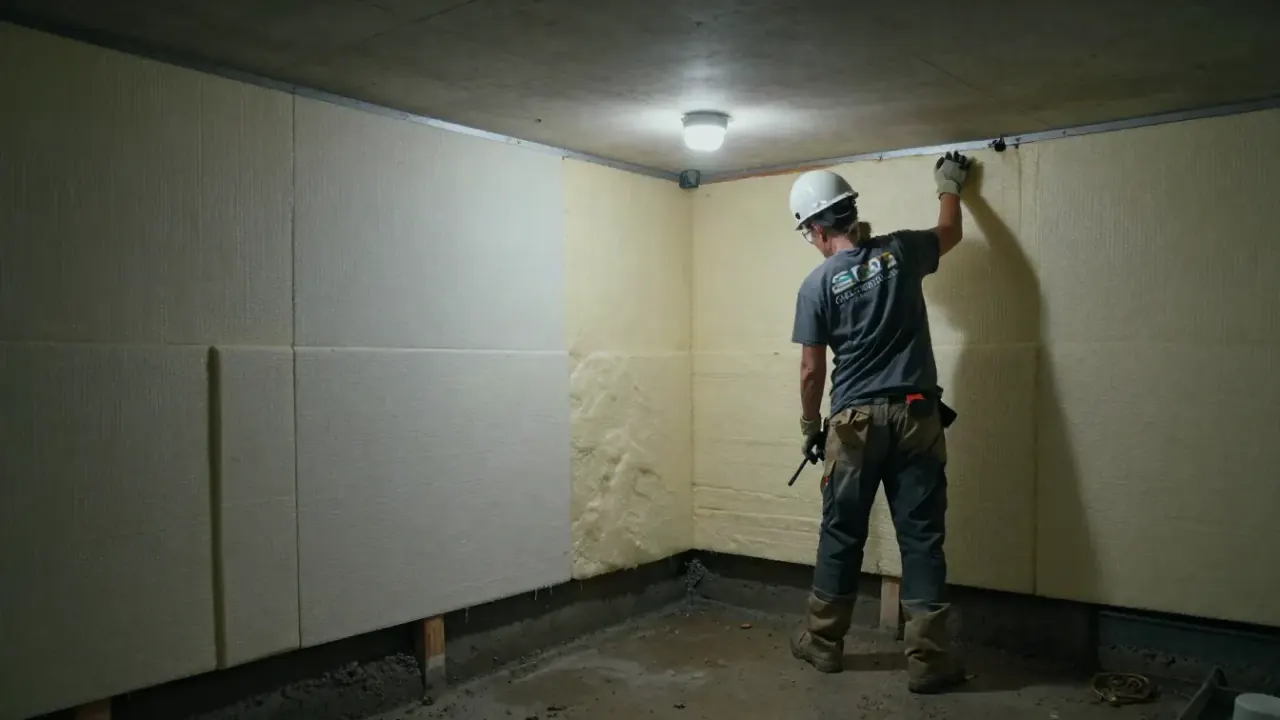
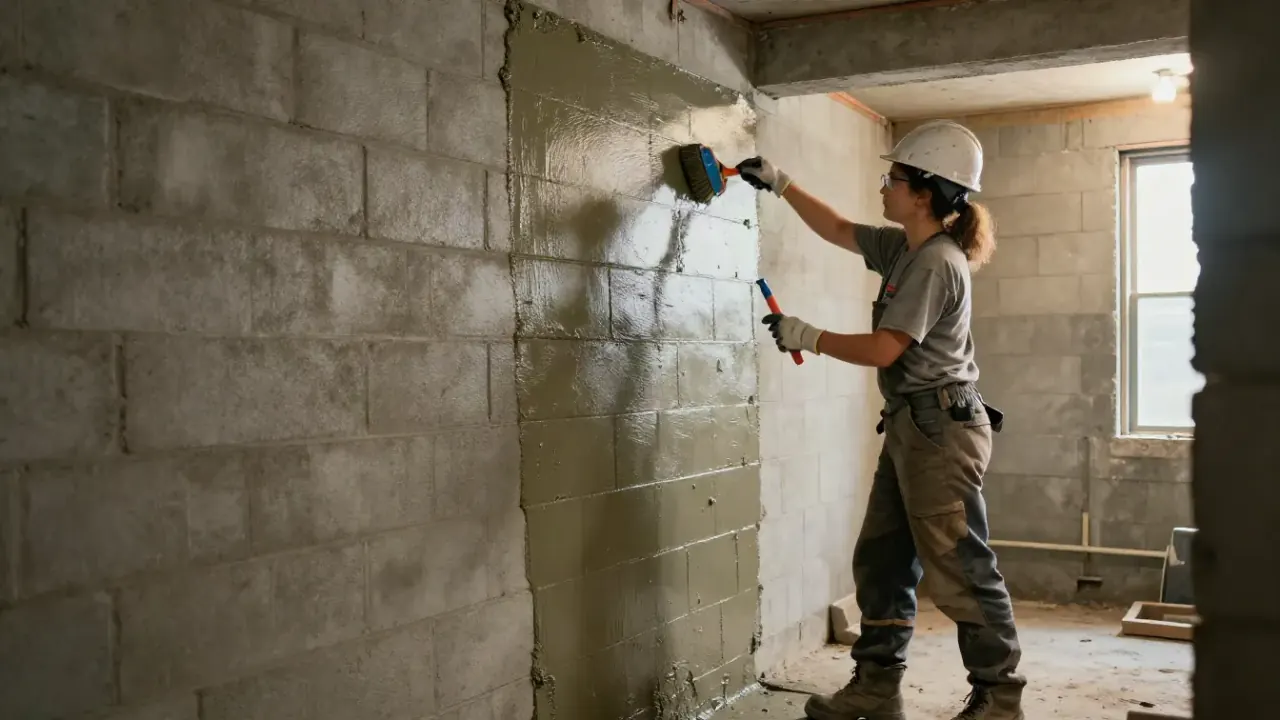
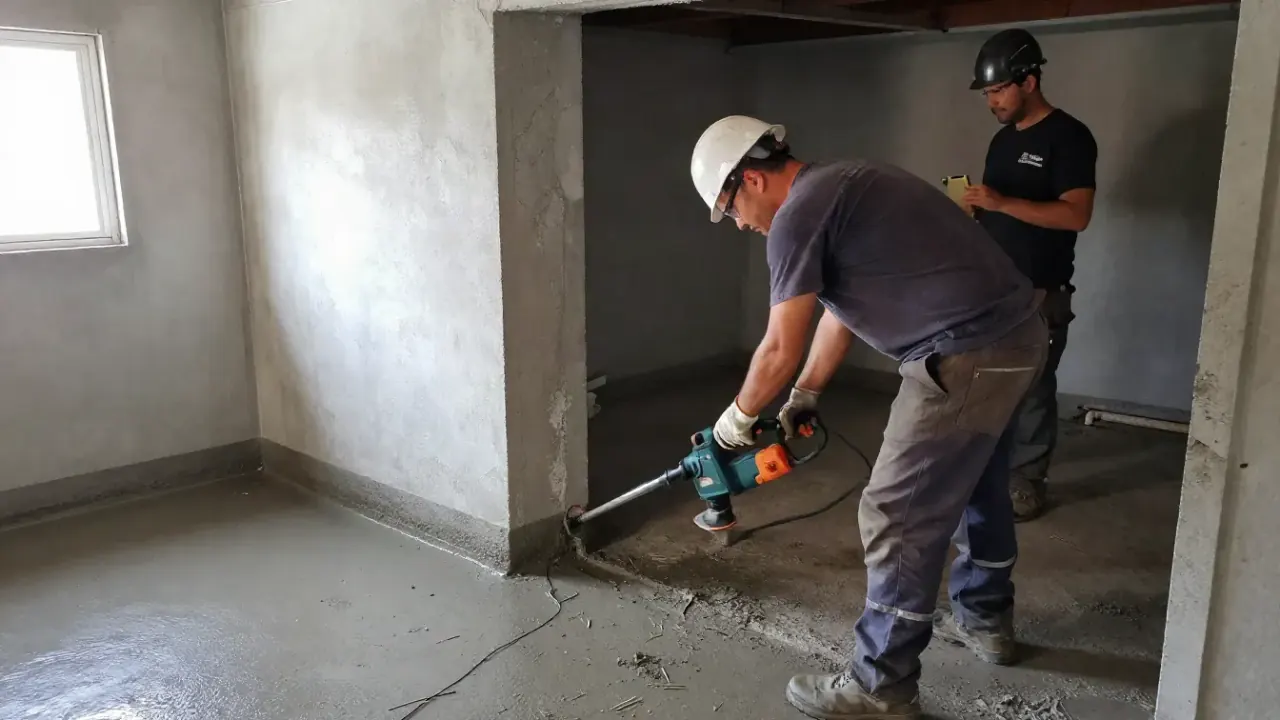
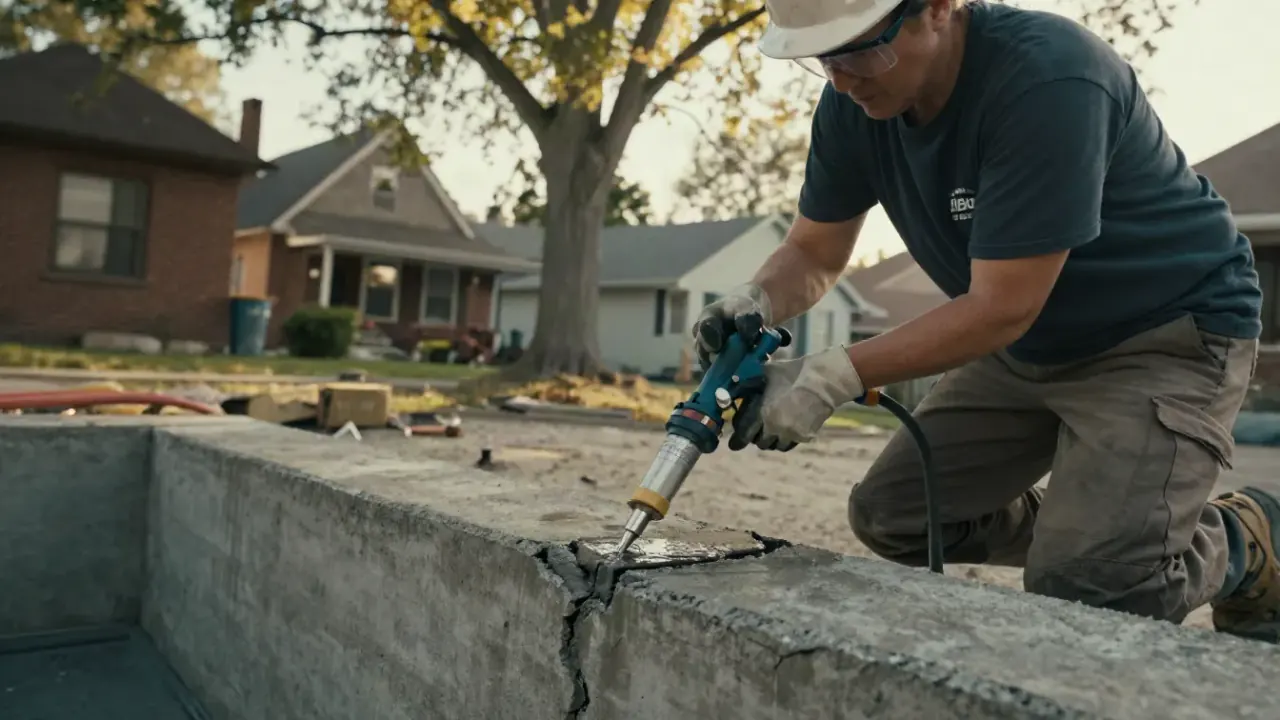
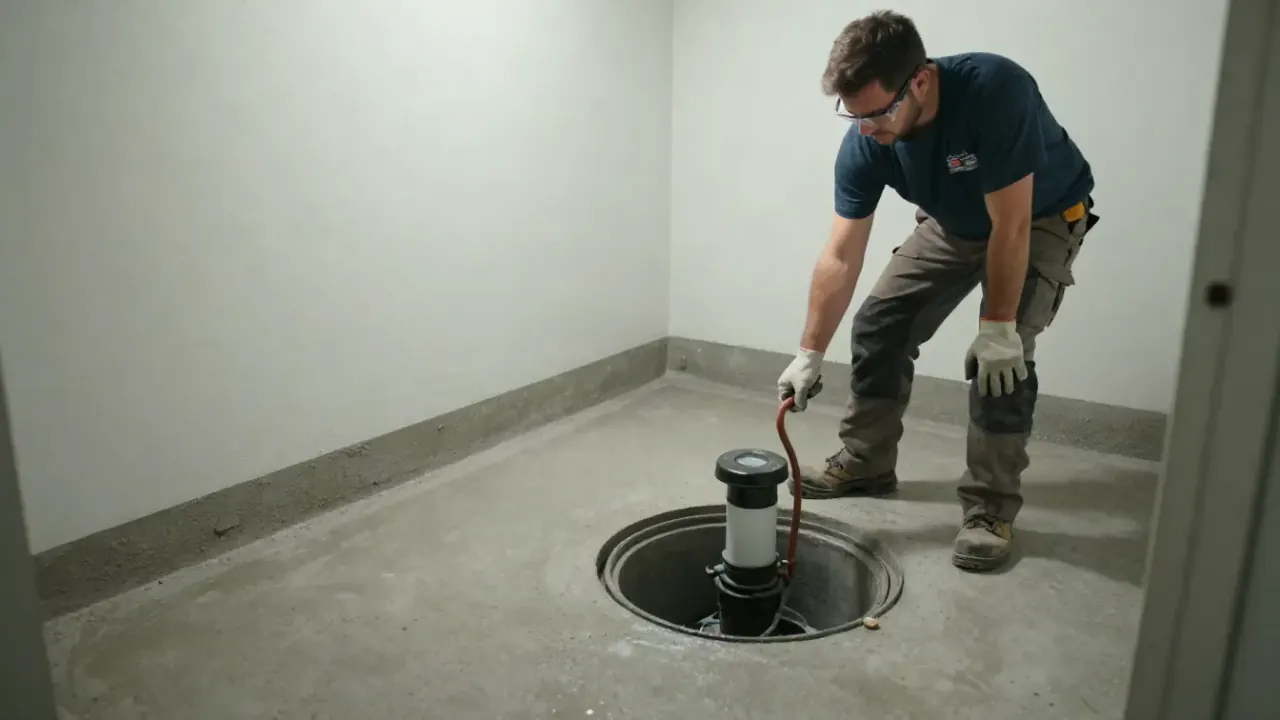
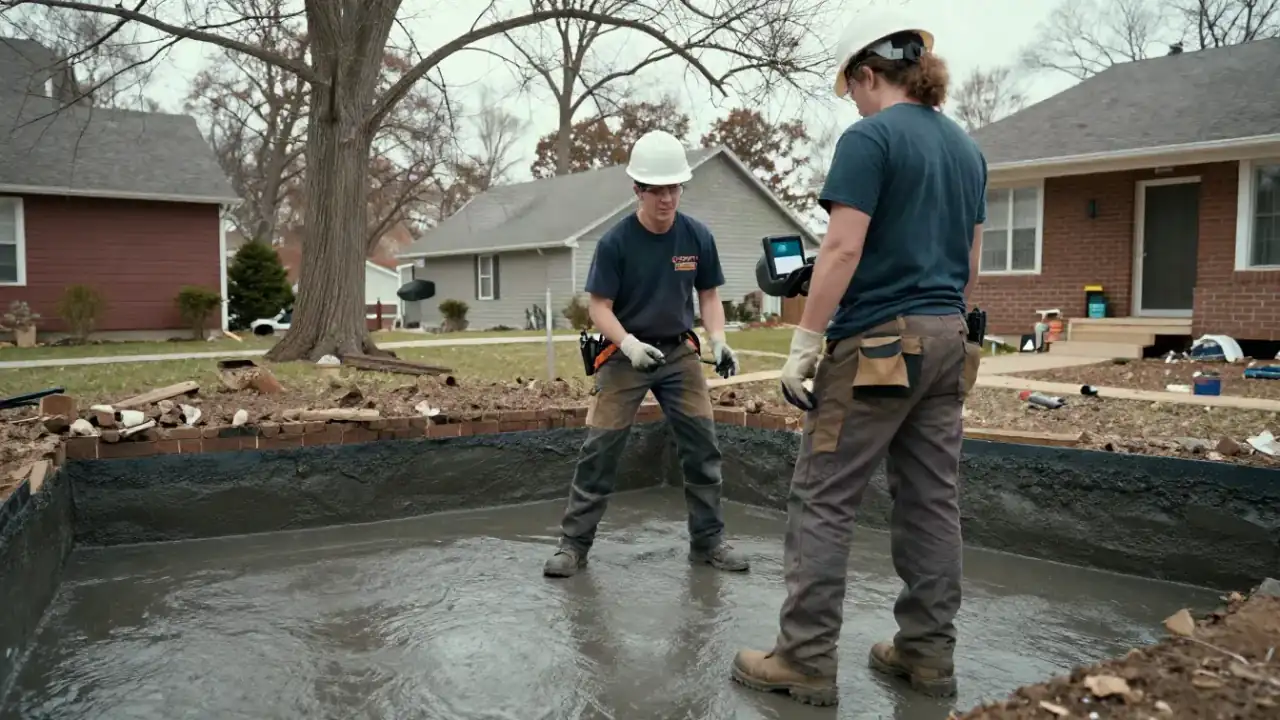
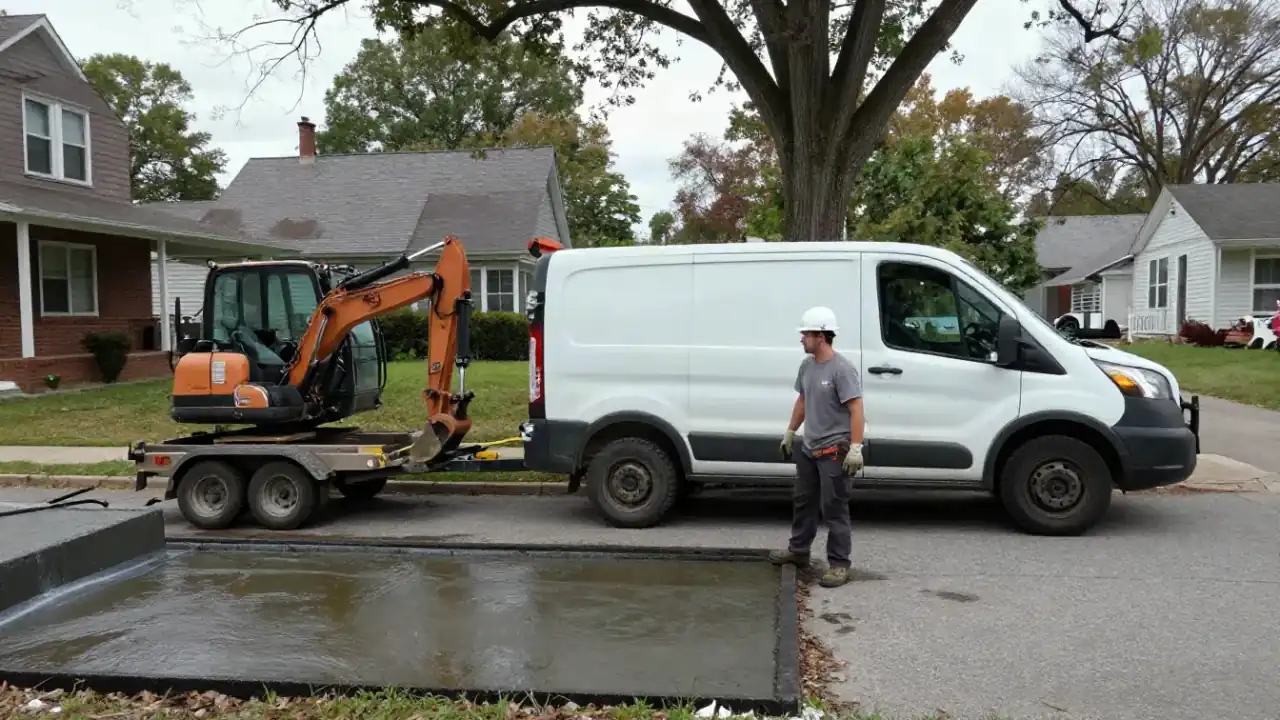
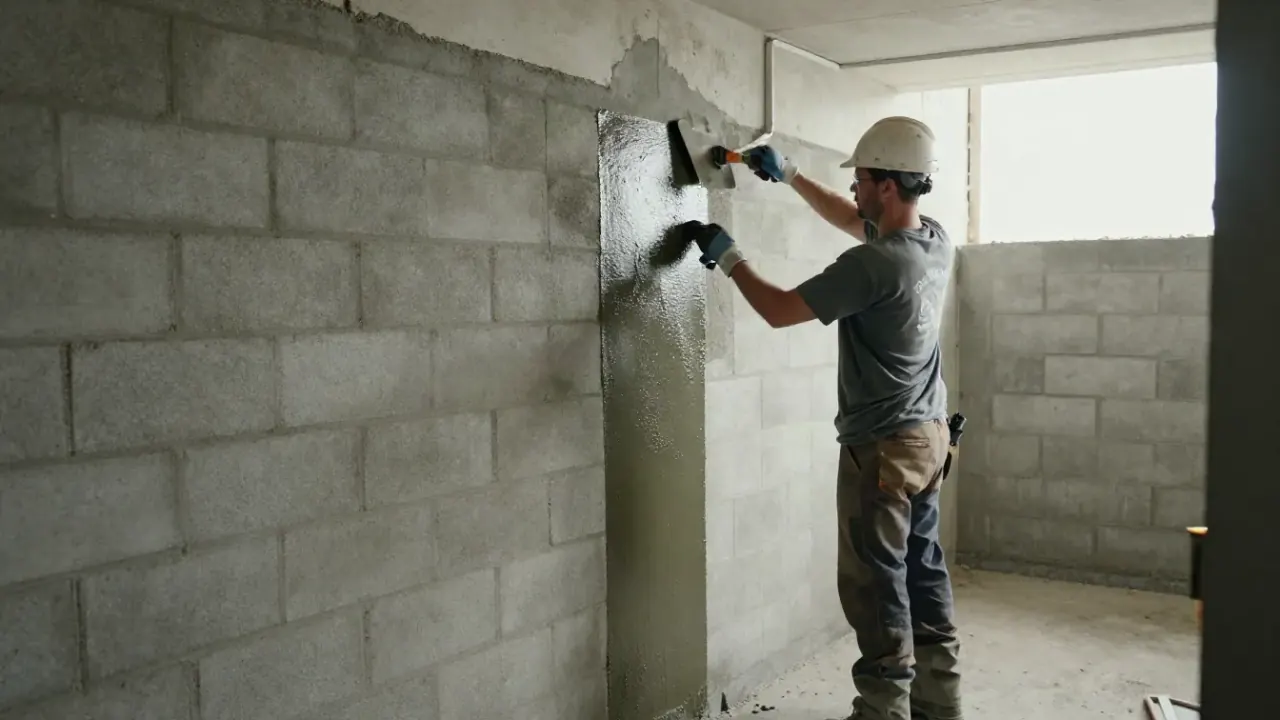
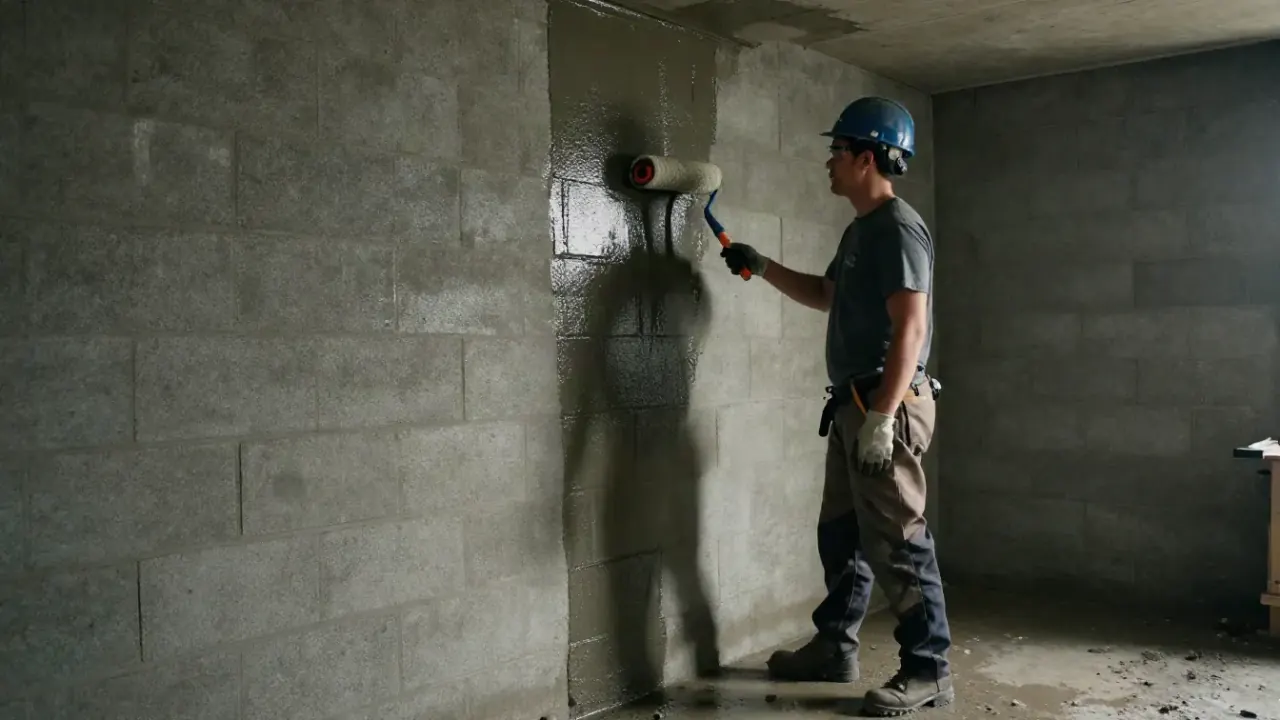
Marked drain routeWe show where each line will run.
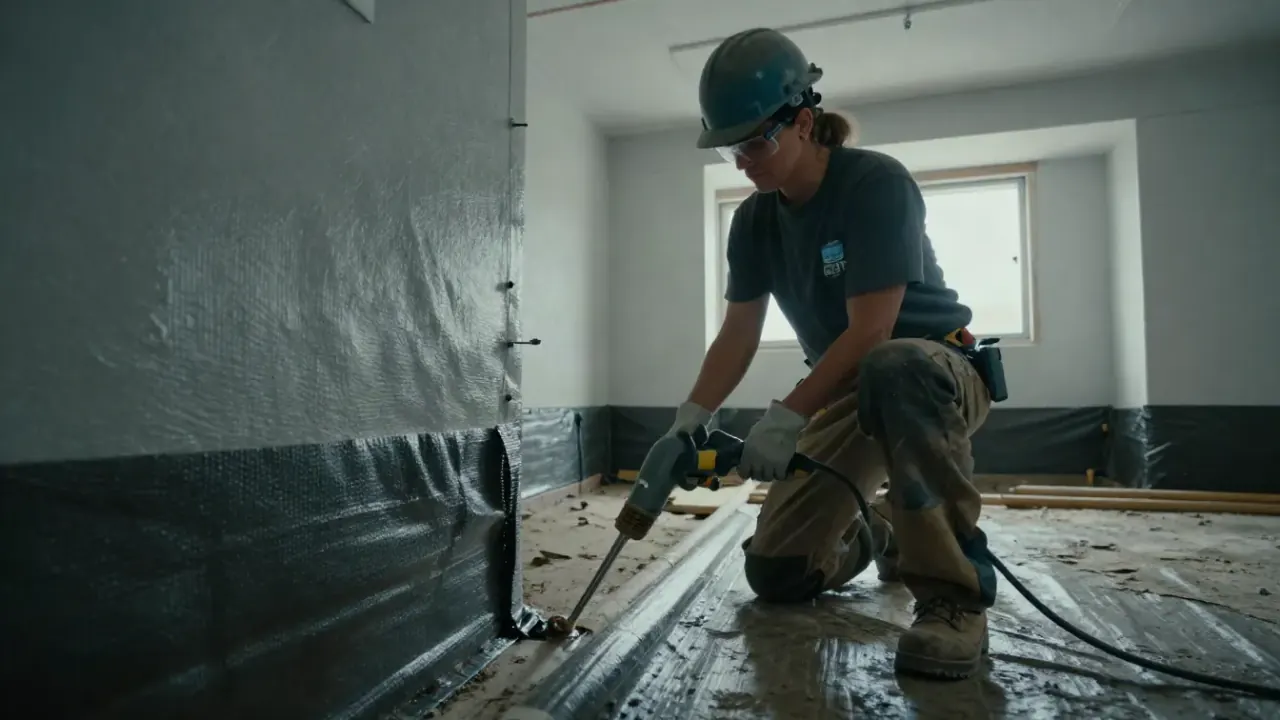
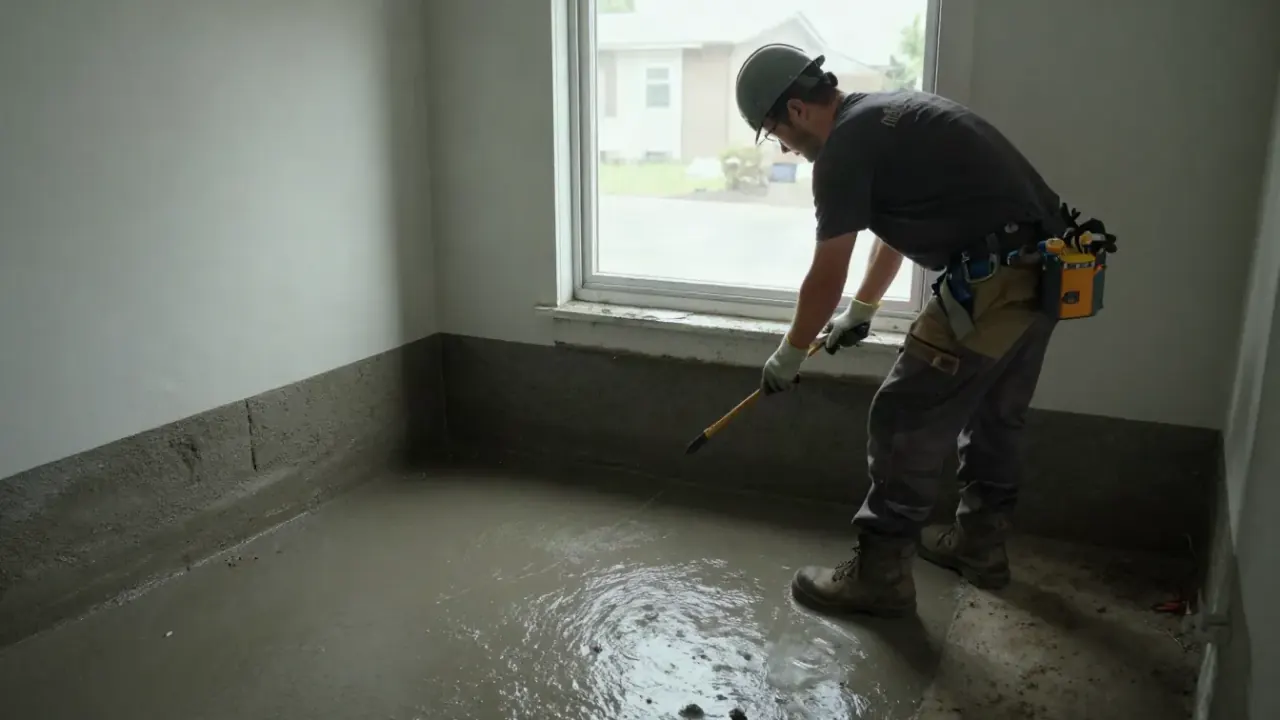
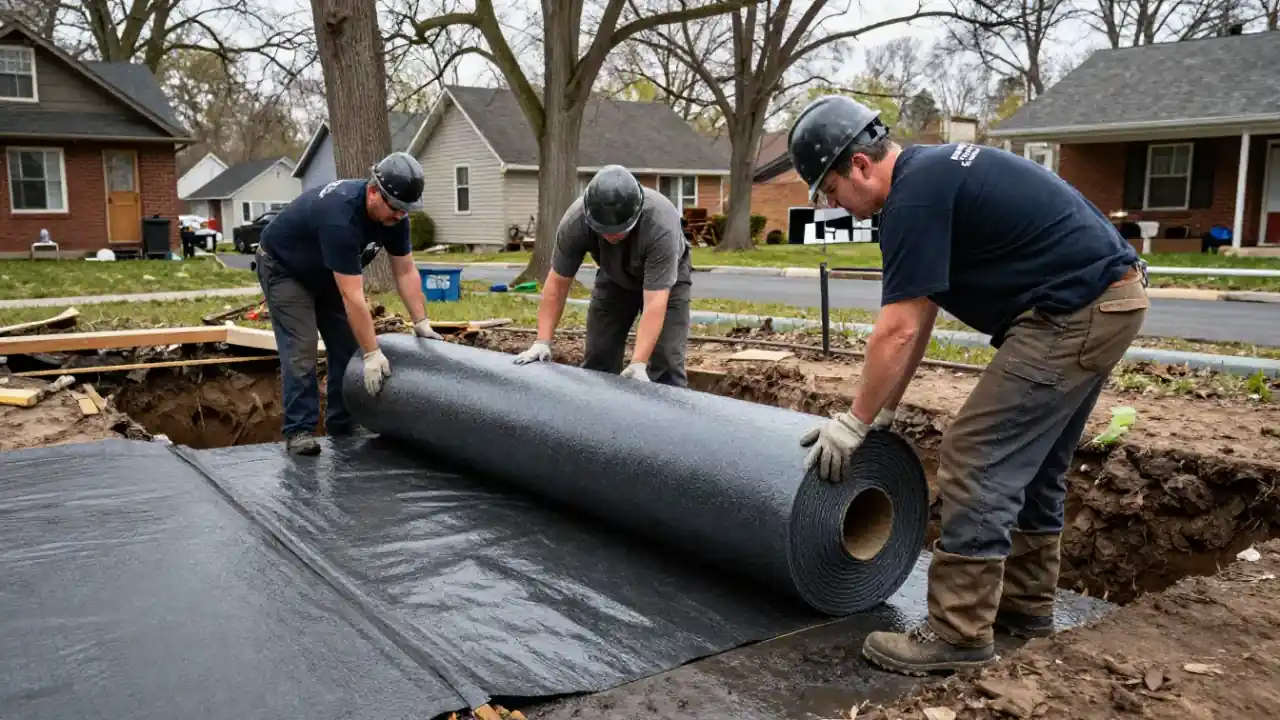
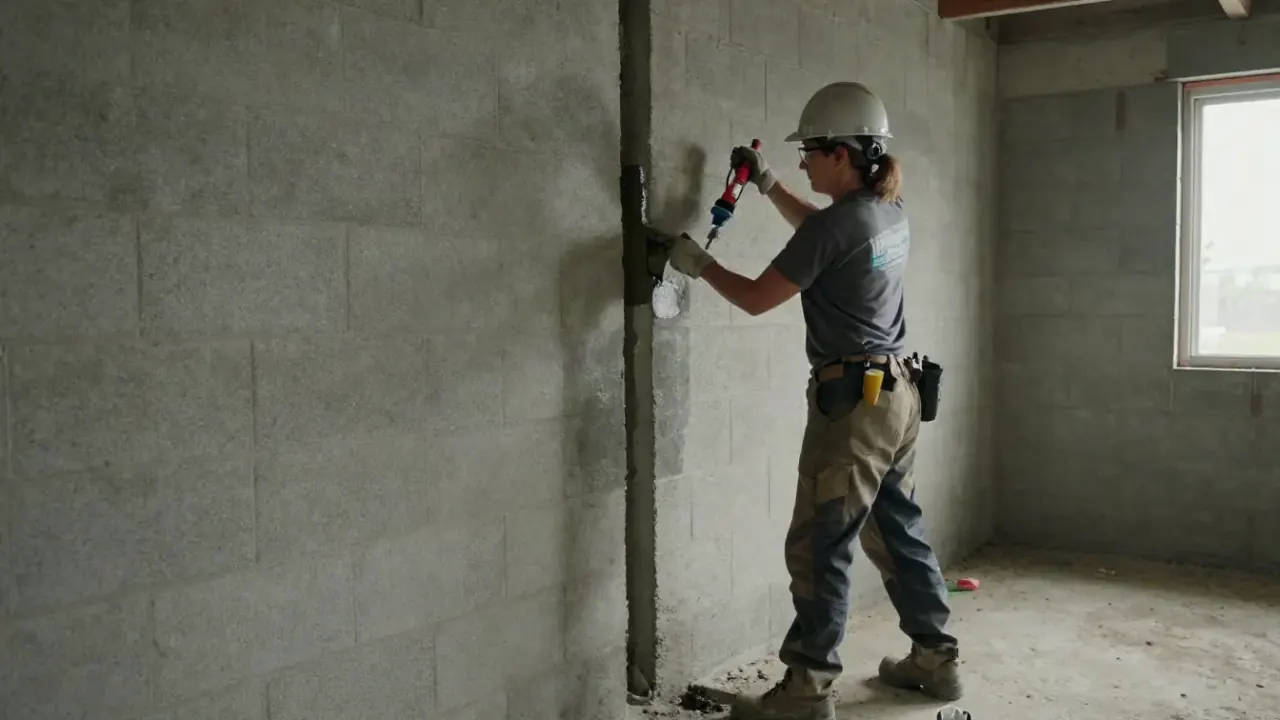
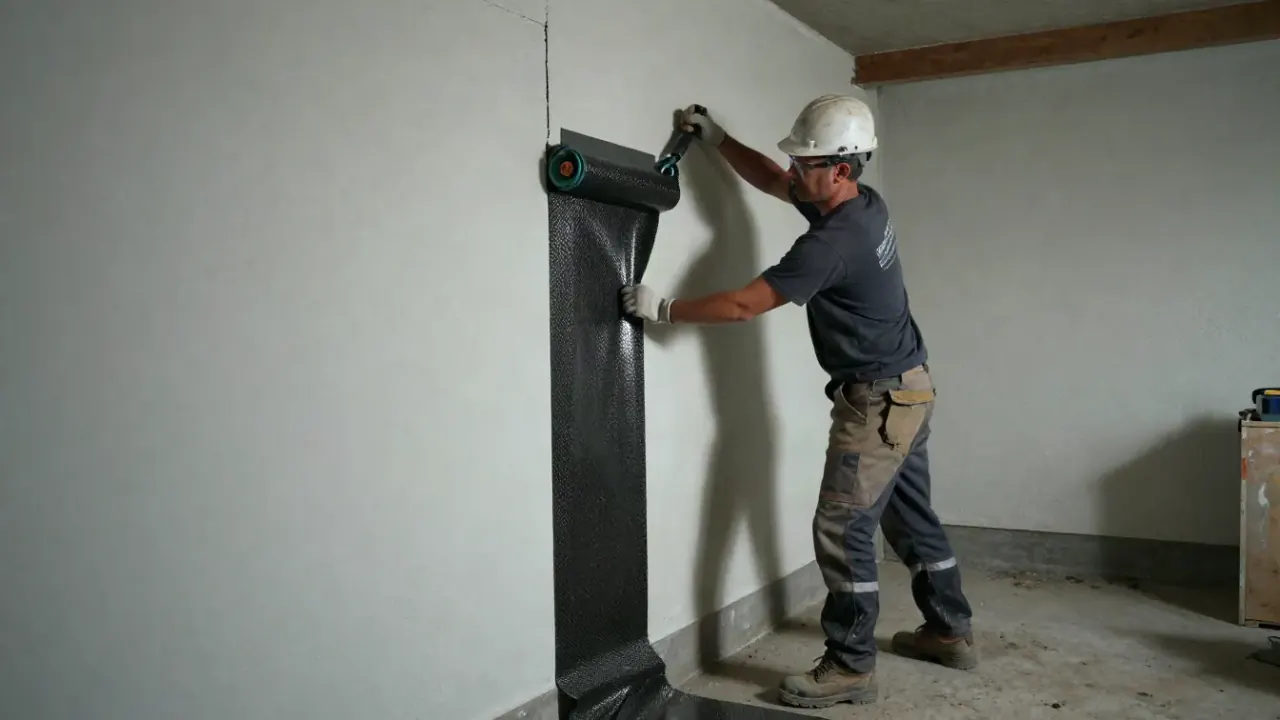
Protected accessWe keep walkways clear during setup.
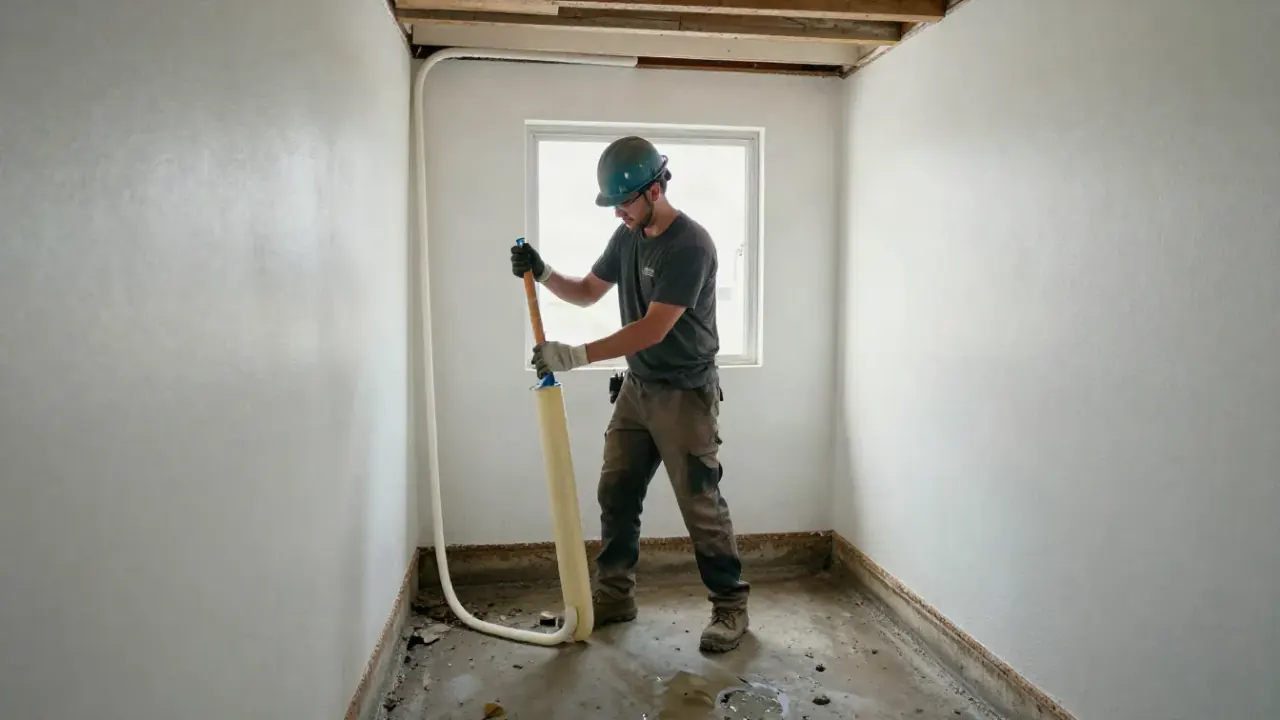
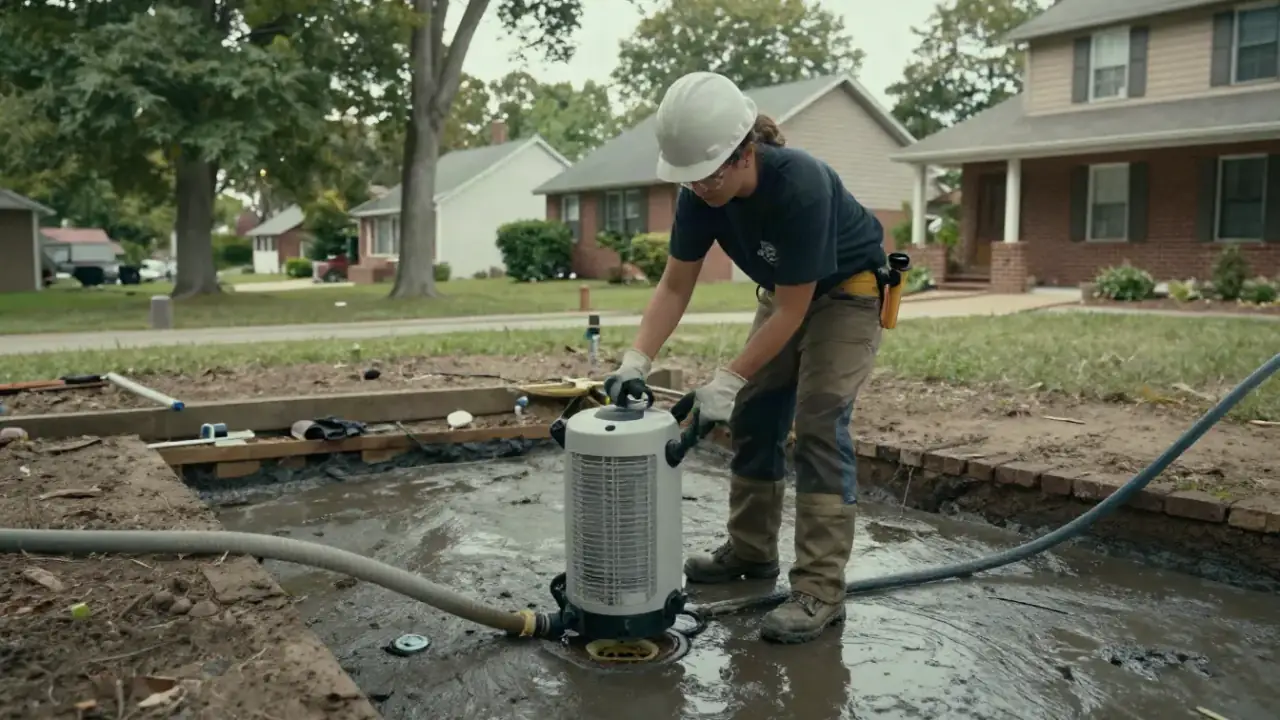
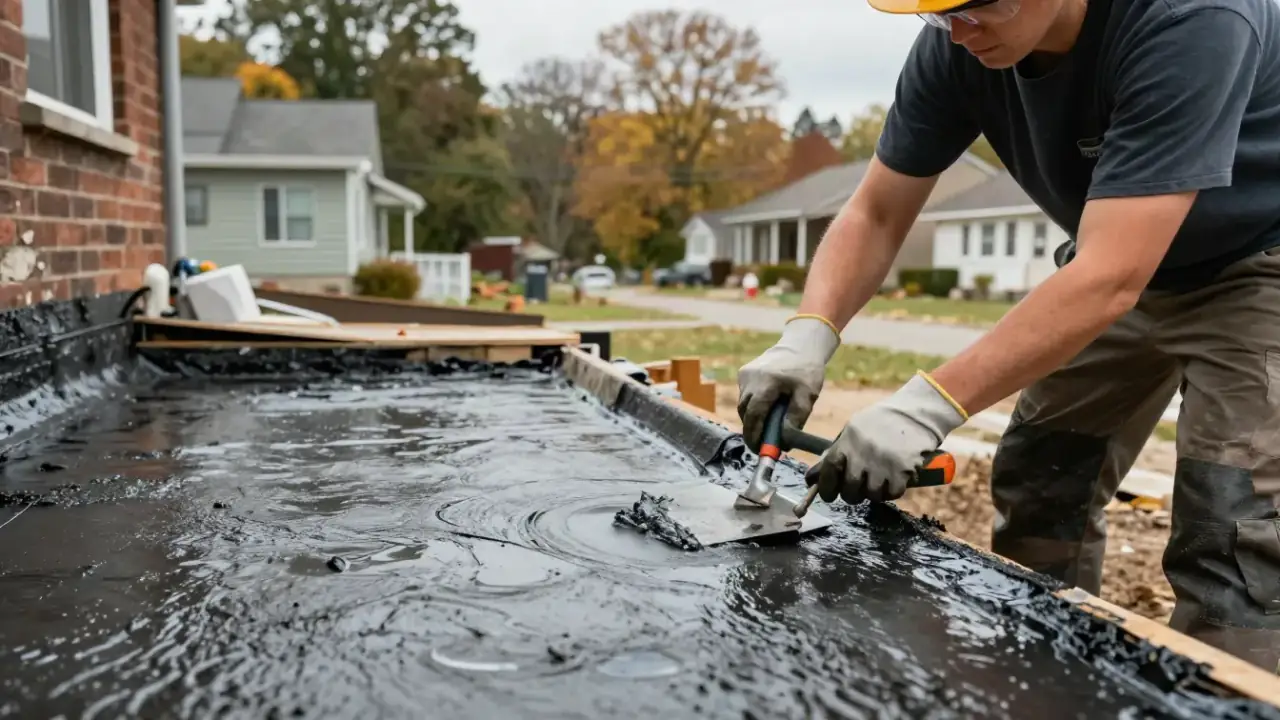
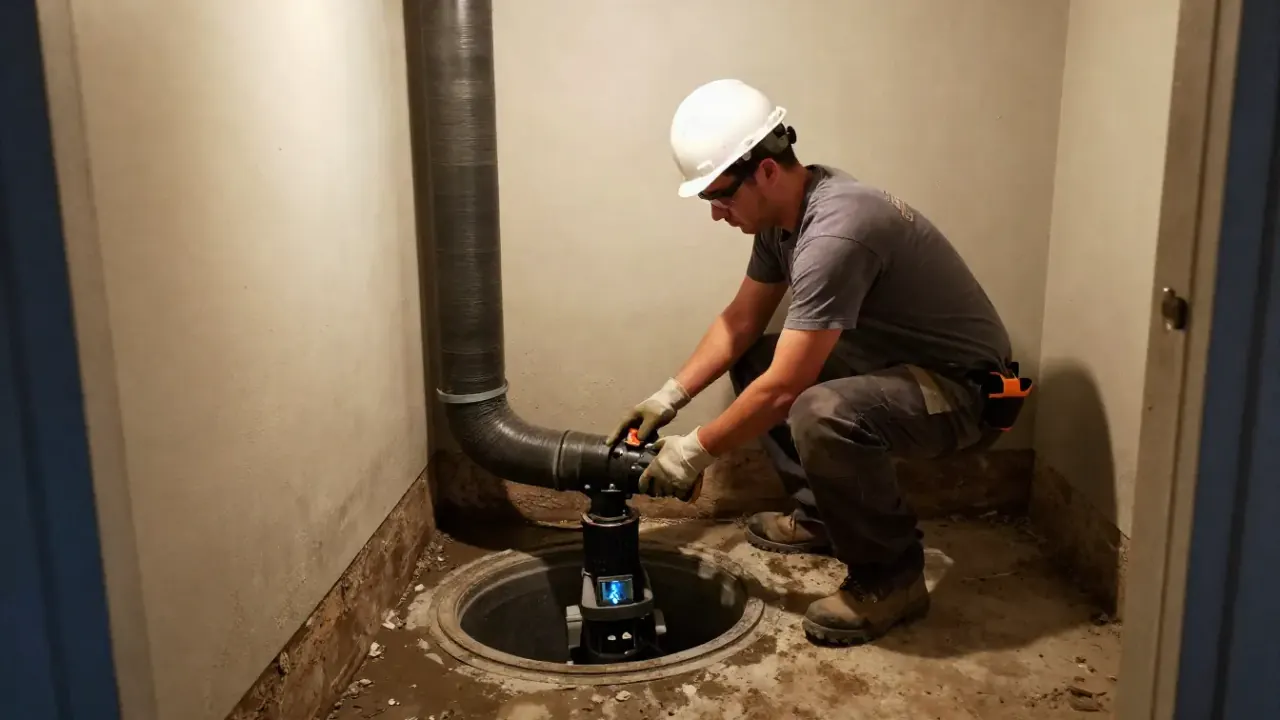
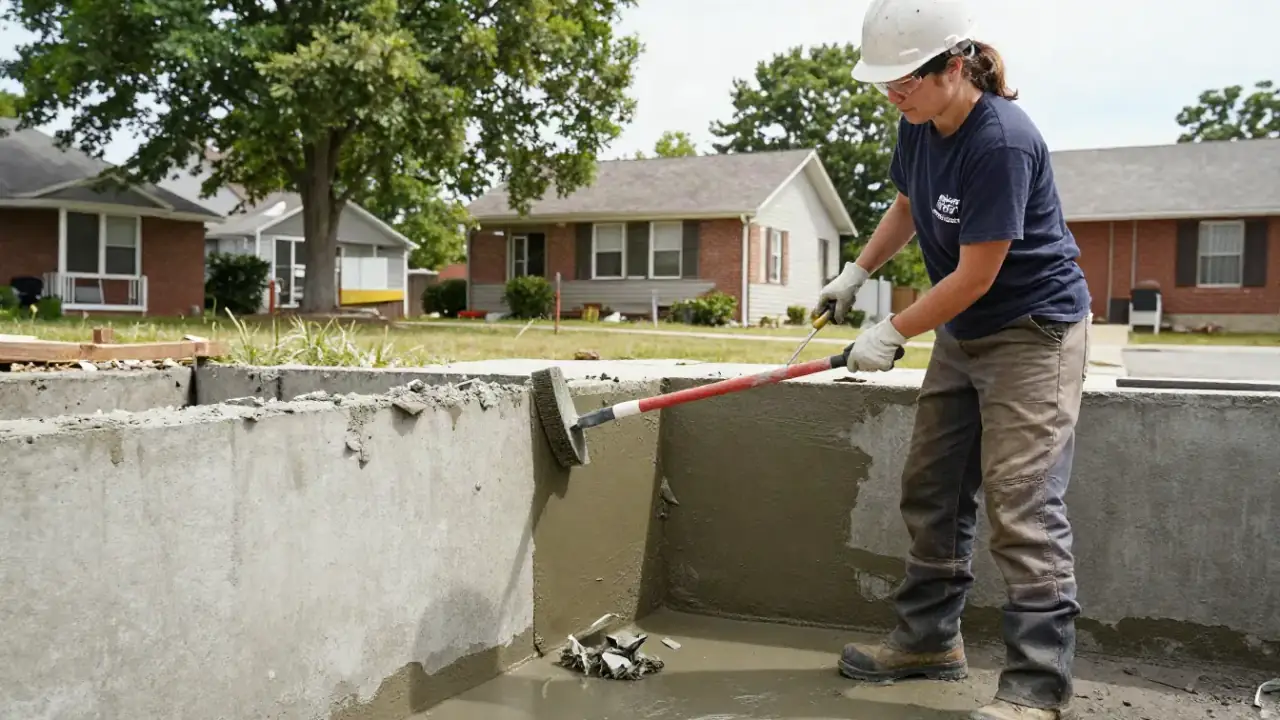
Flow observedWe test inlets through to the outlet.
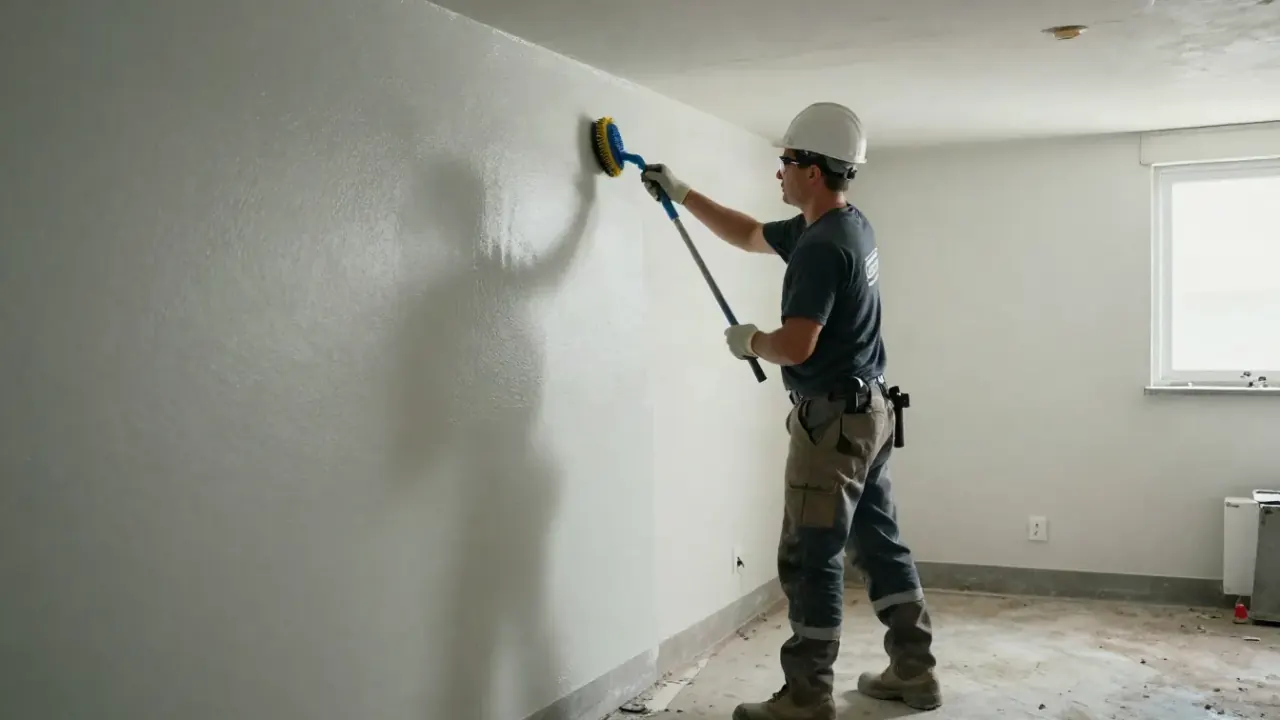
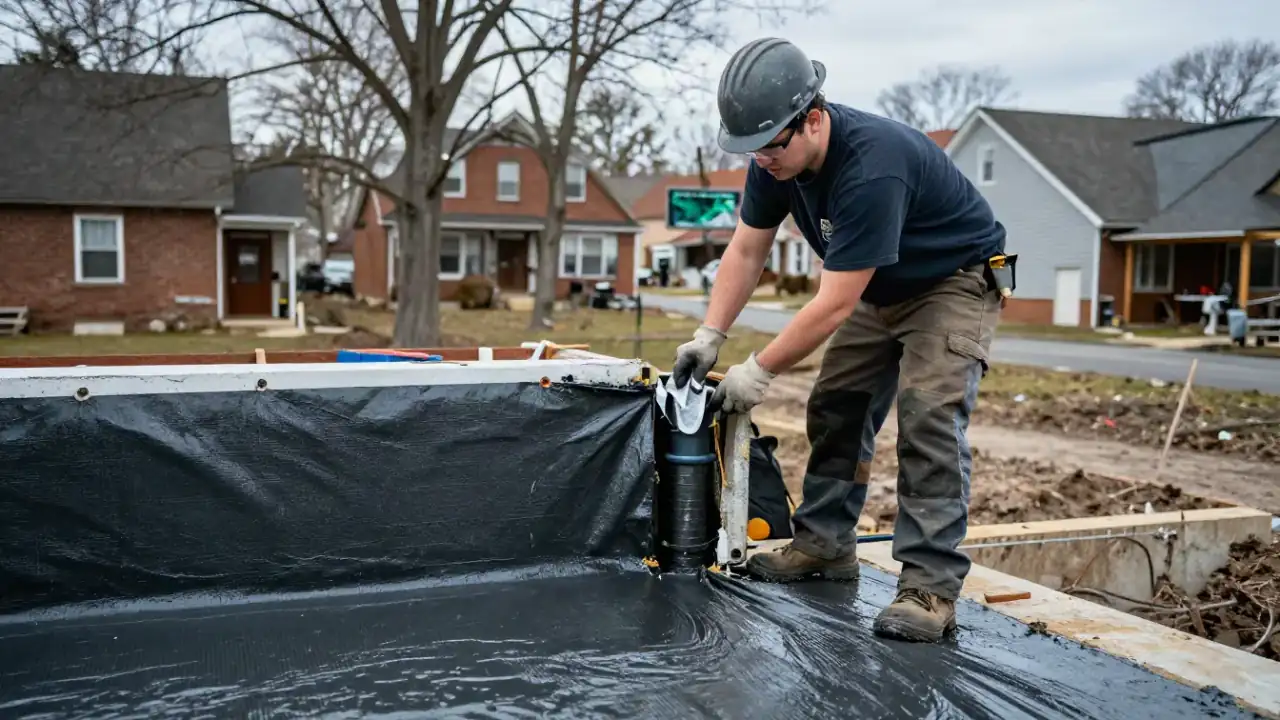
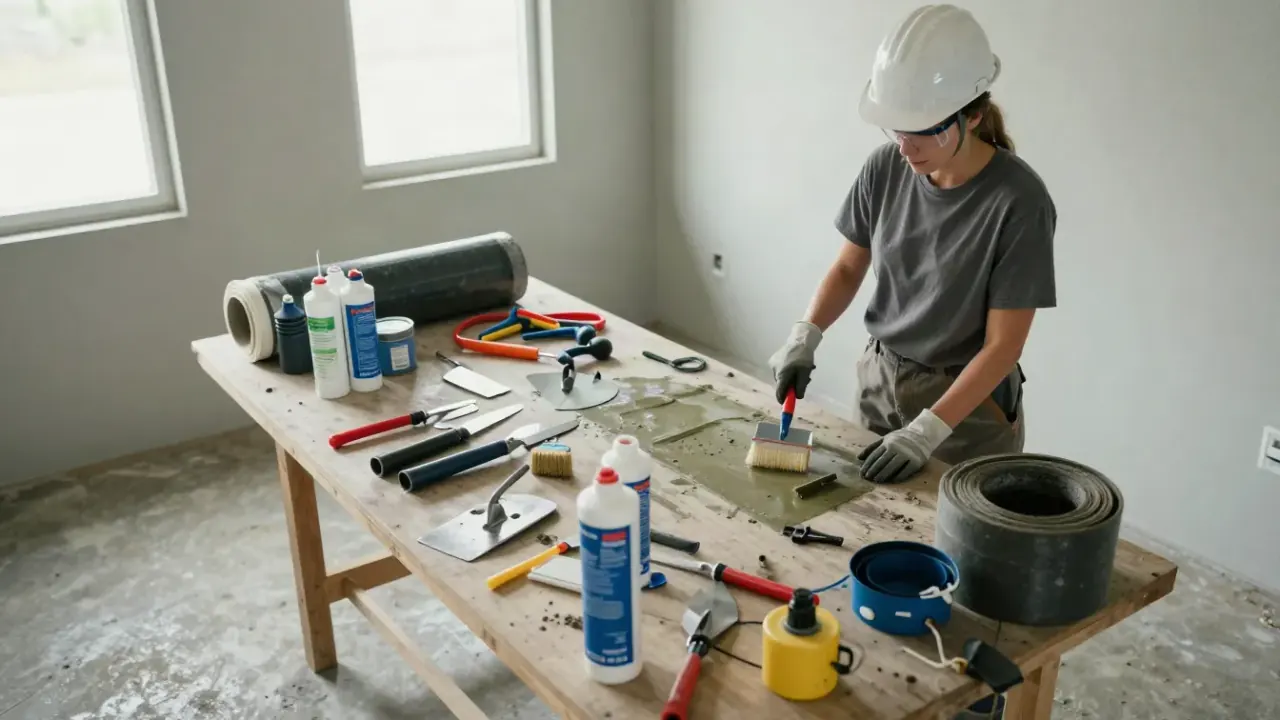
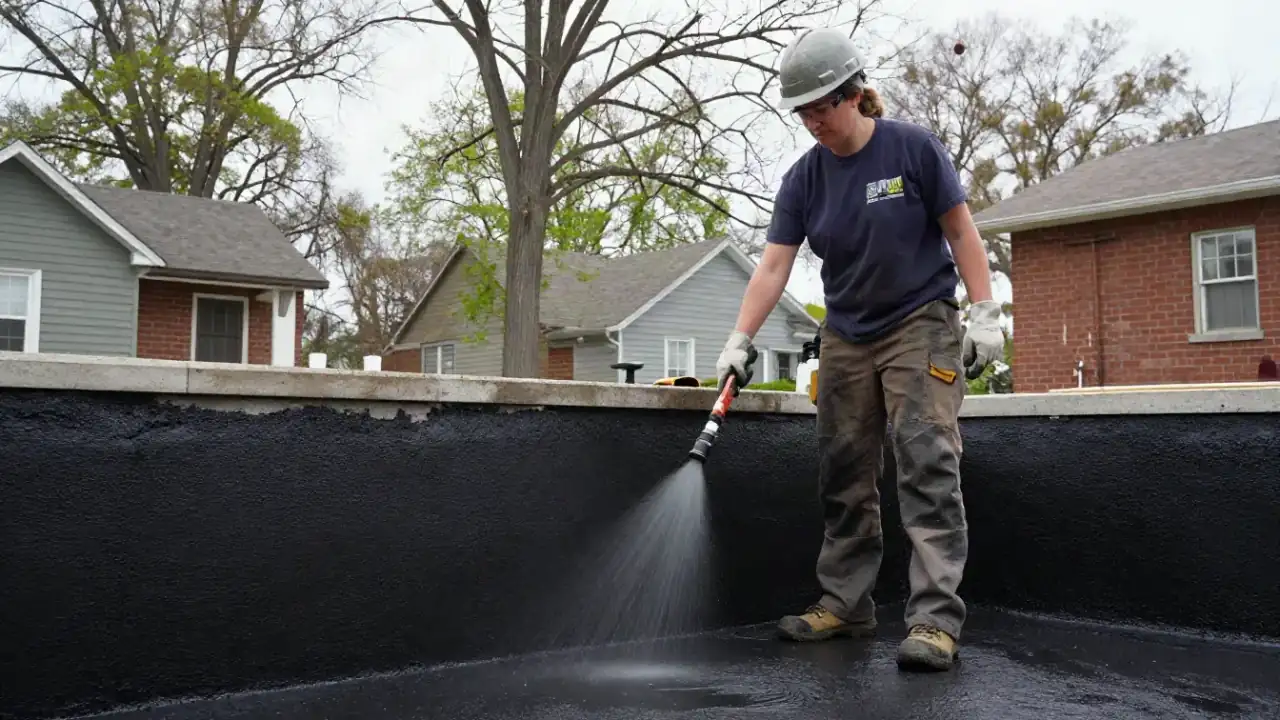
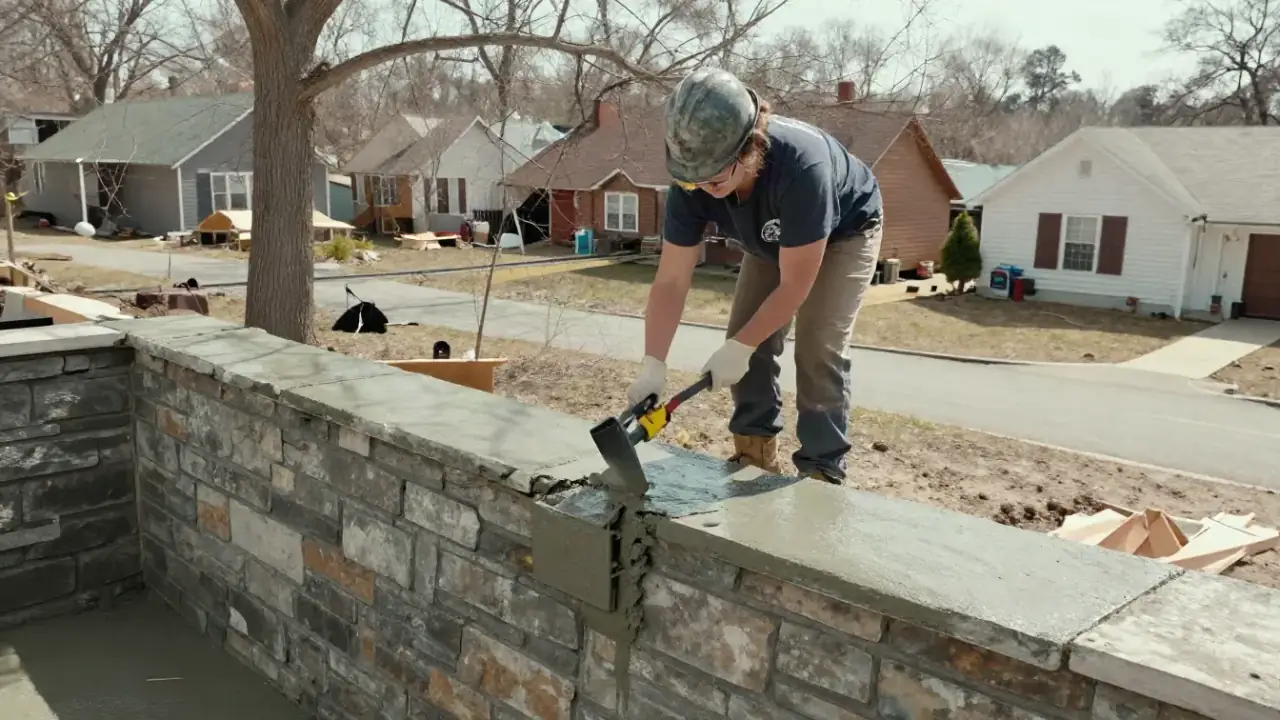
Cleanout identifiedWe point out access for seasonal checks.
What Yard Drainage Work Includes
A yard drainage project covers the investigation, selected collection method, route, outlet, installation, and flow test needed to manage the identified water problem. We tailor the work to your property rather than automatically installing a full-yard system. Foundation repairs, sump equipment, extensive landscaping replacement, and utility relocations are separate work when inspection shows they are needed.
Runoff Source Inspection
We walk the property to identify low spots, downspout discharge, slope changes, and signs that water is reaching the foundation. You can show us where puddles remain after rain. We record the likely source before recommending a system, which keeps the plan focused on the actual drainage failure.
Drain Route Planning
We map a path from each collection point to a suitable outlet, accounting for elevation, paved areas, landscaping, and access. The route avoids directing water toward your house or a neighboring property. We explain where lines, basins, or swales will sit before excavation starts.
Collection and Conveyance
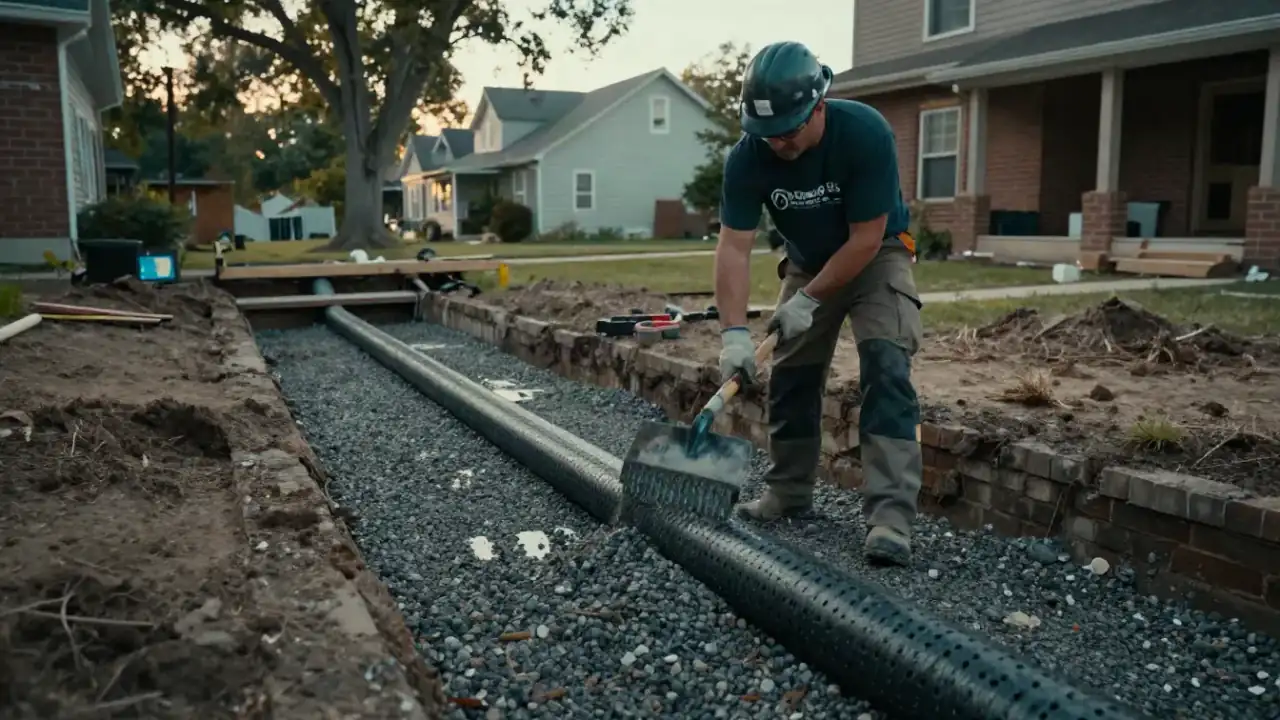
Depending on site conditions, the work may include a catch basin, perforated drain tile, washed gravel, solid discharge pipe, or a shaped surface swale. Each component has a distinct job: collect water, carry it, or guide it across the surface. We select only the parts needed for the identified flow.
Outlet Flow Test
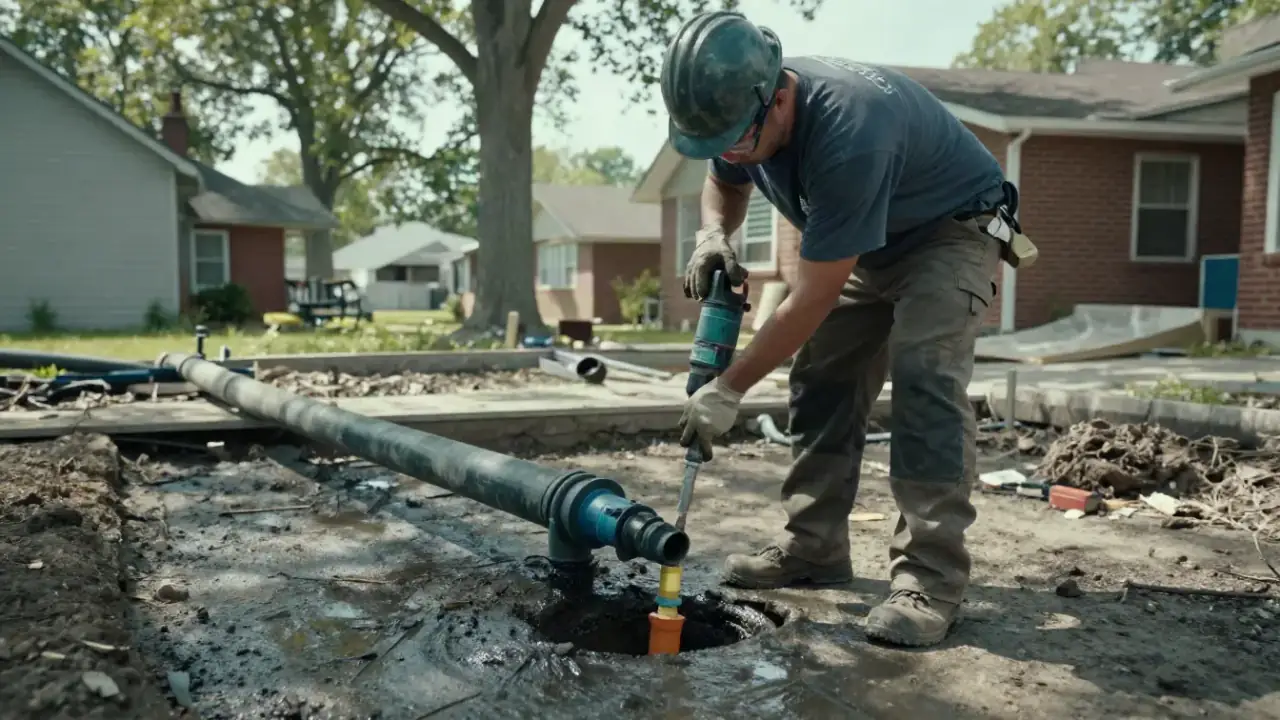
We introduce water at accessible inlets and confirm that it travels through the line to the outlet. The test checks for sluggish flow, blockages, or an outlet that sends water back toward the collection area. We show you where cleanouts and grates are located for future maintenance.
Work Area Restoration
After installation, we backfill and compact the trench, then rake or seed disturbed soil as agreed for the project. We clear loose material from walkways and leave the drain access points visible. You receive basic care instructions, including when to remove leaves from grates.
Homes and businesses.
The approach is the same for a home and a business. What changes is the access, the schedule and who needs the paperwork.
Homes and Rentals
For homeowners and tenants, we trace where rain gathers and how roof runoff reaches the foundation. We explain the planned route and keep drain access points visible.
Water beside basement walls
Muddy lawn after heavy rain
Runoff crossing walks or patios
Business Properties
For owners and property managers, we inspect roof discharge, paved areas, entrances, and low spots. We plan collection around access routes and visible maintenance points.
Puddles near customer entrances
Parking runoff toward foundations
Wet loading or service areas
Yard Drainage Solutions Warren OH Explained
A plain-language look at what Yard Drainage Solutions involves and when it is needed.
yard drainage solutions Warren OH is a site-designed drainage service that collects and redirects surface water when rain leaves persistent pooling or threatens structures. We trace where water enters, where it stalls, and where it can discharge safely. Depending on the grade and soil, the work may include reshaping a shallow swale, extending downspouts, installing a catch basin, or laying perforated PVC drain tile in a washed gravel bed. The right layout controls runoff without sending it toward a neighbor or creating a new low spot.
Warren properties see heavy rain, freeze-thaw cycles, and periods when saturated soil slows infiltration. Poor grading, compacted fill, and clogged or buried downspouts can leave water against foundation walls or standing across a lawn. Our yard drainage solutions in Warren, Ohio start with a walk-through and elevation checks, then follow the water to its source. If you are researching how to fix yard drainage problems in Warren, we identify whether the cause is roof discharge, surface slope, or groundwater before recommending a system.
A yard drainage system collects runoff where it gathers and carries it to a suitable outlet.
What it does
Collects and redirects rainwater that pools in lawns or beside structures.
When it helps
Use it when grading, roof runoff, or saturated soil leaves recurring standing water.
What to expect
We inspect, map a route, install the chosen components, and test flow.
Our Drainage Work, Step by Step
Yard drainage work in Warren follows the water from its source to a safe outlet. We explain the proposed route before digging, protect access paths, and test the flow at completion. A small downspout extension can take a few hours; a multi-line system with grading often takes one to three working days.
Walk the Property
On the first visit, we walk the yard with you and mark puddles, damp foundation areas, roof outlets, and the direction water travels during rain. We check slopes with a level and note hard surfaces, gates, and utility access. This inspection usually takes 30 to 60 minutes, giving us enough detail to distinguish surface runoff from a deeper drainage issue.
Walk-through
Slope check
Source tracing
Map the Route
We draw the water path from the source to the outlet and identify where a swale, basin, or perforated line will work. Our team checks elevation changes and the receiving area so the system does not discharge toward a foundation or neighboring lot. You review the route and the disruption expected before equipment arrives.
Route map
Outlet review
Plan discussion
Prepare the Site
Before excavation, we locate marked utilities, identify protected landscaping, and set a clear path for materials. A trenching machine is useful for longer runs; a narrow hand-dug trench is often better near established beds. We keep excavated soil organized and protect walkways so you can see where work is happening.
Utility locate
Access setup
Site protection
Install and Connect
We shape the grade or set the drain line, basin, gravel bed, and outlet according to the planned route. Perforated drain tile collects water where needed; solid discharge pipe carries it away from the collection area. Most residential runs use a consistent fall, commonly around 1% where site conditions allow, and we adjust for actual elevations.
Excavate
Set drainage
Connect outlet
Test and Restore
We flush the line and run water through each inlet to check that it travels to the outlet without backing up. Then we backfill, compact in layers, and rake or seed disturbed soil as agreed for the job. A final walk-through takes about 15 minutes; we point out cleanout access and explain seasonal checks.
Flow test
Restore soil
Care guidance
Drainage Tools and Methods
Move across a circle, or focus it and press Enter, for an illustrative thermal view of the photograph.
Trenching machine
We use a trenching machine for suitable long runs to create a consistent channel for pipe and gravel. Near trees, utilities, or tight access, we adjust the excavation method to limit disruption.
Moisture meter
A moisture meter helps compare damp areas and check whether water is concentrated near a foundation or low spot. We combine readings with visible flow and site elevations rather than relying on one measurement.
Perforated PVC drain tile
Perforated PVC drain tile collects water along a subsurface route when soil conditions and elevation support the design. We bed it in washed gravel and connect it to an appropriate discharge path.
Downspout extension kit
A downspout extension kit carries roof runoff away from the foundation. We route the discharge so it does not end at another low area or send water toward a walkway or neighboring lot.
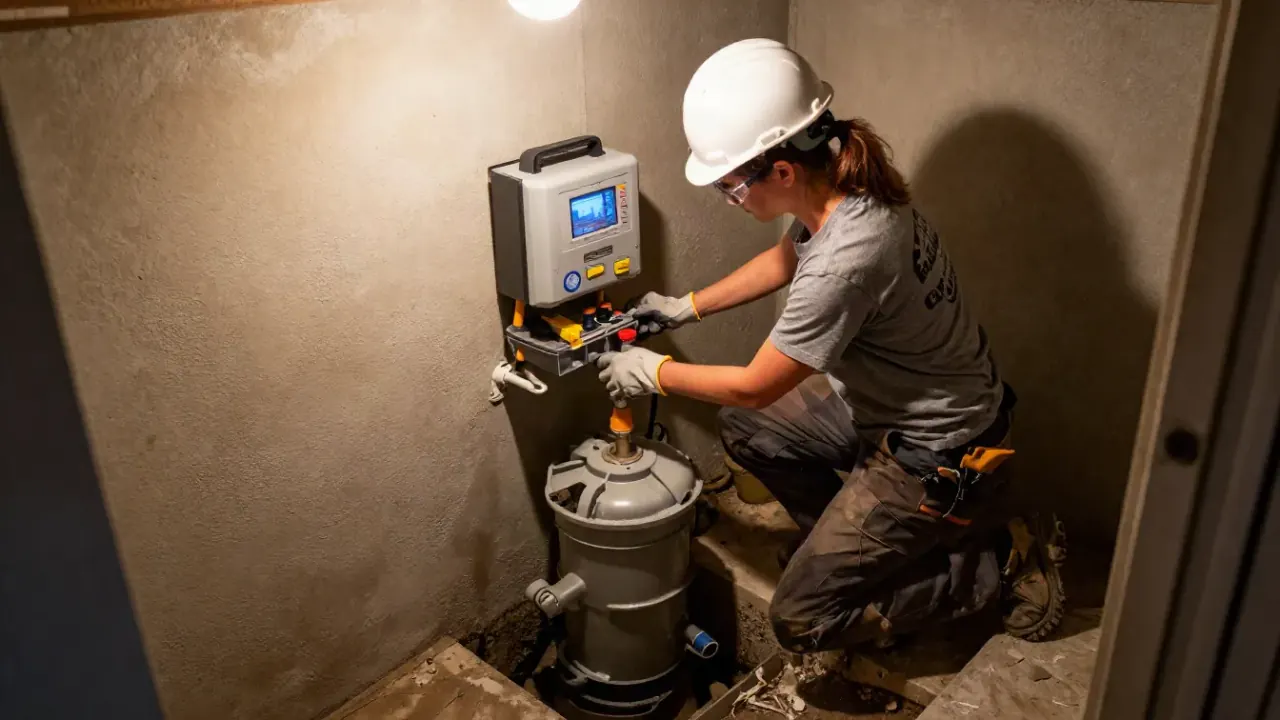
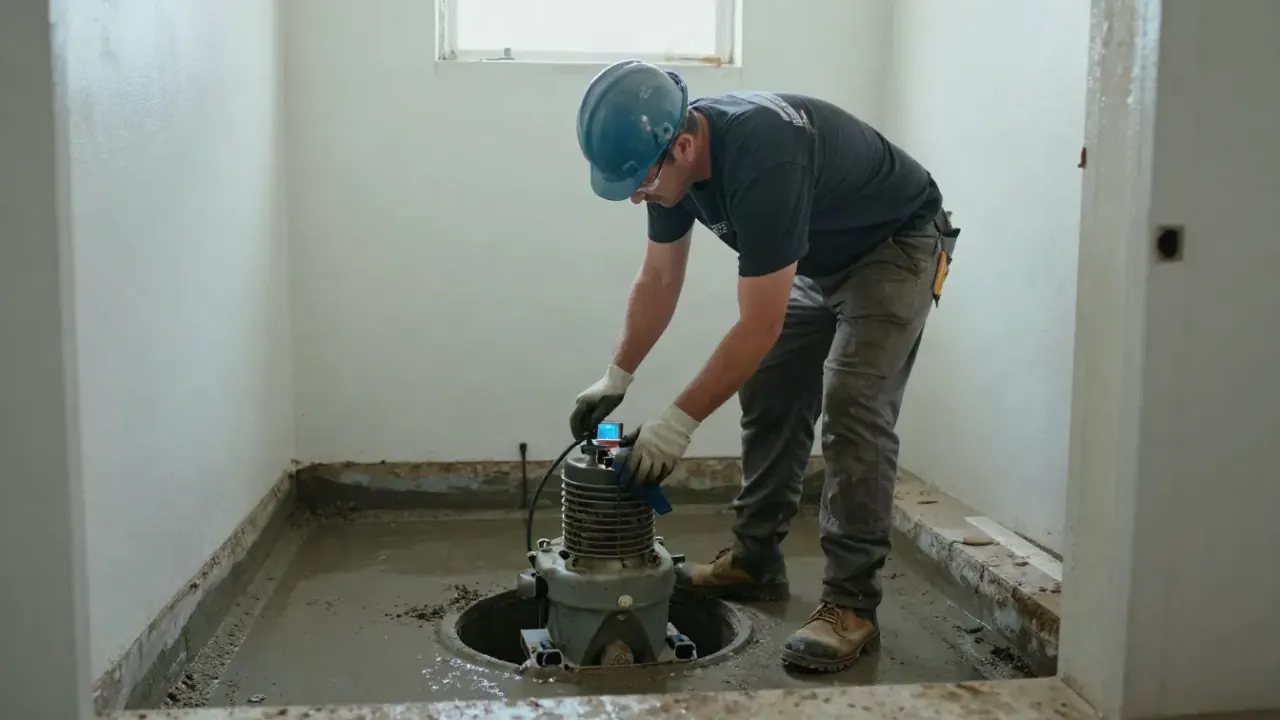
Sump pump
A sump pump handles water collected in a basement basin, not surface water in the yard. We check the discharge route when yard drainage and basement drainage work together.
Thermal views are illustrative, generated from the photographs.
Methods
Surface grading and swales
We shape the soil to guide water along a controlled, shallow path rather than letting it cross the lawn unpredictably. The finished slope must carry water away from the structure and toward an acceptable outlet. A swale works well when the property has enough open space and elevation to move runoff without buried piping.
Catch basin collection
A catch basin intercepts water at a defined low point, such as a driveway edge or lawn depression. We set the grate to meet the surrounding grade and connect the basin to a solid discharge pipe. The route and outlet determine whether the basin will keep clearing during larger storms.
French drain installation
For subsurface water, we install perforated pipe within washed gravel and surround it with suitable drainage material. The line collects water along its length and carries it toward a discharge point. We confirm slope and access before excavation because a French drain needs a workable outlet to perform.
Downspout separation
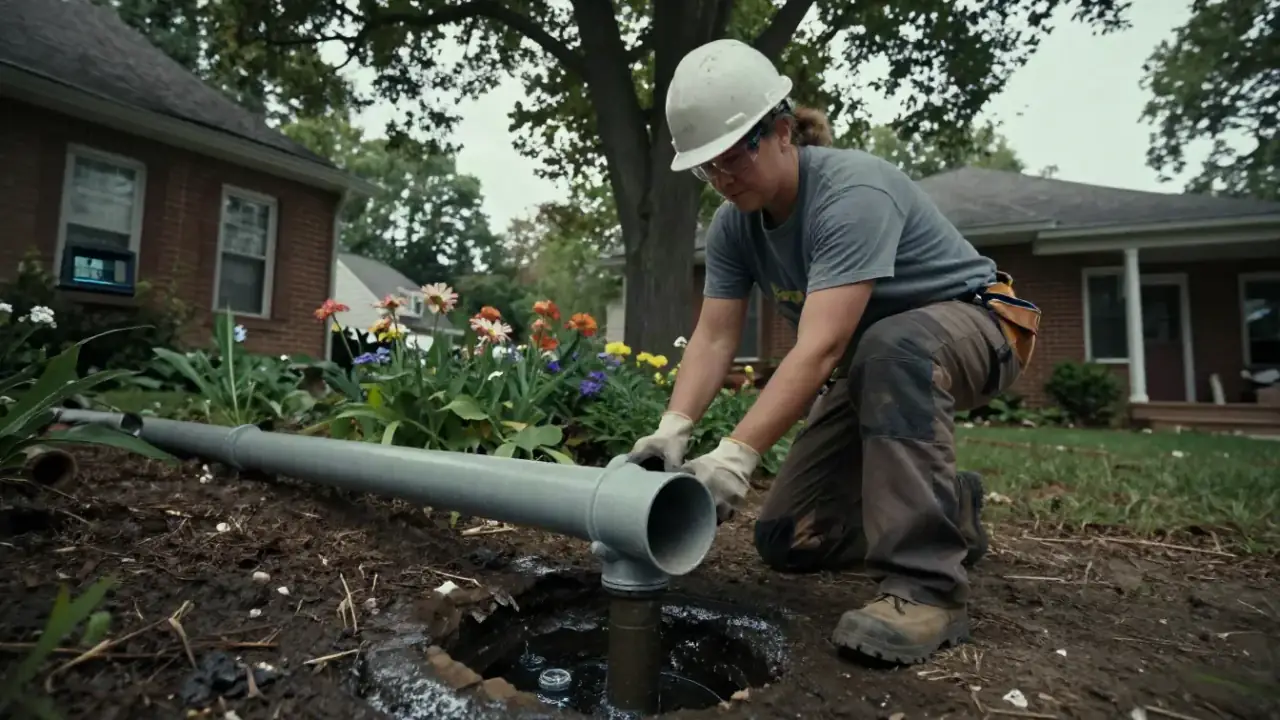
Roof runoff concentrated beside a foundation is redirected through an extension or buried solid pipe. We check every connected downspout and test the outlet, making sure it does not simply empty into the same low area. This method often resolves a wet foundation strip without excavating the entire yard.
When Your Yard Needs Drainage
Patio pooling
After autumn rain in Warren, water remains beside the back steps and approaches the foundation.
We trace roof runoff and surface grade from the steps to the nearest safe outlet. The plan may combine a downspout extension with a shallow swale or catch basin, depending on how much water arrives. We keep the route clear of the foundation and test movement before restoring the soil.
Outcome: Rainwater follows a defined route away from the steps, reducing muddy ground and repeated wetting beside the house.
Soft lawn
A Howland Center lawn stays soft for days, even though the roof drains appear clear.
We check the lawn's low point, soil compaction, and surrounding slope to see whether surface grading or subsurface collection is responsible. If a buried line is appropriate, we install perforated pipe in washed gravel and connect it to a workable outlet.
Outcome: The soggy section drains toward a planned discharge point, leaving more of the lawn usable between storms.
Window well
A Warren driveway sends runoff toward a basement window well during heavy rain.
We inspect the driveway edge, window well, and nearby grade for a direct route into the well. A surface inlet or regraded channel can intercept runoff before it reaches the window. We also check whether a cover or separate window-well repair is needed to address water entry.
Outcome: Runoff is intercepted before it reaches the window well, reducing repeated pooling against the basement opening.
Entrance runoff
A business property in Trumbull County has water crossing its customer entrance.
We assess runoff from the parking surface and roof edges, then plan collection points that preserve pedestrian access. The crew installs suitable grates and drain lines, checks the discharge route, and tests flow at each inlet. We coordinate work zones around the entrance where the site layout allows.
Outcome: Water is directed away from the entrance, reducing standing puddles where customers and staff walk.
Downtown WarrenHowland CenterBolindale
How Yard Drainage Works in Warren
Warren's wet autumn weather and winter freeze-thaw cycle make drainage problems visible quickly: a low lawn can stay saturated, while runoff crossing a walk can freeze when temperatures drop below 32 degrees Fahrenheit. In spring, melting snow and rain expose blocked outlets and eroded channels.
Our backyard drainage solutions Warren inspections account for roof discharge, the property's slope, and how water moves through the soil. Many local homes have basements, so repeated pooling beside a foundation deserves a check for wall seepage or failed drain tile as well as a yard correction. To determine how to fix yard drainage problems in Warren, we trace the flow before choosing a basin, swale, or buried line.
We plan discharge away from foundations and adjoining lots, and follow applicable Ohio Residential Building Code requirements. Work near utilities is coordinated with required utility locating before excavation. We serve Warren, OH, including central neighborhoods and nearby residential areas; ZIP 44484 and 44485 are part of the local service area alongside 44483.
Downtown Warren: Tighter lots and paved drives can limit open swale space. We look for a safe outlet and plan collection around walkways, foundations, and existing hard surfaces.
Howland Center: Broad lawns and sloped residential lots can carry runoff toward low back corners. We check downspouts and grade together before selecting a basin or subsurface line.
Bolindale: Established landscaping and mature trees affect trench access. We map roots, paths, and the outlet route before deciding how to collect water from recurring wet areas.
McKinley Heights: Where water gathers beside a home after storms, we inspect the wall-side grade and roof discharge to distinguish surface runoff from basement seepage.
Freeze-thaw cycles stress wet soil and exposed drain outlets: Waterlogged soil expands and softens, while freezing weather can expose weak points in an outlet route. We position discharge to avoid walkways and inspect accessible openings before winter so leaves and sediment do not restrict flow.
Heavy autumn rain saturates compacted residential soil: When the ground cannot absorb roof and surface runoff quickly, water spreads across lawns and presses against foundation backfill. We map the contributing downspouts and grade, then size collection points to the observed flow.
We walk the yard and discuss where water collects after rain.
We mark access and protect nearby paths before excavation.
We test flow, identify cleanouts, and explain routine checks.
From problem to finished result.
IllustrativeThe thermal view is generated from the photograph. It is not a measurement. Drag the handle, or use the arrow keys once it is focused.
Muddy Patio Corner Drained
Before: A homeowner in Howland Center had a 10-by-12-foot low area beside the patio. A downspout emptied into the same corner, leaving mud for two or three days after rain. The route to the street was blocked by a walkway, so water spread across the lawn instead of draining away.
After: We connected the downspout to a buried solid line, set a catch basin at the low point, and directed the outlet to an approved lower area. Hose testing showed flow through the line with no standing water at the basin. The patio edge was usable after the next rainfall, and the disturbed ground was raked and seeded.
Keep leaves out of the basin grate, especially in autumn, and check the outlet after major storms. If water slows, clear the grate before sediment reaches the pipe. Avoid piling soil over the access point.
Foundation Runoff Redirected
Before: In Warren, roof water discharged into a narrow strip beside a basement wall. Rain left the soil saturated, and dampness appeared near a foundation crack after heavier storms. The owner had tried adding topsoil, but the low grade and short downspout outlet continued to feed the same area.
After: We extended two downspouts through solid discharge pipe and reshaped the near-wall grade to move surface runoff away. The revised route carried water clear of the foundation during a flow test. The homeowner then arranged a separate crack repair, addressing both the source of saturation and the wall entry point rather than treating either as the entire problem.
Inspect both downspout connections each spring and autumn. Keep the discharge ends open and confirm that soil has not settled into a reverse slope beside the wall. Recheck the repaired crack after prolonged rain.
Walkway Flow Routed Safely
Before: A Warren property had runoff crossing the front walk from a sloped lawn. During freeze-thaw weather, the water left a slick strip near the entrance. The slope fed the walk from several feet upslope, and a small surface dip held water against the concrete edge.
After: We installed a grated collection point before the walkway and connected it to a solid line with an outlet beyond the entrance area. The crew tested the grate and outlet with flowing water, then restored the disturbed turf. Runoff no longer crossed the main walking route during the observed test.
Clear leaves from the grate weekly during heavy leaf fall and check it after storms. Keep the outlet visible and free of grass clippings. If the walk is altered later, preserve the grade that directs water toward the collection point.
Fix Common Warren Yard Drainage Problems
Yard water often follows the same pattern: it gathers at a low point, saturates soil beside the house, or overwhelms a downspout outlet. We locate the source and match the repair to the flow. Correcting that path protects usable lawn and helps limit avoidable water exposure at the foundation.
Foundation poolingRainwater pools beside the foundation after stormsRepeated saturation can increase hydrostatic pressure, worsen seepage through cracks, and leave basement walls damp after heavy rain. We inspect the grade and roof outlets along the affected wall, then direct surface water away using a downspout extension, swale, or collection line. If water still enters through a foundation crack, we identify that separately and explain the repair needed in addition to yard drainage.
Muddy lawnA low lawn corner stays muddy for several daysPersistent puddles damage turf, attract mud into the home, and make a path or play area difficult to use. We measure the low area and trace incoming flow from surrounding slopes. Depending on available elevation, we may reshape the grade, install a basin, or add a perforated line in a gravel bed. We test the outlet to confirm water leaves the affected corner rather than shifting to another section.
Downspout runoffDownspouts discharge into a narrow strip beside the houseConcentrated roof runoff can erode soil, soak foundation backfill, and create a recurring wet basement or foundation-wall leak. We connect the downspout to a properly routed extension or buried solid line and verify that the outlet is well away from the foundation. If several roof outlets feed one area, we plan each connection so the combined flow does not overwhelm a single collection point.
Icy walkwayWater crosses a walkway and freezes in winterRunoff across a frequently used path can create slippery ice during freezing weather and undermine the walkway edge through repeated wetting and thawing. We identify whether the flow comes from a slope, downspout, or paved surface, then intercept it before it reaches the path. A shallow channel or grate and connected drain line can carry water around the walkway. We check the route for a reliable outlet before installation.
What Proper Drainage Changes
Move water away from the places where it disrupts your yard and home.
Fewer Standing Puddles
We intercept water at the low points where it gathers and carry it to a suitable discharge area. A catch basin connected to a buried line can clear a recurring 10-by-12-foot puddle zone, depending on soil and rainfall. That means less muddy lawn, fewer slippery paths, and less time pumping or vacuuming water after a storm.
Less Foundation Exposure
Runoff that repeatedly saturates soil beside a foundation increases hydrostatic pressure and can worsen seepage through existing cracks. We direct roof and yard water away from the wall, then check whether separate foundation drainage is needed. This reduces avoidable wetting at the structure without treating a yard drain as a substitute for basement repairs.
Usable Outdoor Space
A shallow swale or subsurface line can move water away from play areas, patios, and garden beds while preserving the yard's natural use. Our backyard drainage solutions Warren homeowners request often address a specific low strip, not the whole property. We plan the route around gates, tree roots, and walkways before excavation begins.
Runoff Under Control
A designed outlet prevents water from simply shifting from one corner to another. We check the discharge path, downspout connections, and nearby grade so water leaves the problem area without collecting beside a garage or fence. You get a clear maintenance route and know which grates need seasonal inspection.
What you receive
Clear records you can keep and share.
Route sketch
Shows planned collection and discharge path.
Photo record
Documents accessible installed components.
Flow notes
Records inlet and outlet test observations.
Care sheet
Lists grate and outlet maintenance checks.
Surface Flow or Subsurface Water
The visible puddle does not always reveal the source; identify whether water moves over the ground or through saturated soil.
Surface runoff
Water travels across the lawn or hardscape.
Check grading and downspouts
Consider a swale
Collect at low points
Subsurface flow
Water moves through saturated ground below the surface.
Inspect soil and elevations
Consider perforated drain tile
Confirm a gravity outlet
Foundation seepage
Water enters through walls, joints, or below-grade openings.
Inspect cracks and window wells
Review sump operation
Coordinate separate repairs
Drainage components
Catch basin
Drain tile
Washed gravel
Solid pipe
Downspout extension
Grate
Cleanout
Swale
Service ZIP codes.
A list like this tells people straight away whether you cover their street. Not listed? Call and ask: it only takes a minute.
Fix poor yard drainage in Warren by tracing the runoff source, correcting the grade, and directing collected water to a safe outlet. We check downspouts, low spots, and soil conditions before recommending a swale, catch basin, or buried drain line. A basic inspection takes about 30 to 60 minutes. The right repair depends on whether water comes from roof runoff, surface slope, or groundwater; a yard system alone will not repair a leaking foundation.
Final cost depends on trench length, excavation access, soil, number of basins, and outlet distance. Yard drainage solutions cost Warren OH homeowners vary substantially by property. We inspect the site and provide upfront pricing before work starts, with the proposed route and components explained.
We check elevations and discharge options first. A properly sloped line commonly targets about 1% fall where the site allows, but actual conditions determine the design. The outlet must not send water back toward your home.
Yard drainage can reduce basement flooding in Warren when runoff at the foundation is a major contributor, but it cannot correct every basement leak. We redirect surface water and downspout discharge away from the structure, then inspect for wall cracks, sump pump failure, or failed drain tile. If hydrostatic pressure or interior seepage remains, you may also need foundation drainage or a sump pump. We explain which problem each repair addresses.
Stop guessing where the water goes. Call Warren Waterproofing Pros at (555) 123-4567 to arrange a property walk-through and discuss the drainage route, outlet, and repair options. We provide upfront pricing before work begins.
Tell us where water is showing up, how long it has been happening, and whether a sump pump or drain is involved. Call (555) 123-4567 during our weekday business hours, Monday through Friday, 8 a.m. to 6 p.m. We serve Warren, Ohio, and nearby communities, and will help you plan the right inspection for your basement or crawl space.