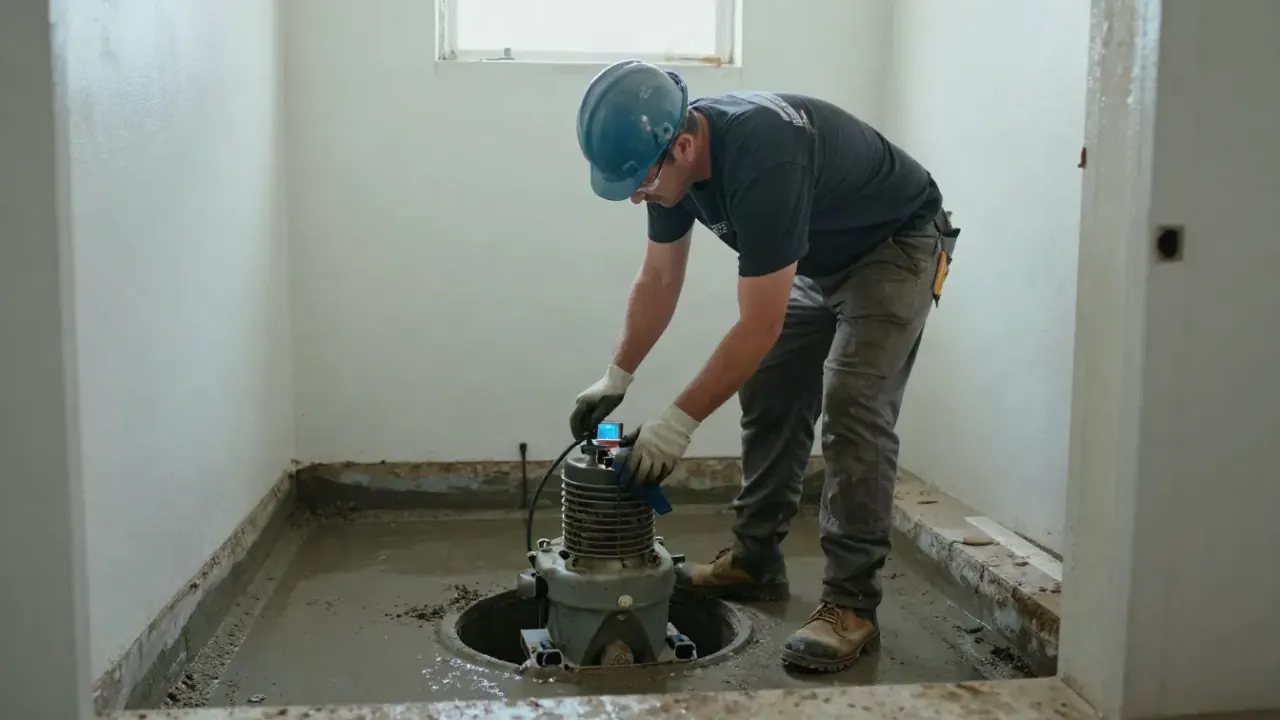
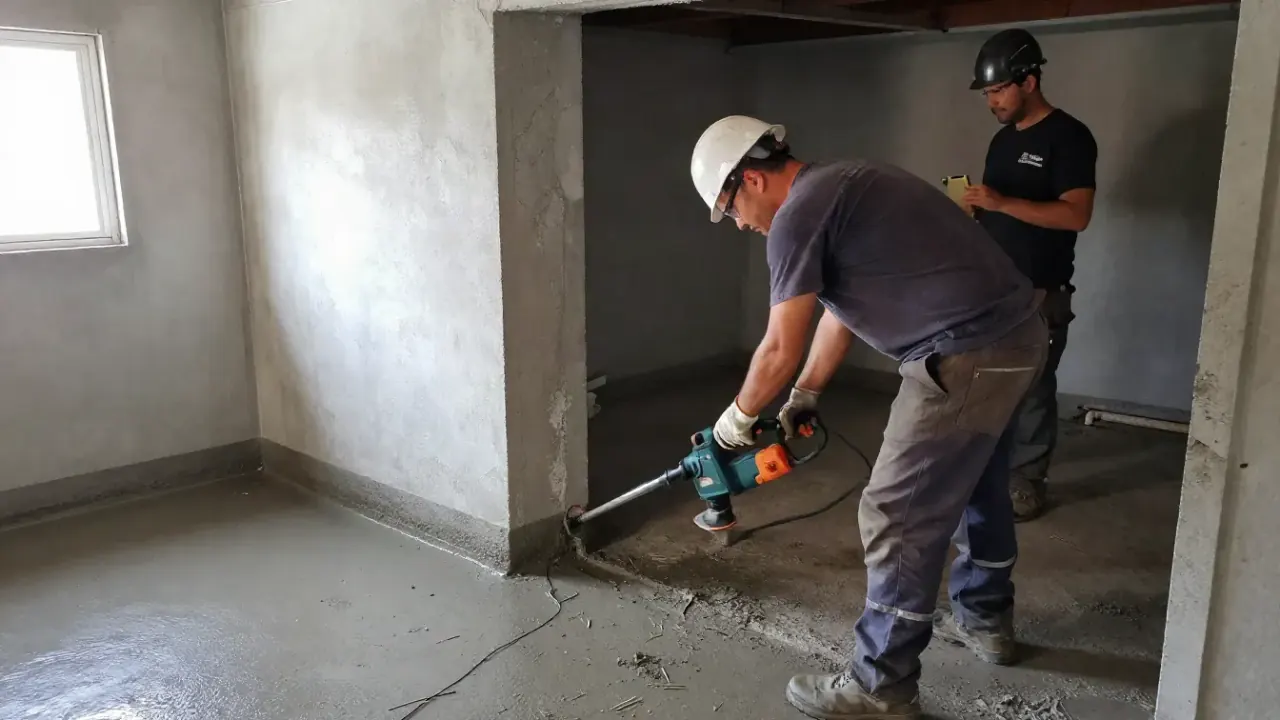
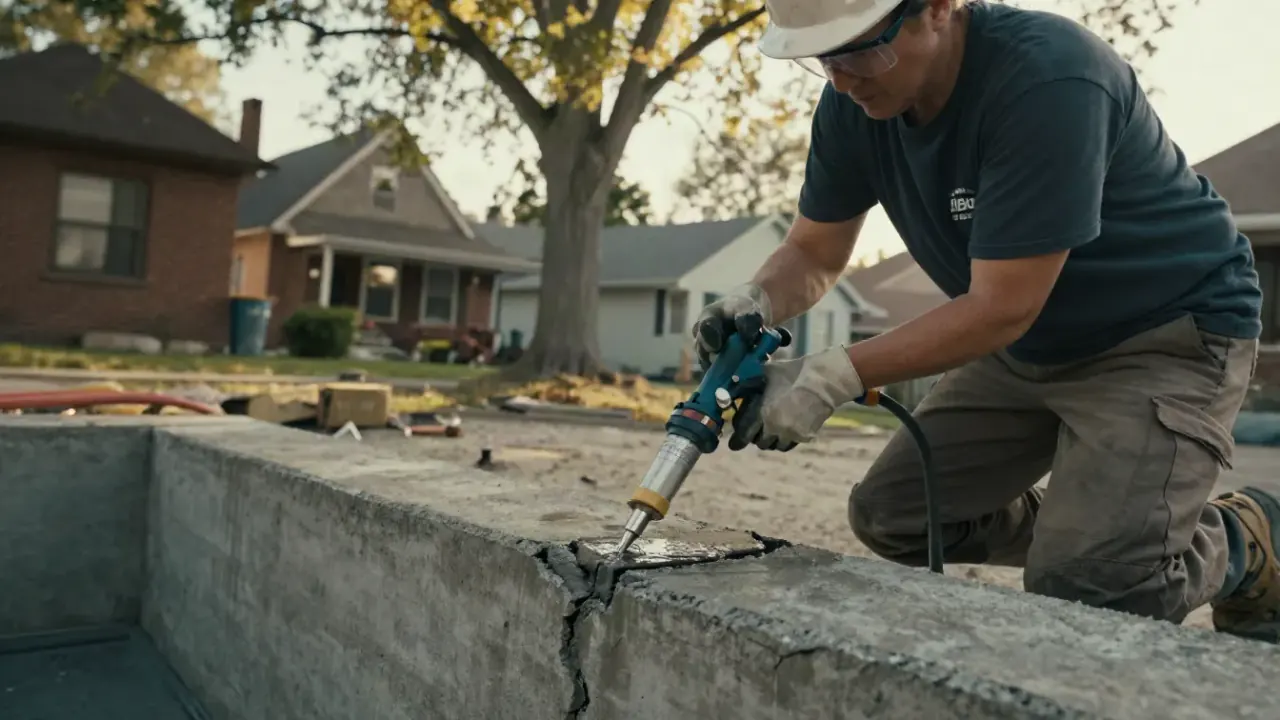
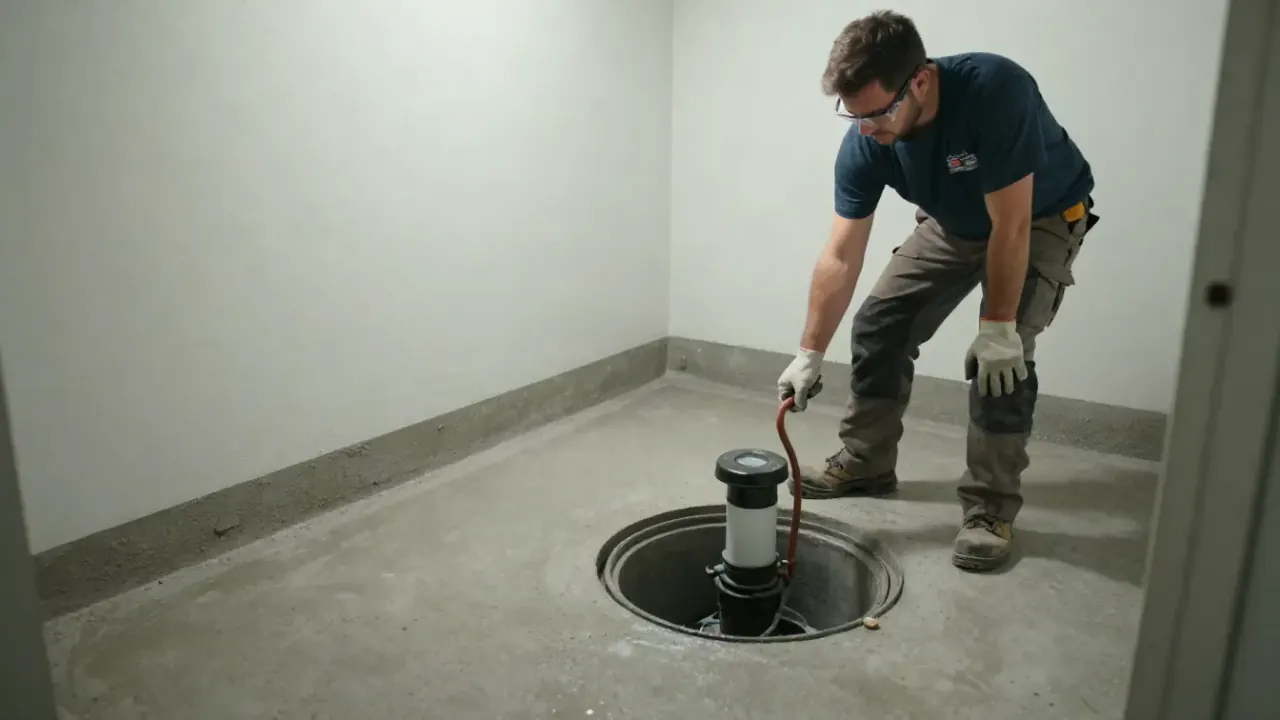
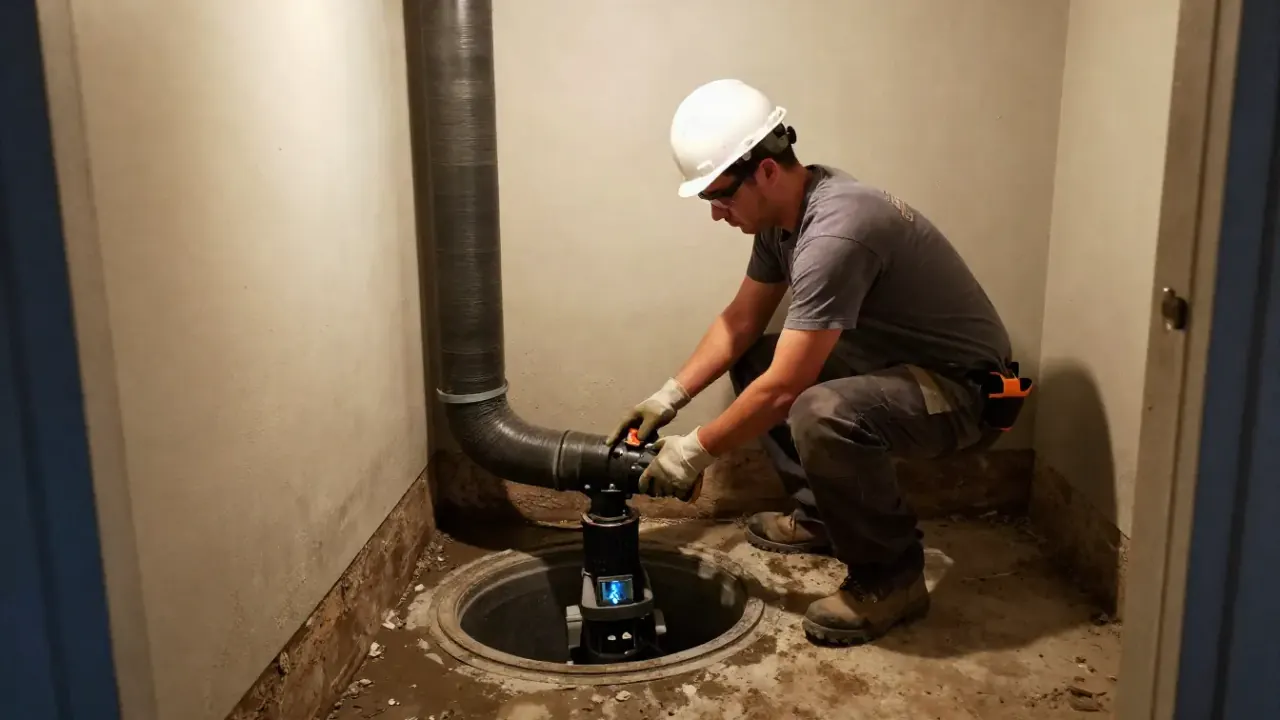
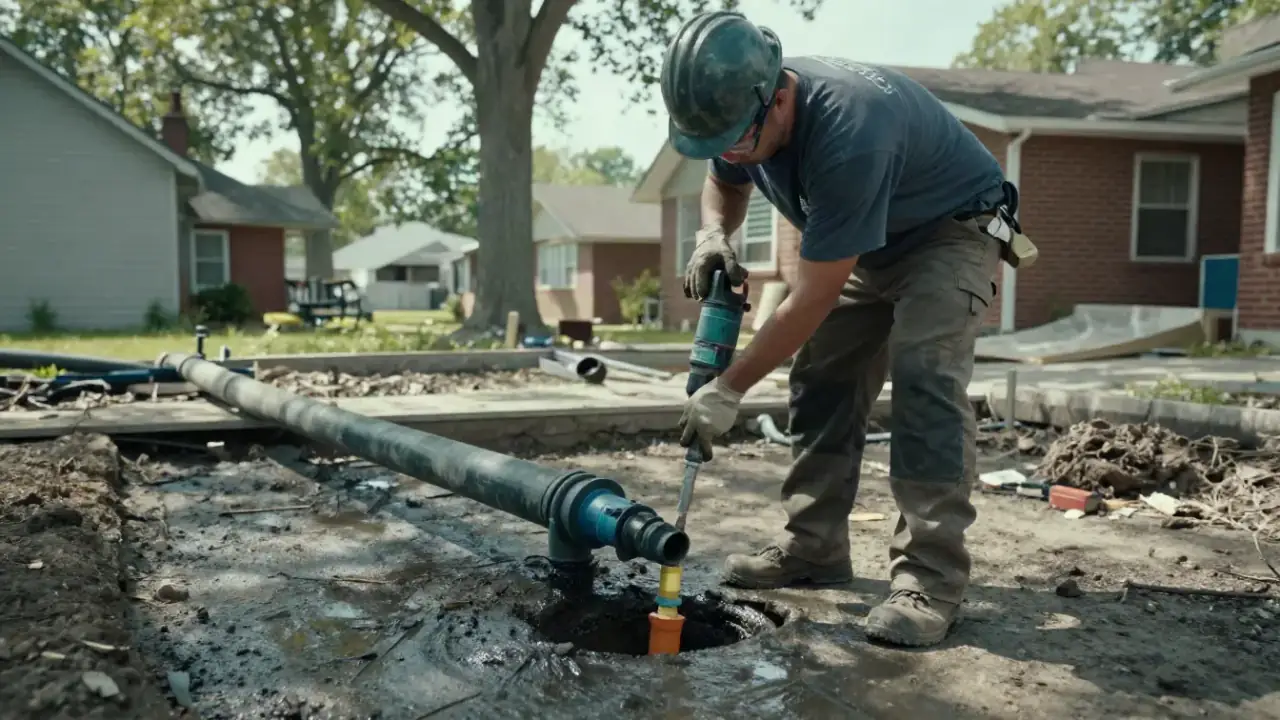
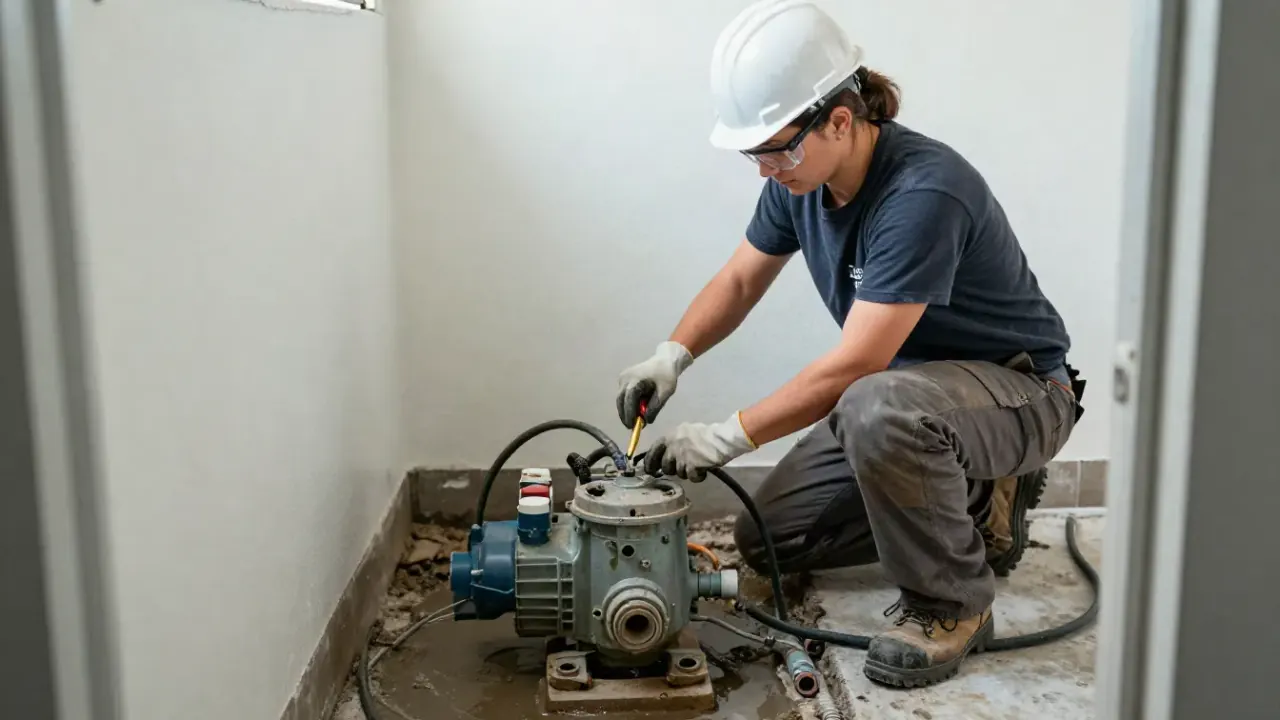
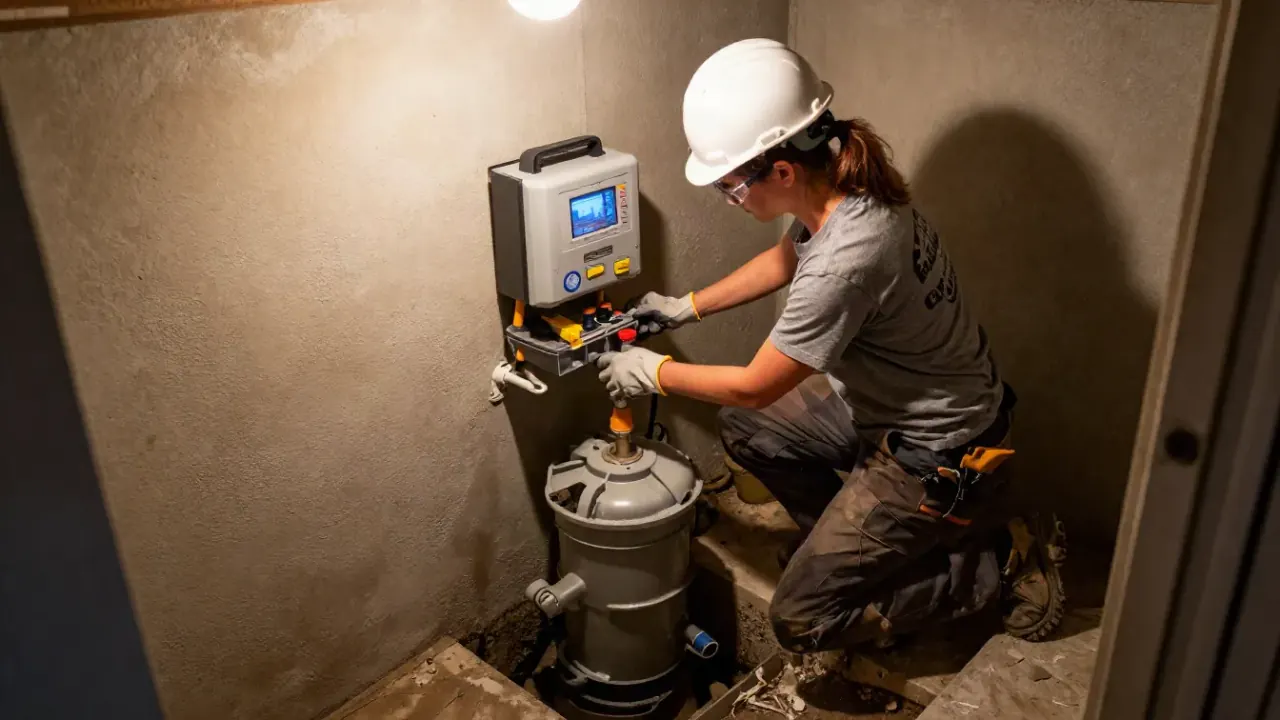
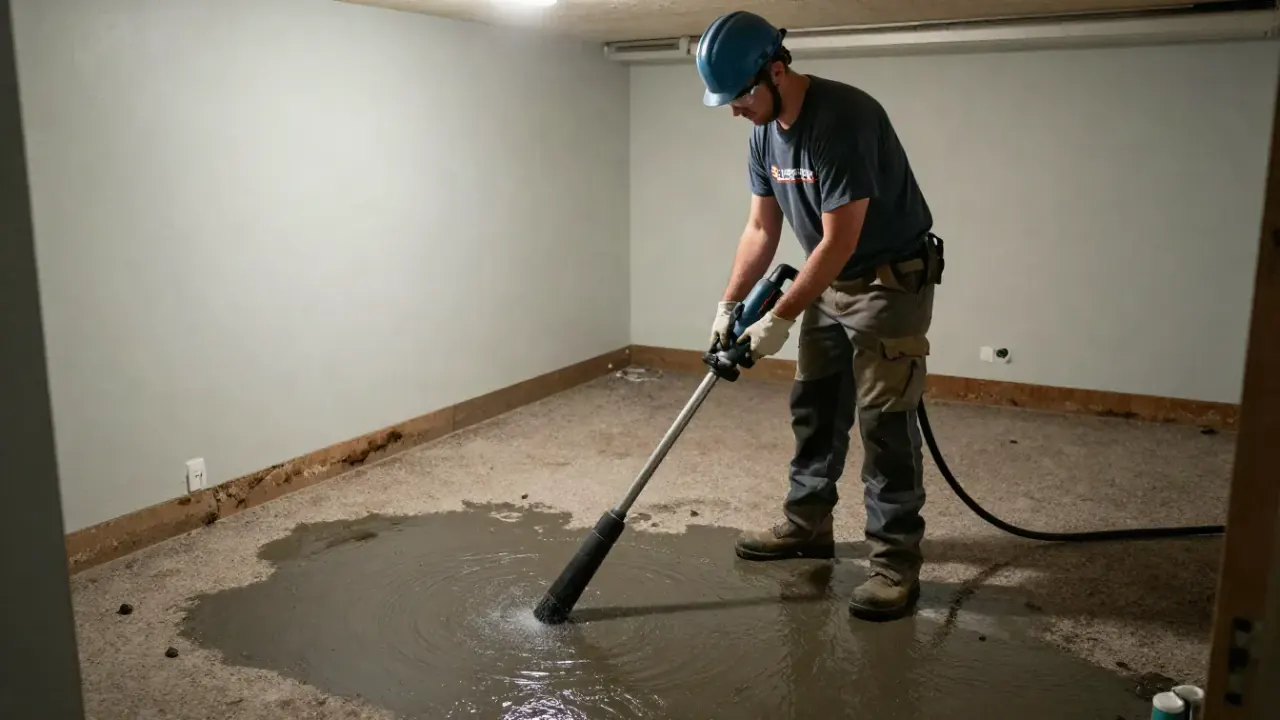
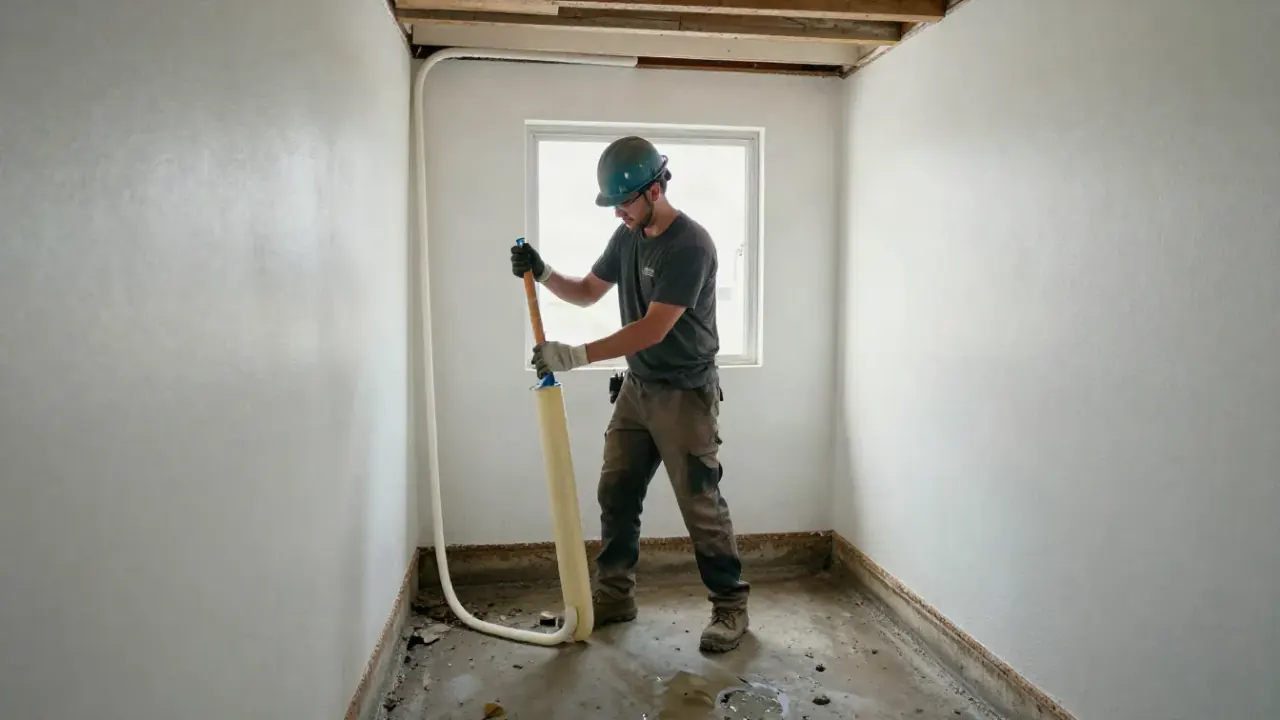
sump pump repair Warren OH helps homeowners and property managers protect basements when a pump runs constantly, fails to start, or leaves water on the floor. We inspect the pump, float switch, power supply, basin, and discharge route, then explain the repair before work begins. If your basement is taking on water after heavy rain, call Warren Waterproofing Pros to find the fault and get the system pumping again.
Our repair visit covers diagnosis and correction of accessible pump-system faults, followed by a water test. We inspect the pump, float, power connection, basin, check valve, and discharge line, then explain what the findings mean. If the problem involves a damaged electrical circuit, major pipe replacement, new drainage, or flood cleanup, we identify that additional work separately so you understand what the pump repair does and does not address.
Pump and float inspection
We check the pump's condition and confirm the float moves freely through its operating range. A float that catches on the basin or wiring can prevent startup or cause constant cycling. We correct accessible obstructions and verify that the switch responds during the water test.
Power and connection check
We inspect the accessible plug, outlet connection, and signs of an interruption that could stop the pump. A tripped circuit or loose connection needs a different response from a failed motor. We explain when an electrical issue requires a qualified electrician.
Basin and intake check
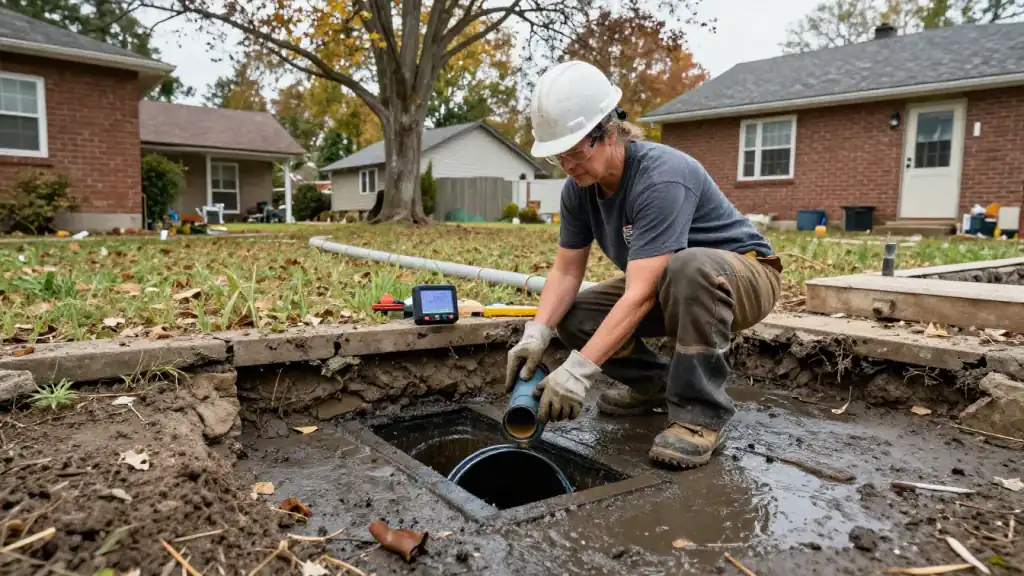
We look for sediment, debris, and an obstructed intake that can interfere with pumping. Where accessible, we clear material affecting operation and check that the sump basin liner is stable. Heavy buildup or basin damage is identified before it causes repeat trouble.
Discharge path testing
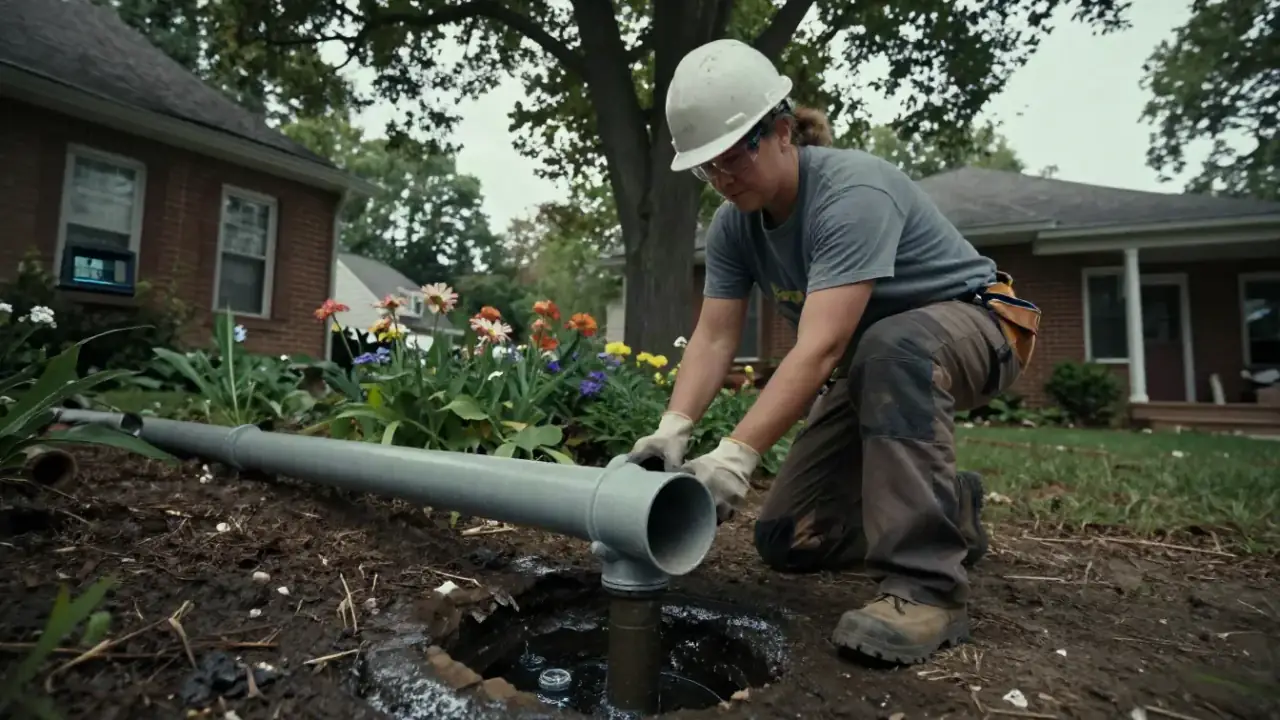
We check the check valve and accessible discharge pipe for a blockage, leak, or water returning toward the basin. The completed water test confirms that water leaves the pump and reaches the outlet. A buried or frozen line may require additional work beyond the pump itself.
Operating cycle confirmation
We add water to confirm the pump starts, runs, and shuts off as the basin level changes. We listen for unusual noise and watch for vibration or slow discharge. You see the system's response before we review the repair and maintenance points.
Homes and businesses.
The approach is the same for a home and a business. What changes is the access, the schedule and who needs the paperwork.
Homes and rentals
A silent pump or wet basement floor needs a clear diagnosis before water reaches belongings or finished rooms. We inspect the basin and explain the repair in terms you can follow.
Water near stored belongings
Pump alarm during a storm
Frequent cycling after rain
Managed properties
A sump failure can affect tenant spaces, storage rooms, or building operations. We test the system, explain the fault, and identify any separate drainage concern.
Basement storage area flooding
Repeated pump alarm reports
Wet floor in a shared room
Sump pump repair Warren OH: what we do
A plain-language look at what Sump Pump Repair involves and when it is needed.
sump pump repair Warren OH is a drainage equipment service that restores a failed or malfunctioning sump pump so it can remove groundwater from a basement or crawl space. We check whether the issue comes from a stuck float, worn switch, blocked intake, damaged impeller, tripped circuit, frozen discharge pipe, or a pump that has reached the end of its working life. After locating the fault, we repair or replace the affected component when practical, clear obstructions, and run a controlled water test. You see what failed and how the repair performs.
Homes across Warren and Trumbull County face basement flooding after heavy rain, groundwater pressure, and winter freeze-thaw conditions that can stress a pump and its discharge line. If you are searching for sump pump repair in Warren, Ohio, we inspect the whole operating path rather than swapping parts blindly. We check the basin and discharge outlet, look for failed drain tile or water seepage through basement walls, and identify whether yard pooling or clogged downspouts are adding water to the system. That diagnosis helps address why is my sump pump not working in Warren without overlooking the source.
A sump pump repair restores the pump's ability to collect and discharge water from its basin.
What it is
Inspection and repair of pump, float, basin, power connection, valve, or accessible discharge line.
When needed
When the pump stays silent, cycles constantly, makes unusual noise, or leaves water standing.
What to expect
A fault check, explained repair, and water test of the operating cycle.
How our repair visit works
Sump pump service Warren OH starts with the symptoms you have noticed: unusual noise, nonstop cycling, a high-water alarm, or a pump that stays silent. We then inspect the basin and drainage route, explain the fault in plain terms, and test the completed work. Most straightforward repairs take 1 to 3 hours; added drainage or electrical issues require a separate plan.
Review symptoms
We begin by asking when the problem started, whether the pump runs continuously, and whether you have seen water on the floor or a recent power interruption. You can show us the alarm, switch, and discharge outlet. This first conversation takes about 10 to 15 minutes and helps us focus the inspection on the failure pattern rather than guessing.
Symptoms
Alarm history
Water level
Inspect the system
Our technician checks the basin, pump intake, float movement, electrical connection, check valve, and accessible discharge pipe. We look for sediment, a jammed switch, loose wiring, or a line that ends too close to the foundation. A moisture meter helps distinguish active seepage from old staining, and we note any wall cracks or efflorescence that point to a broader water problem.
Float movement
Power check
Outlet route
Explain repair options
We show you the failed part and explain whether cleaning, adjustment, component repair, or pump replacement makes sense. If the pump is more than 7 to 10 years old, has repeated motor failures, or cannot keep up with inflow, we discuss replacement alongside repair. You receive the practical trade-offs and the price before we proceed.
Repair options
Part condition
Price explained
Complete the repair
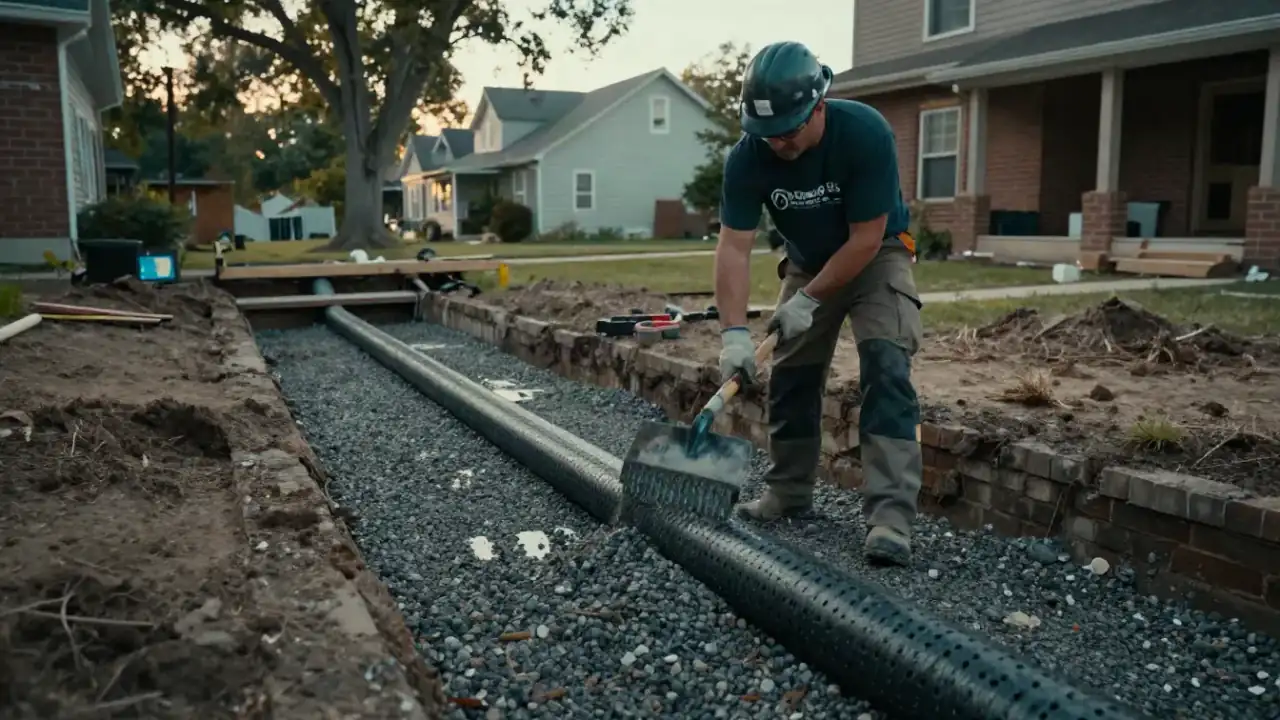
We make the agreed repair, secure the pump, restore clear float travel, and remove accessible obstruction from the basin or discharge route. If the outlet is frozen, buried, or damaged beyond the repair area, we explain the next step rather than masking the restriction. We protect the surrounding floor and keep tools and removed parts contained.
Correct fault
Clear obstruction
Secure pump
Run a water test
We add water to the basin to confirm the float starts the pump, the motor runs without unusual noise, and water exits through the discharge line. We observe a complete cycle and check that the pump shuts off at the expected level. Before leaving, we review the repair, share maintenance steps, and point out any remaining drainage concern.
Water test
Cycle check
Next steps
Tools and repair methods
Move across a circle, or focus it and press Enter, for an illustrative thermal view of the photograph.
Moisture meter
We check damp areas around the basin and foundation to help distinguish active moisture from old staining. Readings guide where we inspect next; they do not replace tracing the water source.
Wet/dry vacuum
We use a wet/dry vacuum to remove limited water from an accessible work area or basin when needed for inspection. It supports the repair process but is not a substitute for flood restoration equipment.
Hydrostatic pressure test kit
When a broader foundation concern needs investigation, this kit helps assess water pressure conditions as part of a separate diagnostic. We use findings to understand whether repeated inflow may involve more than a failed pump.
Zoeller
We recognize Zoeller pump components and configurations during inspection and repair. Identifying the installed model helps us assess compatible parts and explain whether a component repair or full pump replacement is more practical.
Liberty Pumps
We inspect Liberty Pumps units for switch, float, intake, and discharge issues, as with other installed systems. The make and model help us identify the equipment and choose a compatible repair approach.
Thermal views are illustrative, generated from the photographs.
Methods
Controlled basin water test
We introduce water into the basin and observe the float, startup, pumping, and shutoff in sequence. This confirms whether the repair restores the intended cycle and reveals slow discharge, abnormal noise, or a switch that fails to respond. We explain the result while you can see the system working.
Discharge-path tracing
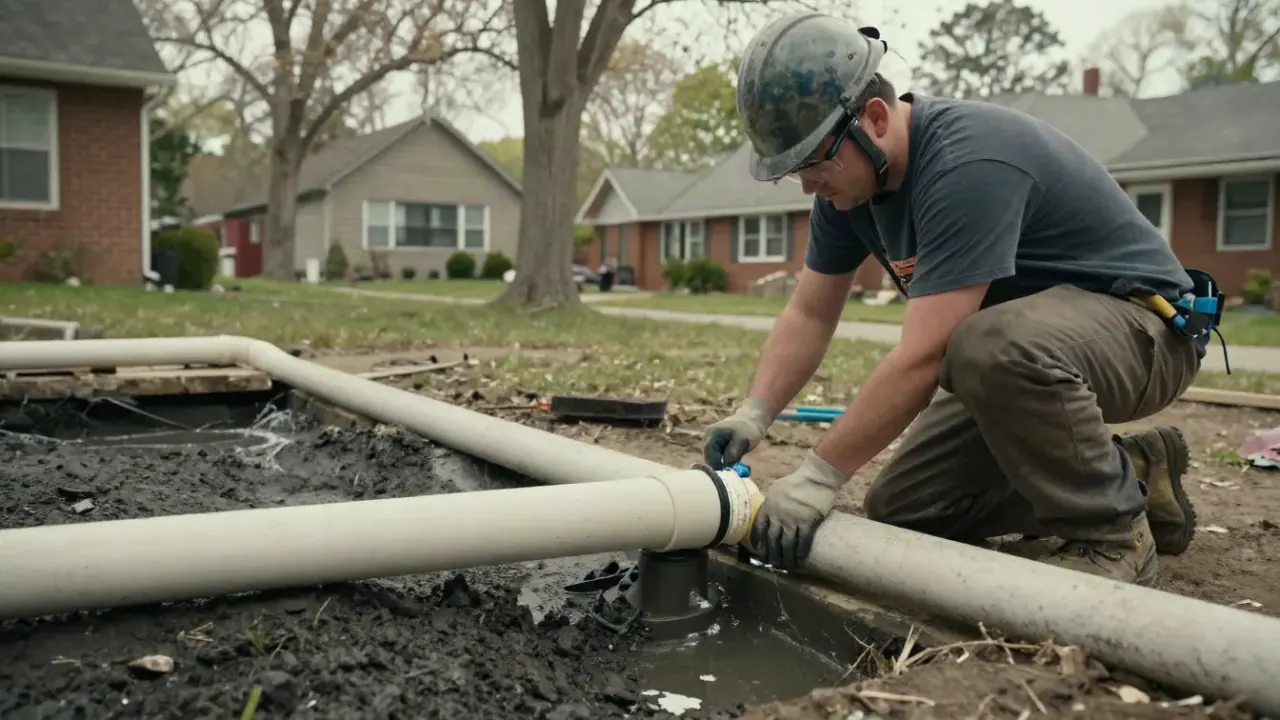
We follow the accessible route from pump outlet through the check valve and discharge pipe to the termination point. We look for a blockage, leak, freeze exposure, or return flow that could make the pump cycle repeatedly. Correcting the pump without checking this route can leave the original symptom in place.
Component-first diagnosis
We isolate power, switch, float, intake, motor, and valve issues before recommending replacement. That sequence prevents a simple mechanical obstruction from being mistaken for a failed pump. When the unit is damaged or repeatedly unreliable, we show you the evidence supporting replacement instead of presenting it as the only option.
Water-entry context check
We note signs of wall seepage, foundation cracks, failed drain tile, or water pooling near the home while inspecting the sump system. These conditions can increase inflow even when the pump is operating correctly. We explain which concern belongs to the repair and which needs separate drainage or foundation work.
When to schedule a pump repair
Repeated cycling
A Warren homeowner hears the pump running every few minutes after several hours of steady rain.
We inspect float travel, the check valve, discharge outlet, and incoming water load. If a failed valve or stuck float is causing repeat cycles, we correct it and test the basin through a full operating cycle. We also look for surface water routes that could be feeding the foundation.
Outcome: The pump cycles in response to water level rather than repeatedly running without purpose, and you know whether a separate drainage issue remains.
Silent pump
A basement pump is silent during a storm, and water has started collecting around the basin.
We check the power connection, switch, float, and motor to find why the pump will not start. We prioritize restoring water removal, test the repaired system, and explain any electrical or replacement work that falls outside the immediate repair.
Outcome: You know the cause of the failure and can see the pump start and discharge water before the visit ends.
Frozen outlet
A discharge outlet freezes during a Warren cold snap, leaving the pump to run against a blocked line.
We examine the accessible discharge pipe for ice, damage, and water returning to the basin. After restoring a clear route where possible, we test the full cycle and discuss routing concerns that can make the line vulnerable in winter.
Outcome: The pump can move water through a clear outlet, and you receive specific guidance about the remaining line condition.
Wet rental basement
A property manager finds damp carpet after a pump alarm sounds in a rental near downtown Warren.
We inspect the alarm, pump, float, basin, and outlet, then run a water test to confirm operation. We identify whether the water came from pump failure, a discharge restriction, or a nearby wall leak, so repair and cleanup needs are not confused.
Outcome: The manager gets a tested pump and a clear distinction between the equipment fault and any separate basement water entry.
Downtown WarrenHowland CenterBolindale
How sump pump repair works in Warren
Warren's wet spring conditions and freeze-thaw winter weather put different demands on a sump system. In October, we check that fall rain has not exposed a blocked discharge or a pump that cycles too often; as temperatures drop, exposed outlets and poorly protected lines deserve attention.
Older basements around Warren may have narrow access, aging drain tile, or a basin added after repeated seepage, so we inspect the equipment in the space it actually serves. Our sump pump switch and float repair Warren Ohio work includes checking free float movement, cord placement, and the basin wall before the water test.
We also look for efflorescence, foundation wall cracks, and discharge water returning toward the house. If a pump is running but basement flooding after heavy rain continues, the cause may include incoming water beyond the pump's capacity. We explain what the test shows and whether the issue is the pump, the line, or a broader drainage condition.
Downtown Warren: Older homes and finished basements can limit access around the basin. We protect nearby flooring and check the discharge route before running a water test.
Howland Center: Properties with changing yard grades may send surface water toward the foundation. We inspect pump cycling alongside visible pooling and downspout discharge.
Bolindale: Heavy rain can reveal a weak switch or restricted outlet. We test the float and follow the accessible discharge line through a full operating cycle.
McKinley Heights: Basement layouts vary, so we check basin access, pump clearance, and nearby seepage instead of assuming each home has the same drainage setup.
Freeze-thaw weather can obstruct exposed sump discharge outlets: When an outlet freezes, a running pump may fail to move water away from the home. We check for blockage, return flow, and vulnerable accessible sections, then test the route after repair. A buried line needs separate assessment if its condition cannot be confirmed from the outlet.
Spring storms can increase groundwater and surface runoff together: A pump that handled ordinary inflow may run continuously when water enters through drain tile, a wall crack, or poorly directed downspouts. We verify pump operation first, then identify signs that additional drainage or water-entry work is needed.
We review symptoms and walk through the pump and basin.
We protect nearby flooring and set up tools for inspection.
We test the cycle, explain findings, and review next steps.
From problem to finished result.
IllustrativeThe thermal view is generated from the photograph. It is not a measurement. Drag the handle, or use the arrow keys once it is focused.
Float switch restored
Before: A Warren homeowner's pump stayed silent even as water rose in the basin. The float was caught against a power cord, so the switch never reached its start point. The homeowner had already moved stored boxes but could not tell whether the motor or the switch had failed.
After: We repositioned the cord, corrected the float obstruction, and tested the pump through three water cycles. It started as the level rose, lowered the basin, and shut off without the repeated alarm. The motor remained serviceable, so the repair avoided replacing a functioning pump.
Keep cords clear of the float and check the basin every three months. Pour water in carefully to confirm startup, discharge, and shutoff before the rainy season.
Discharge blockage cleared
Before: A pump in Howland Center ran for long periods after rain, but the basin level barely changed. The accessible outlet was restricted, and water was returning through the line after each attempted cycle. The motor sounded strained, raising concern that the unit had already failed.
After: We cleared the accessible obstruction, checked the valve, and ran a water test. The basin level dropped during the cycle, and the pump shut off normally. The customer could see water reach the outlet instead of circulating back into the pit.
Inspect the discharge outlet seasonally for debris, damage, or ice. After major storms, listen for prolonged cycling and check that the outlet is moving water away from the foundation.
Worn pump replaced
Before: A basement pump in Warren had become noisy and failed twice within a short period. The housing showed wear, and the motor could not keep up with the water entering the basin during heavy rain. Repeated resets left the family uncertain whether the next storm would flood the floor.
After: We installed a compatible replacement after checking basin fit, float clearance, and discharge connection. A controlled test confirmed normal startup and shutoff, with water leaving through the line. The existing basin remained in use, and the customer received guidance on checking the system.
Test the pump every three months and after a power outage. Keep the basin clear, check the float's movement, and have unusual vibration or repeated cycling investigated promptly.
Problems sump pump repair can solve
A pump symptom can point to a small switch fault or a larger drainage restriction. We trace the cause and repair what is affecting operation, then identify related concerns such as hydrostatic pressure or wall seepage. If you are asking why is my sump pump not working in Warren, these common failures are a practical starting point.
No startupPump stays silent while water rises in the basinWater can spill onto the basement floor, soaking stored items, carpet, and lower wall materials before you notice the failure. We check the electrical connection, float switch, and motor response to locate the reason the pump will not start. After repairing an accessible fault, we add water to the basin and confirm the pump activates and discharges. If the power circuit or motor needs separate work, we explain the next step clearly.
Constant runningPump runs continuously without lowering the water levelContinuous operation can overheat the motor, increase wear, and still leave the basin close to overflowing during heavy inflow. We inspect the float setting, intake, pump capacity, check valve, and discharge outlet. A blocked or damaged line can make a working motor appear ineffective. We correct the fault we find and test whether water exits at a steady rate; persistent high inflow is assessed as a separate drainage concern.
Returning waterDischarge water returns to the sump basinWater cycling back into the basin makes the pump repeat its work and can trigger frequent starts, noise, and early component wear. We inspect the check valve and accessible discharge routing for a failed valve, leak, or outlet problem. Once the cause is corrected, we run a full cycle and check that the basin level drops and stays down after shutdown. We also note whether the outlet is positioned to keep water away from the foundation.
Unusual vibrationPump becomes noisy or vibrates during each cycleGrinding, rattling, or strong vibration can signal debris, a loose component, or a worn motor that may fail during a storm. We listen during operation, inspect the intake and basin for debris, and check that the pump sits securely. If cleaning or adjustment resolves the noise, we verify the result through repeated operation. A damaged motor or housing is discussed as a replacement issue rather than concealed with a temporary adjustment.
Reliable pumping, less water risk
A tested pump removes collected water through a clear discharge route.
Find the actual fault
We test the pump, switch, float, outlet, and discharge route to isolate the failure instead of replacing parts by guesswork. A sump pump fix Warren homeowners request often starts with a float caught against the basin wall or a blocked check valve. Finding that detail can restore normal cycling without an unnecessary full system replacement.
Reduce flood exposure
A pump that starts and moves water out lowers the chance that a rising basin spills onto the floor during heavy rain. We verify operation with a controlled water test and check that the discharge outlet carries water away from the foundation. You get a clear report on what was corrected and what still needs attention.
Protect pump components
Short cycling, a stuck float, and debris at the intake can wear a motor faster than normal use. We correct the condition we find, confirm clearance around the float, and listen for abnormal vibration. If your system needs more than a repair, we explain the options based on pump condition and basin setup.
Plan for power outages
A primary pump cannot remove water during a power failure unless a backup system is available. We check the existing battery backup sump pump, its connections, and alarm response when one is installed. If you need added backup protection, we can discuss a compatible installation after repairing and testing the primary unit.
What you receive
Clear records you can keep and share.
Repair summary
Notes the fault found and work completed.
Test record
Documents pump startup, discharge, and shutoff.
Photo notes
Shows visible conditions discussed during the visit.
Care notes
Lists practical checks for the pump and outlet.
Repair or replacement?
The decision depends on which component failed, the pump's condition, and whether it can complete a reliable water test.
Component repair
A sound pump has an accessible switch, float, valve, or blockage fault.
Motor operates normally
Housing remains intact
Cycle test succeeds
Pump replacement
Damage or repeated failures make the current unit unreliable.
Motor will not run
Housing is damaged
Failures keep returning
Drainage issue
The pump works, but water load or discharge routing remains a problem.
Water enters faster
Outlet restricts flow
Seepage continues nearby
System components
Sump basin
Pump motor
Float switch
Check valve
Discharge pipe
Battery backup
Drain tile
Downspout
Service ZIP codes.
A list like this tells people straight away whether you cover their street. Not listed? Call and ask: it only takes a minute.
Typical 2026 pricing is lower for float adjustment or a clearable blockage and higher for a replacement pump, damaged check valve, or difficult discharge line. We test the system, explain the repair, and provide the price before starting. A full replacement or added backup equipment is priced separately.
Common causes include a tripped circuit, stuck float, failed switch, jammed impeller, blocked discharge, or worn motor. In Warren, freezing weather can also plug an exposed outlet, while heavy rain can reveal a pump that cannot keep pace with incoming water. We check power and float movement first, then inspect the basin and discharge route. If the pump runs but water remains, the outlet or check valve may be the problem.
A sump pump can usually be repaired when the motor remains sound and the fault is limited to a switch, float, check valve, or blockage. Replacement is more practical when the motor is burned out, the housing is cracked, or repeated failures occur in a pump around 7 to 10 years old. We compare the repair needed with the unit's age and performance, then test the chosen solution with water in the basin.
Call us at (555) 123-4567 when a failed pump is allowing water to enter your basement; we will discuss the problem and next steps. For an emergency sump pump repair Warren OH homeowners should first avoid standing water near electrical equipment and move belongings away from the wet area if safe. We focus on the pump, power, and discharge path, then identify whether temporary water removal or broader flood cleanup is also needed.
A silent pump, rising basin, or wet basement floor needs prompt attention. Call Warren Waterproofing Pros at (555) 123-4567; our team will discuss the symptoms and the repair steps. We provide upfront pricing before work begins.
Tell us where water is showing up, how long it has been happening, and whether a sump pump or drain is involved. Call (555) 123-4567 during our weekday business hours, Monday through Friday, 8 a.m. to 6 p.m. We serve Warren, Ohio, and nearby communities, and will help you plan the right inspection for your basement or crawl space.