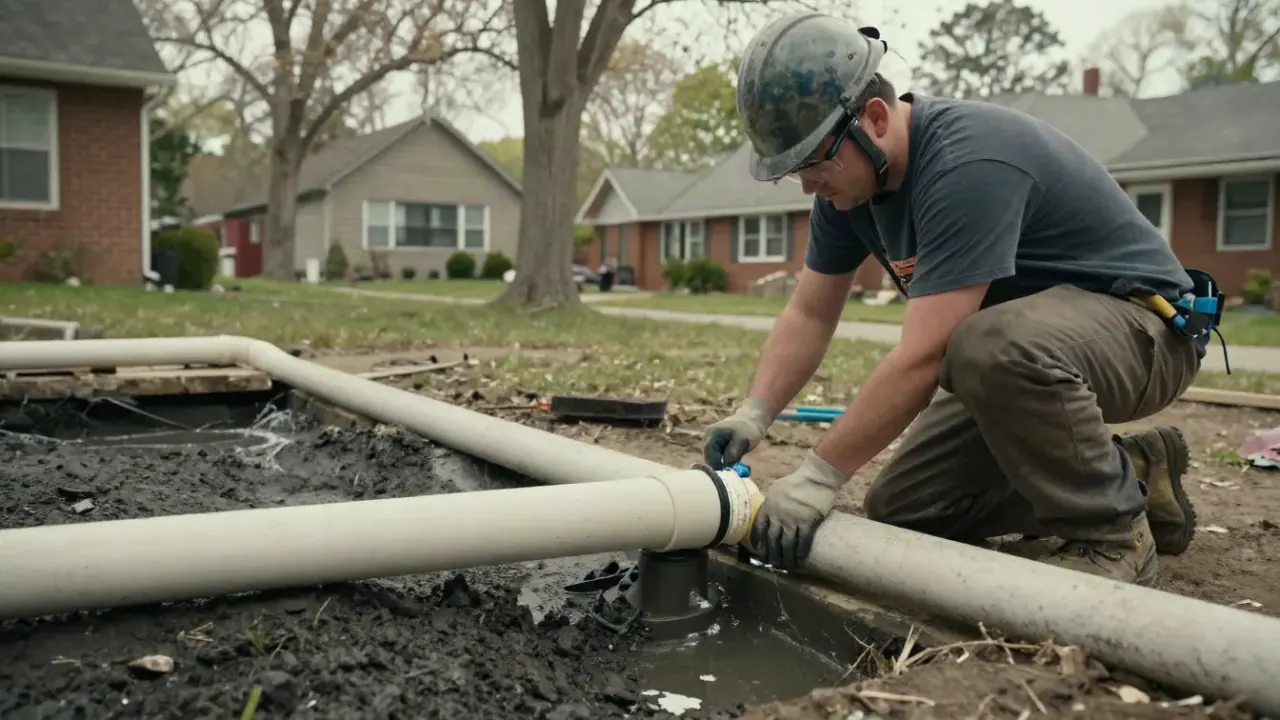
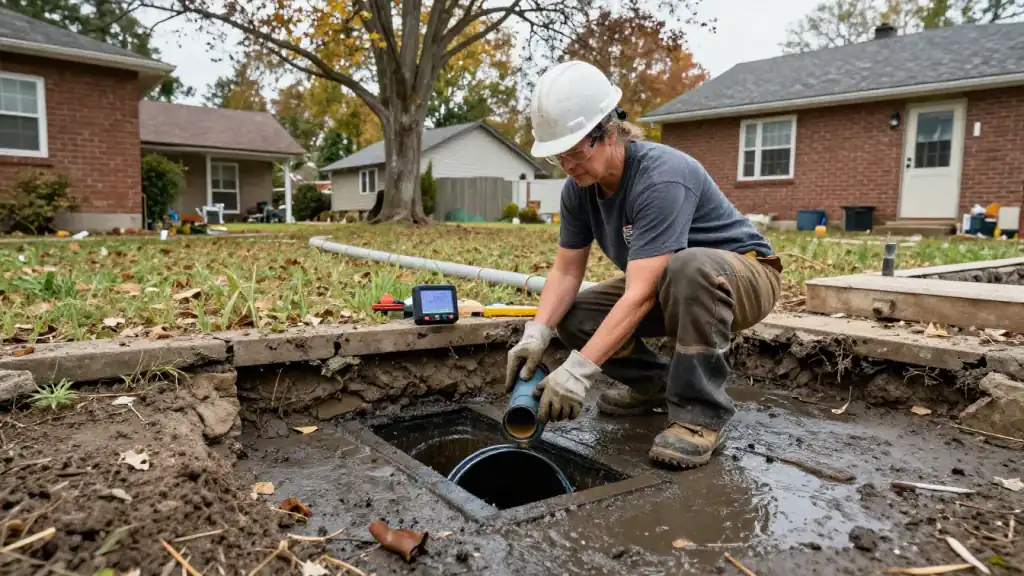
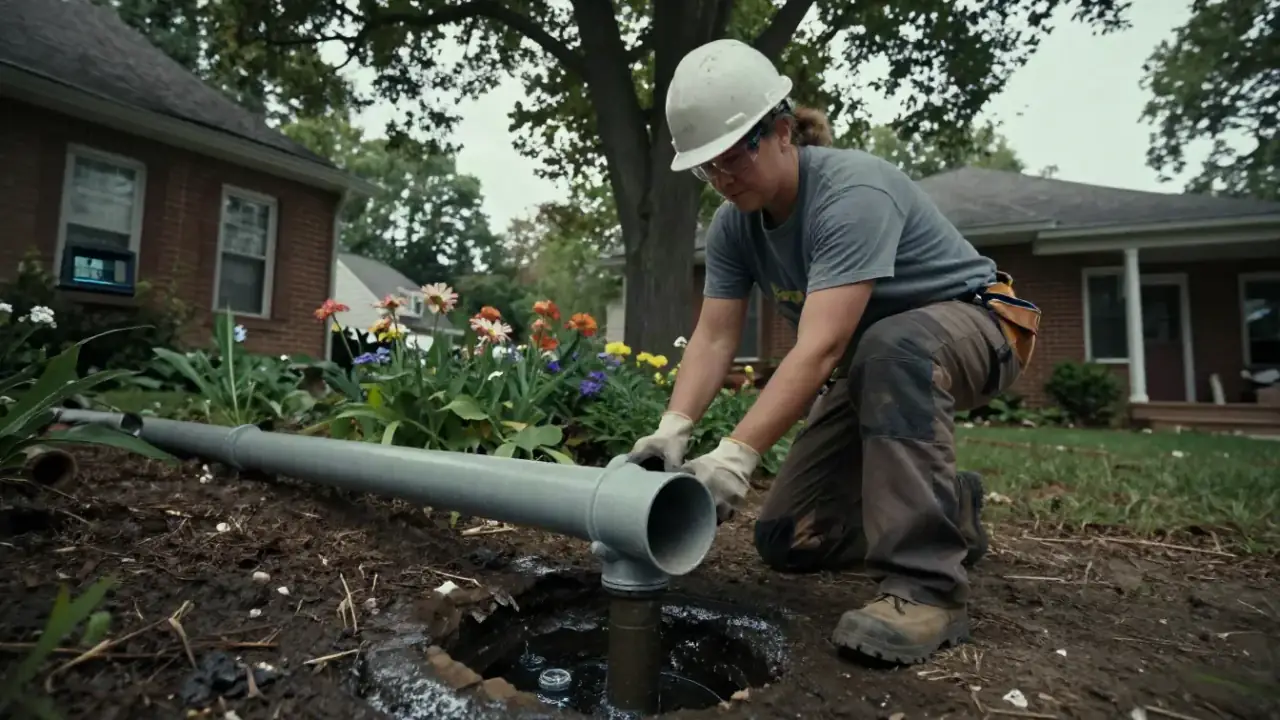
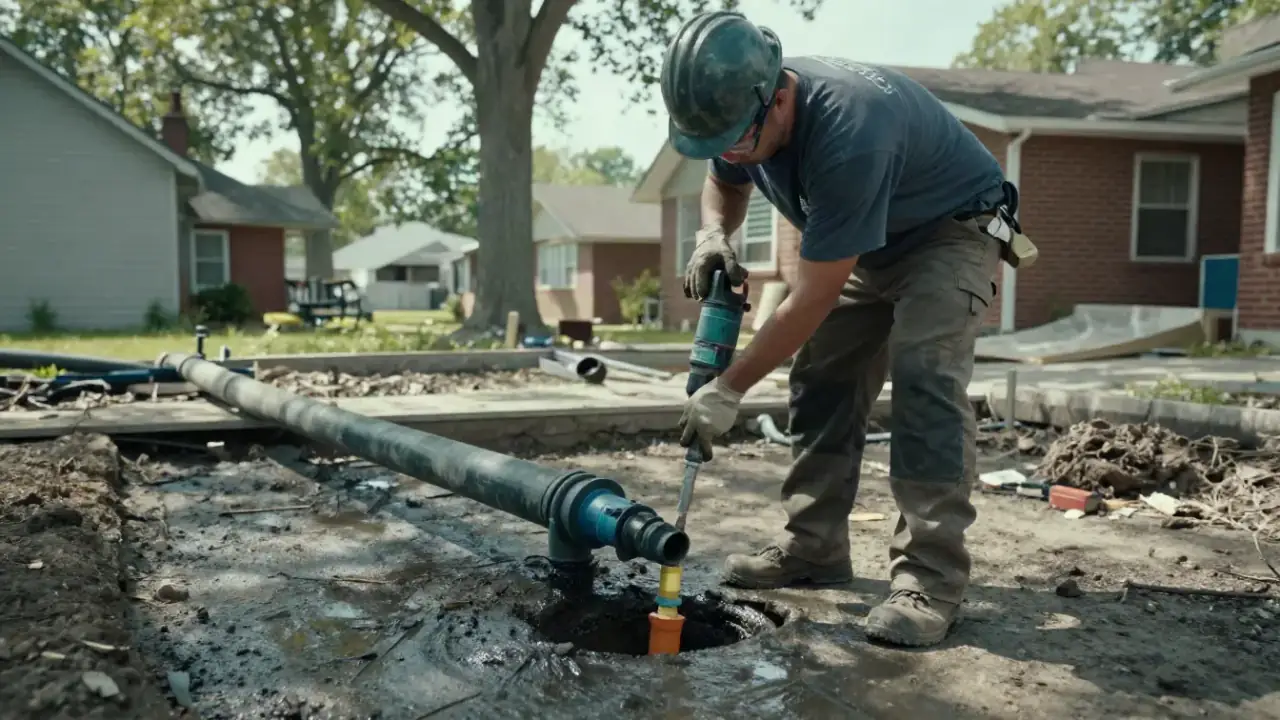
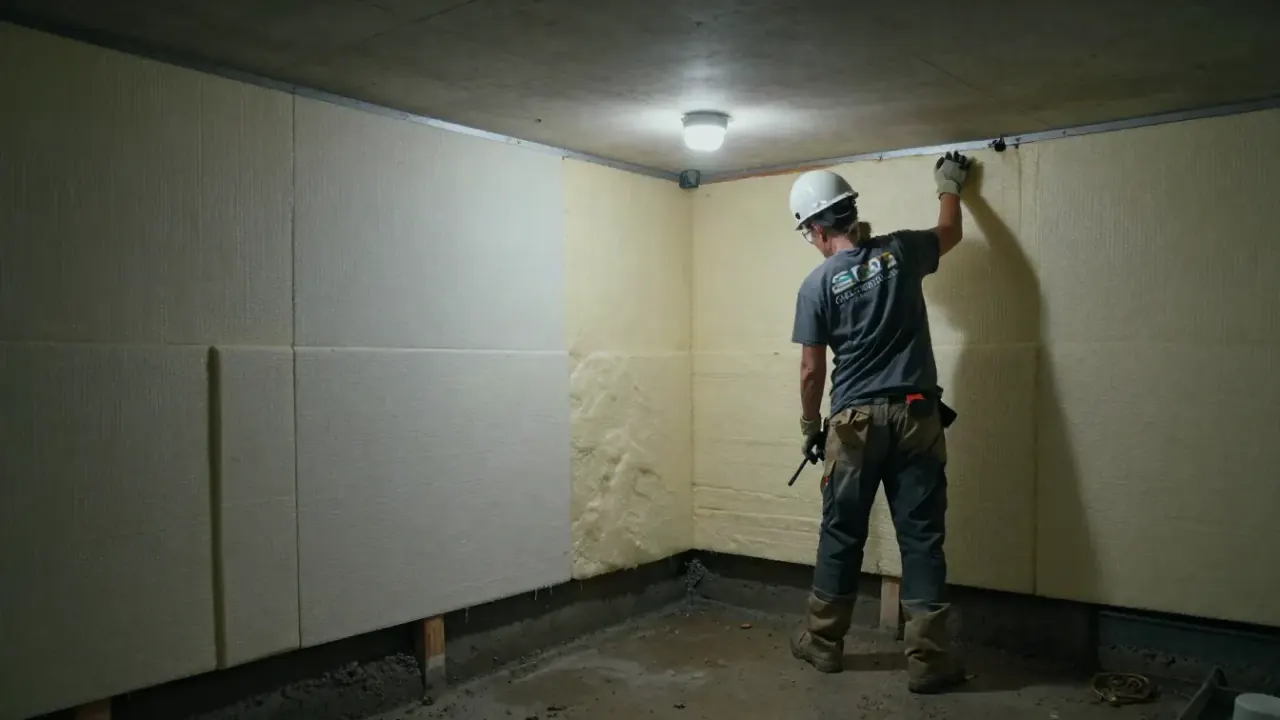
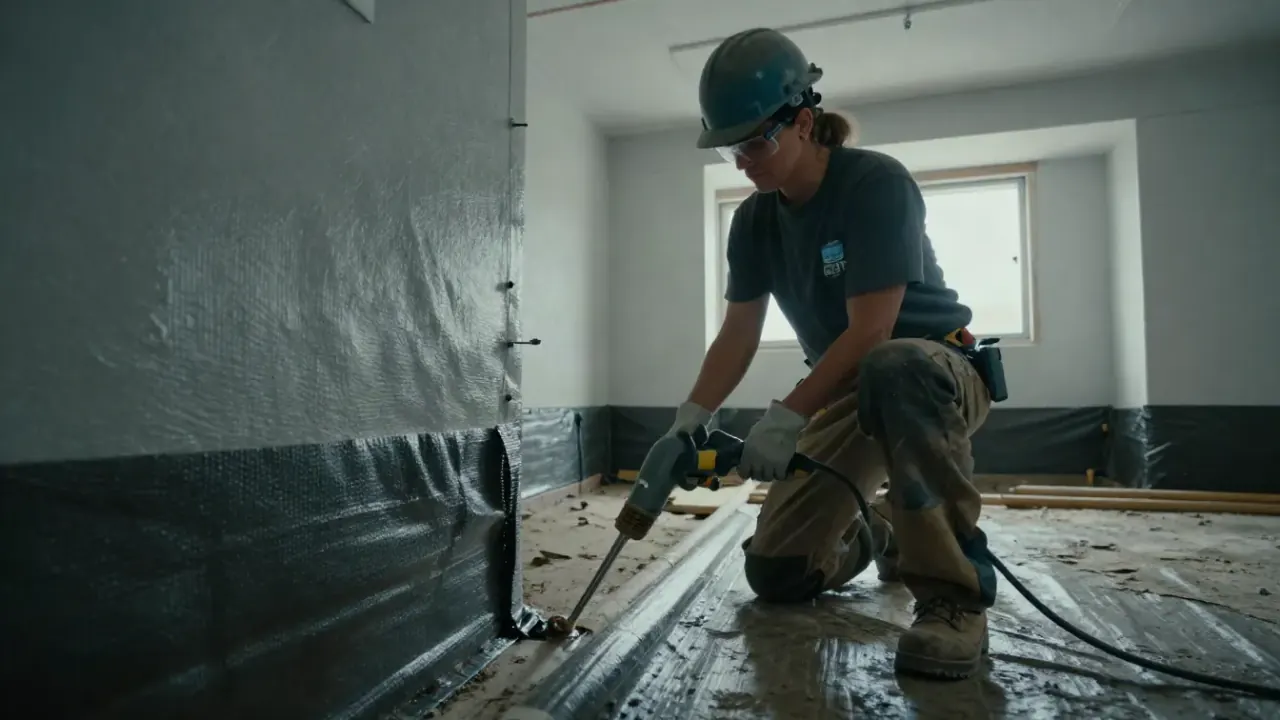
Basement flooding repair Warren OH for a dry basement
basement flooding repair Warren OH helps homeowners and property managers stop active water intrusion, remove standing water, and address the cause before damage spreads. Our team handles flooded basement cleanup Warren, from a failed sump pump to rain-driven seepage through a foundation wall. If your floor is wet now, keep clear of electrical hazards and call us; we'll assess the water, protect salvageable materials, and explain the repair steps.
Water Source InspectionStanding Water ExtractionMoisture Assessment
Written service plansClear plan before work
Careful property protectionFloors, contents and finishes protected
One point of contactOne local contact
Prepared local crewsWarren
What Basement Flooding Repair Includes
Basement flooding repair covers water-source inspection, safe extraction, assessment of wet materials, and repair of the confirmed entry or drainage problem. The exact work depends on what failed and how much of the basement is affected. We explain additional restoration or system work separately when needed, such as replacing saturated wallboard, installing an interior drainage system, or adding pump backup. You'll know which actions address the immediate flood and which reduce the chance of another one.
Water Source Inspection
We inspect foundation walls, floor joints, window wells, sump equipment, plumbing fixtures, and outside drainage for evidence of the entry route. You'll hear what the water pattern suggests and which checks support that diagnosis. Finding the source directs the repair and helps avoid repeating the same cleanup after the next storm.
Standing Water Extraction
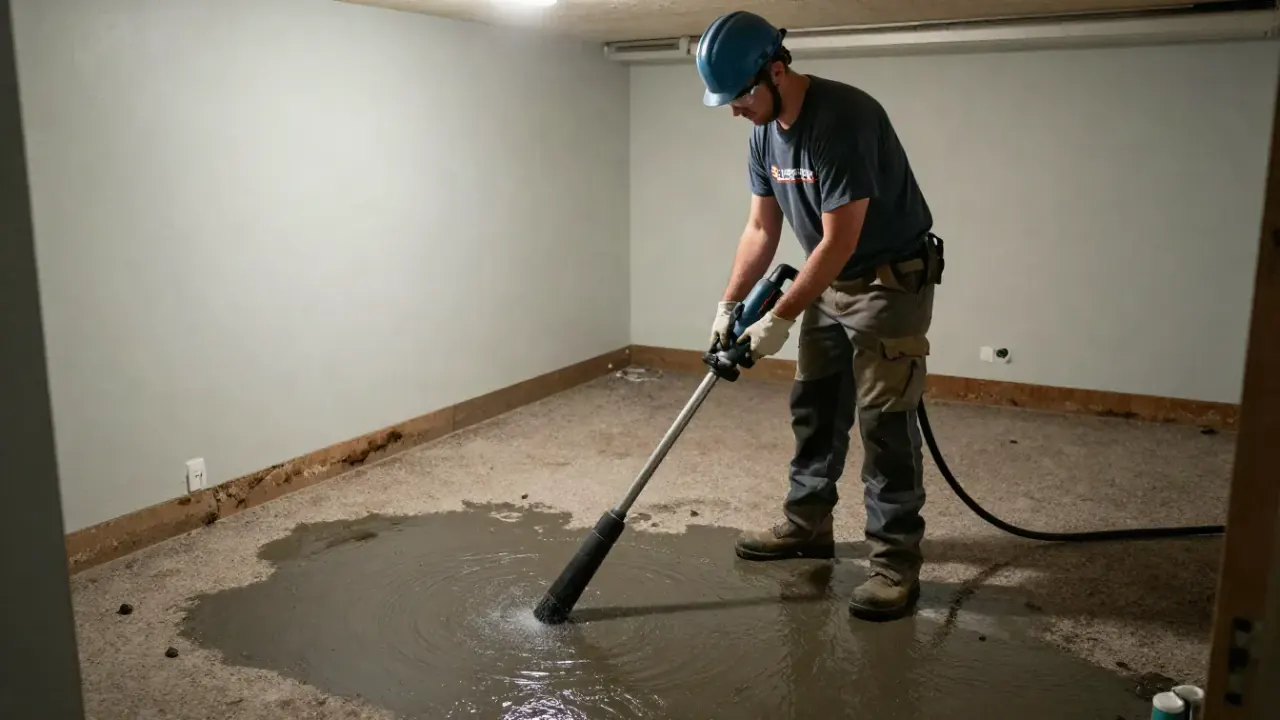
We remove accessible standing water using equipment suited to depth and room layout, then direct discharge away from the foundation. The approach accounts for nearby belongings and electrical hazards. Extraction reduces continued soaking, but wet carpet, drywall, or insulation still needs an assessment for appropriate drying or removal.
Moisture Assessment
We check affected surfaces and materials with a moisture meter and note where water traveled. A damp concrete surface differs from saturated carpet padding or wallboard. This assessment guides drying and helps identify materials that need further attention rather than assuming a room is dry because the puddle is gone.
Cause-Specific Repair
We repair the source confirmed during inspection, which may be a pump fault, a foundation crack, a leaking window well, or drainage failure. We test relevant components after the repair. Larger work, including exterior excavation or a full drainage system, is discussed as a distinct project when the conditions call for it.
Drying Guidance
We explain airflow, dehumidification, and material checks for the affected area. Drying duration depends on how much water entered and what it soaked; wet carpet and wallboard need more attention than exposed concrete. You'll know what to monitor and when a follow-up moisture check is useful.
Basement Flooding Repair Warren OH: What We Do
A plain-language look at what Basement Flooding Repair involves and when it is needed.
basement flooding repair Warren OH is a water-damage response and foundation repair service that removes water, dries affected materials, and corrects the conditions allowing water into a basement. We first locate the source, then extract standing water with suitable equipment and check floors and walls with a moisture meter. Depending on what we find, the repair may involve a sump pump, discharge pipe, failed drain tile, or a foundation wall crack. Drying and source correction go together; removing water without addressing its route leaves the next storm free to repeat the damage.
Warren homes in Trumbull County face basement flooding after heavy rain, snowmelt, clogged downspouts, and sump pump failure. Water can also push through a foundation under hydrostatic pressure or enter at a leaking window well. We trace the pattern instead of treating every wet floor as the same problem. For basement flooding repair in Warren, Ohio, our inspection checks grading, drainage, pump operation, and visible wall openings; that helps determine who to call for a flooded basement in Warren and what work will actually stop recurrence.
What Happens During the Repair
Basement flooding repair in Warren moves from hazard checks to extraction, drying, and source correction. We explain what we see as we work, keep you informed about access and affected materials, and test the repaired drainage or pump components before wrapping up.
Safety Check
On arrival, we ask when the water appeared, whether it is still rising, and whether the cause is known. We look for electrical hazards, sewage contamination, and unstable stored items before entering affected areas. If water is near outlets or appliances, stay out and shut power off only from a dry, safe location; we'll set the work area and explain the immediate steps.
Find the Entry
We trace water marks, inspect foundation wall cracks, window wells, floor edges, and plumbing fixtures, then check the sump pump and discharge line. The pattern helps separate rainwater intrusion from a plumbing leak or equipment failure. We also look outdoors for downspouts discharging beside the foundation or yard grading that directs runoff toward the house.
Extract Standing Water
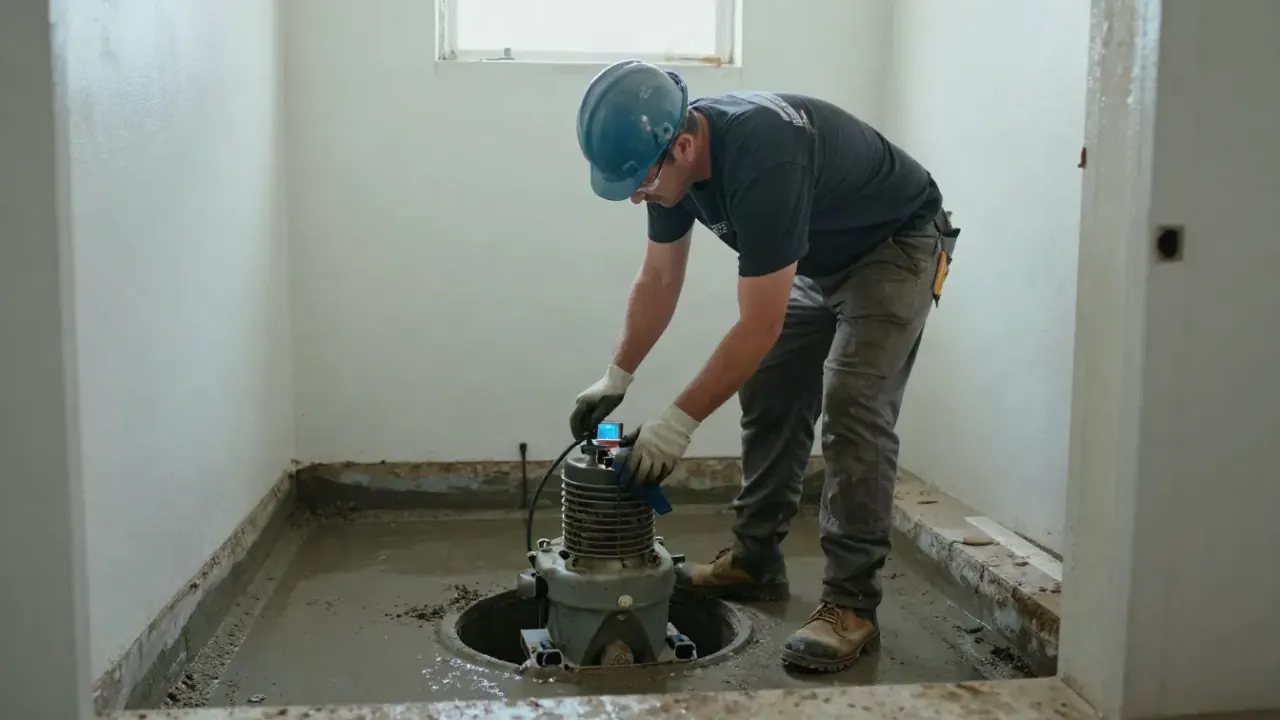
We select extraction equipment to match water depth and the basement layout. A submersible sump pump can move deeper standing water, while a wet/dry vacuum handles smaller pools and edges. We protect remaining contents, direct discharge away from the foundation, and remove water in a controlled sequence so you can see which areas remain wet.
Dry and Repair
After extraction, we identify wet flooring and building materials and set a drying approach suited to the affected area. We repair the confirmed source, which may involve pump components, a crack, a drainage connection, or an exterior water route. Drying time depends on material and moisture load; a small concrete-only area may dry in days, while soaked carpet and wallboard take longer.
Verify the Work
We run the sump pump and inspect the discharge route after repairs, then recheck the areas that showed moisture. You receive a summary of completed work and any remaining drying or restoration steps. Before we leave, we show you how to spot a rising water line, test the pump safely, and keep downspouts clear ahead of the next storm.
Tools and Repair Methods
Move across a circle, or focus it and press Enter, for an illustrative thermal view of the photograph.
Moisture meter
We compare readings across floors, walls, and affected materials to map damp areas and track drying. It helps identify moisture beyond the visible edge of a puddle.
Submersible sump pump
We use a submersible sump pump to move deeper standing water from a basement or basin when safe access and discharge routing allow.
Wet/dry vacuum
A wet/dry vacuum removes smaller pools and water along edges where larger extraction equipment cannot reach. We use it after checking electrical safety.
Hydrostatic pressure test kit
This kit can help assess pressure-related foundation conditions when the inspection indicates it is appropriate. Findings inform the drainage and wall-repair recommendation.
Zoeller pump
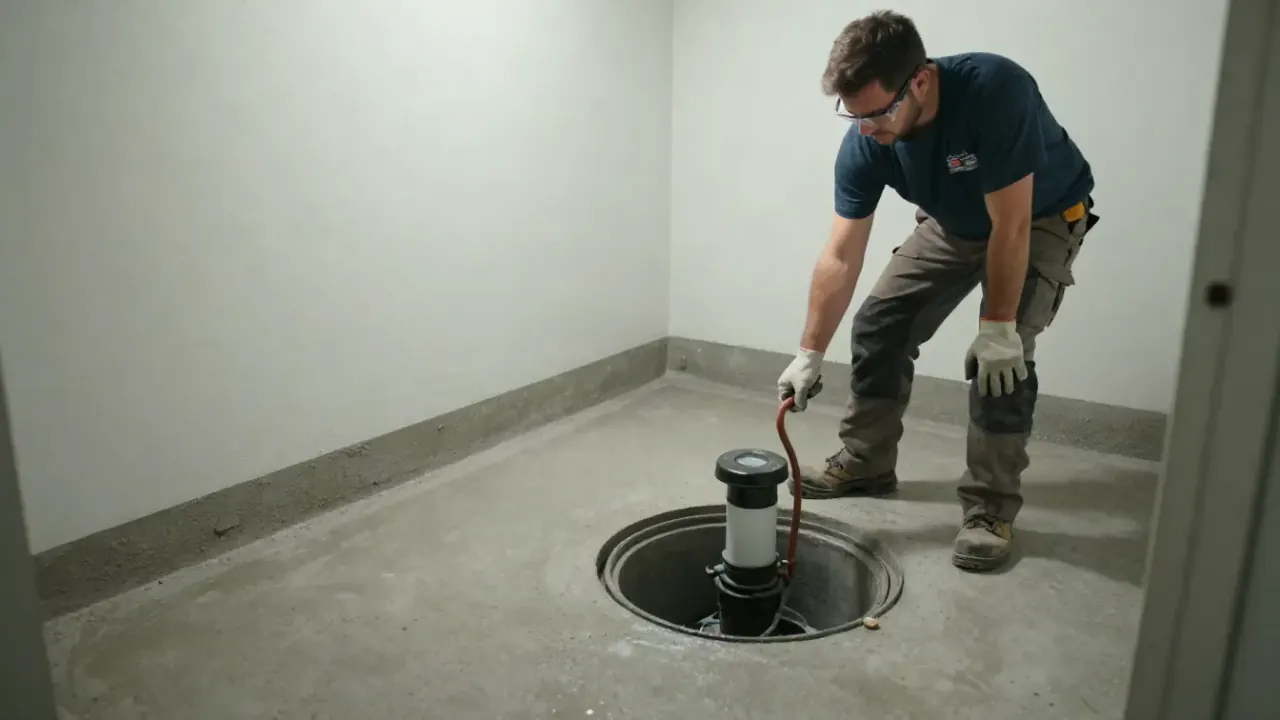
We assess Zoeller pump equipment where installed, checking operation, float response, basin conditions, and discharge performance before recommending service or replacement.
Thermal views are illustrative, generated from the photographs.
Methods
Source tracing
We follow water staining, dampness, and pooling back toward the likely entry point. The inspection covers foundation cracks, window wells, plumbing fixtures, sump equipment, and outdoor drainage. That evidence guides whether the repair should focus on a wall opening, pump failure, or runoff route.
Controlled extraction and drying
We remove standing water in stages and assess affected materials rather than treating every surface alike. Moisture readings guide airflow and drying decisions. Carpet padding or wallboard that remains saturated needs different handling from exposed concrete, and the plan reflects those material differences.
Pump and discharge testing
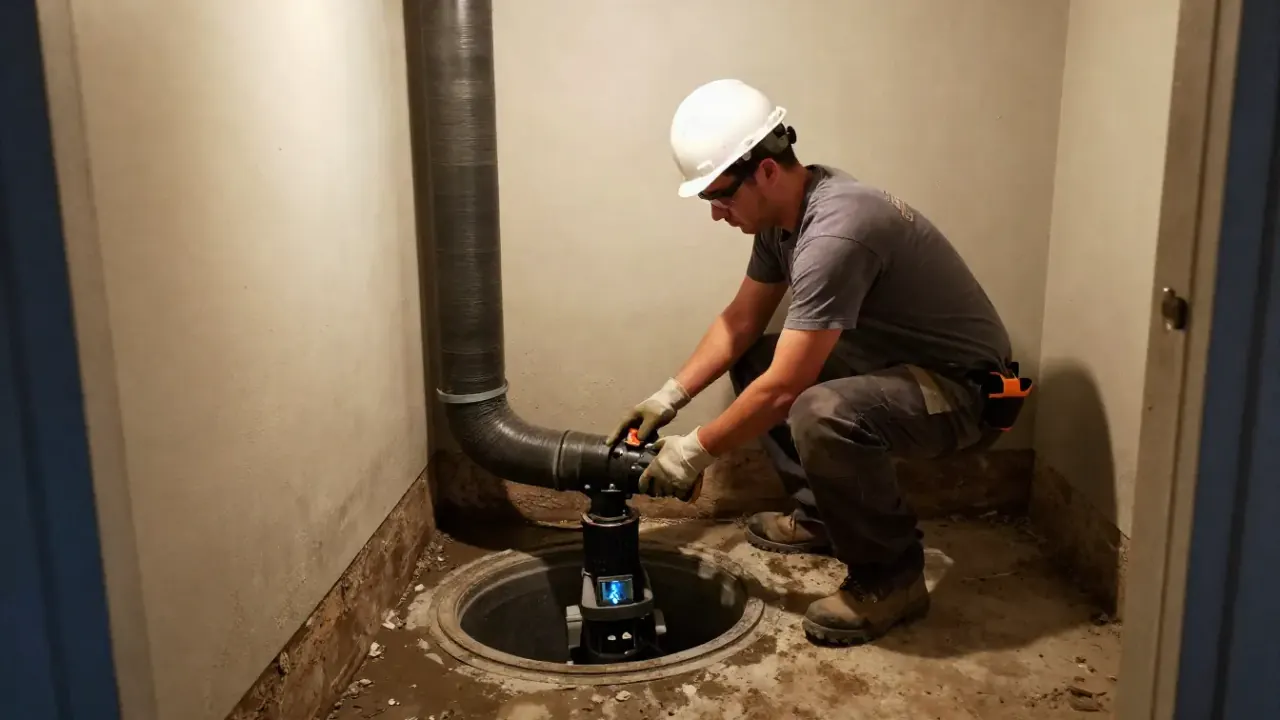
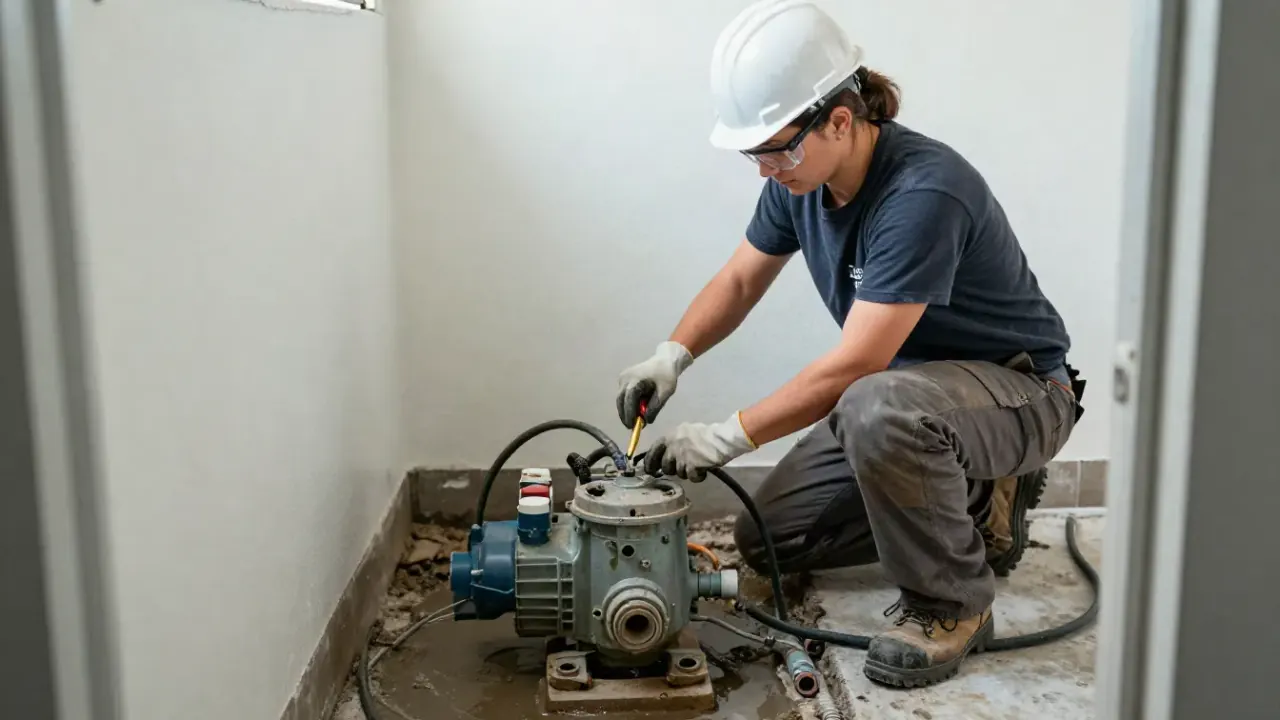
We check the pump's response, float movement, basin, and discharge pipe, then run the system after repair. A functioning pump still needs a clear route away from the foundation. We inspect that outlet so water is not simply discharged where it can return toward the basement.
Crack and drainage correction
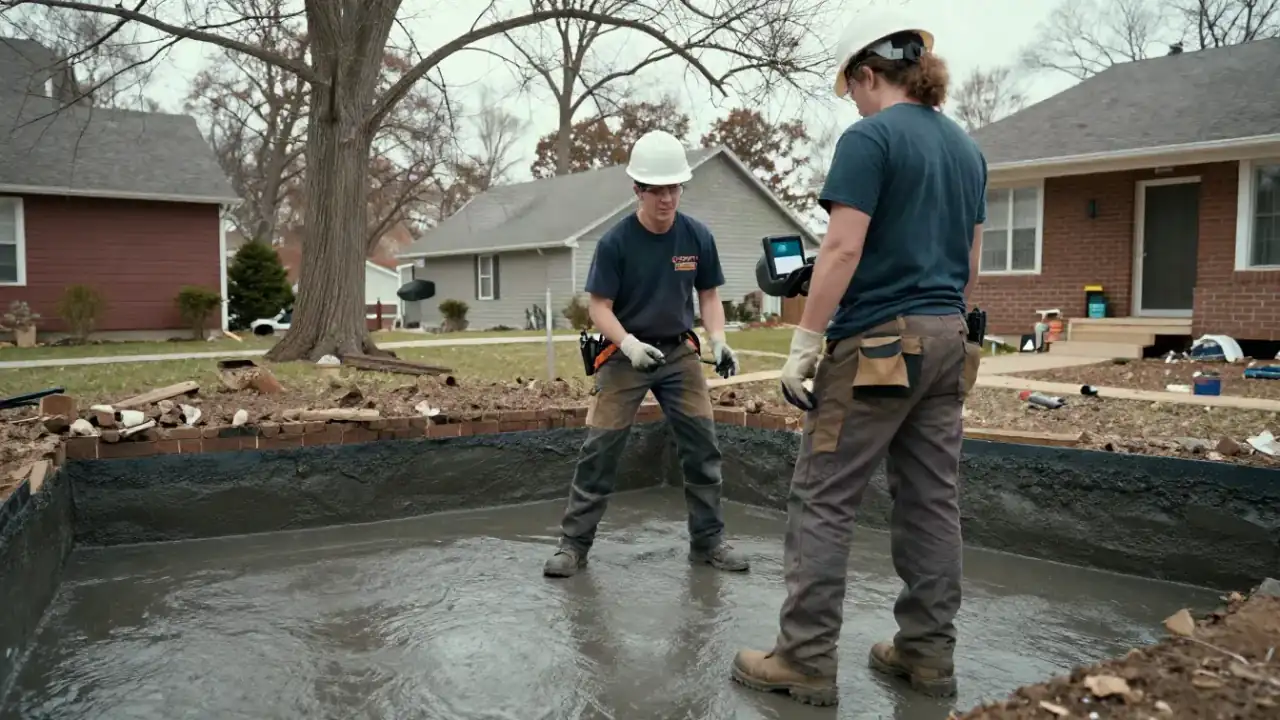
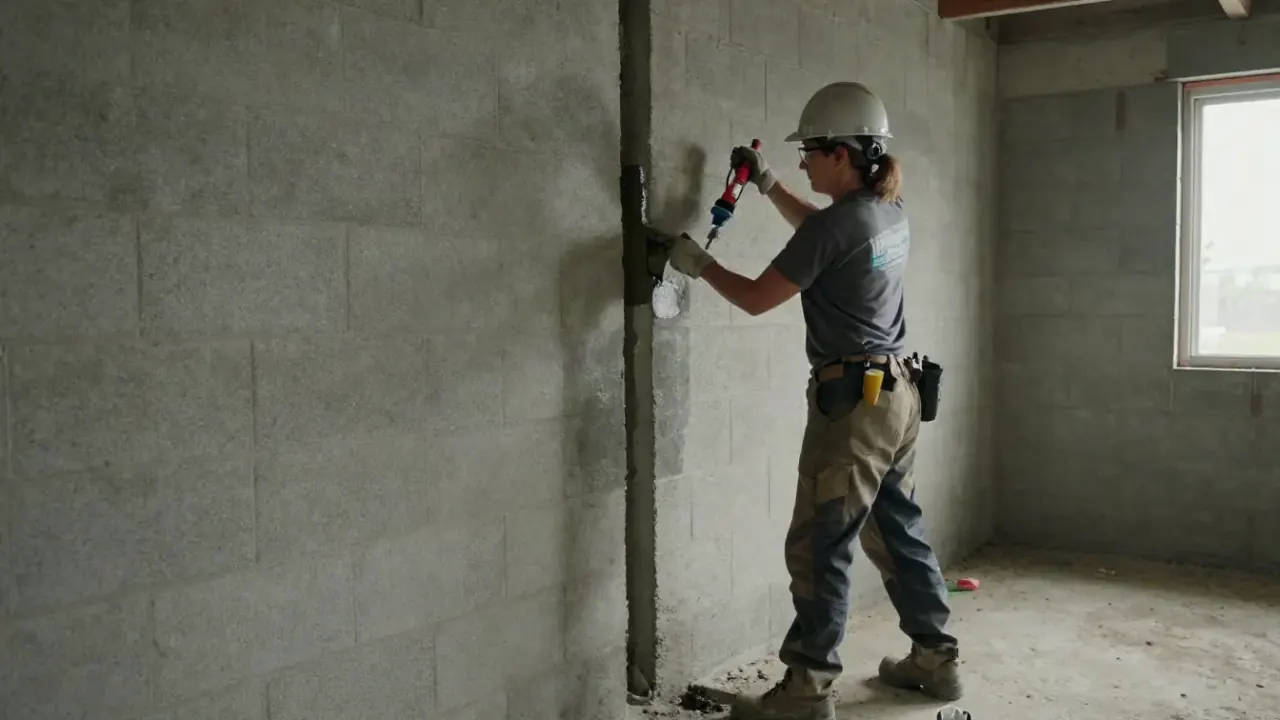
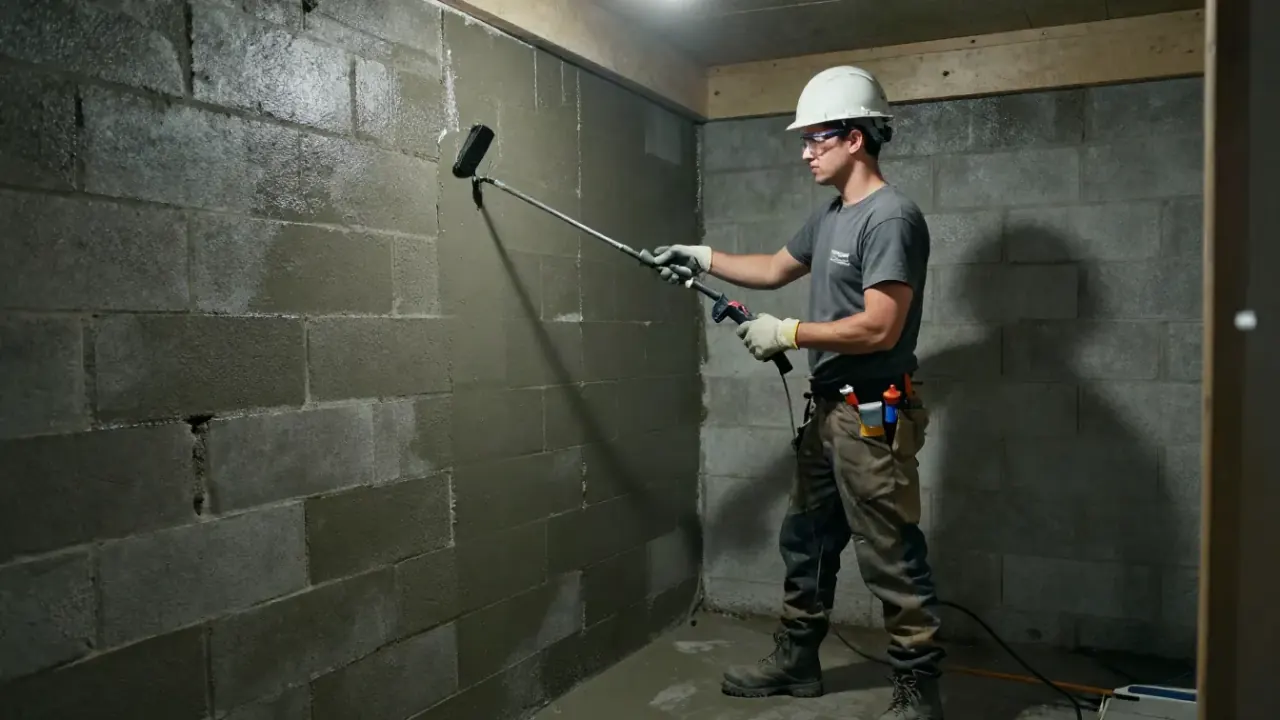
When inspection confirms a foundation opening or drainage failure, we select a repair that fits the location and condition. Crack repair can use compatible injection materials; drainage work may involve drain tile or a sump connection. We explain the relationship between the repair and the water path before work begins.
When to Call for Basement Flood Repair
Heavy fall rain leaves a Warren basement wet along the wall and water still entering at a floor joint.
We check the wall, floor joint, outside grade, and downspouts to identify whether runoff or groundwater is driving the leak. Then we remove standing water and address the source. If drainage is the cause, we explain the appropriate correction rather than treating only the interior surface.
Outcome: You get a drier basement and a specific correction aimed at the entry route, with affected materials assessed for further drying.
A sump pump fails during a power interruption, leaving water around stored belongings in a Howland Center home.
We inspect the basin and pump components, assess electrical safety, and extract water with equipment suited to the depth. Once the immediate water is removed, we repair or replace the failed pump and test its operation. We can also review backup needs based on the outage and flooding history.
Outcome: Water is removed, the pumping system is tested, and you know whether added backup protection fits the conditions.
A Warren rental property develops a puddle at the basement window after repeated storms.
We inspect the well, window seal, nearby grade, and drainage, then extract water and repair the confirmed entry point. We document the affected surfaces for the property manager and identify any carpet or wall materials that need drying or removal.
Outcome: The leak source is addressed and the manager receives a clear account of the repair and remaining moisture-control steps.
A basement floor remains damp and smells musty days after a small flood in Niles.
We check moisture in the floor area, carpet padding, and lower wall finishes, then trace whether water is still entering. We plan drying or material removal around the readings and correct any source such as a pump, crack, or drainage fault.
Outcome: You can distinguish lingering damp materials from a continuing leak and follow a drying plan based on measured conditions.
Howland CenterChampion HeightsBolindale
How Basement Flooding Repair Works in Warren
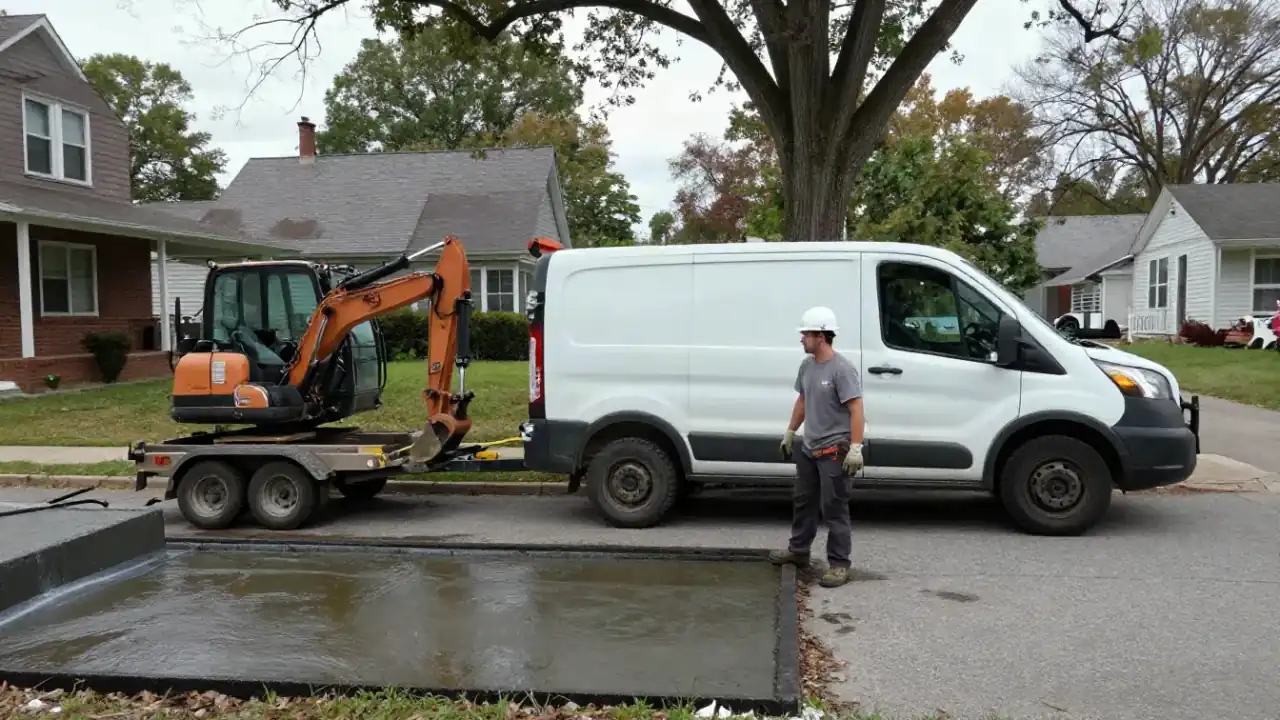
Basement flooding repair Warren OH requires attention to both the house and the way water moves across the property. In Warren and nearby Trumbull County, heavy fall rain can saturate soil, while winter freeze-thaw cycles and spring snowmelt add water around foundations. Older basements may have foundation wall cracks, aging drain tile, or window wells that collect runoff. We inspect those areas alongside sump pump operation and downspout discharge, because one failed connection can undo an otherwise sound repair.
For flooded basement cleanup Warren, our team first checks safe access and the water source, then selects extraction and drying steps for the affected materials. We look for poor yard grading and pooling water, clogged or buried downspouts, and signs of hydrostatic pressure.
When a wall or floor joint is taking water, we identify whether surface drainage correction, crack repair, or an interior collection system fits the evidence. We follow applicable Ohio Residential Building Code requirements for work in scope and explain any system changes clearly. If your home is in 44483, 44485, or 44484, share how the flooding began and whether it is still active when you call.
Howland Center: We check roof runoff and yard grade where water gathers near foundation walls, then trace any damp floor joint to its source.
Champion Heights: A failed sump pump or blocked discharge can leave water at the lowest point; we test the basin and outlet after repair.
Bolindale: Window wells and basement openings need inspection after heavy rain, especially when the surrounding grade sends runoff toward the house.
Warren city center: We assess foundation cracks, floor-wall joints, and drainage conditions in the basement before choosing extraction and repair methods.
Heavy fall rain saturates soil around foundation walls: Water pressure against below-grade walls can increase during prolonged rain, exposing cracks or weak drainage. We inspect the outside runoff route and interior water marks together to determine whether the issue needs a surface correction, wall repair, or drainage work.
Freeze-thaw cycles and spring snowmelt raise groundwater: Meltwater can reach window wells and foundation edges while frozen or compacted ground limits absorption. We check well drainage, downspouts, sump operation, and the low points where water collects, then plan repairs around the route causing entry.
IllustrativeThe thermal view is generated from the photograph. It is not a measurement. Drag the handle, or use the arrow keys once it is focused.
Pump Failure During Storm
Before: A homeowner found several inches of water around the basement stairs after the sump pump stopped during a storm. Boxes were damp, the carpet edge was wet, and the pump basin remained full. The water was still collecting, so the first priority was safe access and controlled extraction.
After: We removed the standing water, diagnosed a failed pump component, and restored operation after checking the float and discharge. Moisture readings identified a limited carpet edge and nearby wall area for drying. The customer could see the repaired pump cycle and confirm that water moved through the outlet away from the foundation.
Test the pump by pouring water into the basin every few months and check that the float moves freely. Keep the discharge outlet clear, and inspect it again before heavy rain or spring snowmelt.
Wall Seepage After Heavy Rain
Before: Water entered at a foundation crack during repeated rain, leaving a damp line on the wall and a small puddle on the floor. The homeowner had mopped the area twice, but the mark returned because runoff collected beside the foundation and pressure continued to push moisture through the opening.
After: We traced the runoff, repaired the confirmed wall entry, and corrected the water route identified outside. After extraction, we checked the wall and floor for lingering moisture. The visible seepage stopped during the follow-up check, and the homeowner had a specific drainage issue to monitor after future storms.
Keep downspouts open and direct their discharge away from the foundation. After heavy rain, check the repaired area and nearby yard for new pooling or fresh efflorescence.
Window Well Water Entry
Before: A basement window leaked after rain filled its well. The nearby carpet and lower trim were wet, and debris had reduced the well's ability to drain. Surface drying alone would not stop another storm from sending water through the same opening.
After: We extracted water, cleared and repaired the window-well drainage issue, and checked the frame and surrounding grade. The wet carpet edge was assessed for drying, and the entry route was corrected. At the next rain, the well drained without water collecting against the window.
Remove leaves and debris from the well several times a year, especially in fall. Check the cover, visible drain opening, and nearby grade after storms so water does not pool against the window.
Problems We Solve With Basement Flood Water Removal Warren Ohio
Water on the floor is the symptom; the source may sit outside, inside a wall, or in a failed pump. We identify the route and choose an appropriate repair so you are not left repeating cleanup after each storm. If the basement is actively flooding, keep clear of electrical hazards and call for help.
Rainwater pools beside the foundation and seeps through a wall.Repeated wetting damages stored belongings and finishes, while prolonged dampness encourages musty odors and can affect framing or wallboard. We trace runoff from roof and yard to the foundation, inspect the wall for cracks and seepage, and check nearby downspouts. Then we correct the confirmed route, which may involve drainage changes or a wall repair. We also remove standing water and assess affected materials so the visible leak and its consequences are both addressed.
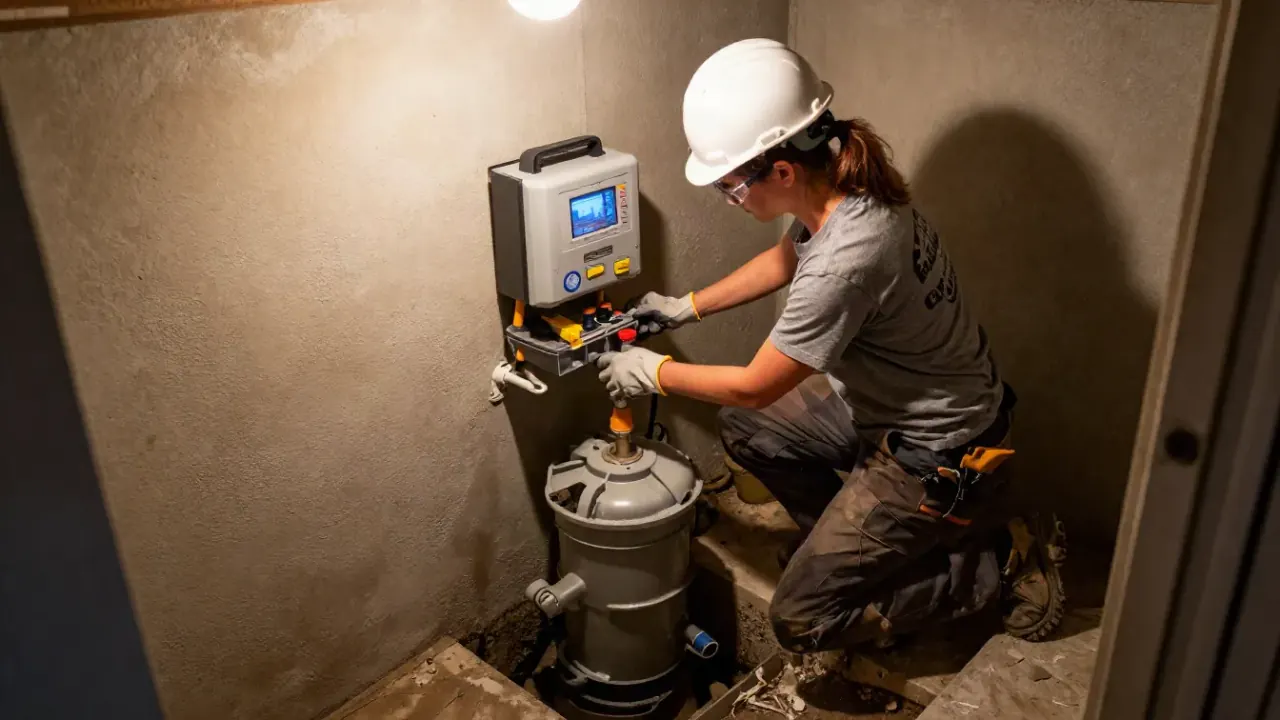
A sump pump stops during a storm or power interruption.Water can rise quickly in a low basin and spread across the basement floor, soaking carpet, boxes, and lower wall finishes before anyone notices. We inspect the pump, float, basin, power, and discharge pipe to identify the failure. After extracting water, we repair or replace the failed component and test the system. If outages are a recurring concern, we can assess a battery backup sump pump so you have an additional pumping option.
A basement window well fills and leaks around the frame.Water can enter at the window opening, stain nearby finishes, and soak carpet or stored items during heavy rain or snowmelt. We inspect the window seal, well drainage, cover, and surrounding grade. We remove water and repair the entry point or drainage fault, then check where surface runoff is coming from. Keeping the well clear and routing water away helps reduce repeated leaks at the same opening.
Wet basement carpet remains damp after visible water is gone.Moisture trapped in carpet backing and padding can prolong drying, create persistent odors, and damage adjacent trim or lower wall materials. We assess carpet, padding, and nearby wall materials with moisture readings, then explain whether drying or removal is the sensible route. We extract remaining water, improve airflow or dehumidification as needed, and verify the original source is corrected. That prevents a clean-looking surface from hiding a still-wet layer.
Get Water Out, Fix the Cause
Floodwater damages more than stored belongings: it saturates carpet, drywall, framing, and the materials around a foundation. We focus first on controlling the water, then on drying and source correction. You get a clear sequence of work, practical steps to protect remaining contents, and repair recommendations tied to the conditions we find in your Warren basement.
Faster Water Removal
Standing water keeps soaking flooring and stored items, so we prioritize safe extraction and a working discharge route. A wet/dry vacuum suits shallow, limited water; a submersible sump pump moves larger volumes when conditions allow. Our flooded basement cleanup Warren service includes checking where the water is collecting so removal does not simply move it to another part of the room.
Source-Based Repairs
A dry floor is not a lasting result if a cracked wall, failed drain tile, or pump fault remains. We inspect the likely entry points and test drainage components before recommending a fix. For Warren OH flooded basement repair, that means connecting the visible water pattern to the repair, whether that is a crack injection, pump service, or drainage correction.
A Clear Drying Plan
We identify wet materials and track moisture as the basement dries, rather than relying on touch alone. A moisture meter helps distinguish damp concrete from materials that need more attention. You'll know which belongings can be moved, which surfaces need drying, and when a wet basement carpet or affected wall needs removal.
Reduced Repeat Flood Risk
The repair plan can address the route water takes toward your home, not just the puddle inside. We check downspout discharge, pooling near the foundation, and sump pump operation; simple corrections can matter during the next storm. If power loss is part of the risk, we can assess a battery backup sump pump as a separate protective measure.
Field Knowledge for Warren Basements
We approach each call by identifying the source, the affected materials, and the system that should move water away from the foundation. Our team uses moisture readings and visible drainage evidence to shape the repair instead of guessing from a single puddle.
Since 2018, we have handled basement water calls involving storm runoff, pump failure, and foundation seepage.
Moisture meter readings help us map damp building materials and track drying progress beyond the visible puddle.
We check sump pump operation, basin condition, discharge routing, and backup needs as one connected system.
Service ZIP codes.
A list like this tells people straight away whether you cover their street. Not listed? Call and ask: it only takes a minute.
If your basement floods in Warren OH, stay out of water near electrical equipment and call for professional help; do not walk through energized standing water. If you can reach the electrical panel from a dry area, shut off power to the affected space. Move people and pets away, photograph damage from a safe spot, and avoid running a household vacuum. We'll assess the source, remove water, and explain the next repair steps.
Typical 2026 pricing in this area depends on water depth, affected materials, access, and whether the source is a pump, crack, or failed drain tile. We explain the price before work begins, with the recommended repair tied to what the inspection finds.
Homeowners insurance coverage for basement flooding in Warren OH depends on the cause, policy terms, and any flood or water-backup endorsements. Sudden plumbing failures may be treated differently from groundwater seepage or surface flooding, and coverage varies by policy. Photograph damage, keep receipts, and contact your insurer promptly. We can document visible damage and the apparent water source, but your insurer determines coverage.
A small area with water on concrete may dry in 2 to 4 days, while soaked carpet, insulation, and wallboard can take 5 to 10 days or longer. Drying time depends on water volume, indoor humidity, airflow, and material depth. We track moisture rather than judging by surface feel alone. If materials stay damp, continued drying or removal may be needed to limit musty odors and microbial growth.
Standing water needs prompt attention, especially near electrical equipment or finished walls. Call Warren Waterproofing Pros at (555) 123-4567; our team will ask what is wet, assess the source, and explain the next steps. We provide upfront pricing before the work proceeds.
Tell us where water is showing up, how long it has been happening, and whether a sump pump or drain is involved. Call (555) 123-4567 during our weekday business hours, Monday through Friday, 8 a.m. to 6 p.m. We serve Warren, Ohio, and nearby communities, and will help you plan the right inspection for your basement or crawl space.