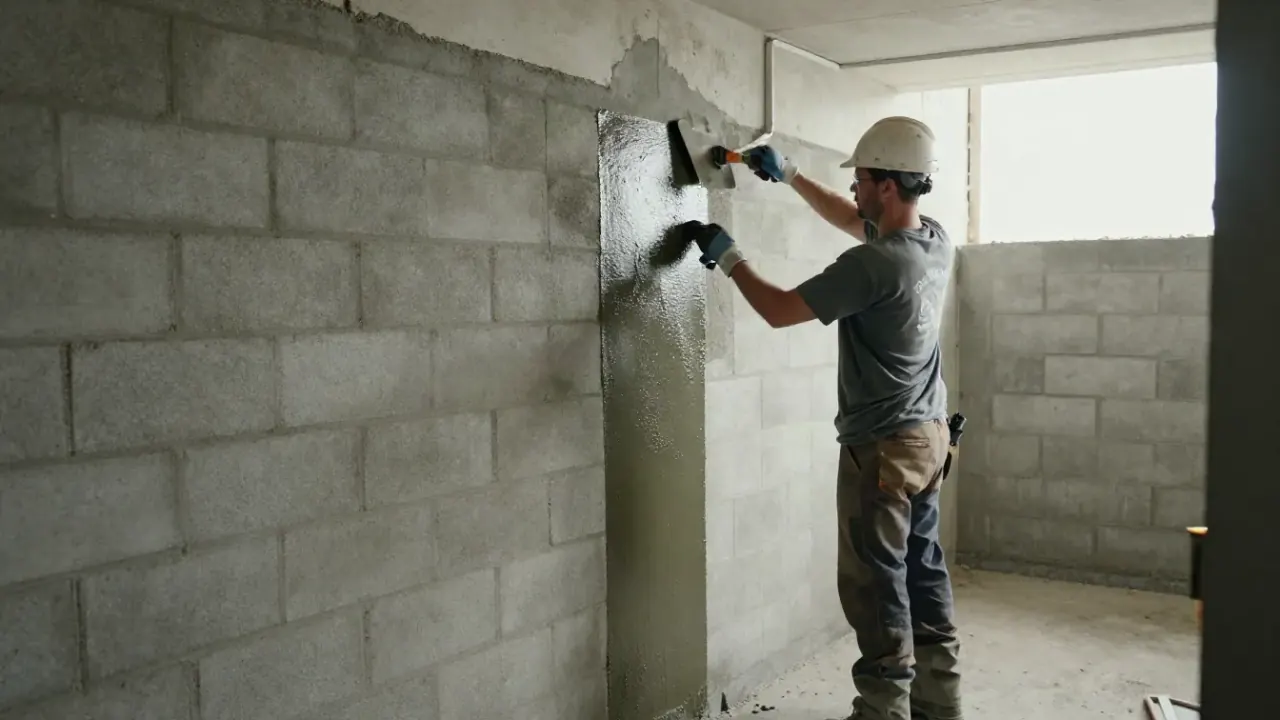
crawl space vapor barrier installation Warren OH helps reduce ground vapor, damp odors, and moisture exposure beneath homes. We install a fitted polyethylene liner for Warren homeowners dealing with a damp crawl space, visible condensation, or recurring musty smells. Our crawl space moisture barrier installation Warren approach begins with checking the ground, access, and drainage so the barrier addresses the conditions beneath your home, not just the visible symptom.
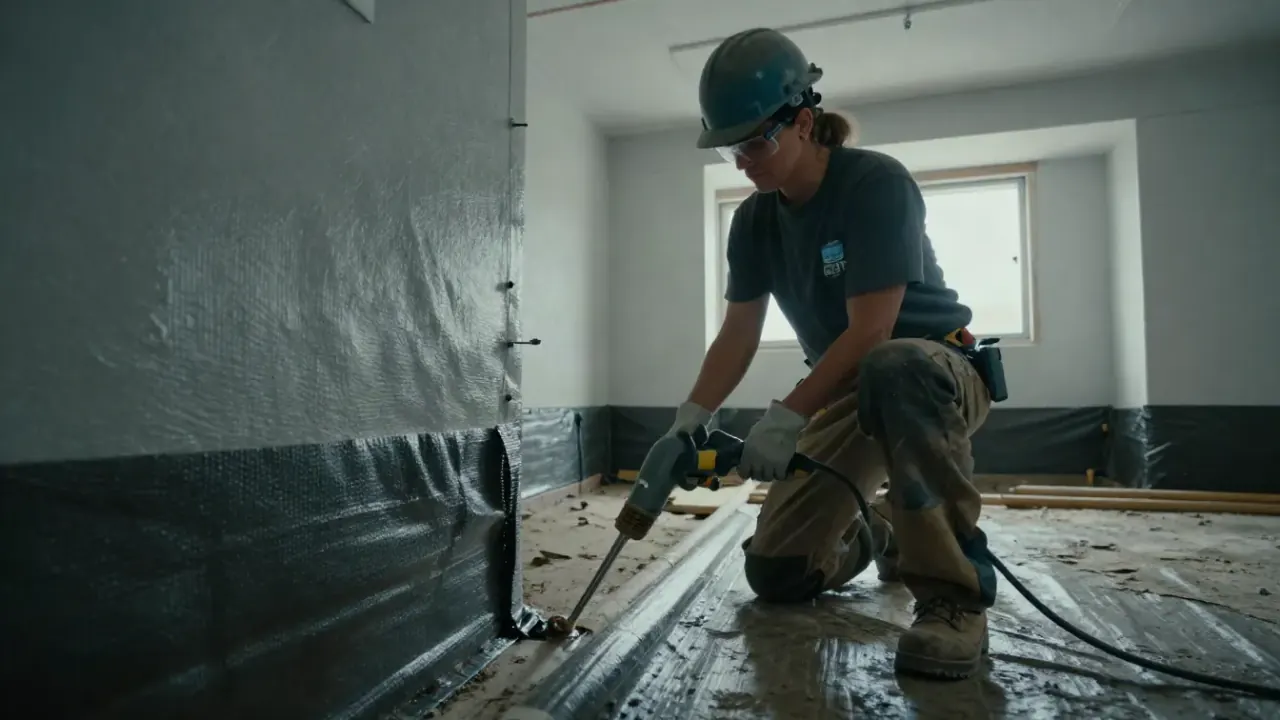
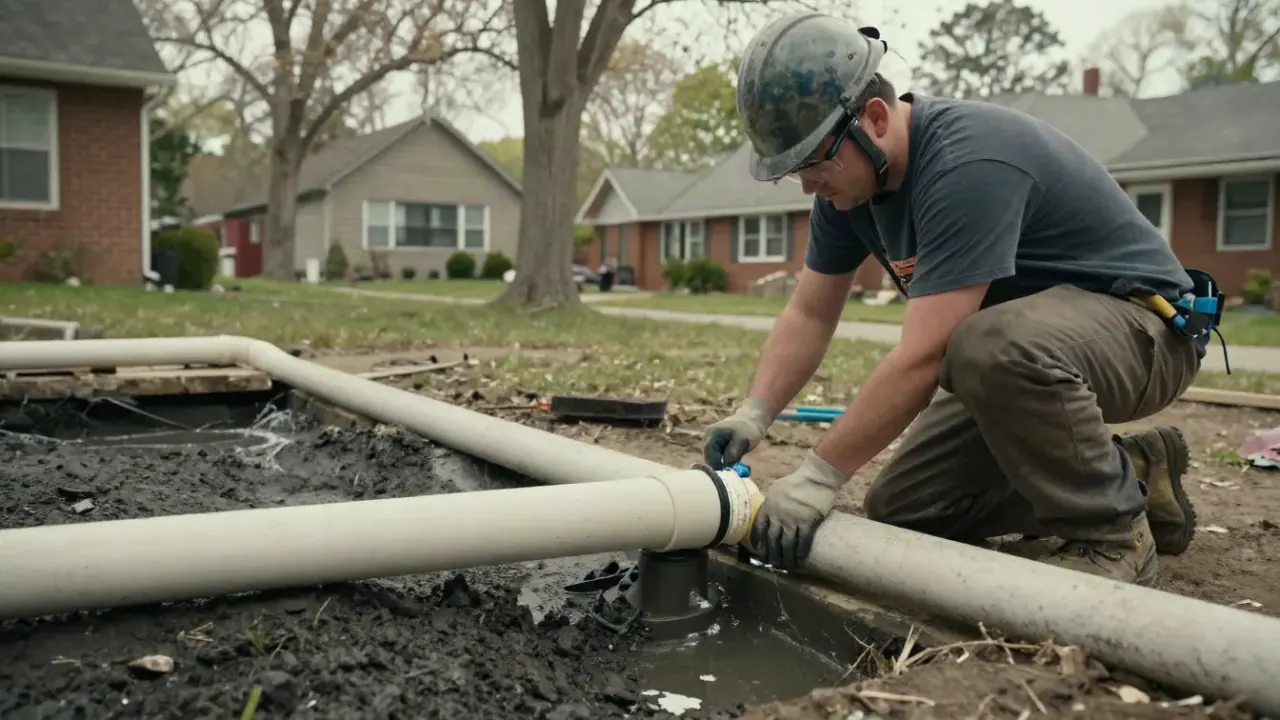
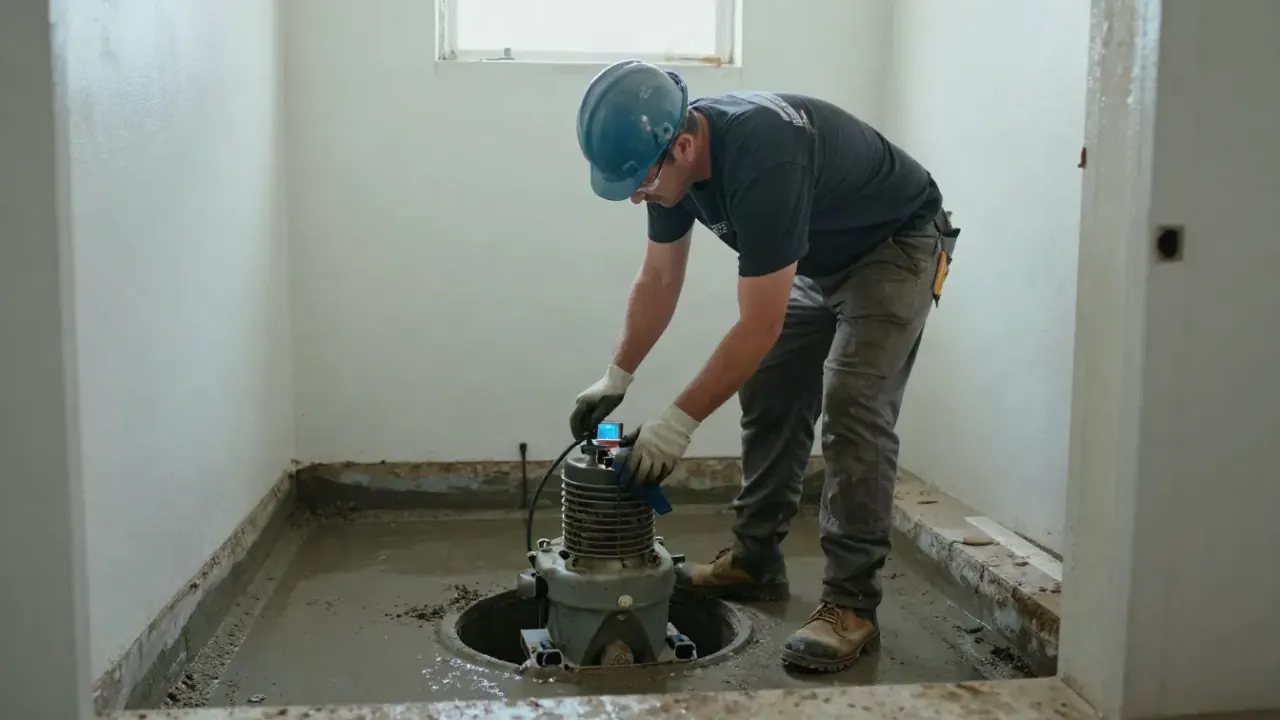
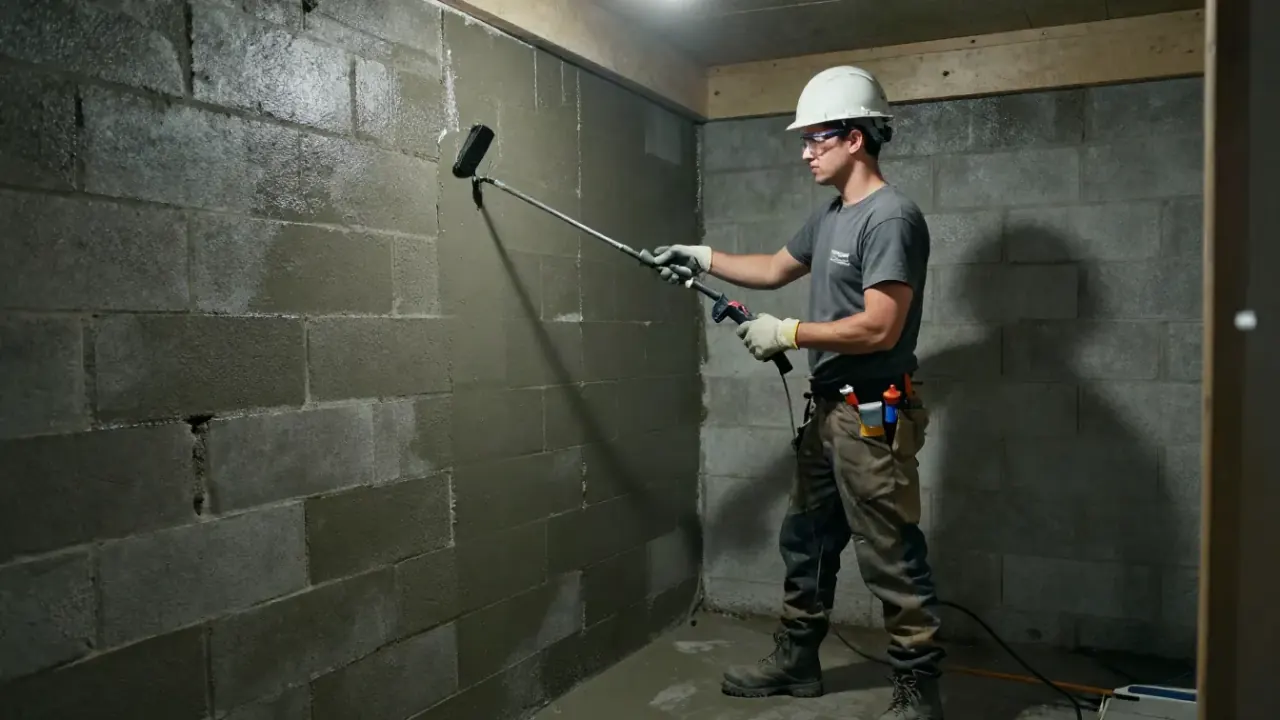
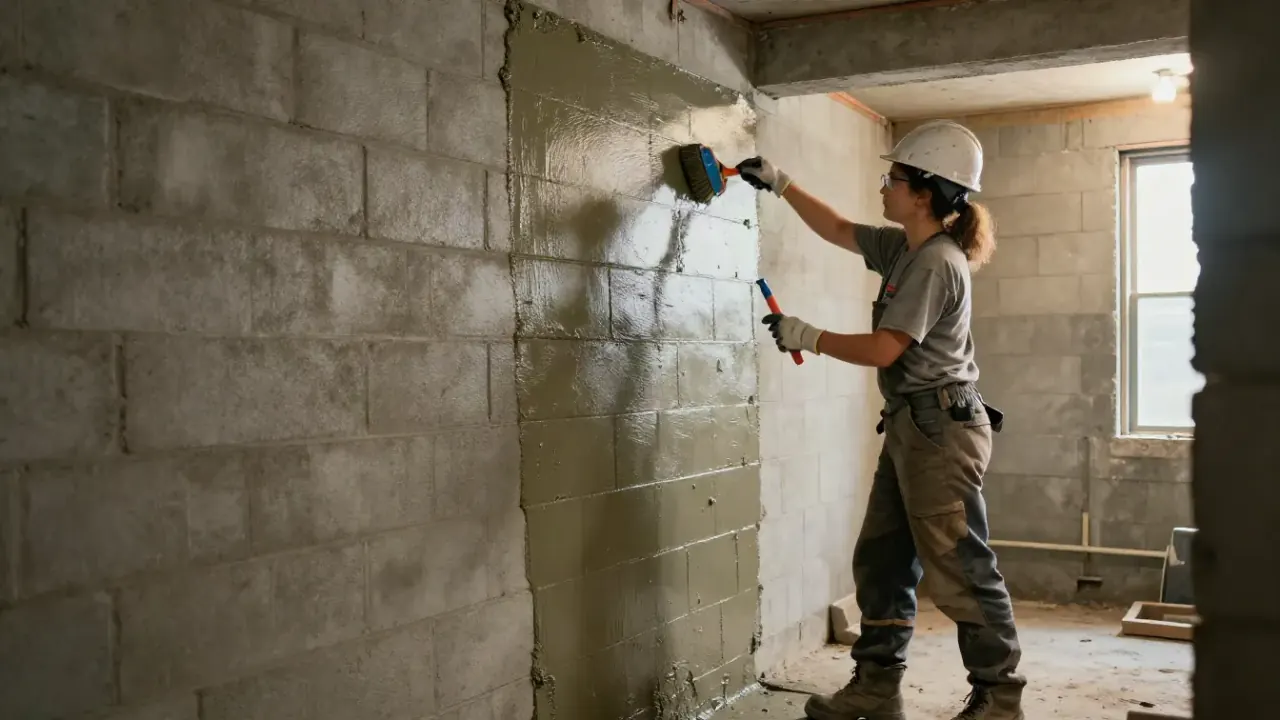
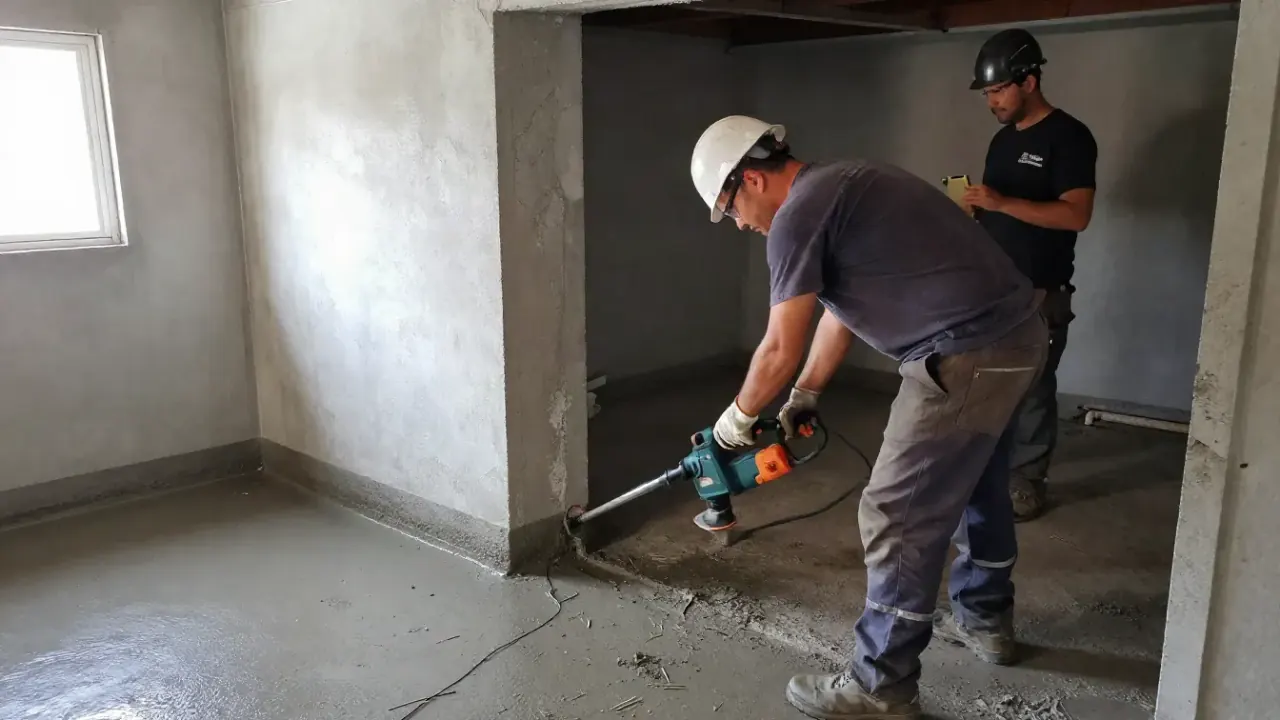
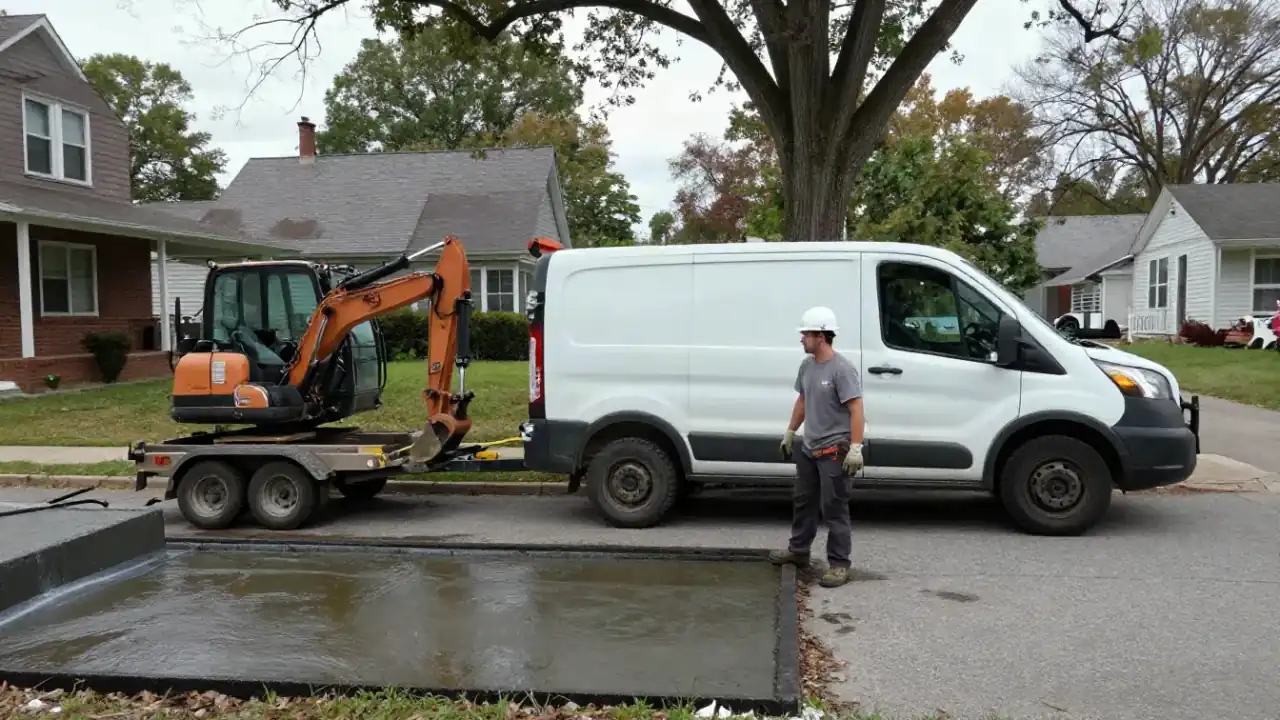
Measured inspectionWe check damp areas before covering soil.
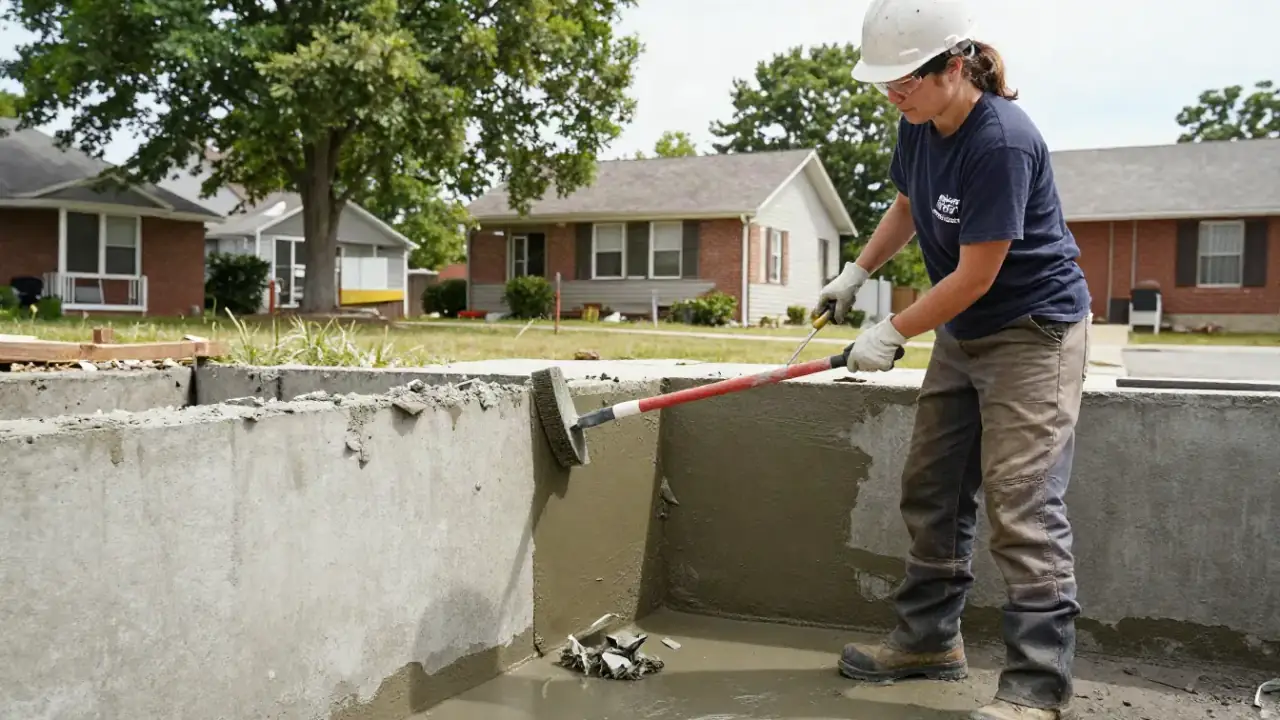
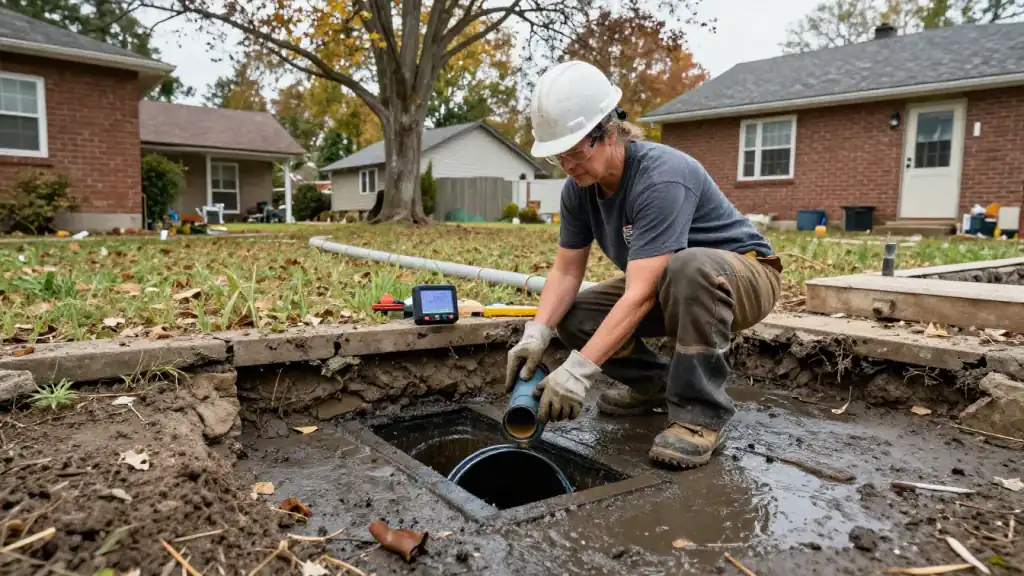
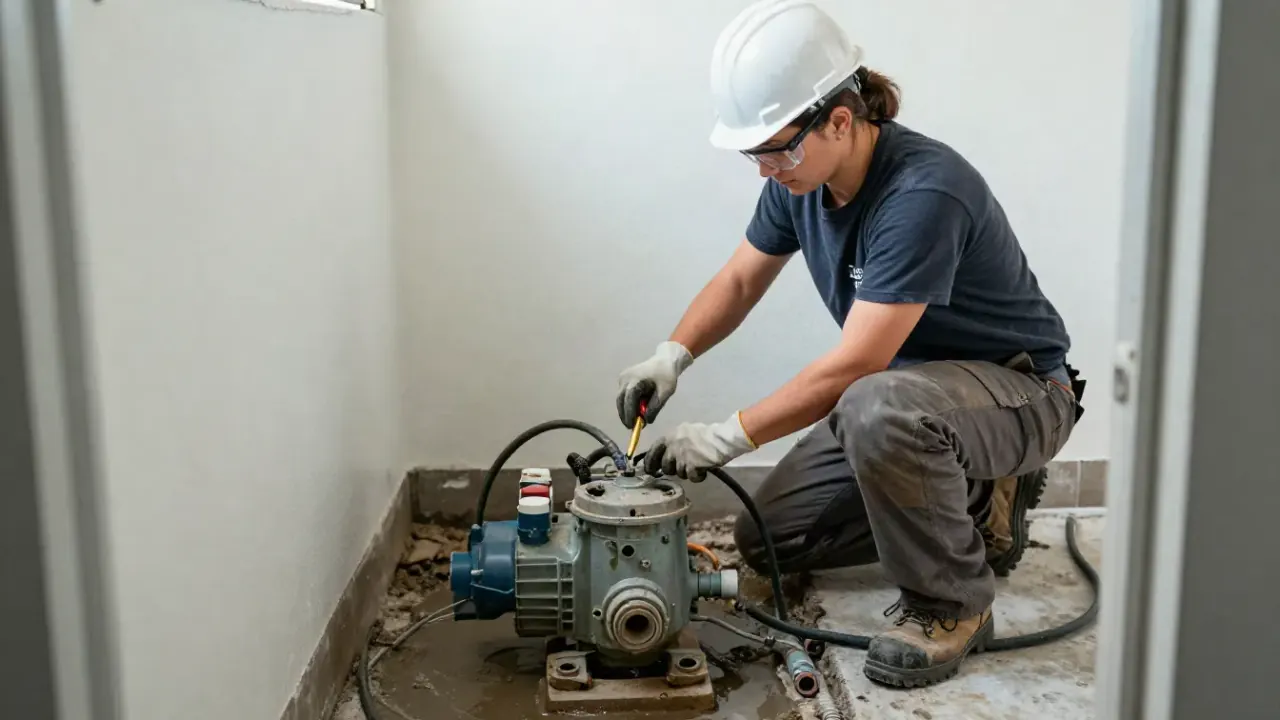
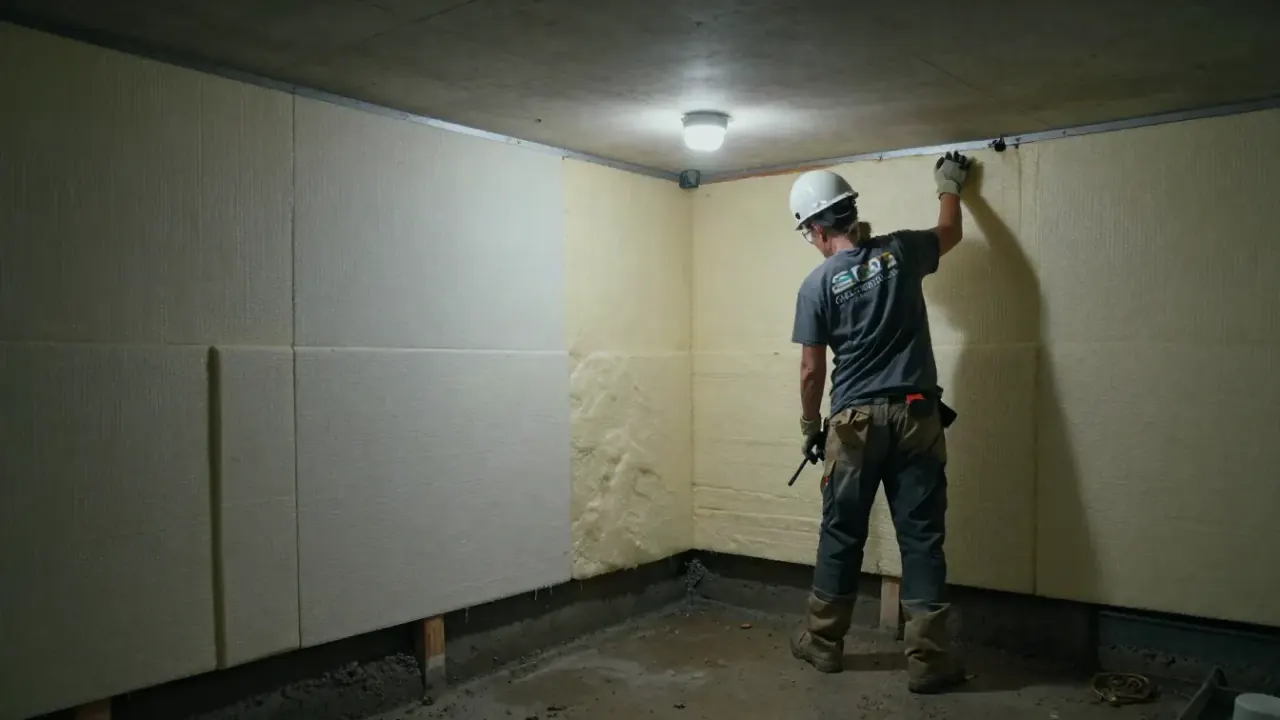
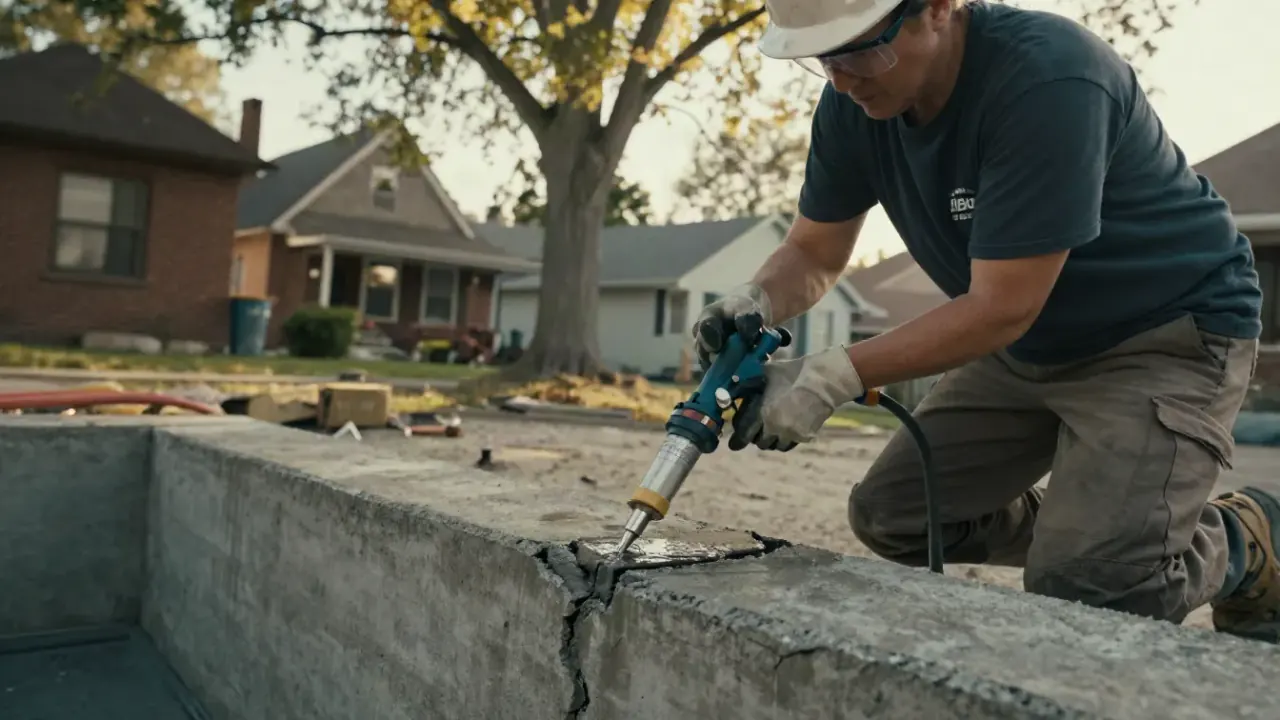
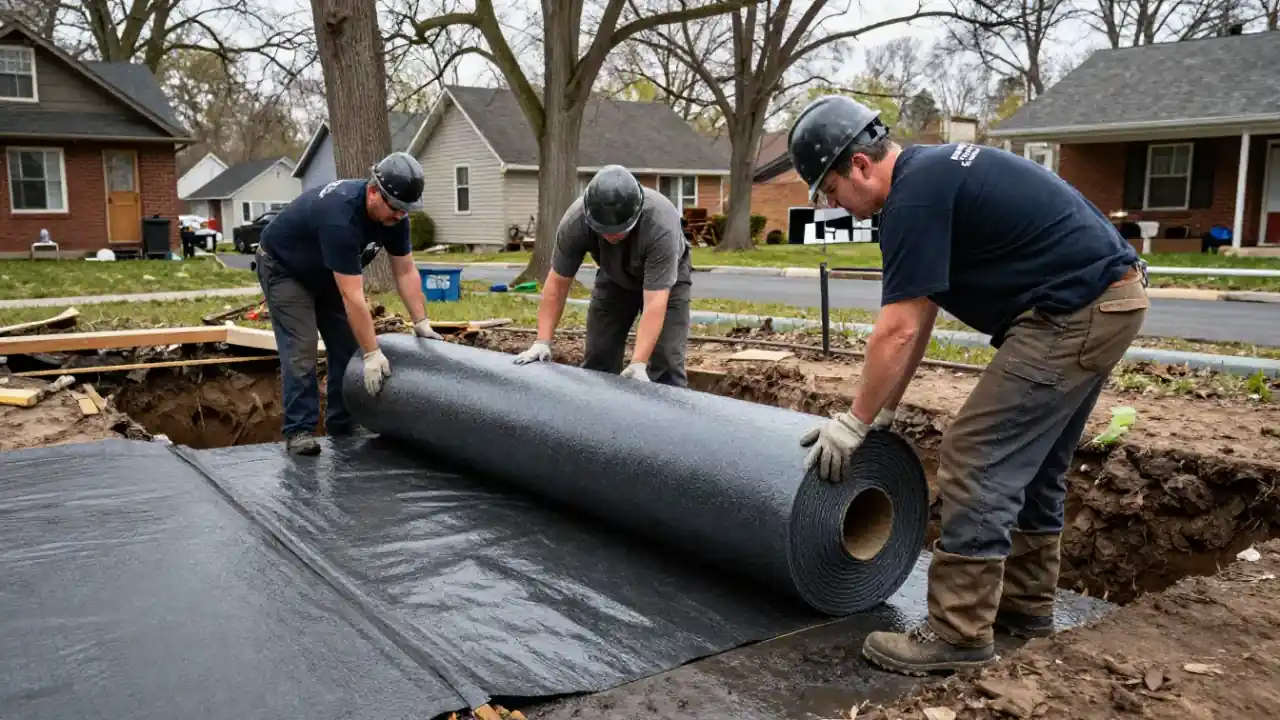
Clear work areaWe prepare surfaces and protect access.
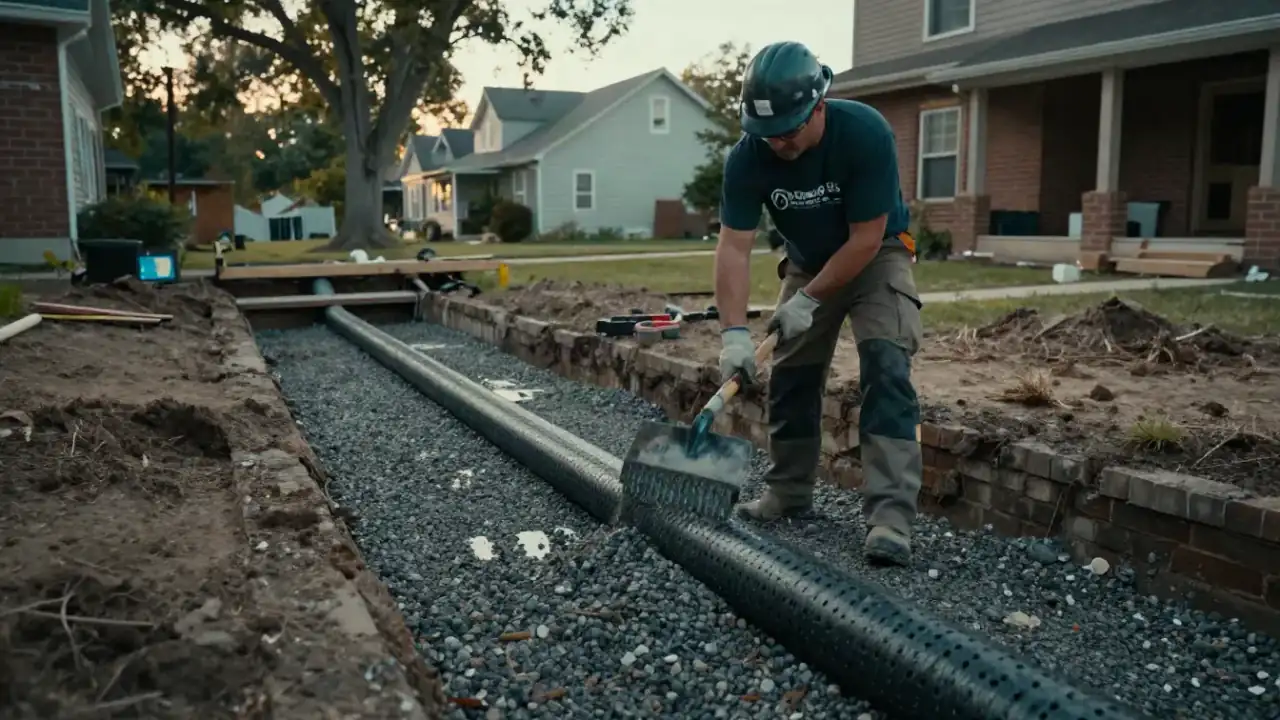
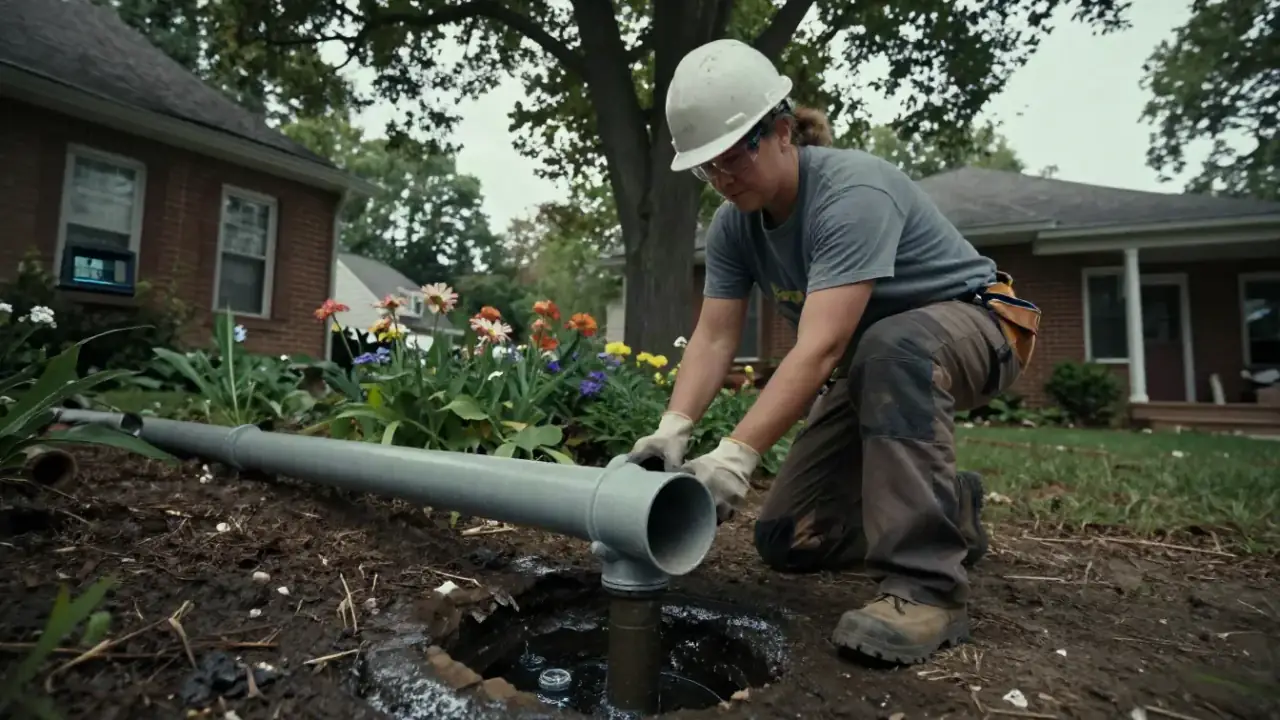
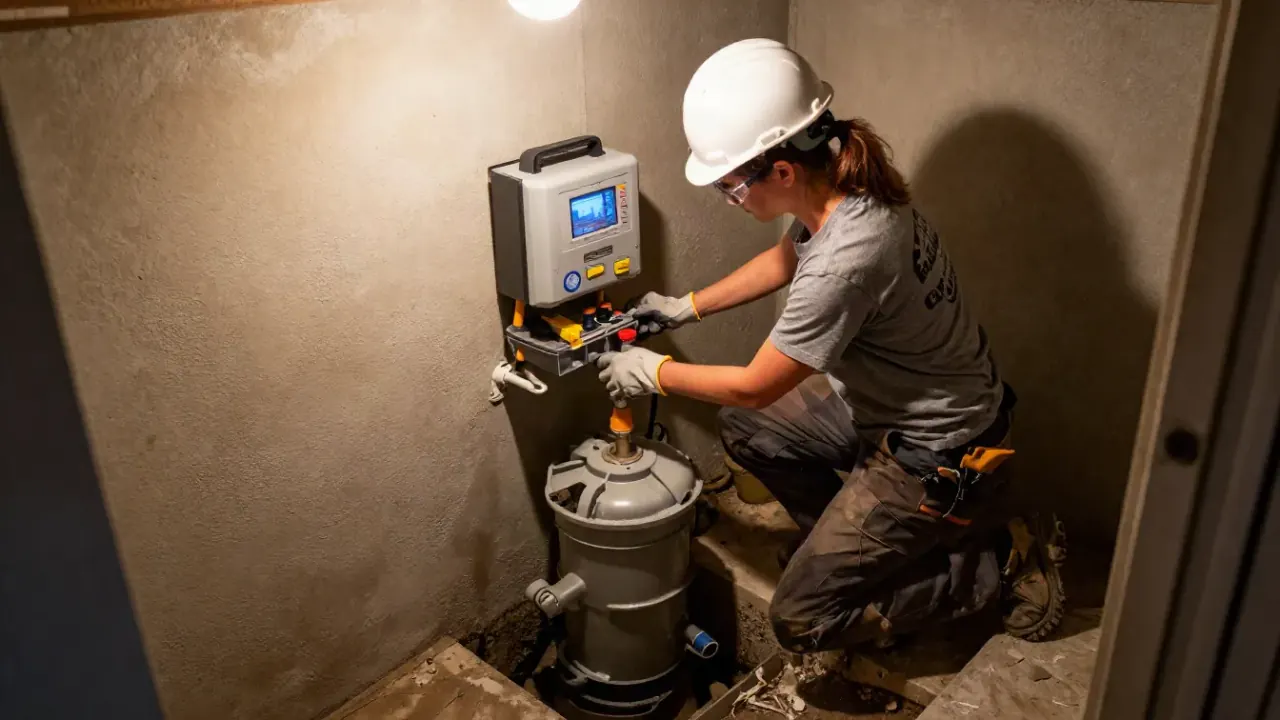
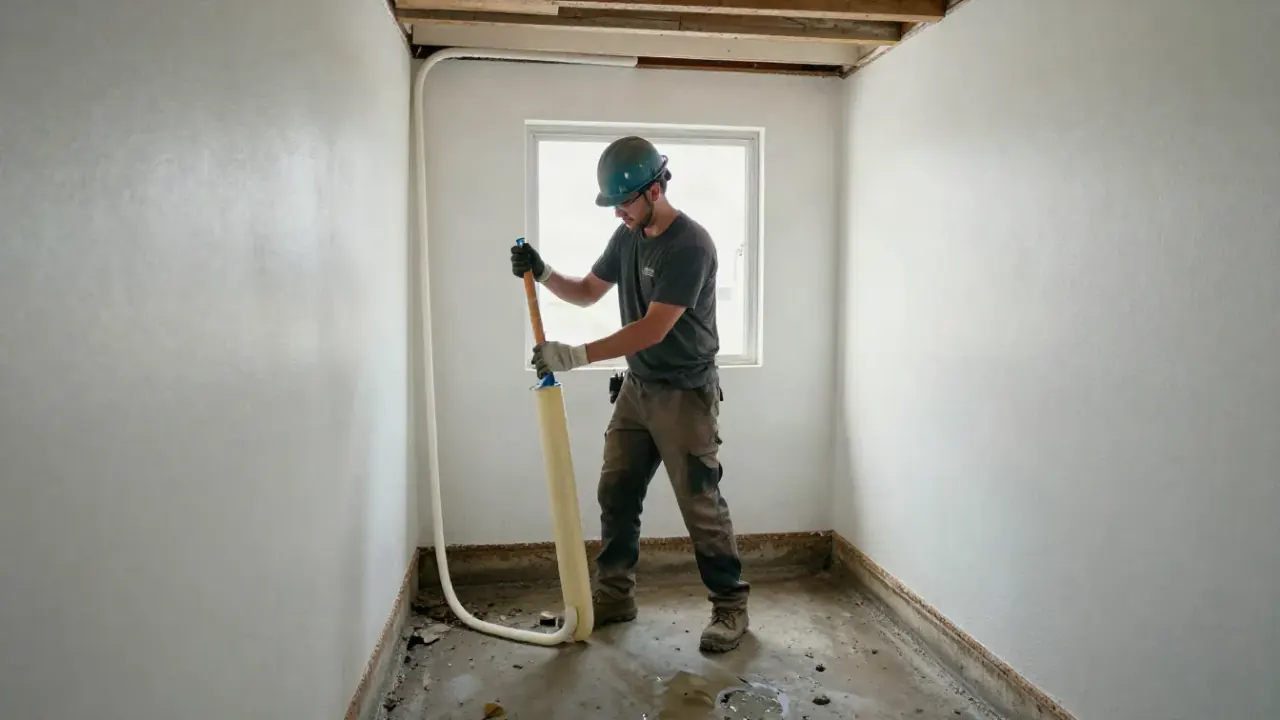
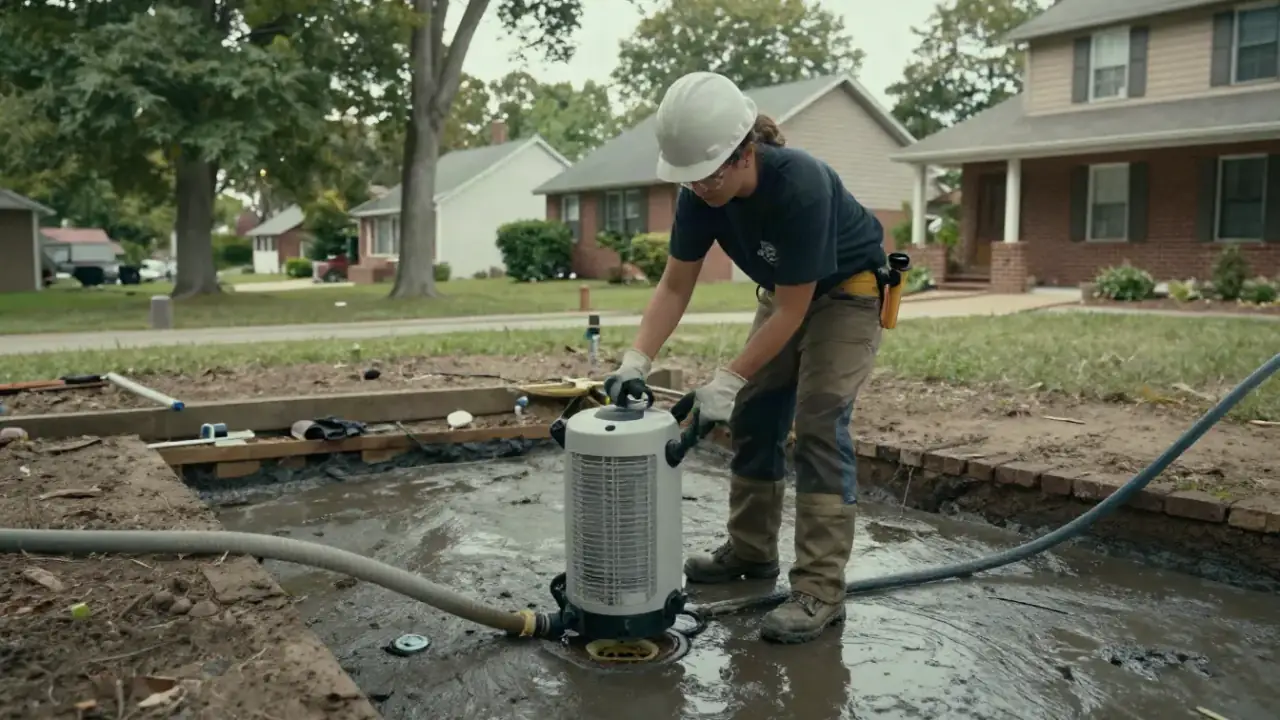
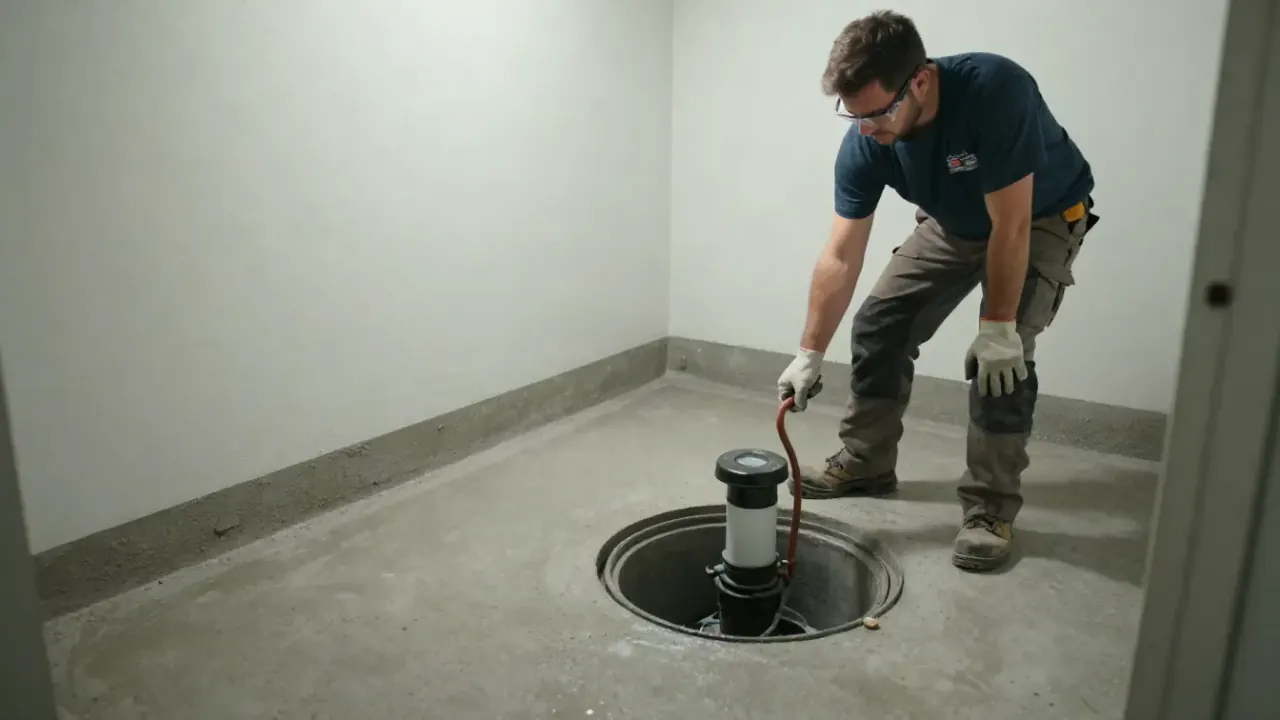
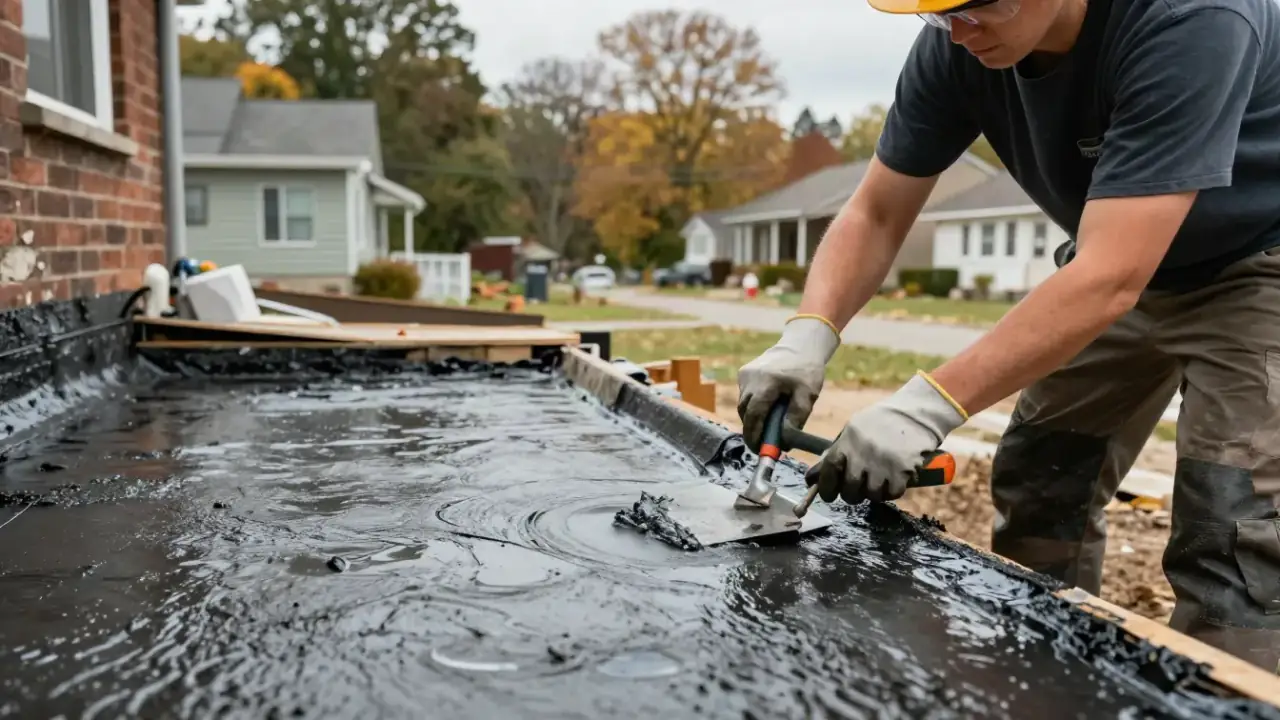
Open equipment accessPumps and pipes remain reachable.
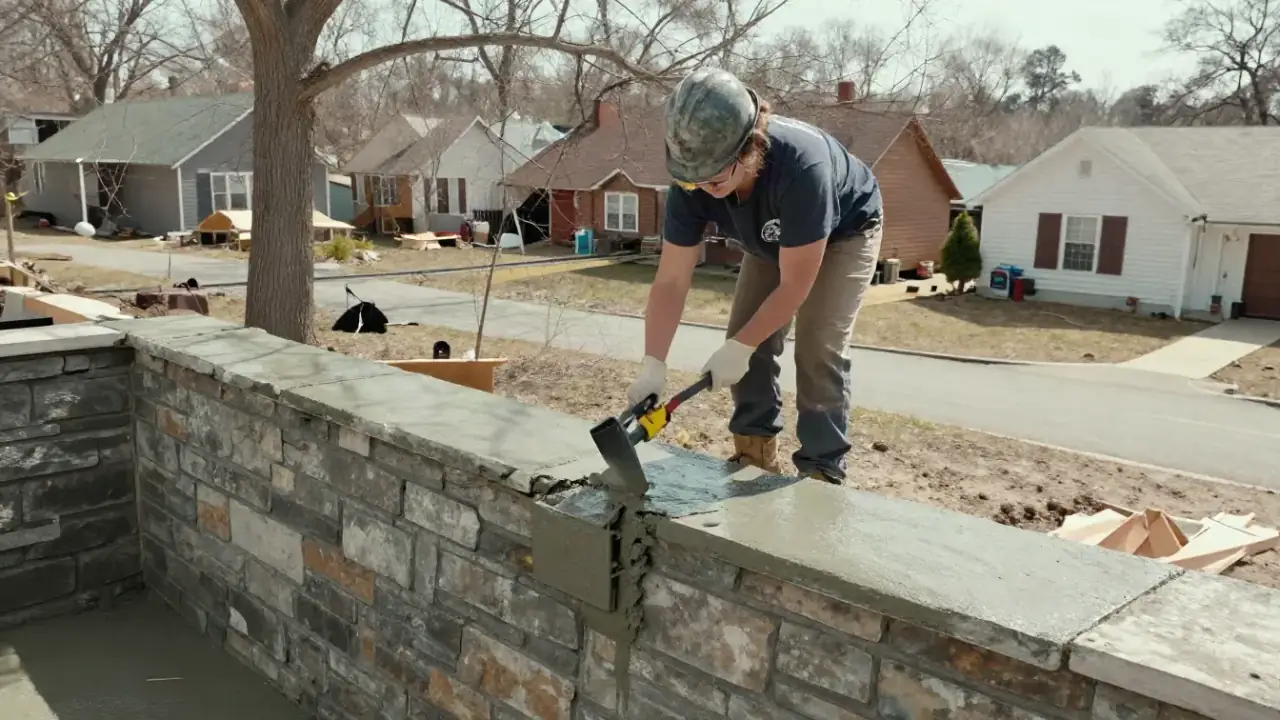
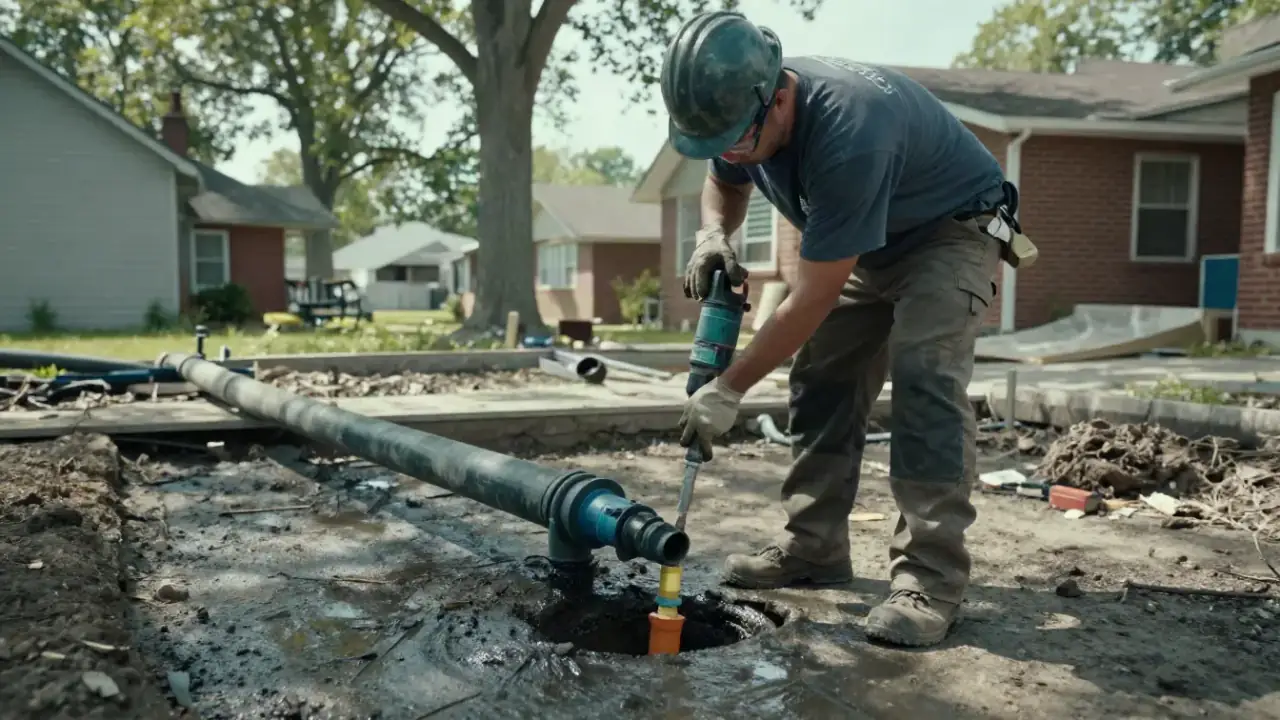
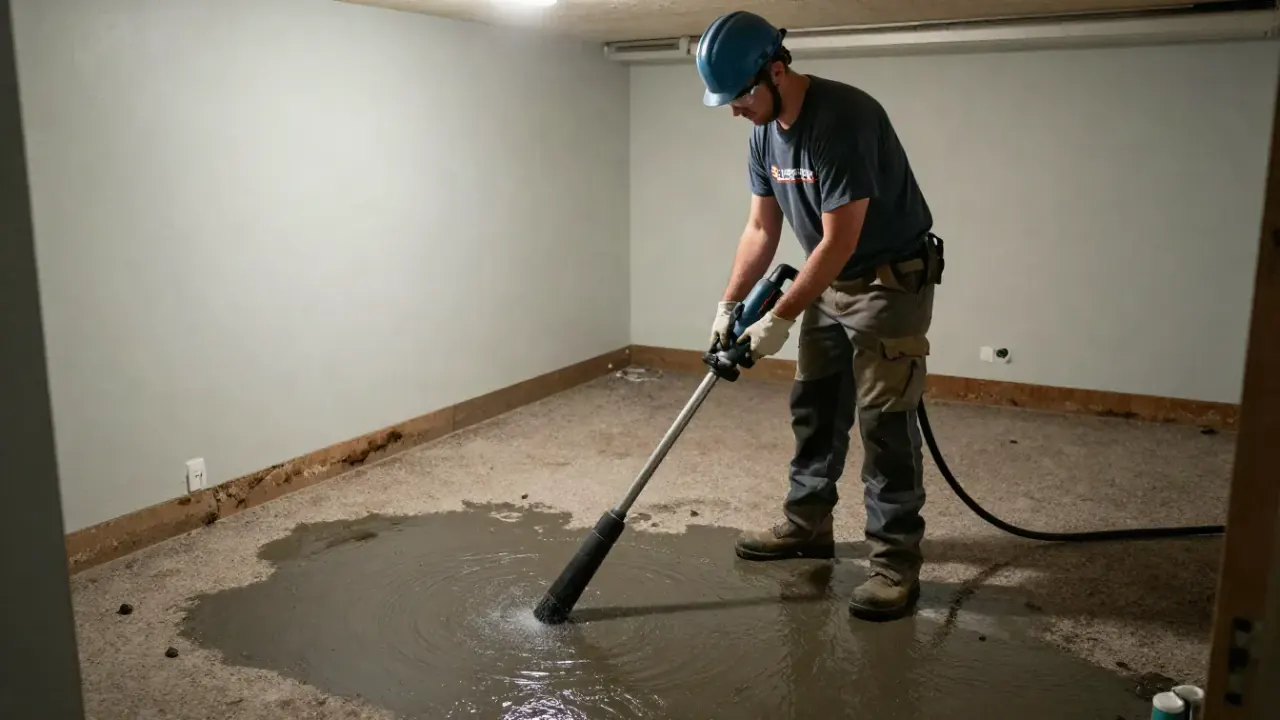
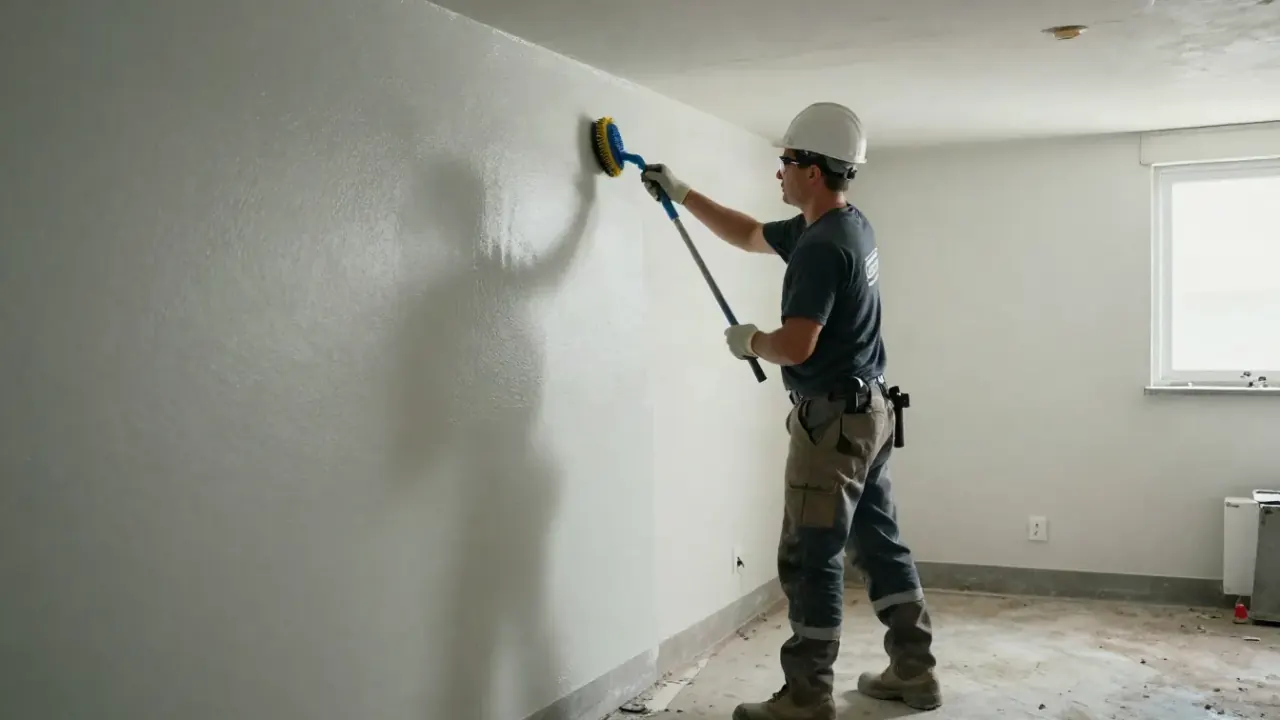
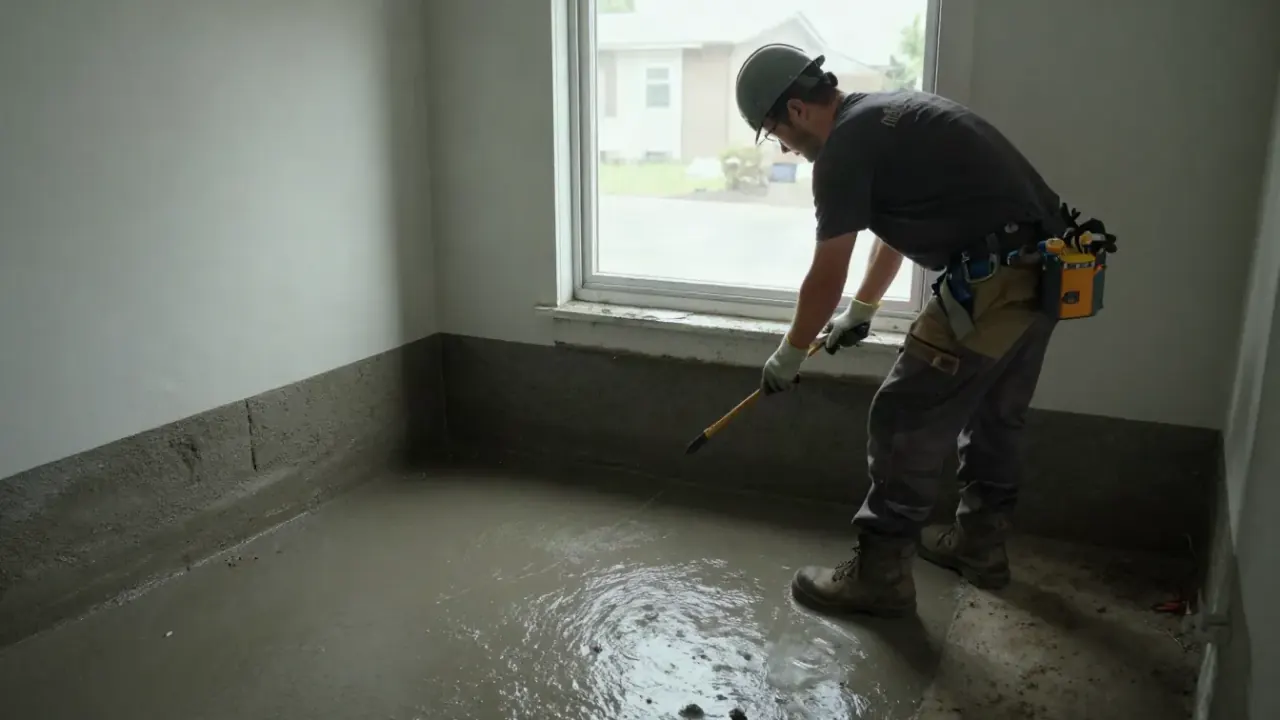
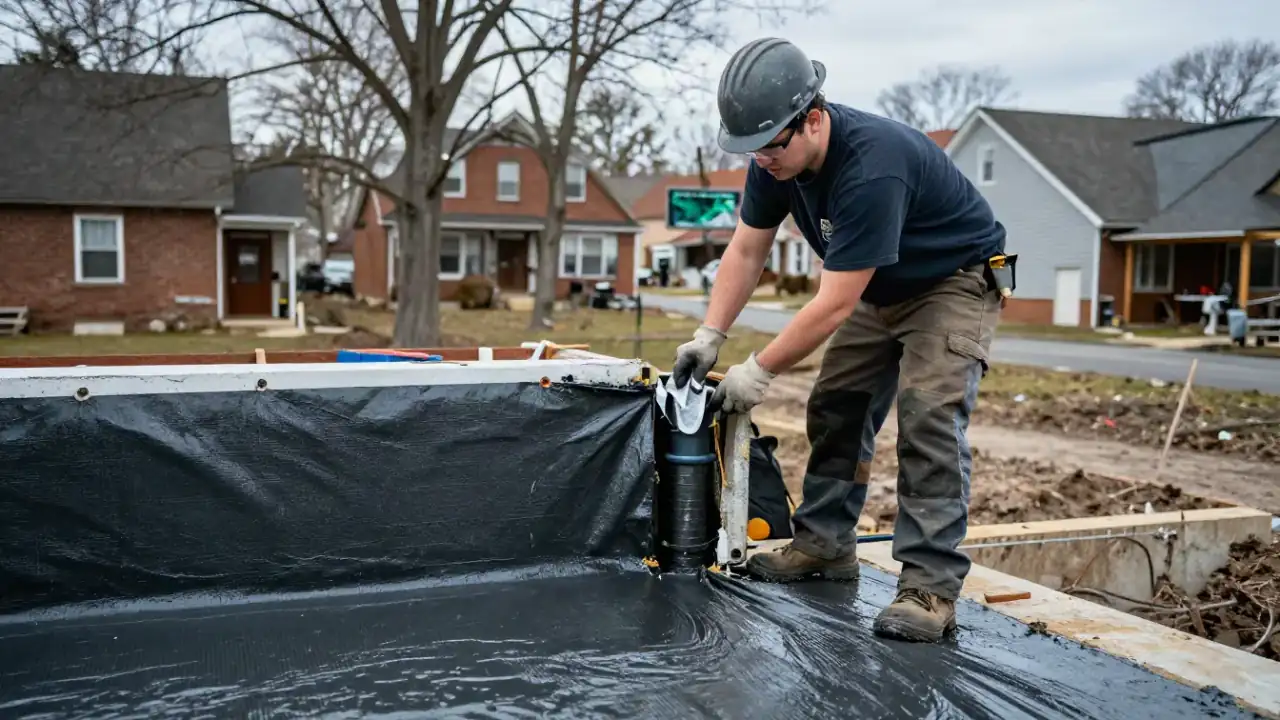
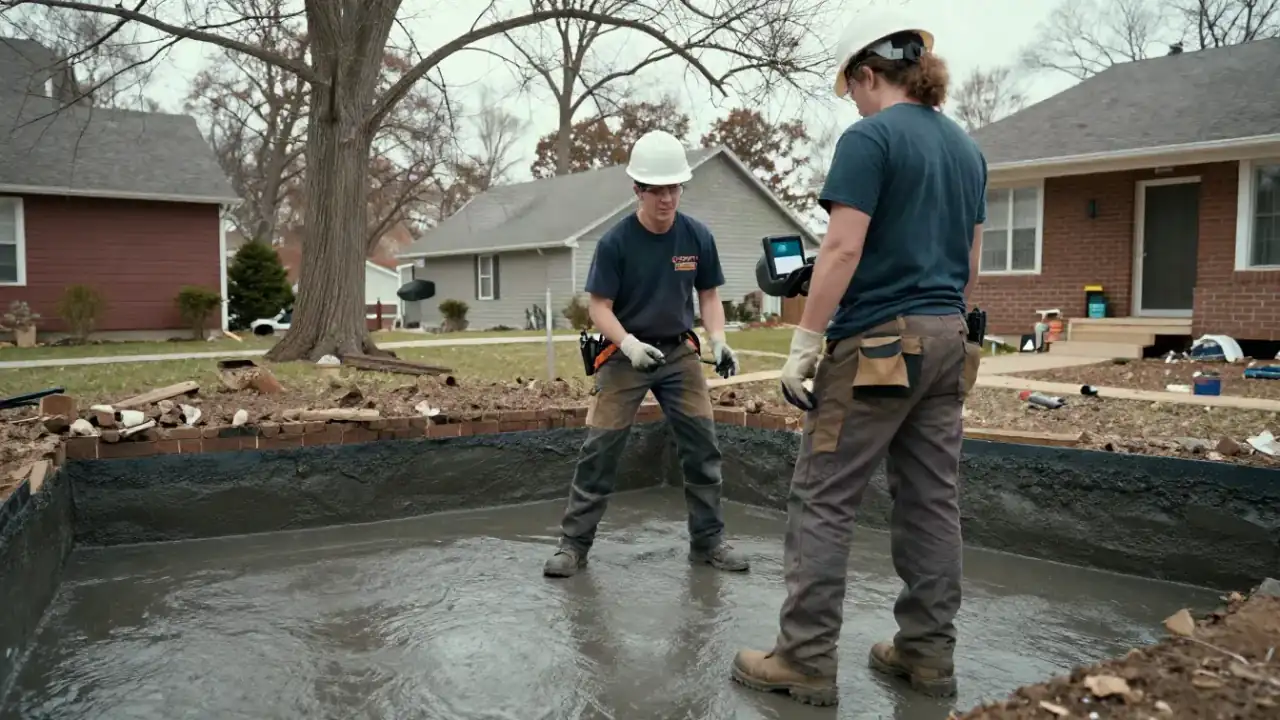
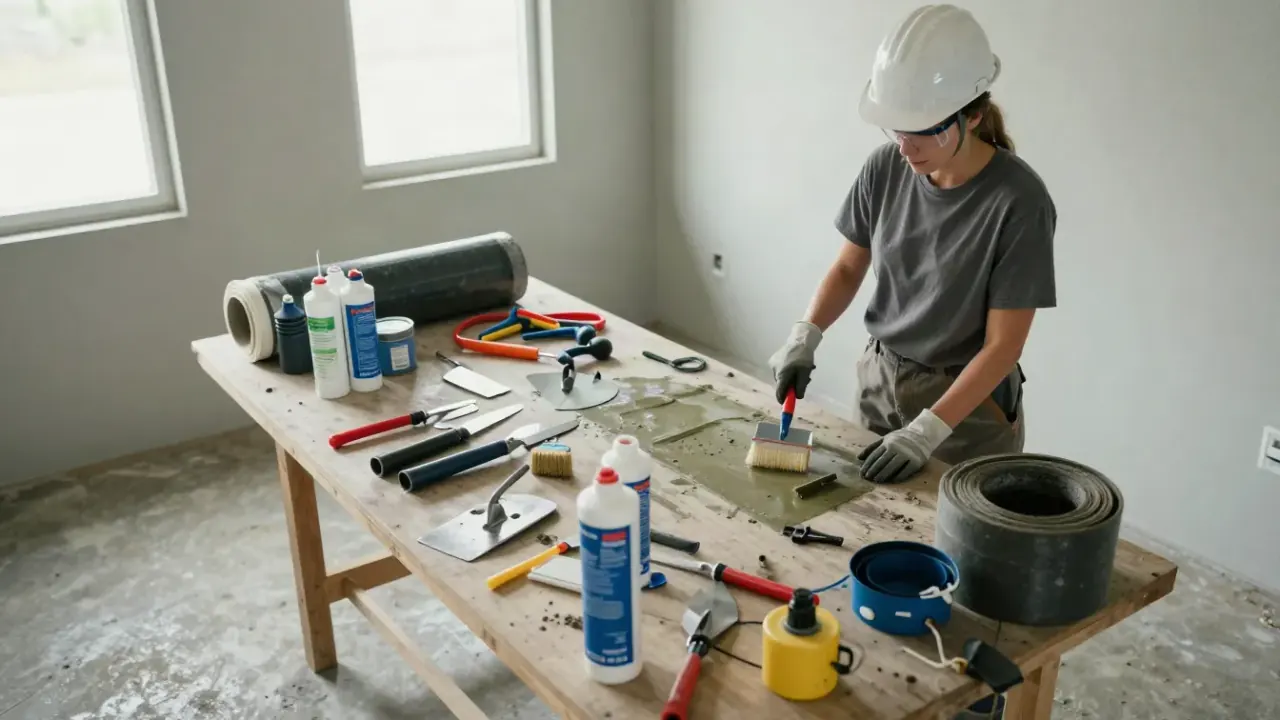
Visible finish reviewWe walk through the installed coverage.
What Your Barrier Installation Includes
Our installation covers inspection, practical ground preparation, liner measurement and placement, seam overlap, and a final review of the work. The exact layout depends on crawl space access and obstacles. Standing-water removal, structural repair, drainage installation, or dehumidifier work is a separate task when needed; we identify those conditions before they are covered.
Ground Condition Check
We inspect exposed soil, existing liner, standing water, and visible plumbing before installation. This helps us identify puncture risks and active moisture sources. You see which areas are ready for coverage and which need water or debris addressed first.
Debris Preparation
Loose debris and sharp material are cleared from the installation path so the new liner can sit more evenly. We check access and work around supports, piping, and equipment. Heavily obstructed areas take additional preparation before the barrier is laid.
Barrier Placement
We cut polyethylene material to fit the crawl space ground and position it around piers and penetrations. Sections are overlapped at seams to reduce exposed soil gaps. The crew keeps service areas and access routes usable.
Seam and Edge Review
We review the joins, perimeter, and visible transitions after placement. Where the installation plan calls for securing edges, we complete that detail and note any area that could not be covered because of access or an unresolved condition.
Completion Walkthrough
We show you the finished coverage and explain any follow-up needs, including drainage concerns or active leaks. Photos help document areas that are difficult to view later. You leave knowing what was installed and where to check after heavy rain.
Homes and businesses.
The approach is the same for a home and a business. What changes is the access, the schedule and who needs the paperwork.
Homes and Rentals
We inspect crawl spaces beneath owner-occupied homes and rentals for exposed soil, dampness, and liner damage. You see how the work fits around piers, plumbing, and equipment.
Musty odor after rainfall
Torn or shifted ground liner
Damp soil beneath living areas
Managed Properties
We help property owners and managers identify crawl space moisture sources and plan ground coverage around service access. The walkthrough clarifies visible conditions and needed follow-up.
Rental unit moisture concerns
Accessible pump and pipe routes
Multiple crawl space sections
Crawl Space Vapor Barrier Installation Warren OH
A plain-language look at what Crawl Space Vapor Barrier Installation involves and when it is needed.
crawl space vapor barrier installation Warren OH is a moisture-control service that covers exposed crawl space soil to reduce water vapor entering the home. We inspect the area, remove loose debris, and prepare the ground before laying a continuous 20 mil polyethylene vapor barrier. Seams are overlapped and secured, and edges are fitted around piers and penetrations where practical. The liner is not a substitute for correcting standing water, plumbing leaks, or failed drainage, so we identify those issues before installation and explain what needs attention.
Warren homes face wet periods, freeze-thaw cycles, and heavy rainfall that can leave soil damp beneath the floor. In Trumbull County, poor yard grading, clogged downspouts, or water seepage near foundation walls can raise crawl space humidity and contribute to mold and musty odors. Our crawl space vapor barrier installation in Warren, Ohio is planned around the actual access and moisture source. If you are comparing crawl space vapor barrier installation cost Warren OH, size, soil condition, debris, and water-control needs all affect the work.
A ground vapor barrier limits moisture rising from soil but does not repair active leaks or drainage failures.
What it is
A fitted polyethylene liner covering exposed crawl space soil to reduce ground-vapor movement.
When needed
Exposed or damaged ground coverage, damp soil, and recurring crawl space odor.
What to expect
Inspection, ground preparation, fitted sheets, seam review, and a customer walkthrough.
How Installation Works
Crawl space vapor barrier installation Warren OH follows a practical sequence: inspect, prepare, fit, seal, and review. We explain what we find before work starts, protect the access route, and keep you informed while the crawl space is being prepared. Most straightforward installations take one workday; extensive debris removal or drainage corrections add time.
Inspect Conditions
We begin with a crawl space walkthrough, checking access height, exposed soil, standing water, plumbing lines, and the condition of existing plastic. A moisture meter helps us compare damp areas and identify where further investigation is useful. We also look for grading or downspout issues outside, because those can keep feeding moisture beneath your home.
Check access
Inspect soil
Trace water
Prepare the Ground
Our crew clears loose debris and smooths sharp or uneven areas that could puncture the liner. If standing water is present, we identify its source and discuss drainage correction before covering the soil. This preparation often takes two to four hours in an accessible crawl space, with additional time for obstructed or heavily soiled areas.
Clear debris
Smooth ground
Prepare route
Fit the Barrier
We measure each section, cut the 20 mil polyethylene vapor barrier to fit, and lay it across the exposed ground. The crew works around piers, plumbing, and the sump basin without blocking equipment that needs routine service. Sheets overlap at seams, reducing open paths where soil vapor could otherwise enter the crawl space.
Measure sheets
Fit around piers
Cover soil
Secure Seams
We join overlapping sections and secure edges where the chosen installation scope calls for it. Penetrations and support posts receive close attention so the liner lies neatly instead of leaving large exposed soil gaps. We keep the sump pump, discharge pipe, and access route clear for future inspection and service.
Overlap seams
Keep access
Review edges
Review the Work
Before leaving, we walk the completed area with you, point out seams and any conditions that remain, and answer maintenance questions. You receive photos when access makes them useful and a summary of completed work. If a dehumidifier or drainage repair is needed, we explain how that work relates to the barrier.
Walk through
Show coverage
Explain upkeep
Tools and Installation Methods
Move across a circle, or focus it and press Enter, for an illustrative thermal view of the photograph.
Moisture meter
We use readings to compare damp and dry areas during inspection. The tool helps focus attention on locations that need further checking before the ground is covered.
20 mil polyethylene vapor barrier
This durable sheet material covers exposed crawl space soil and limits ground-vapor movement. We measure and cut it to fit the space, supports, and service access.
Wet/dry vacuum
When shallow water or loose debris is present, a wet/dry vacuum can help clear a limited work area. It is not a substitute for correcting recurring water entry.
Sump pump
We check the pump and basin when water collects in the crawl space. Keeping the system accessible lets you inspect and service it after the barrier is installed.
Crawl space dehumidifier
A dehumidifier manages airborne moisture where conditions call for it. We explain how it complements ground coverage and why it does not replace drainage repair or a vapor barrier.
Thermal views are illustrative, generated from the photographs.
Methods
Source-first inspection
We look for standing water, plumbing leaks, seepage, and runoff before laying material. This keeps a barrier from hiding an active source and helps you understand whether drainage work should happen first. The inspection also guides how we route coverage around the sump basin and utilities.
Continuous ground coverage
We measure and fit the liner across exposed soil, overlap adjoining sheets, and work around supports and penetrations. The aim is to minimize uncovered ground while leaving equipment accessible. We inspect the finished seams and edges before reviewing the work with you.
Moisture-control coordination
A vapor barrier addresses soil vapor; pumps and drains manage collected water, while dehumidifiers address airborne humidity. We separate those functions during planning, so you can see which condition each measure is intended to control and avoid expecting one component to do every job.
When a Barrier Makes Sense
Rainy weather odor
A Warren homeowner notices a musty smell after October rain and finds bare soil below the living room.
We inspect the crawl space for exposed soil, standing water, and leaks, then prepare the ground and install a fitted vapor barrier. If downspouts or grading are adding runoff, we show you where the water is coming from and explain the related correction.
Outcome: Ground vapor has a continuous barrier, and you know which drainage conditions still need attention.
Damaged old liner
An older home in Bolindale has brittle plastic with gaps around support piers and plumbing lines.
We assess the old liner, clear loose debris, and measure each exposed section. The crew replaces damaged coverage and shapes the new material around the supports and penetrations while preserving access to pipes and equipment.
Outcome: The soil is covered more consistently, and service areas remain visible and reachable.
Damp rental space
A property owner in Howland Center finds damp soil beneath a rental after a long wet spell.
We check for plumbing leaks and pooled water before installing a ground barrier. If the crawl space needs drainage or water removal, we explain that work separately and coordinate the liner after the source is under control.
Outcome: The owner receives a clear record of the ground coverage and any remaining moisture source.
Before floor repairs
A homeowner near Warren plans floor repairs after noticing recurring odor and humidity below the house.
We inspect the crawl space before the floor work, identify exposed soil and damaged liner, and prepare a barrier installation around existing utilities. We also check whether a dehumidifier or drainage correction is needed to address moisture beyond the soil.
Outcome: The crawl space has a more manageable ground surface before interior repairs are completed.
BolindaleMorgandaleHowland Center
How Installation Fits Warren Homes
Warren's wet autumn weather and spring rainfall can keep crawl space soil damp, particularly where downspouts discharge beside foundations or yards slope toward the house. Older homes in Warren and nearby Trumbull County communities also vary widely in access height, pier spacing, and existing liner condition. We inspect each space instead of assuming a standard layout.
Our crawl space moisture barrier installation Warren process checks for pooled water, plumbing leaks, and equipment that must remain serviceable before material goes down. Homes in 44483 and 44484 receive the same source-first assessment as other local addresses, with attention to local drainage and foundation conditions.
Ohio Residential Building Code requirements applicable to the work guide our installation practices. If you are wondering how thick should a crawl space vapor barrier be in Warren Ohio, we consider durability, access, and intended use; a 20 mil polyethylene liner is a common robust option, not a replacement for drainage correction. We review the finished coverage with you and note any unresolved water entry.
Bolindale: We check ground slope and nearby downspouts where runoff could keep soil damp beneath homes, then plan coverage around the crawl space supports.
Morgandale: Older crawl spaces can have low access and piecemeal plastic. We measure the usable work area and identify exposed soil before choosing a layout.
Howland Center: We inspect for pooled water after wet weather and keep the liner clear of sump equipment, plumbing, and any service route.
Warren: Properties in ZIP code 44485 receive a ground and drainage check before installation, with attention to damp soil and existing liner damage.
Repeated fall rain saturates soil around low crawl space openings: Wet ground increases vapor movement and can leave existing plastic damp or displaced. We check for water entry and exterior runoff first, then install the liner after active pooling is addressed.
Downspouts discharge close to foundation soil: Concentrated roof runoff can keep nearby soil wet and feed crawl space moisture. We point out the discharge path and explain whether an extension or separate drainage work should precede the barrier.
We inspect the crawl space and explain visible moisture pathways.
We prepare the access route and clear the planned work area.
We review seams, equipment access, and follow-up observations with you.
From problem to finished result.
IllustrativeThe thermal view is generated from the photograph. It is not a measurement. Drag the handle, or use the arrow keys once it is focused.
Replacing Torn Ground Coverage
Before: A Warren homeowner had loose, brittle plastic across part of a 900-square-foot crawl space. Several seams had separated, about one quarter of the soil was exposed, and a musty odor became noticeable after rain. The existing sump basin was also partly covered, making inspection difficult.
After: We cleared debris, restored access to the basin, and installed overlapping 20 mil polyethylene across the prepared ground. The finished coverage reduced exposed soil to small areas around fixed obstructions and left the sump equipment visible. The homeowner received a walkthrough of the seams and remaining drainage concerns.
Inspect the liner twice yearly and after heavy rain. Look for tears, water beneath the sheet, or displaced seams, and keep the sump basin and discharge path clear.
Addressing Damp Soil and Odor
Before: In Howland Center, a crawl space had damp soil and an odor that followed long periods of rain. The old liner stopped short of several support piers, leaving bare soil around the middle of the space. No single surface-level symptom showed whether runoff or a leak was involved.
After: We checked the plumbing, soil, and nearby downspouts before laying a fitted barrier. The crew covered the exposed ground, overlapped the sheets, and kept inspection access around utilities. The homeowner could distinguish the completed ground coverage from the separate exterior runoff issue identified during the visit.
Check the crawl space after major storms and keep a record of any new wet spots. Address changes in downspout discharge or plumbing leaks before they spread beneath the liner.
Making a Crawl Space Easier to Inspect
Before: A rental property in Bolindale had mixed plastic scraps, exposed soil, and blocked access around a sump pump. The owner could not easily check for leaks, while damp conditions kept stored materials and the crawl space air smelling stale.
After: We removed loose material, arranged a continuous ground liner, and left the pump and pipe reachable. The completed layout covered the accessible soil in a single planned installation and included a final walkthrough. The owner gained a clearer surface for spotting future water rather than searching through scattered plastic.
Avoid dragging tools or stored items across the barrier. Review visible areas seasonally, and have any new pooling or pump failure checked before repairing damaged liner.
Problems a Ground Barrier Addresses
A vapor barrier targets moisture rising from exposed soil, not every source of water beneath a house. If you are considering vapor barrier replacement Warren OH, we first check whether the old liner is torn, displaced, or covering a water problem that needs correction. That distinction keeps the repair focused.
Musty odorMusty crawl space odor after rainy weatherDamp soil and humid air can carry stale odors into living areas, while prolonged moisture can affect stored materials and exposed framing. We inspect the soil and crawl space for standing water, plumbing leaks, and damaged old plastic. After addressing conditions that would undermine coverage, we prepare the ground and install a continuous barrier with overlapped seams. We also point out any exterior runoff issue contributing to the dampness.
Torn linerOld plastic liner torn or shiftedExposed soil allows ground vapor to enter the crawl space, and loose sheets can hide wet areas or obstruct equipment access. We remove or reposition failed sections as needed, clear debris, and measure the uncovered ground. Our team installs replacement polyethylene, fits it around supports, and keeps the sump basin accessible. We review the completed area so you can see where coverage was restored.
High humidityHigh crawl space humidity and condensationPersistent humidity can encourage mold and musty odors and may leave ductwork or framing damp, particularly during long wet periods. We use a moisture meter and visual inspection to check the ground and identify other likely moisture paths. A liner reduces vapor from soil, while a crawl space dehumidifier or drainage correction may be needed for humidity from other sources. We explain the distinct role of each measure.
Standing waterWater pooling beneath the floorStanding water can damage a new liner, increase odor, and signal drainage failure, groundwater pressure, or a plumbing leak that requires direct attention. We locate visible water and check nearby plumbing, drainage, and sump equipment before covering the soil. If a sump pump or drain tile needs repair, we identify that work first. The barrier follows after water is controlled, so it does not conceal an active problem.
What a Barrier Helps Improve
Covered soil, clearer inspections, and fewer open paths for ground vapor.
Less Ground Vapor
Exposed soil releases moisture into the crawl space, especially after extended rain. A continuous 20 mil polyethylene vapor barrier covers that source and helps reduce moisture migration through the floor assembly. Our crawl space moisture barrier installation Warren service includes seam overlaps and careful fitting around supports, giving you a more consistent ground cover than loose, unsealed plastic.
Fewer Musty Odors
Damp soil and high crawl space humidity can contribute to stale smells that travel through floor openings. We check for standing water and visible growth before covering the ground, because a liner cannot correct an active leak. Once the source is addressed and the barrier is installed, you have a cleaner, more controlled space to monitor.
Protected Stored Materials
Cardboard, insulation, and exposed framing are vulnerable when crawl space humidity stays high. The barrier limits direct ground moisture and gives you a clearer surface for checking leaks after storms. If a crawl space dehumidifier is also appropriate, we explain how it complements-not replaces-the ground liner.
Clearer Maintenance Checks
A fitted liner makes wet spots and plumbing drips easier to distinguish from damp soil. We leave access points and equipment areas serviceable, so you can inspect the crawl space without pulling up loose plastic. That practical visibility helps you respond sooner if a sump pump failure or new seepage occurs.
What you receive
Clear records you can keep and share.
Photo record
Images of visible completed coverage.
Work summary
A brief description of installation tasks.
Area notes
Observed access and moisture conditions.
Care notes
Practical checks for the installed liner.
Barrier Versus Water Control
Ground coverage limits soil vapor; drainage and pumps address collected water, while dehumidifiers manage airborne moisture.
Ground vapor
A liner covers exposed soil and limits vapor movement.
Polyethylene sheet coverage
Overlapped seams
Prepared ground surface
Liquid water
Drainage and pumps move water away from the crawl space.
Standing water source
Sump basin operation
Runoff direction
Air humidity
A dehumidifier manages moisture suspended in crawl space air.
Humidity conditions
Air movement
Equipment access
Materials and checks
Polyethylene
Moisture meter
Sump basin
Soil surface
Seam overlap
Pier fitting
Drainage path
Access route
Service ZIP codes.
A list like this tells people straight away whether you cover their street. Not listed? Call and ask: it only takes a minute.
In 2026, the main cost drivers are crawl space square footage, access height, debris removal, barrier thickness, seam work, and whether standing water or drainage problems need correction first. We inspect the space and explain the factors behind your price before work begins. A vapor barrier does not include major drainage repairs unless those are part of the agreed service.
A durable 20 mil polyethylene vapor barrier is a strong choice for many Warren crawl spaces. The right material depends on foot traffic, storage, soil condition, and whether the space needs more complete encapsulation. We also check the ground for sharp debris and plan seams around piers and pipes. If water is pooling, drainage correction comes before choosing a thicker liner, because a barrier alone does not remove standing water.
A properly installed polyethylene liner often lasts 10 to 20 years, depending on thickness, foot traffic, pests, and water exposure. We reduce avoidable damage by preparing the ground, overlapping seams, and keeping service equipment accessible. Check the barrier at least twice a year and after major storms for tears, displaced sections, or water beneath it. Prompt repair helps prevent a small opening from becoming a broad area of exposed soil.
A ground vapor barrier reduces moisture rising from soil, but it does not stop every source of crawl space moisture. Roof runoff, plumbing leaks, foundation seepage, and groundwater require their own corrections. We inspect those conditions before installation and explain whether drainage, a sump pump, or a crawl space dehumidifier is also needed.
If your crawl space smells musty or stays damp after rain, call Warren Waterproofing Pros at (555) 123-4567. Our team will inspect the ground, check for active water, and explain the barrier work your Warren home needs.
Tell us where water is showing up, how long it has been happening, and whether a sump pump or drain is involved. Call (555) 123-4567 during our weekday business hours, Monday through Friday, 8 a.m. to 6 p.m. We serve Warren, Ohio, and nearby communities, and will help you plan the right inspection for your basement or crawl space.