Crawl Space Waterproofing in Warren Stops Moisture
Crawl Space Waterproofing in Warren helps homeowners with standing water, damp soil, musty odors, or recurring humidity beneath the house. We trace where water enters, manage drainage, and seal exposed soil and air pathways with a system matched to your crawl space. If fall rain is leaving puddles or you have noticed damp insulation, our Warren, Ohio team can inspect the space and explain the practical next steps.
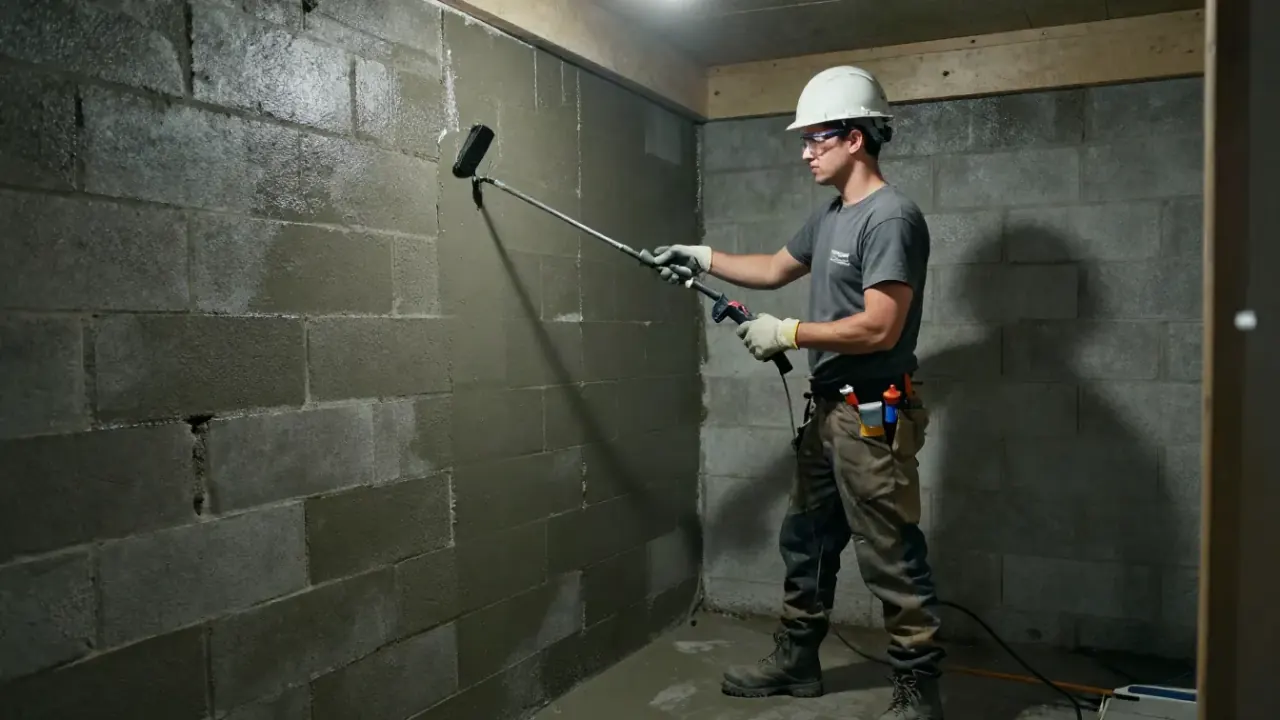
Moisture and Entry InspectionWater RoutingPump and Discharge Setup
Written service plansClear plan before work
Careful property protectionFloors, contents and finishes protected
One point of contactOne local contact
Prepared local crewsWarren
What Crawl Space Waterproofing Includes
A crawl-space repair may include inspection, water-source tracing, drainage, pump installation, and a sealed soil vapor barrier. The exact combination follows the conditions under your home. We explain which work addresses active water and which controls ground vapor. Repairs to structural framing, extensive mold remediation, plumbing, or exterior excavation are handled as distinct needs when inspection shows they are required.
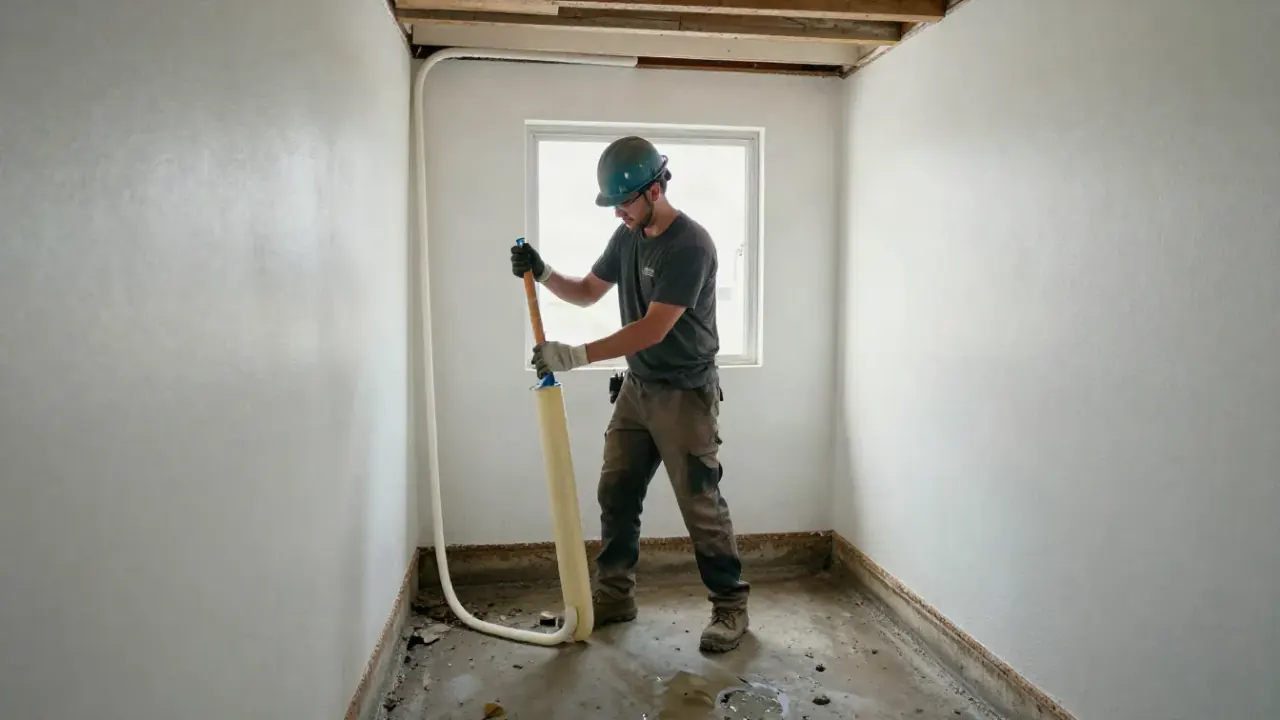
Moisture and Entry Inspection
We inspect visible foundation walls, soil, framing, plumbing, insulation, and existing drainage. Moisture readings and staining help locate persistent dampness. We also examine exterior grade and downspout discharge so your repair plan reflects the route water takes into the space.
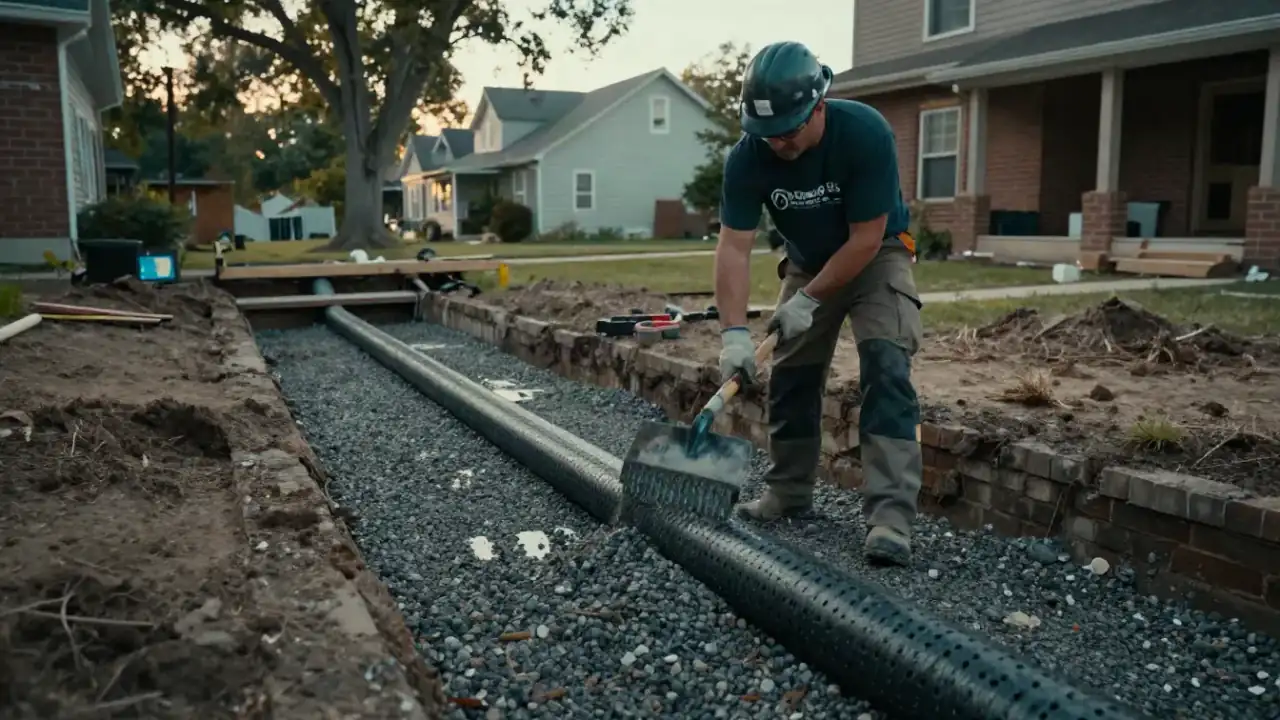
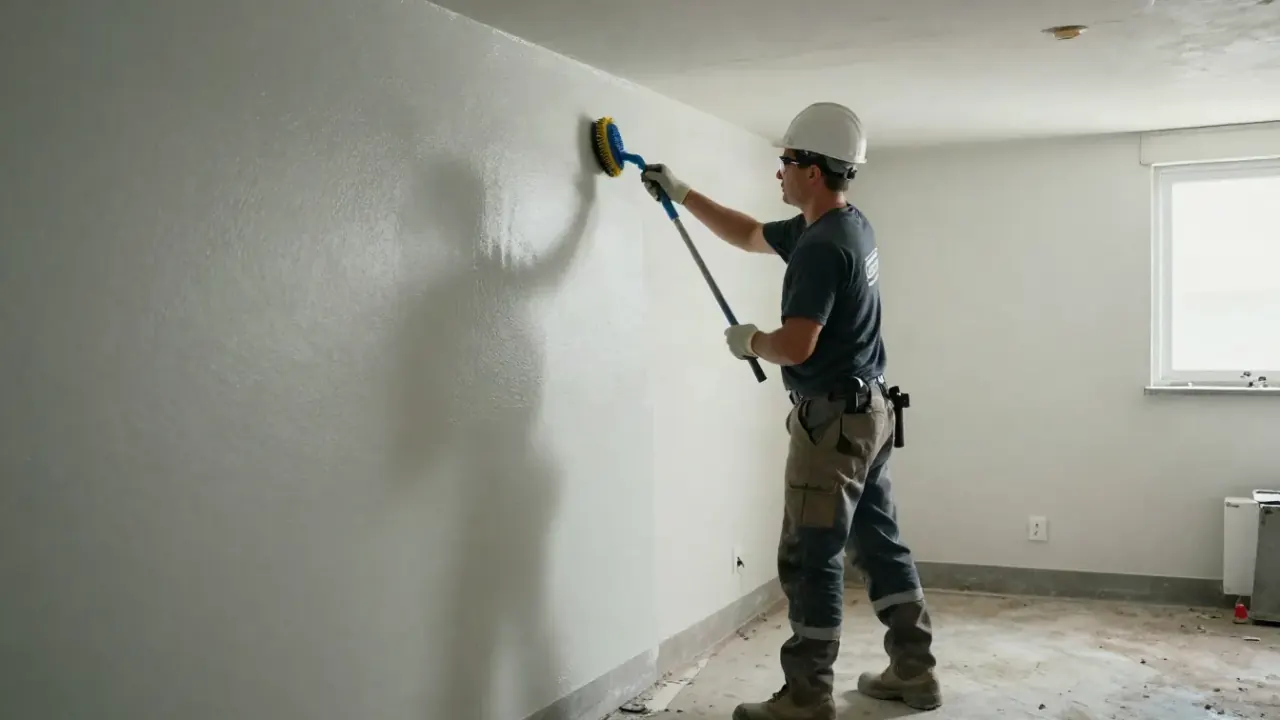
Water Routing
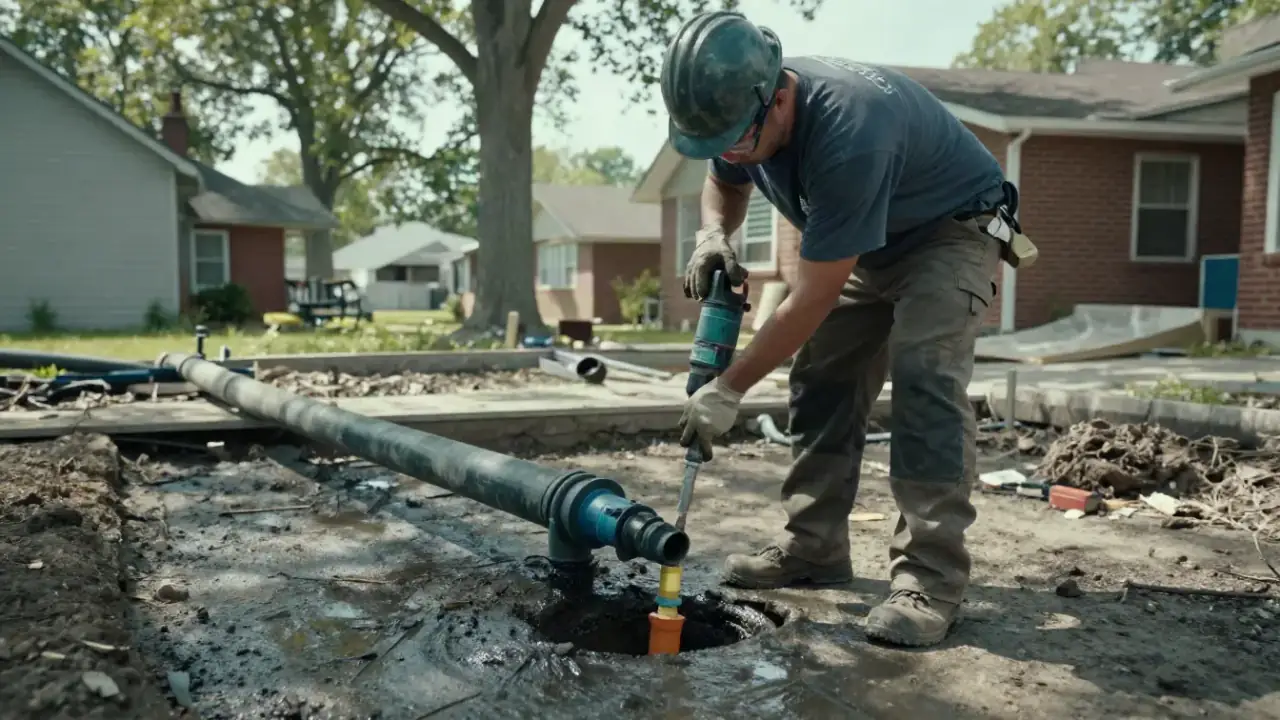
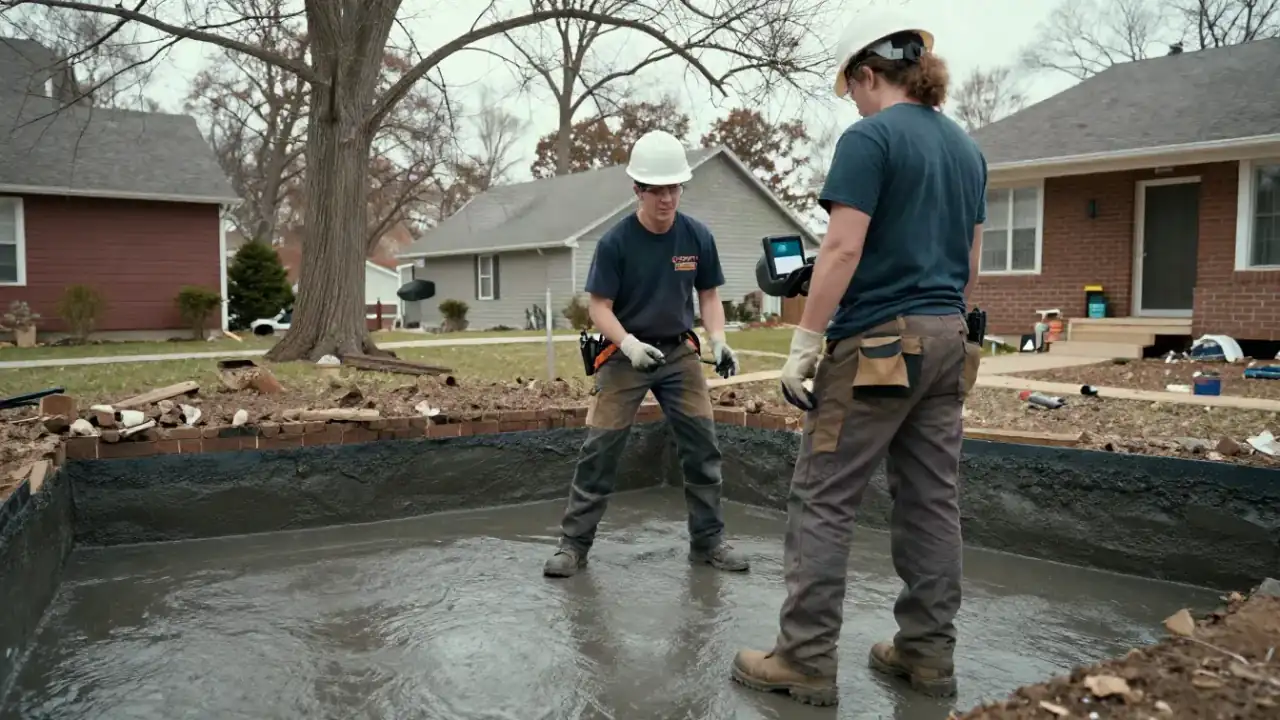
Where water collects, we install or improve a drainage path using suitable channel components, perforated drain tile, and washed gravel. The layout directs collected water toward a sump basin or a viable outlet. We account for access, soil conditions, and discharge location.
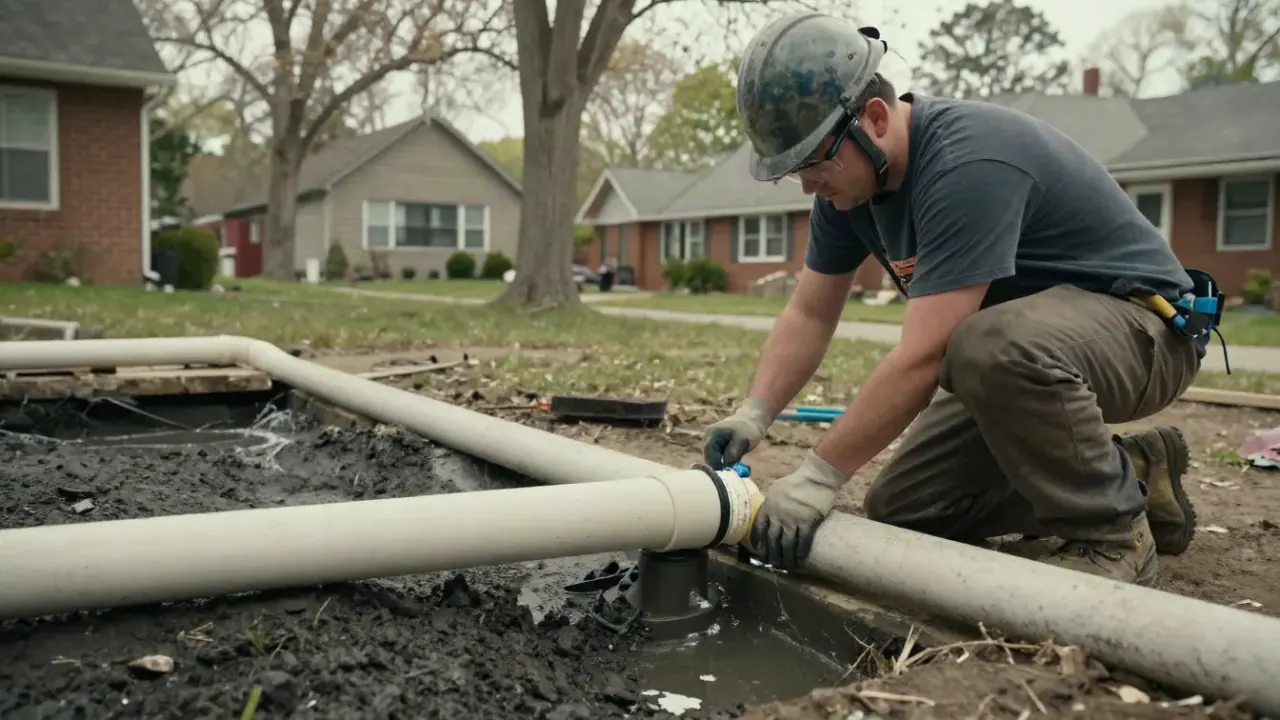
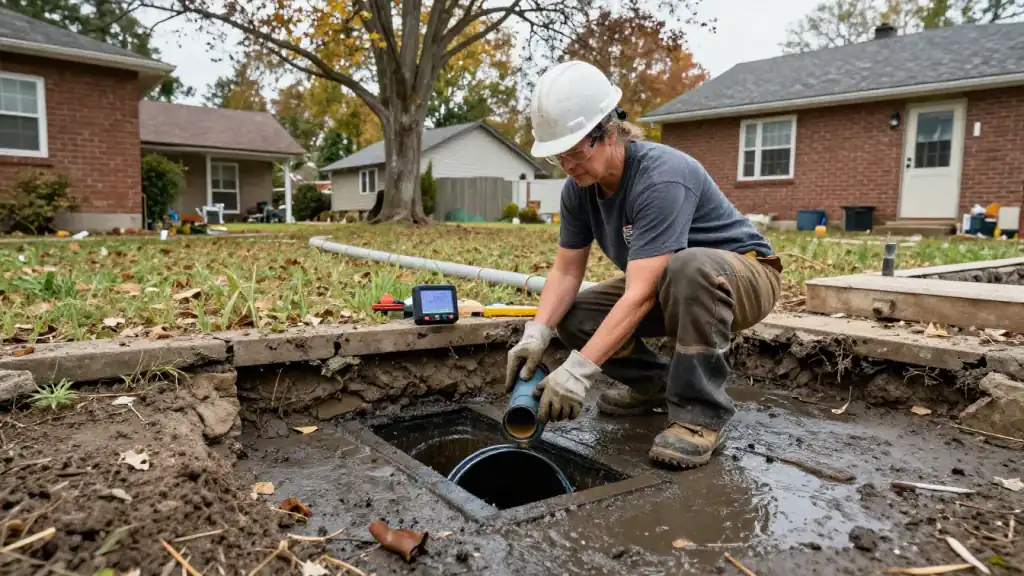
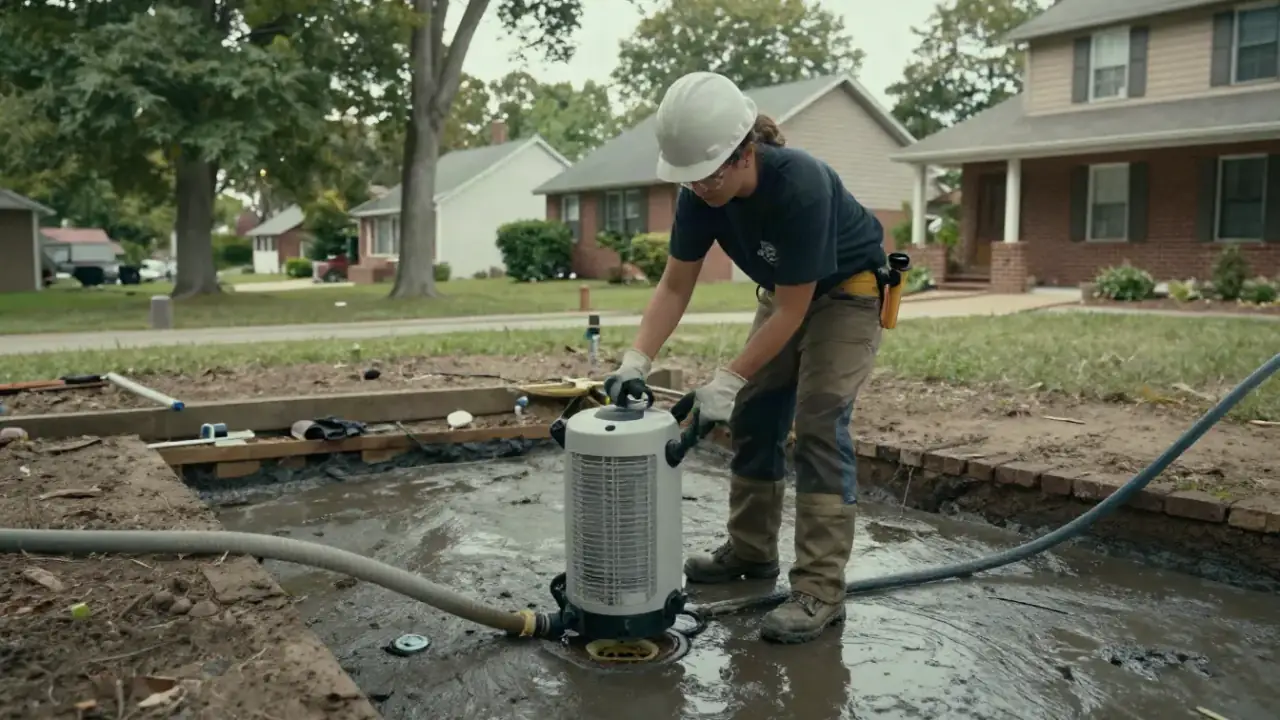
Pump and Discharge Setup
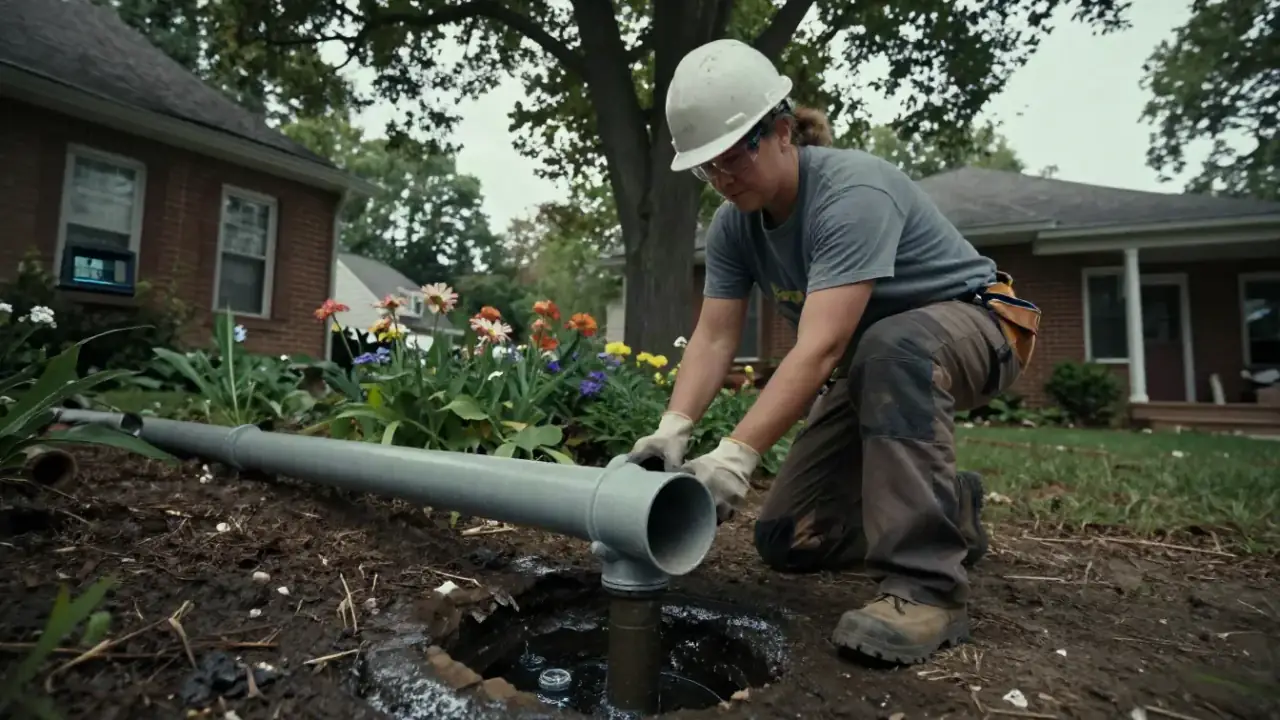
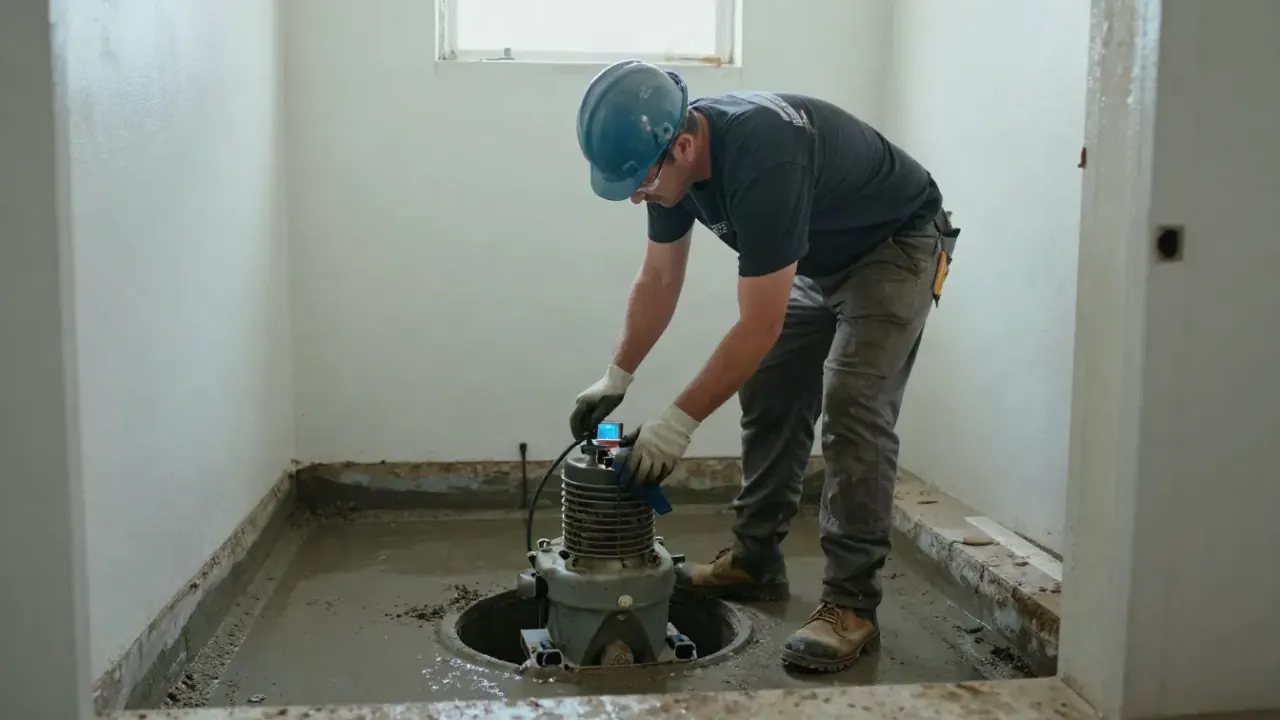
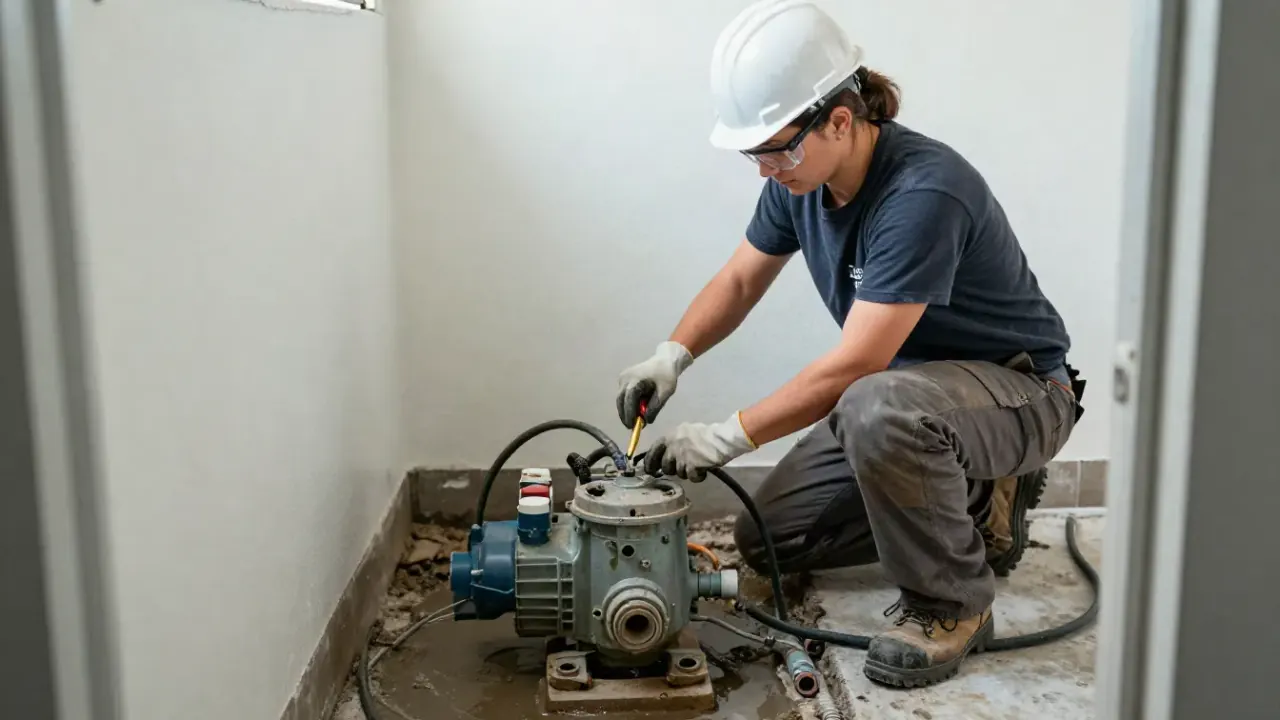
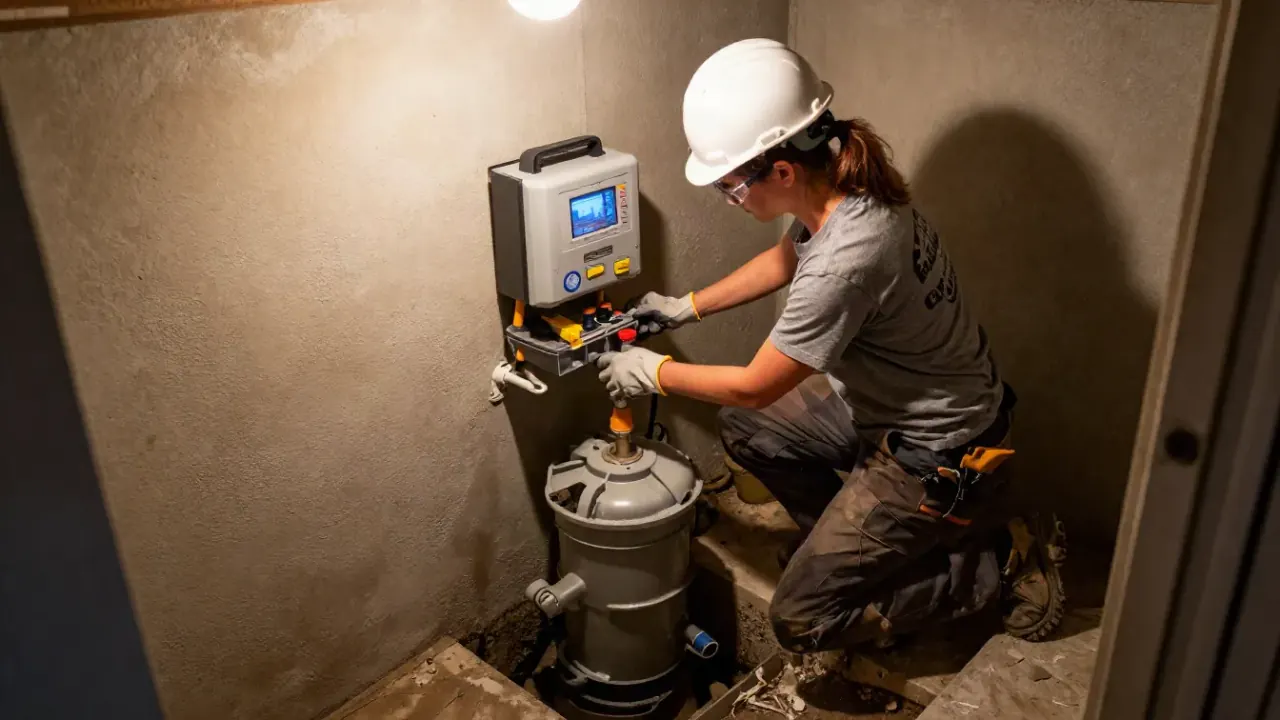
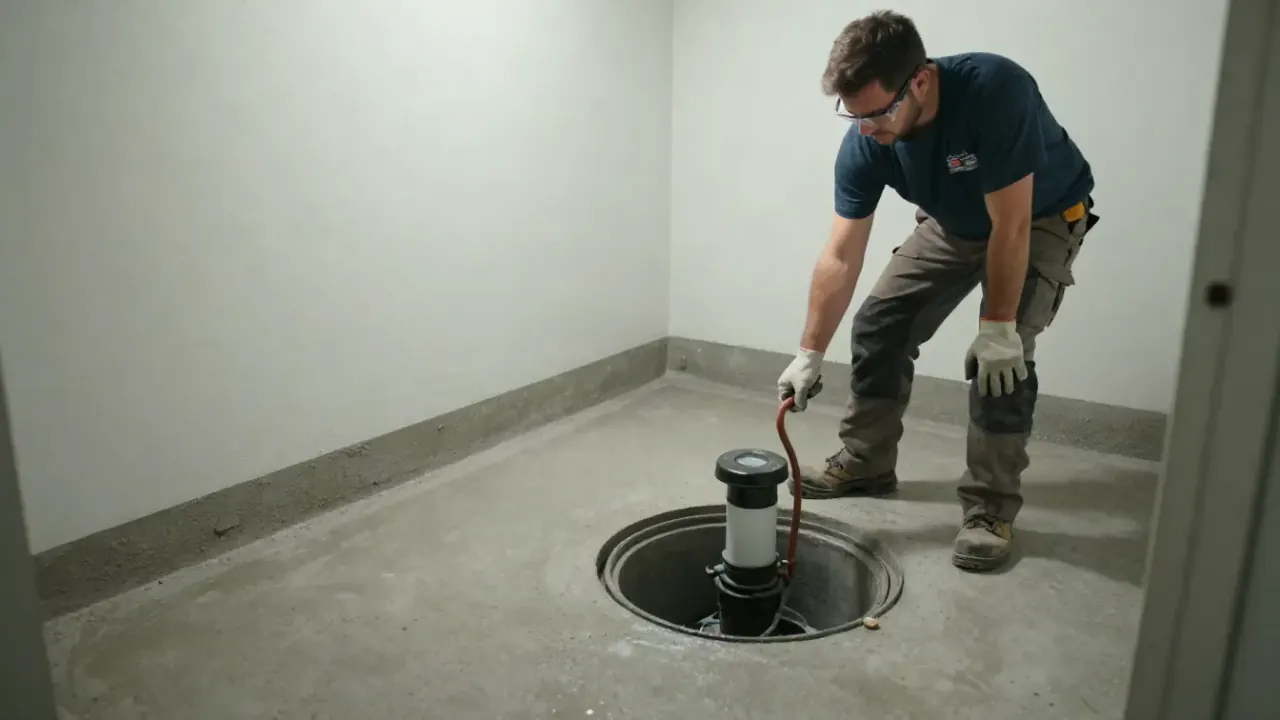
When the space needs active water removal, we install or service a sump pump, basin liner, and discharge pipe. We test activation and confirm that water leaves the foundation area. Backup pumping can be discussed where power interruption is a concern.
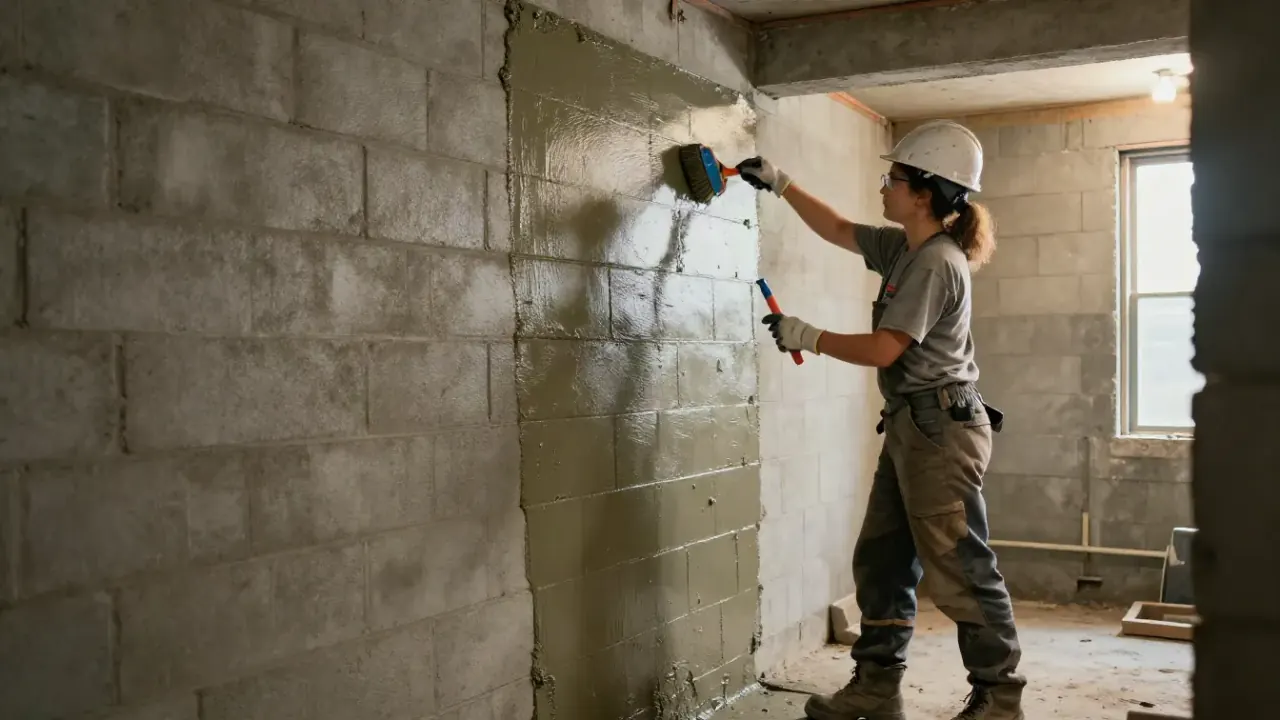
Ground Vapor Barrier
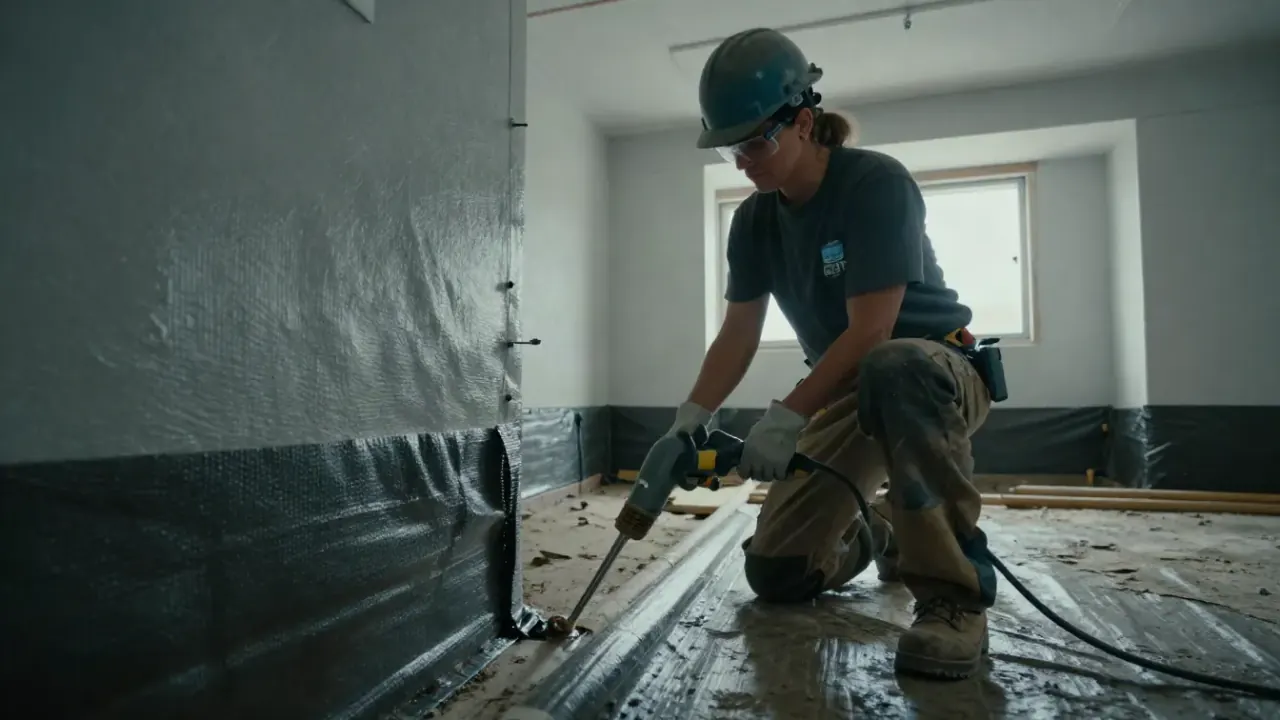
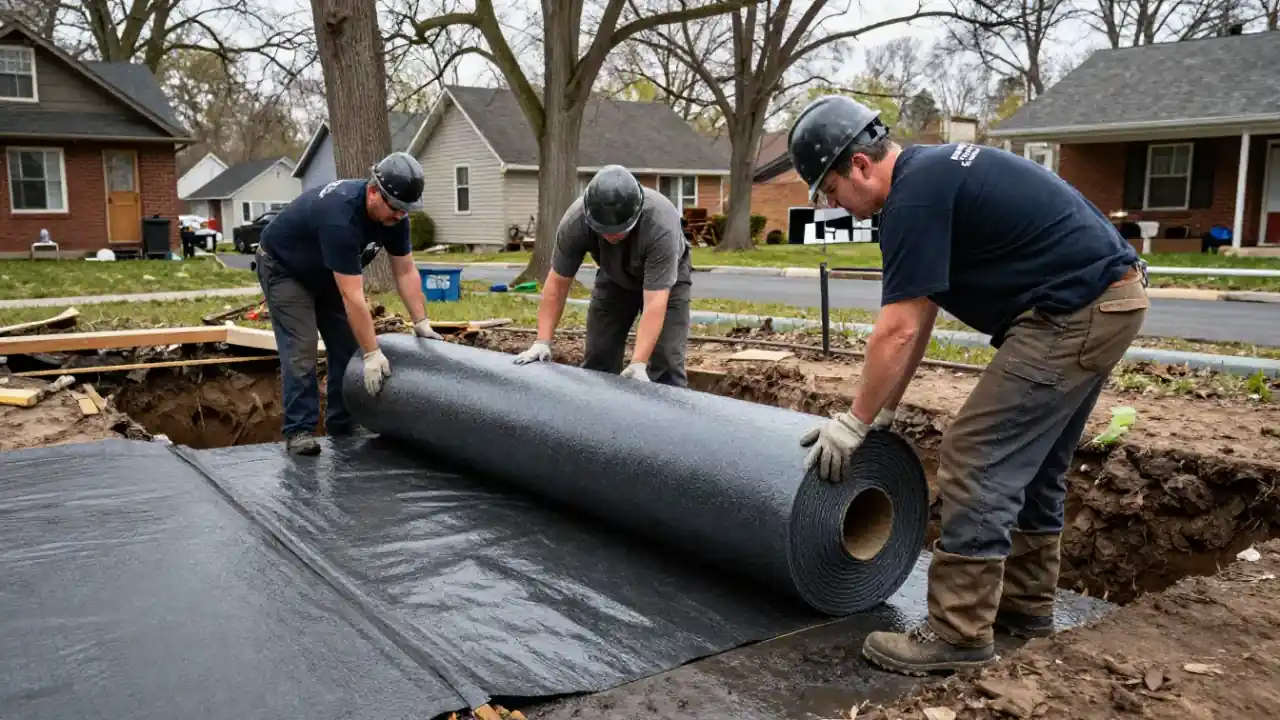
We cover exposed soil with a fitted polyethylene vapor barrier, overlap and seal seams, and secure edges around walls, piers, and penetrations. This reduces ground moisture entering the air. It complements drainage; it does not replace correction of active seepage.
Operating Walkthrough
After installation, we show you the pump operation, discharge route, and barrier details. We explain what to check after heavy rain and how often to inspect visible components. You receive a straightforward account of completed work and any follow-up items.
Crawl Space Waterproofing in Warren: The Basics
A plain-language look at what Crawl Space Waterproofing involves and when it is needed.
Crawl Space Waterproofing in Warren is a moisture-control service that manages water entry and ground vapor beneath homes before damp conditions damage materials or create persistent odors. We inspect the foundation, soil, joists, plumbing, and existing drains, then address the source with drainage, a sump basin and pump where needed, and a sealed vapor barrier. A moisture meter helps distinguish a surface damp spot from persistent high humidity. The right repair is based on where water travels, not simply on covering the visible wet area.
Homes across Warren and Trumbull County encounter wet crawl spaces after prolonged rain, snowmelt, poor yard grading, or clogged downspouts. Water can collect beside foundation walls and enter through joints, cracks, or a failed drain line; humid air then affects insulation and wood. Our crawl space sealing Warren work follows diagnosis, not guesswork. For homeowners asking how to waterproof a crawl space in Warren, the first step is identifying whether the main issue is runoff, groundwater, plumbing leakage, or ground vapor.
Our Crawl Space Work Process
Crawl Space Waterproofing in Warren follows a practical sequence: locate the water, control the route, and verify the installed components. We explain each stage before work begins, keep the access area organized, and tell you what to watch for afterward.
Inspect and Measure
We start with a walk-through of the crawl-space access and the areas you have seen wet. Our technician checks soil, wall joints, framing, plumbing, visible drain lines, and outside grading, then records moisture readings. Most inspections take 45 to 90 minutes, depending on access and crawl-space size. You hear what appears to be causing the moisture before we discuss a repair.
Trace Water Entry
We follow staining, damp soil, efflorescence, and the direction of runoff to separate groundwater from plumbing leaks or surface water. Outside, we look for downspouts that end near the foundation and ground that slopes toward the house. This step matters: installing a barrier over a continuing leak only hides the symptom. We show you the likely entry route and explain the proposed fix.
Prepare the Space
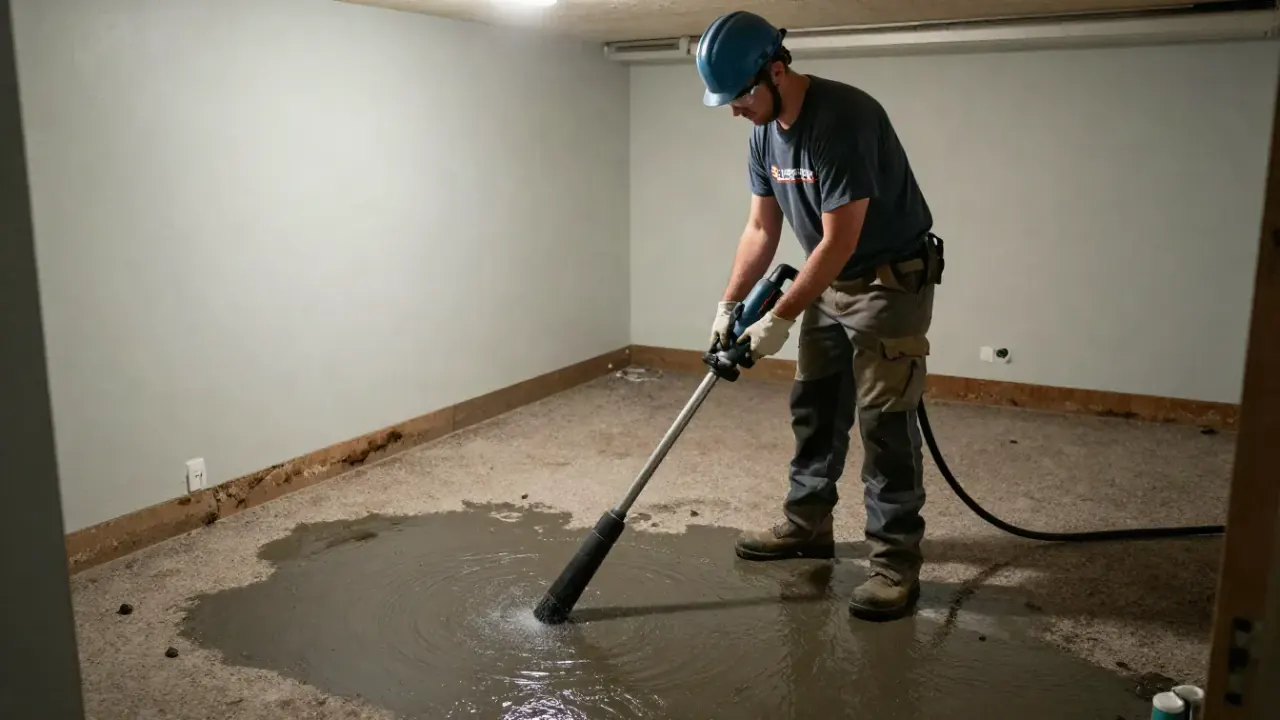
Before installing materials, we remove loose debris and address accessible standing water with a wet/dry vacuum when appropriate. If soil excavation or a drain channel is needed, we protect the access route and work in manageable sections. Preparation commonly takes several hours, with the total schedule shaped by clearance, debris, and water volume. You can see the area being prepared before new components go in.
Install Drainage and Seal
We install the selected drainage components, washed gravel, sump basin, and pump where the inspection calls for them. Then we fit the vapor barrier, seal seams, and secure edges around piers and penetrations. A battery backup sump pump is an option where power interruption is a concern. Most contained installations take one to three working days; larger drainage or repair work takes longer.
Test and Explain
We test pump activation, check the discharge route, inspect barrier seams, and confirm the work area is clean before wrapping up. We show you the completed components and explain basic checks, including listening for a pump cycle after heavy rain. The final review usually takes 30 to 60 minutes. You leave knowing what was installed, how it operates, and what to monitor.
Tools and Drainage Methods
Move across a circle, or focus it and press Enter, for an illustrative thermal view of the photograph.
Moisture meter
We compare readings across damp and dry areas to guide inspection and check whether materials show persistent moisture. Readings are interpreted alongside visible conditions, not used alone.
Submersible sump pump
A submersible unit sits in a basin and pumps collected water through a discharge pipe. We check capacity, float operation, basin fit, and the route water takes away from the foundation.
Perforated drain tile
Drain tile collects water along a planned channel, usually set with washed gravel. Its slope, depth, and connection to the sump or outlet determine whether water reaches the discharge point.
Wet/dry vacuum
We use a wet/dry vacuum to remove manageable standing water and debris during preparation. It supports cleanup but does not replace a drain or pump when water continues to enter.
Zoeller pump
We assess Zoeller equipment where it is installed or appropriate for the site. Pump selection still depends on basin dimensions, expected inflow, discharge height, and service access.
Thermal views are illustrative, generated from the photographs.
Methods
Source-first water tracing
We trace staining, wet soil, wall openings, grading, and downspout discharge to identify how water enters. Correcting the source guides whether the job needs an exterior runoff change, interior collection, pump work, or a plumbing repair. This prevents sealing over an active leak.
Interior collection and sump discharge
Where groundwater enters at the perimeter, a channel with perforated drain tile and washed gravel collects it and directs it to a sump basin. The pump moves water through a discharge line away from the foundation. We test the operating cycle and inspect the outlet for a clear path.
Sealed ground vapor control
After liquid water is managed, we fit a polyethylene barrier over exposed soil. Seams overlap and are sealed, with edges secured around piers and penetrations. This limits ground vapor while allowing drainage equipment and service access to remain inspectable.
Pump cycle verification
We activate the pump by raising the float or adding water to the basin as appropriate, then observe the start, discharge, and shutoff cycle. We check for unusual vibration, obstruction, or backflow. You see the operating test and receive instructions for routine checks.
When to Schedule an Inspection
After October rain, water pools beneath a Warren home and remains for more than a day.
We inspect the wet area, soil, foundation wall, and nearby runoff route. If surface water is feeding the space, we address grading or downspout discharge; groundwater may require a drain channel and sump. We explain the difference before selecting the system.
Outcome: Water has a planned route out of the crawl space, and you know which exterior conditions to monitor after the next storm.
A homeowner in Howland Center notices musty air and damp insulation during a heating-system check.
We check humidity, plumbing, ground moisture, and the insulation condition. We also identify materials that need separate drying or replacement.
Outcome: You get a source-based moisture plan instead of masking odor with a surface treatment or deodorizer.
A sump pump in Niles stops cycling during a storm, leaving water beside the foundation.
We inspect the basin, float, power, and discharge line, then restore pumping capacity or recommend a correctly matched replacement. We test the pump and review backup options if outages are a concern. Drainage around the basin is checked for obstruction.
Outcome: Collected water can move through a tested discharge route, and you know what sound or indicator signals a pump problem.
A home sale inspection flags wet soil and foundation staining beneath a Warren property.
We document visible moisture conditions, trace likely entry points, and outline repairs such as drainage, pump work, or vapor-barrier installation. We separate urgent water control from optional improvements so you can address the condition in a sensible order.
Outcome: You have a clear description of the issue, proposed work, and the components that need ongoing observation.
BolindaleHowland CenterChampion Heights
How Crawl Space Work Fits Warren Homes
Warren-area crawl spaces face seasonal rain, winter freeze and thaw, and spring snowmelt that can keep soil saturated near foundation walls. Older homes may have low access openings, masonry foundations, or drain tile whose condition is unknown until inspected. We check those details before choosing a route for water.
Our crawl space water protection Warren OH plans also account for downspouts that empty beside the house and yards that slope toward a foundation. In Trumbull County, a repair should suit the property and comply with applicable Ohio Residential Building Code requirements where regulated work is involved.
For a crawl space waterproofing and mold prevention Warren plan, we first control water and ground vapor; existing mold or damaged materials may require separate remediation. We explain the work sequence, protect the access path, and verify pump and discharge operation before wrapping up.
Bolindale: We check runoff paths and downspout discharge where water collects close to the foundation, then assess whether the crawl-space soil shows a matching wet pattern.
Howland Center: Low access and varied foundation layouts can affect equipment movement. We plan the drainage route around piers and utilities before bringing materials into the space.
Champion Heights: After sustained rain, we look for pooling near the home and signs of seepage at wall joints, then match drainage to the observed entry point.
Morgandale: We inspect both the crawl-space floor and exterior grade, since water may travel from a yard low spot toward the foundation before appearing indoors.
Heavy autumn rain saturates soil beside foundation walls: Water can move through joints or cracks and collect at the low point of a crawl space. We trace the entry, inspect drainage, and route water to a suitable outlet before sealing the soil.
Winter freeze and thaw stresses exposed discharge lines: A discharge route that holds water can freeze and restrict pumping during a thaw or storm. We inspect pipe routing and outlet placement, then explain seasonal checks that help keep the path clear.
IllustrativeThe thermal view is generated from the photograph. It is not a measurement. Drag the handle, or use the arrow keys once it is focused.
Stormwater No Longer Pools
Before: A Warren homeowner found water on the soil after long rain, with damp marks along one foundation wall. The old sump basin had no reliable discharge route, and a nearby downspout emptied at the same corner. Cleanup helped for a day, but the next storm brought water back.
After: We corrected the discharge route, installed a perimeter collection channel and sump basin, and tested the pump cycle. The water now has a defined path out, while a fitted vapor barrier covers the exposed soil. The homeowner can inspect the basin and outlet after storms instead of repeatedly vacuuming the floor.
Check the basin, float, and discharge outlet every three months and after heavy rain. Keep leaves and debris away from the outlet, and call if the pump runs continuously or the water level does not drop.
Damp Soil and Odor Addressed
Before: In Howland Center, a homeowner noticed a musty smell near the first-floor kitchen and damp insulation below it. The crawl space had high humidity and exposed soil, but no standing water. A quick surface cleanup did not stop the odor from returning.
After: We confirmed ground moisture as the main issue, checked for plumbing leaks, and installed a continuous vapor barrier with sealed seams around piers. After the work, the soil was covered and the damp insulation was identified for separate replacement. The homeowner received instructions for monitoring humidity and the barrier edges.
Look for shifted seams, new damp patches, and plumbing drips during seasonal checks. If humidity remains high after ground vapor is controlled, measure again and assess whether dehumidification is needed.
Pump Failure Repaired Before Flooding
Before: A Niles property had a sump pump that hummed but did not clear water after a storm. The basin level rose close to the rim, and water had begun to spread over the crawl-space soil. The discharge pipe was partly obstructed.
After: We cleared the discharge path, replaced the failed pump, and tested the float and full discharge cycle. The basin emptied correctly during the test, and the owner was shown the outlet location and pump sound to listen for. A battery backup option was reviewed for outages.
Test the pump by adding water to the basin every few months, and keep the outlet clear. Check the backup system according to its manufacturer instructions and arrange service if the pump fails to start.
Crawl Space Water Drainage Warren OH Problems
Crawl-space moisture often starts outside the room itself: roof runoff, saturated soil, or a blocked drain can send water under the house. Our crawl space water drainage Warren OH work follows those pathways and separates active leaks from ground vapor. Treating the source helps protect the framing and makes the next maintenance step clear.
Standing water returns after each prolonged Warren rainWater left against soil and foundation materials keeps the space damp, raises humidity, and can damage insulation or stored items over time. We map the wet area, inspect foundation joints and outside runoff, then install drainage suited to the flow. If water needs active removal, we add a sump basin and pump with a verified discharge route. We also explain which outside changes, such as extending a downspout, reduce the incoming load.
Musty odor rises from damp soil and insulationA persistent odor can move through floor openings into living areas and signal high humidity or wet building materials beneath the home. We measure humidity and inspect soil, insulation, plumbing, and framing to find the source. After correcting liquid water, we seal exposed soil with a fitted vapor barrier. If readings remain elevated, we discuss dehumidification and whether affected materials need separate cleaning or replacement.
Pump runs often or fails during stormsA pump that cannot keep pace leaves collected water in the basin and risks overflow during the period when inflow is highest. We test the float, power supply, basin, and discharge pipe, then determine whether a blockage, failed component, or undersized system is responsible. We repair or replace the necessary equipment and test a full operating cycle. A battery backup can be considered for storm-related outages.
Water stains appear along crawl-space foundation wallsRepeated seepage can leave mineral deposits, damp masonry, and wet soil at the wall base, with more water entering during high groundwater conditions. We inspect cracks, joints, grading, and existing drain tile to trace the source. Appropriate crack repair may be combined with interior drainage or exterior corrections. We avoid relying on a surface coating alone where water pressure requires a drainage solution.
What a Dry Crawl Space Changes
A controlled crawl space protects the structure and makes moisture problems easier to manage. We focus on measurable conditions: where water collects, how damp the air is, and whether drainage has a clear path away from your foundation.
Less Standing Water
We direct collected water toward a suitable discharge point instead of letting it sit beside soil, piers, or framing. A properly sized sump pump and discharge pipe help manage recurring inflow; the pump selection depends on the water load and basin. You get a defined route for water rather than repeated wet patches after each storm.
Lower Ground Moisture
A continuous 20 mil polyethylene vapor barrier covers exposed soil and is sealed at seams and edges. This limits ground moisture entering the crawl-space air, while drainage work handles liquid water separately. Keeping those jobs distinct helps reduce high humidity without relying on a dehumidifier to compensate for active seepage.
Protected Framing
Persistent dampness can leave floor joists and subfloor materials exposed to moisture for extended periods. We address the wet source and check affected framing, insulation, and supports before closing the area. The result is a crawl space with a clearer moisture-control plan and fewer conditions that promote musty odors.
A Clear Maintenance Plan
We explain how to check the sump basin, discharge line, and vapor barrier after work is complete. A quick visual check every three months and after heavy rain can reveal a blocked outlet or shifted cover early. You know which changes are routine and which call for service. The goal is a system you can understand and maintain.
Field Knowledge for Warren Homes
Our team has served Warren homeowners for 8 years, since 2018, working on moisture problems that range from a single low spot to recurring groundwater entry. We assess the whole path: roof runoff, yard grade, foundation openings, crawl-space soil, and drainage discharge.
We use moisture readings and visible evidence to distinguish wet soil from a plumbing leak or humid air.
Drainage layout accounts for the crawl-space footprint, access clearance, basin location, and discharge route.
We inspect foundation wall cracks and failed drain tile before recommending a membrane or interior channel.
Service ZIP codes.
A list like this tells people straight away whether you cover their street. Not listed? Call and ask: it only takes a minute.
Typical 2026 pricing varies with access, standing-water volume, drain length, sump equipment, barrier coverage, and any damaged materials that need removal. A localized water-entry repair costs less than full drainage and encapsulation. We inspect the space and explain the components behind the price before you decide.
Warren crawl spaces most often get wet from groundwater, roof runoff, poor grading, plumbing leaks, or failed drainage. Heavy rain and snowmelt can push water toward foundation walls, especially when downspouts discharge close to the house. Look for damp soil, wall staining, a pump that runs often, or a musty smell. We trace those clues to distinguish surface water from groundwater and condensation.
It is worth considering when recurring water threatens framing, insulation, stored items, or indoor air quality. A working drainage system and sealed soil barrier address different moisture sources, so the right combination depends on the space. We compare the repair with the ongoing problem, including repeated cleanup or pump failure. A site inspection establishes whether a targeted fix or a larger system is justified.
It can reduce conditions that support mold by controlling liquid water and limiting ground moisture, but it does not remove existing mold by itself. We identify the moisture source, dry affected areas, and recommend appropriate remediation when visible growth is present. A crawl space dehumidifier may help after water entry is controlled. Crawl space water protection Warren OH is most effective when drainage, barriers, and ventilation conditions are considered together.
Tell us where water collects, how long the space stays damp, and whether a pump is already installed. Our team will inspect the crawl space and explain the repair options. Call Warren Waterproofing Pros at (555) 123-4567 to schedule a visit.
Tell us where water is showing up, how long it has been happening, and whether a sump pump or drain is involved. Call (555) 123-4567 during our weekday business hours, Monday through Friday, 8 a.m. to 6 p.m. We serve Warren, Ohio, and nearby communities, and will help you plan the right inspection for your basement or crawl space.