For your home
Damp soil and musty odors can affect rooms above the crawl space. We inspect moisture sources and explain which repairs fit your home's layout.
- Seasonal standing water
- Musty floor-level odors
- Condensation beneath framing
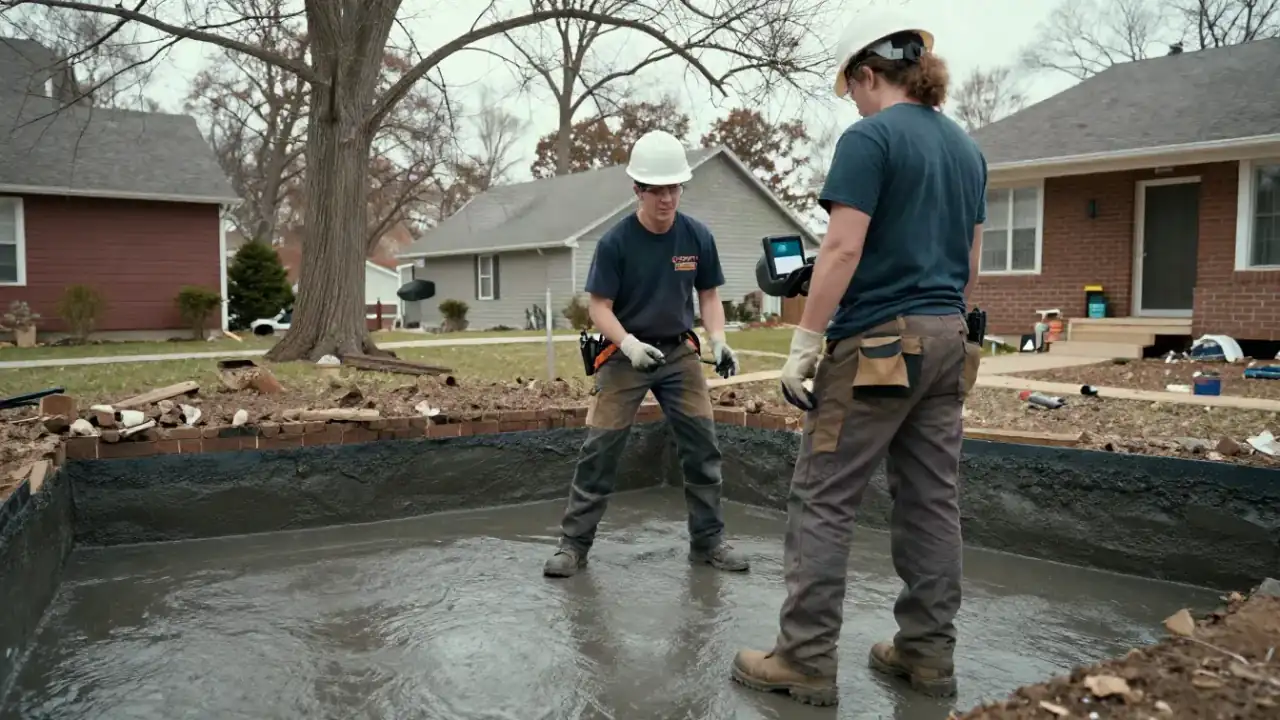
Crawl space encapsulation Warren OH helps homeowners facing damp soil, musty odors, and recurring moisture protect the space beneath their home. We inspect the crawl space, address drainage or standing water, then seal the ground and foundation walls with a properly fitted vapor barrier. If you are noticing high humidity, visible condensation, or a persistent earthy smell, our team explains the repair steps and options for your Warren, Ohio property.
 Ground moisture checkSeam sealingDrainage review
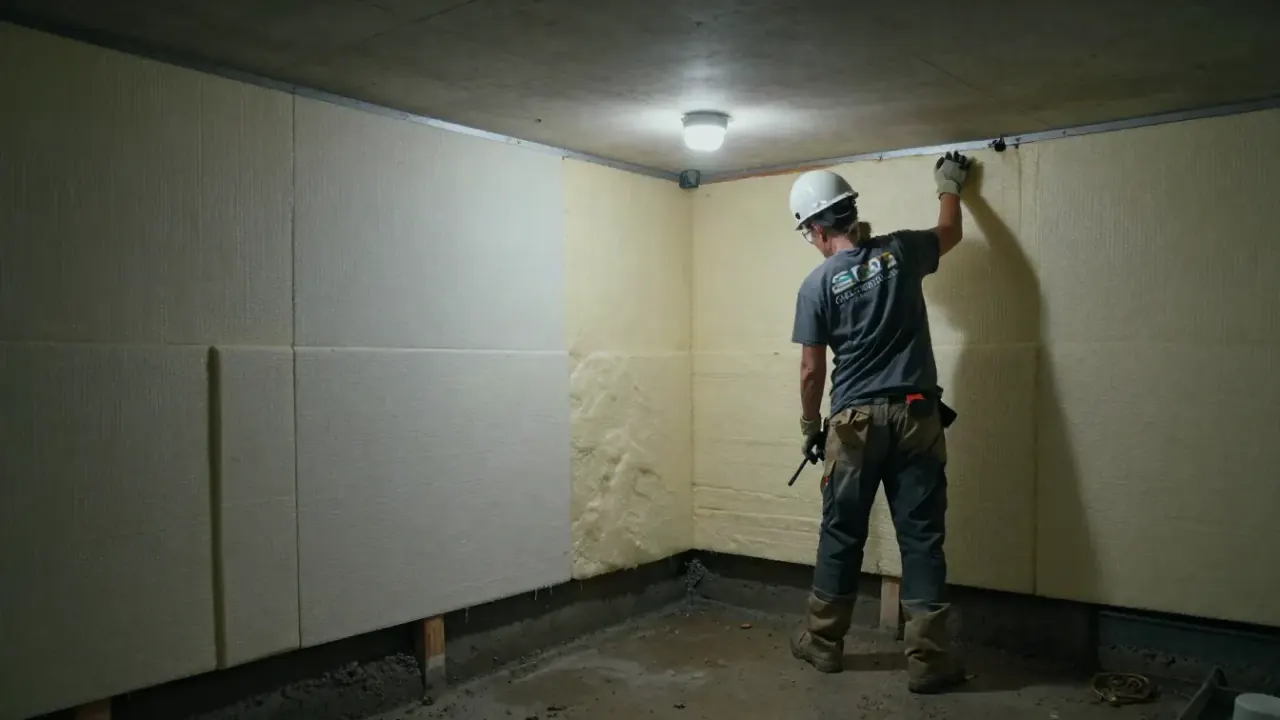
A complete project begins with inspection and preparation, then covers the exposed soil with a fitted vapor barrier and seals seams and appropriate edges. The exact work depends on water entry, access, and the condition of the space. Drainage corrections, sump pump work, framing repairs, and dehumidification are added when the inspection shows they are needed; we explain those items as separate parts of the plan.
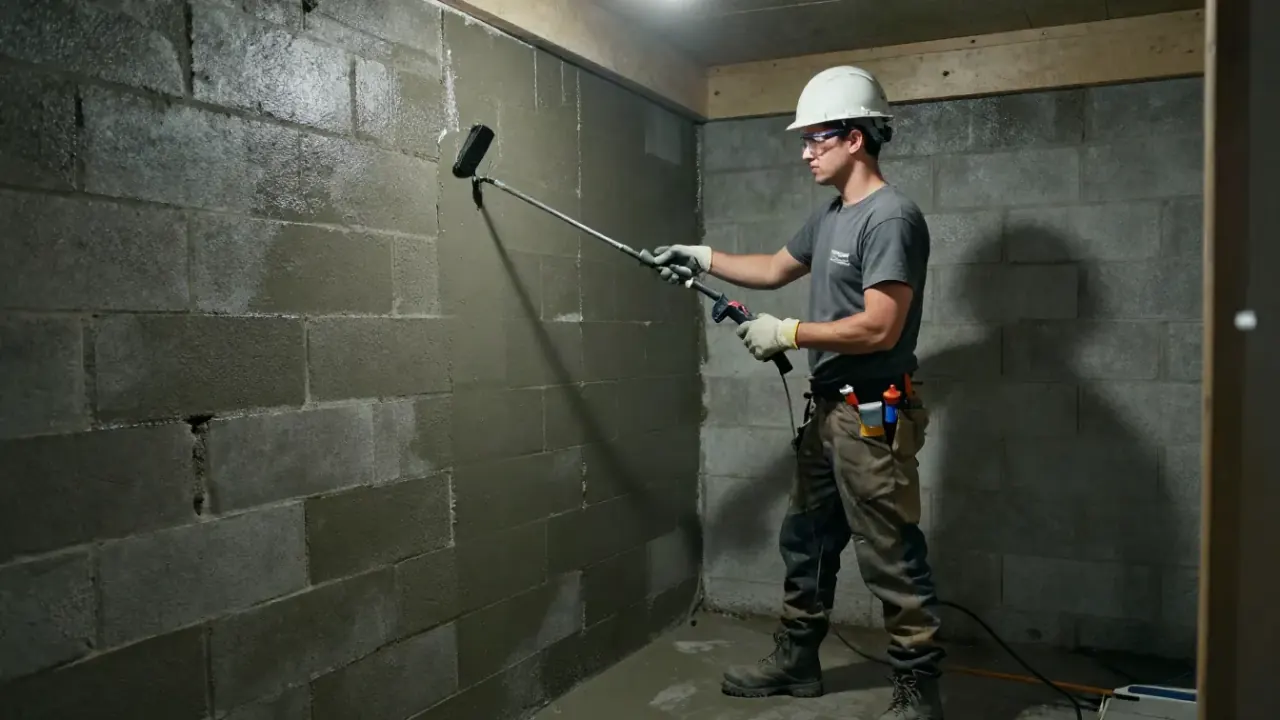
We review ground conditions, walls, framing, pipes, existing drainage, and access restrictions before choosing a layout. This inspection helps identify standing water and sources that must be corrected before the vapor barrier is installed.
Loose debris and sharp material are cleared or addressed so the liner has a suitable surface. We identify protrusions and protect accessible components, reducing puncture risks and keeping service areas usable.
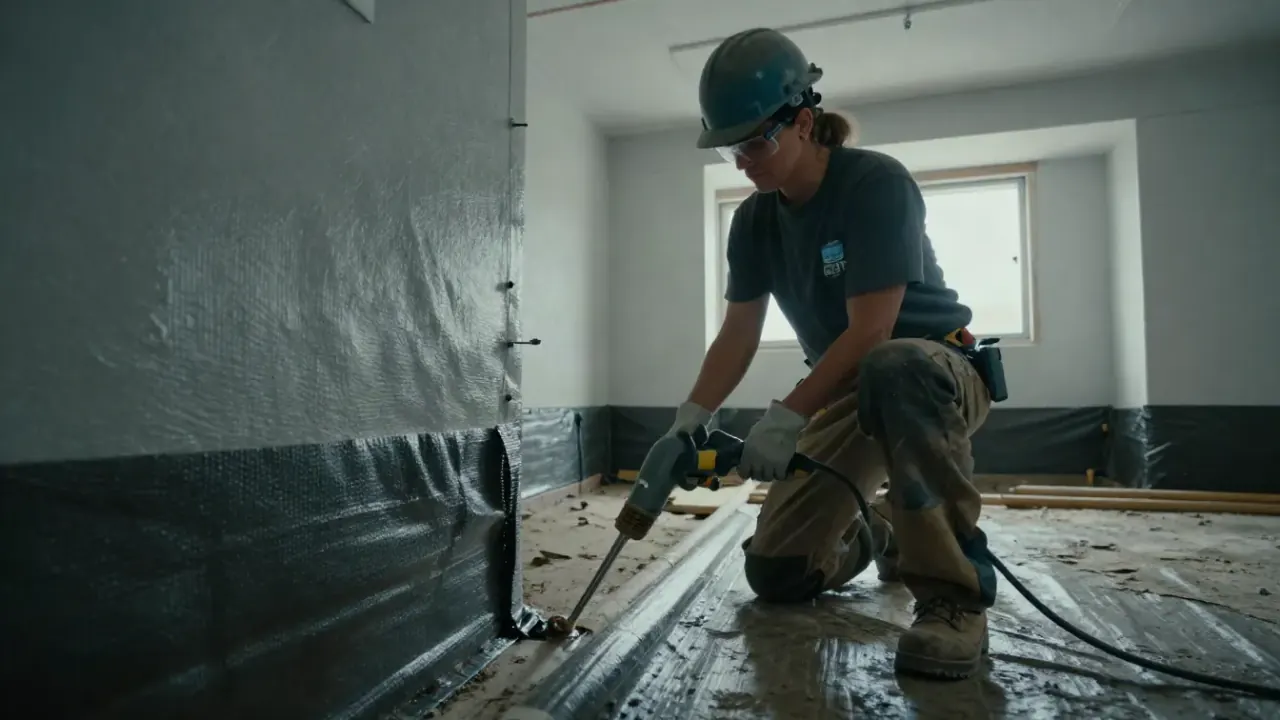
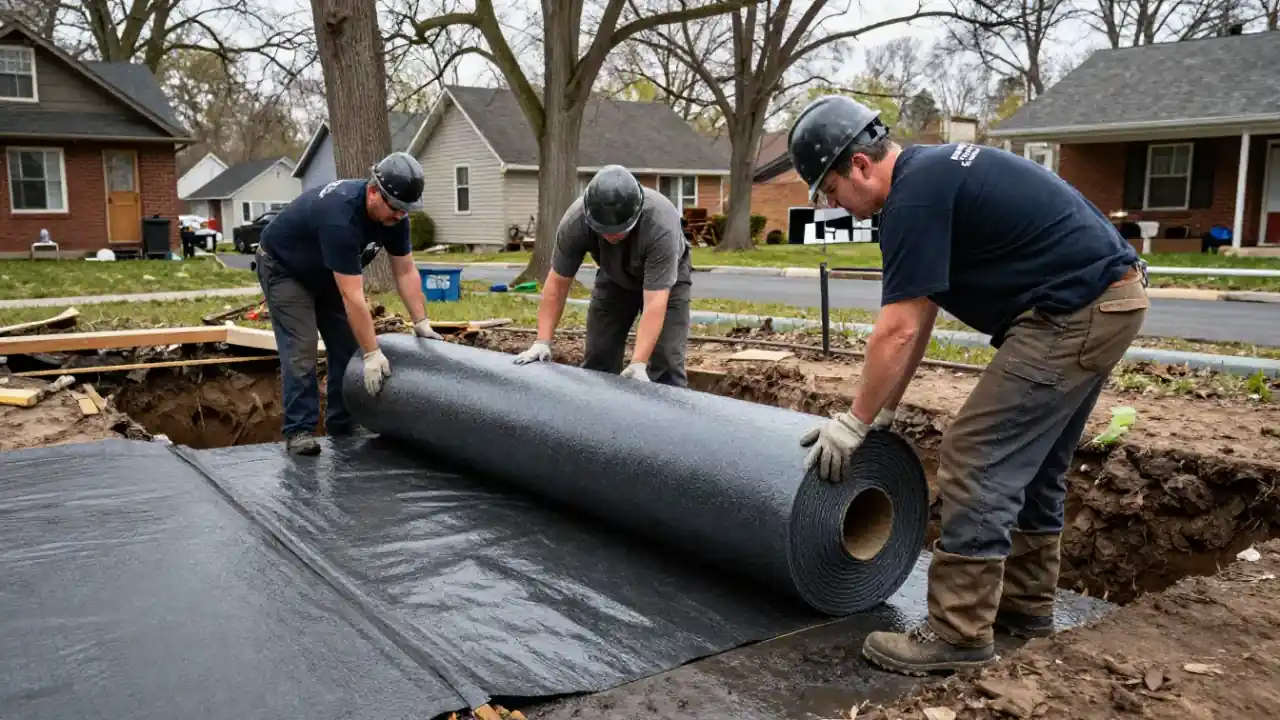
We fit the specified polyethylene liner across the ground, overlap and seal seams, and work around piers and penetrations. Wall coverage and attachment details depend on the layout and agreed installation plan.
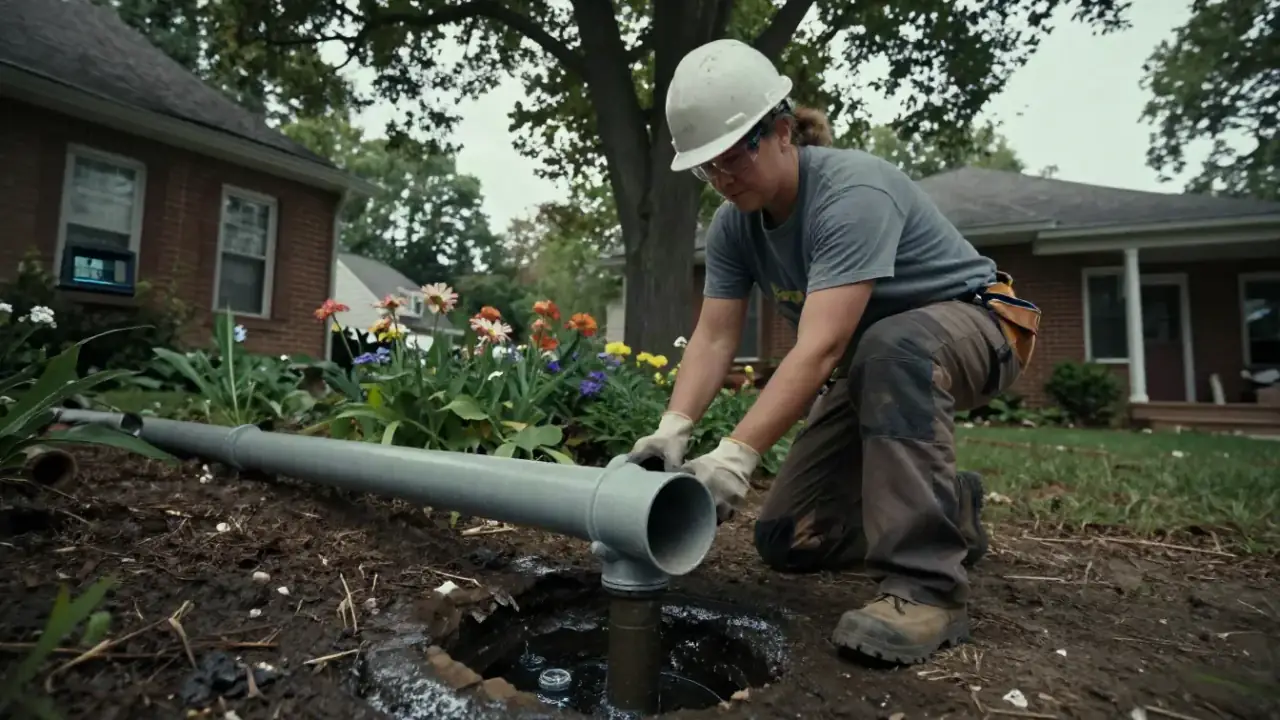
If water is actively entering or collecting, we identify the drainage work needed before sealing the space. Depending on the conditions, that may involve discharge corrections, drain tile, or a sump basin and pump.
We keep pump, dehumidifier, plumbing, and inspection areas reachable after installation. At completion, we explain the system layout and show you which components need periodic checks.
The approach is the same for a home and a business. What changes is the access, the schedule and who needs the paperwork.
Damp soil and musty odors can affect rooms above the crawl space. We inspect moisture sources and explain which repairs fit your home's layout.
A damp crawl space can complicate maintenance in rental and commercial buildings. We review access, equipment, and drainage with owners or managers.
A plain-language look at what Crawl Space Encapsulation involves and when it is needed.
See how it worksCrawl space encapsulation Warren OH is a moisture-control system that seals exposed soil and crawl space surfaces to reduce ground vapor entering a home. We begin by checking for active leaks, standing water, damaged framing, and existing drainage problems; a liner cannot correct those conditions by itself. After the space is cleared and prepared, we fit a reinforced vapor barrier across the ground and seal its edges and seams. Depending on the inspection, wall coverage, drainage improvements, and a crawl space dehumidifier may also be part of the plan.
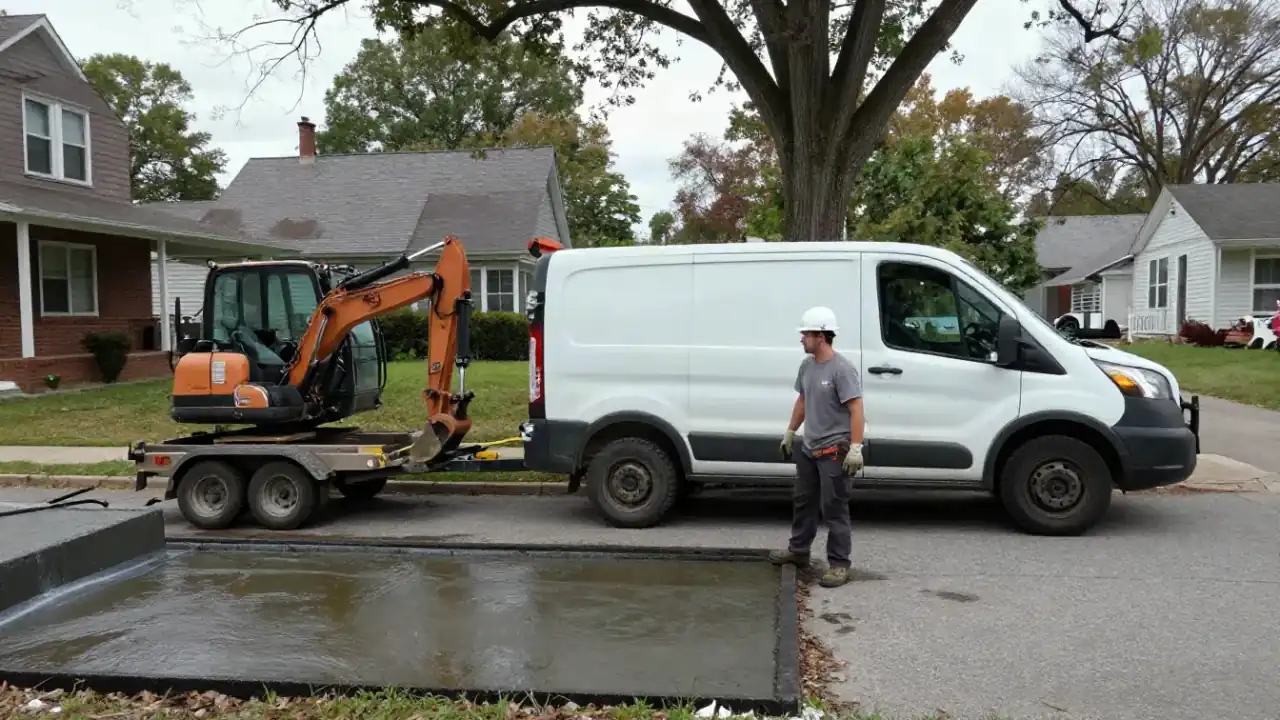
Warren's freeze-thaw cycles, wet spring periods, and humid summers can expose weak drainage around older foundations and crawl spaces. Homes in Trumbull County may also have downspouts that discharge too close to the foundation or yard grading that sends rain toward the house. We check these sources before recommending crawl space liner installation Warren homeowners can rely on for a defined moisture-control approach. If you are comparing crawl space encapsulation cost Warren OH, the size, access, water entry, and required repairs all affect the final scope.
A sealed ground barrier reduces soil vapor after active water entry is addressed.
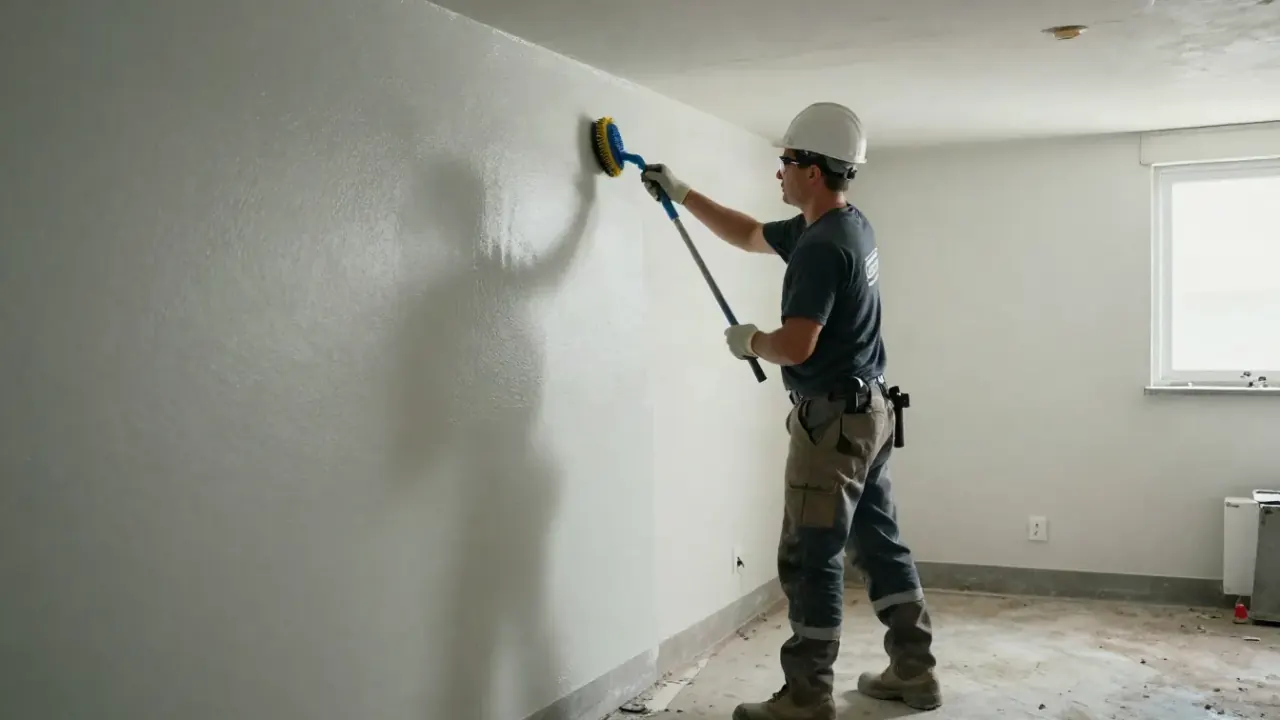
Crawl space encapsulation in Warren follows a clear sequence: inspect first, correct water sources, prepare surfaces, install the liner, and check the finished system. A straightforward project often takes 2 to 4 working days; severe water entry, restricted access, or repairs can extend the schedule. We explain each stage before work starts.
We enter the crawl space, measure accessible areas, and check the soil, walls, framing, vents, and existing drainage. A moisture meter helps identify damp materials, while visual inspection looks for seepage, mold-like growth, plumbing leaks, and damaged wood. You receive a practical explanation of what is causing the conditions and which parts of the space need work.
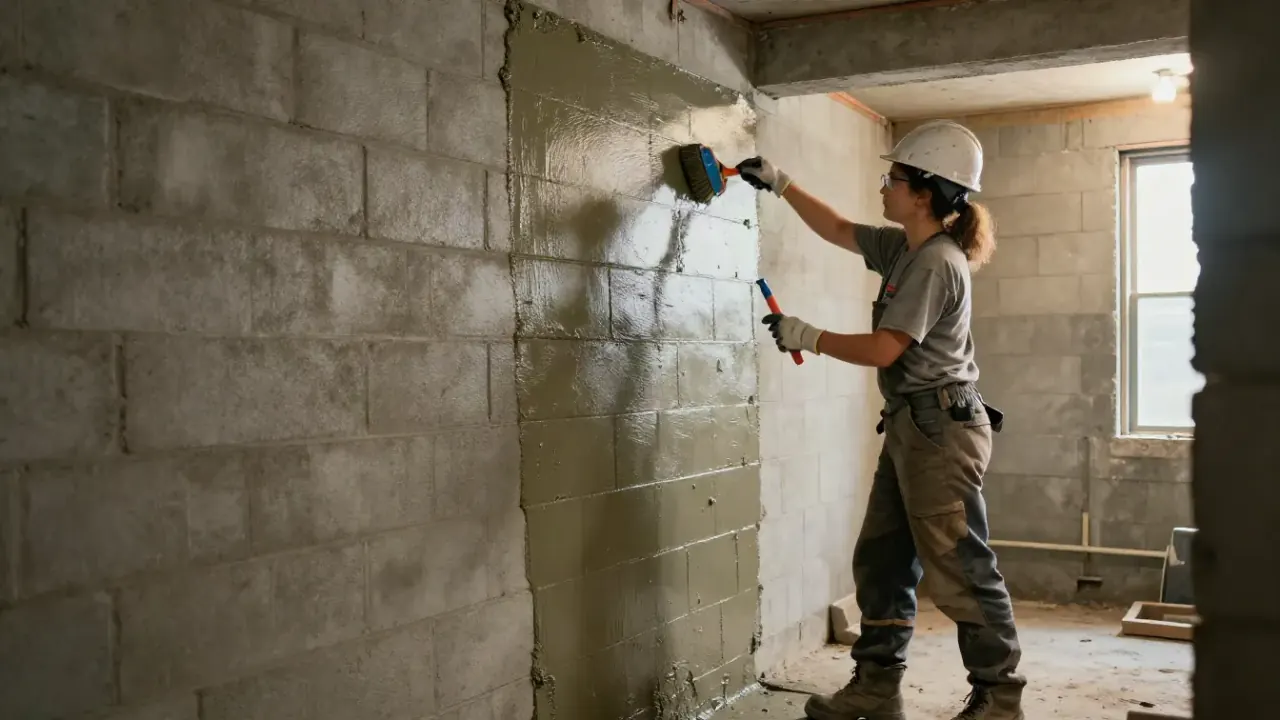
Before installing a liner, we address active water entry and standing water rather than trapping moisture underneath the new barrier. We review downspout discharge, grading, plumbing, and existing drain paths; when needed, we discuss drainage improvements or a sump pump. Work in this phase can take several hours to a full day, depending on what the inspection finds.
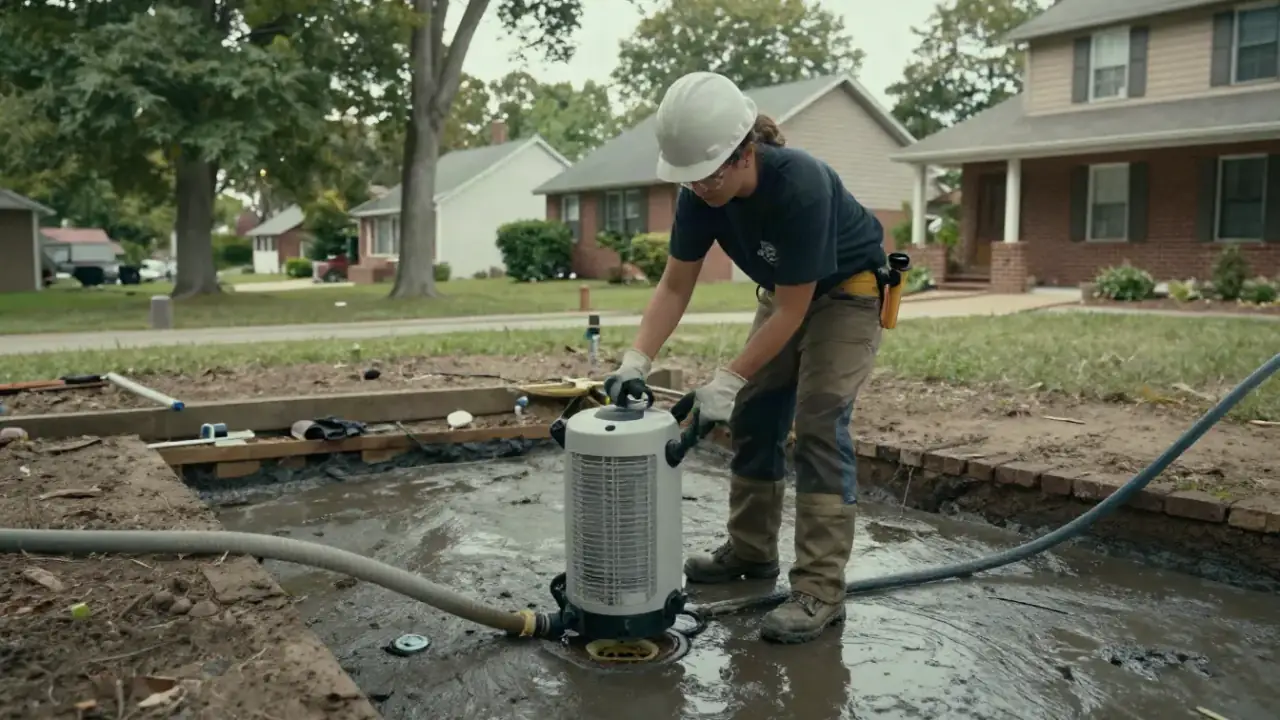
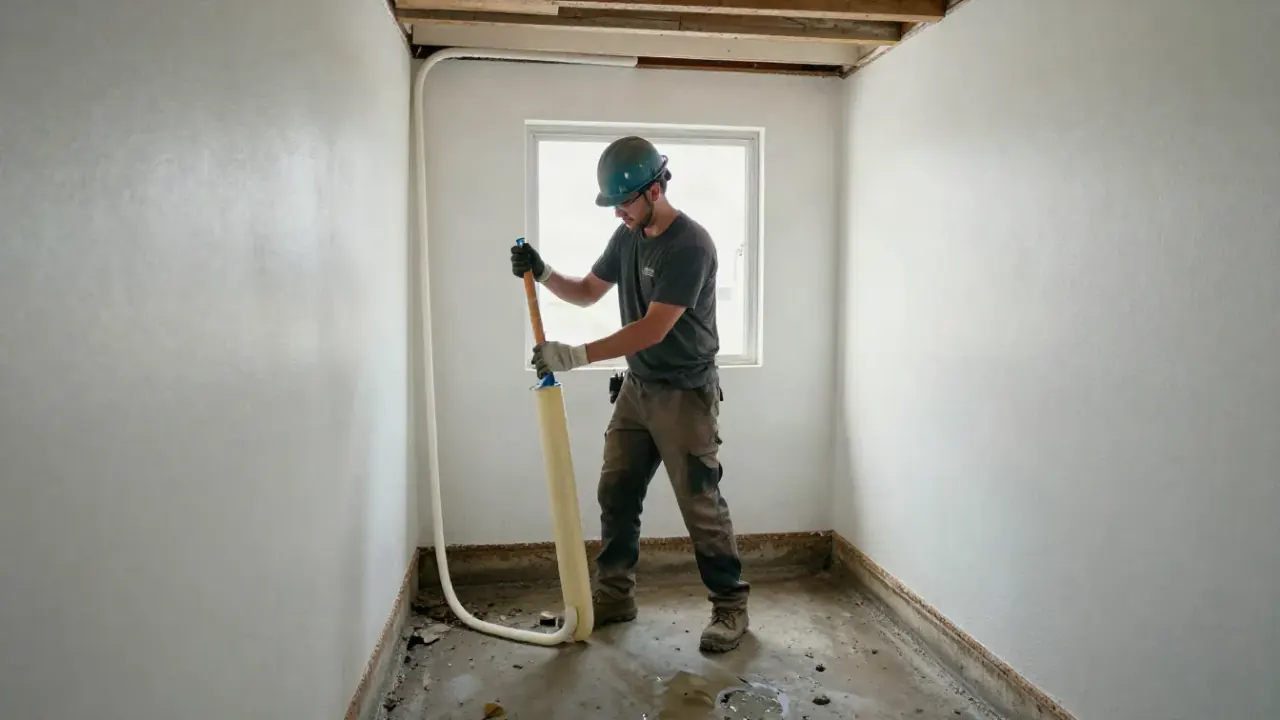
Our crew removes loose debris and prepares the ground so the vapor barrier can sit with fewer puncture risks. We identify sharp rubble, protrusions, and access obstacles, then protect components that must remain serviceable. If a wet/dry vacuum is needed for residual water, we use it before installation and allow wet surfaces to dry as the job conditions require.
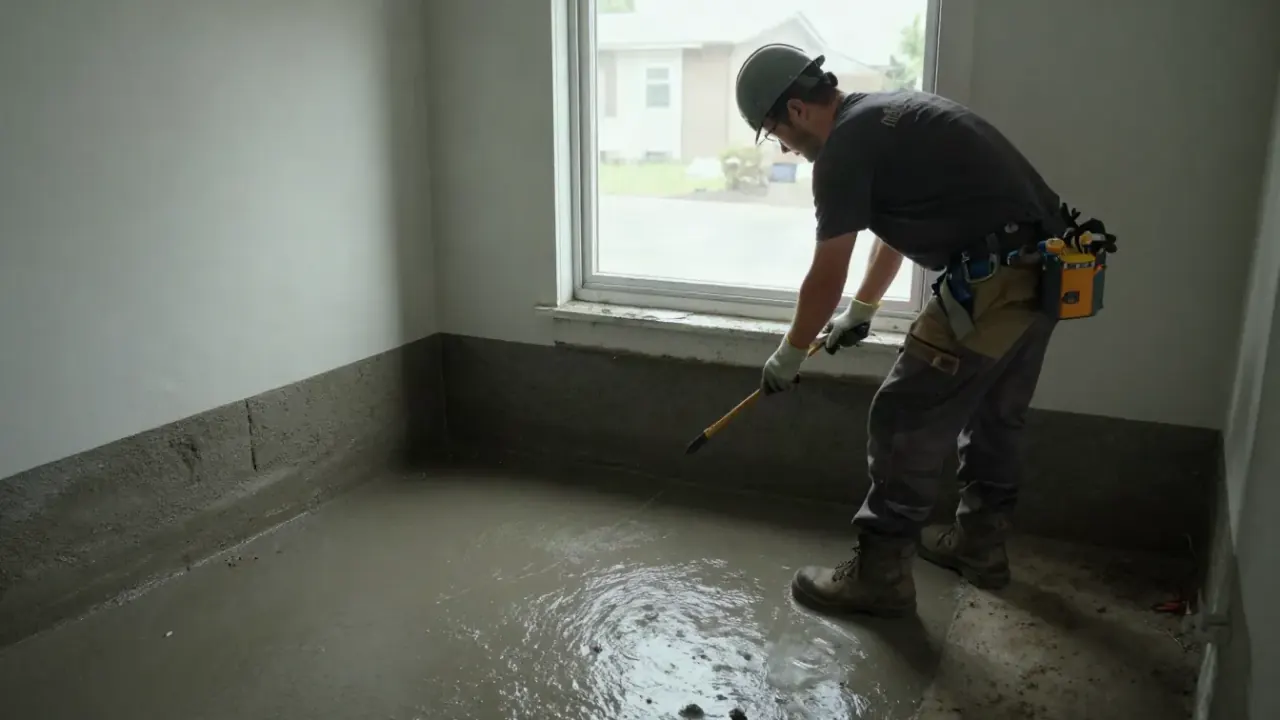
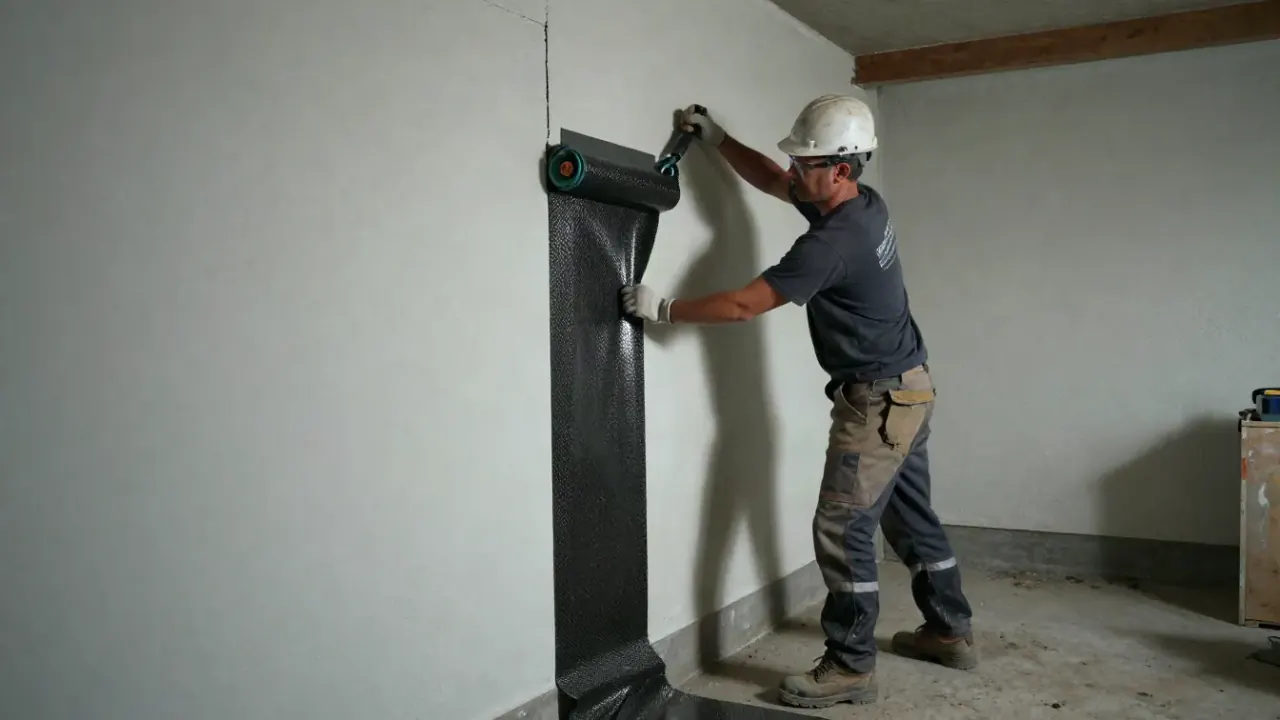
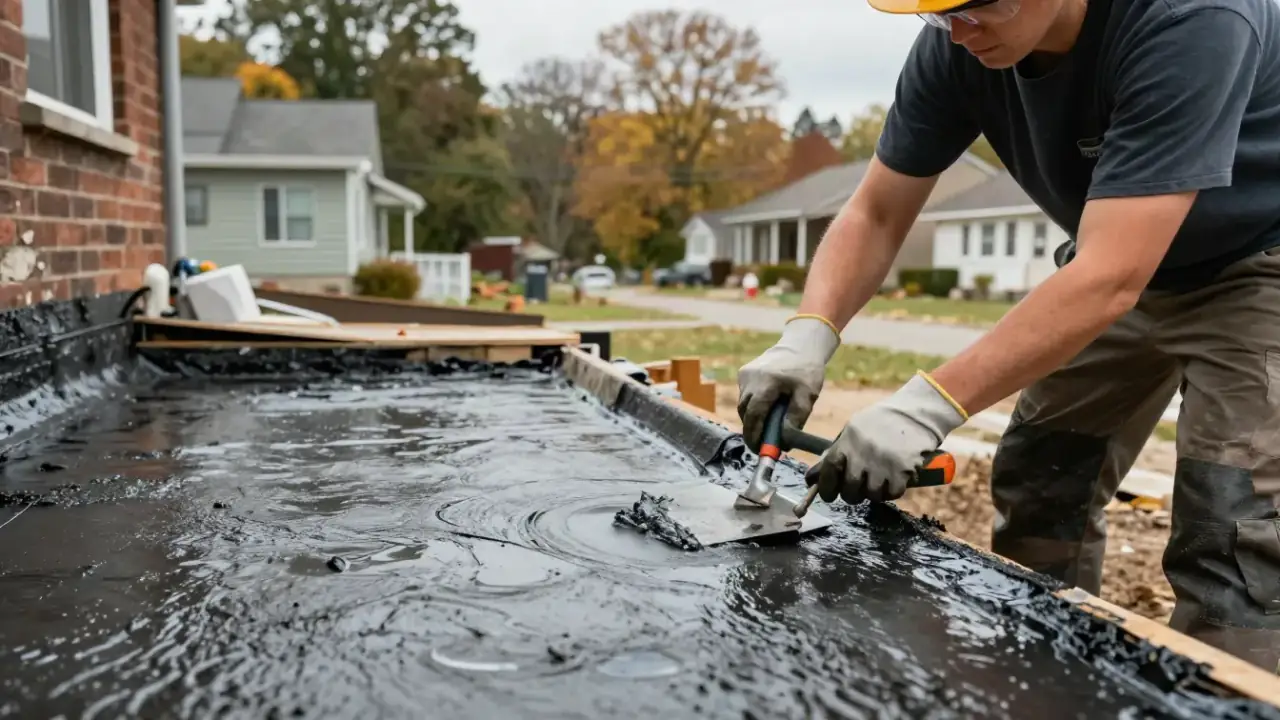
We roll out the specified polyethylene barrier, overlap the seams, and seal them with compatible tape or fastening methods. The liner is fitted around piers and penetrations, with wall coverage secured where included in the design. Our crew checks that access to plumbing, electrical components, and drainage equipment remains usable after installation.
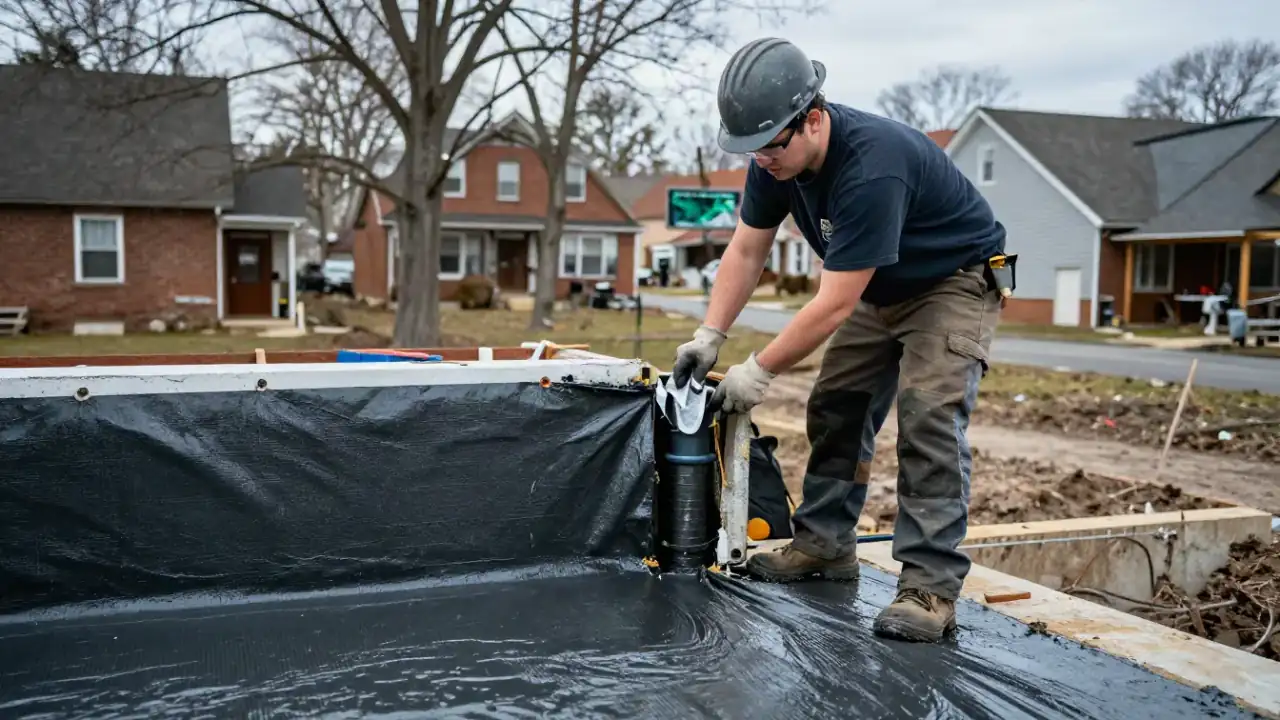
At completion, we inspect seams, edges, penetrations, and equipment access, then walk you through what was installed. If the design includes a sump pump or dehumidifier, we review its operation and maintenance points. The work area is cleared, and we explain what to check after heavy rain, during seasonal humidity, and at routine service intervals.
Move across a circle, or focus it and press Enter, for an illustrative thermal view of the photograph.
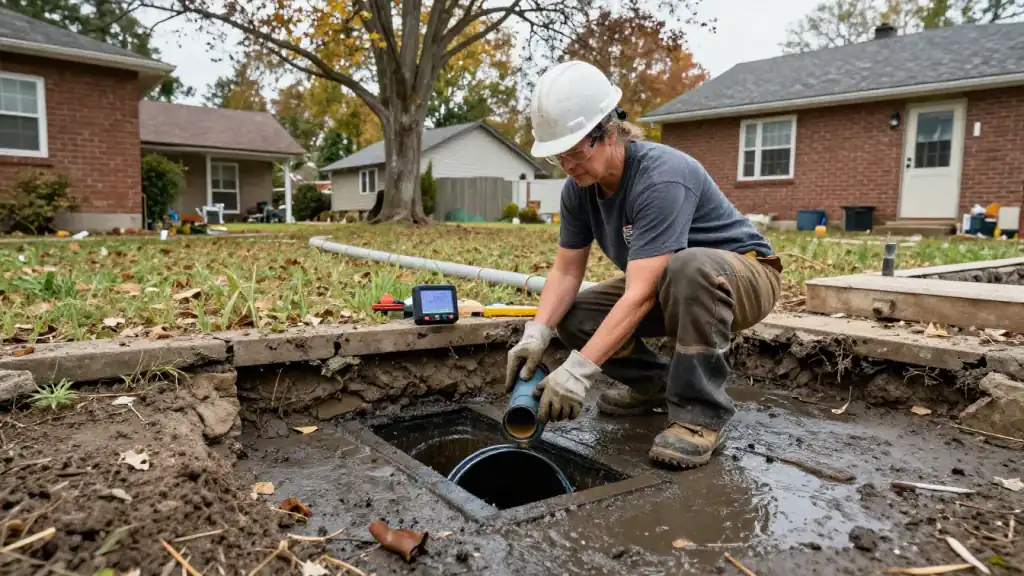
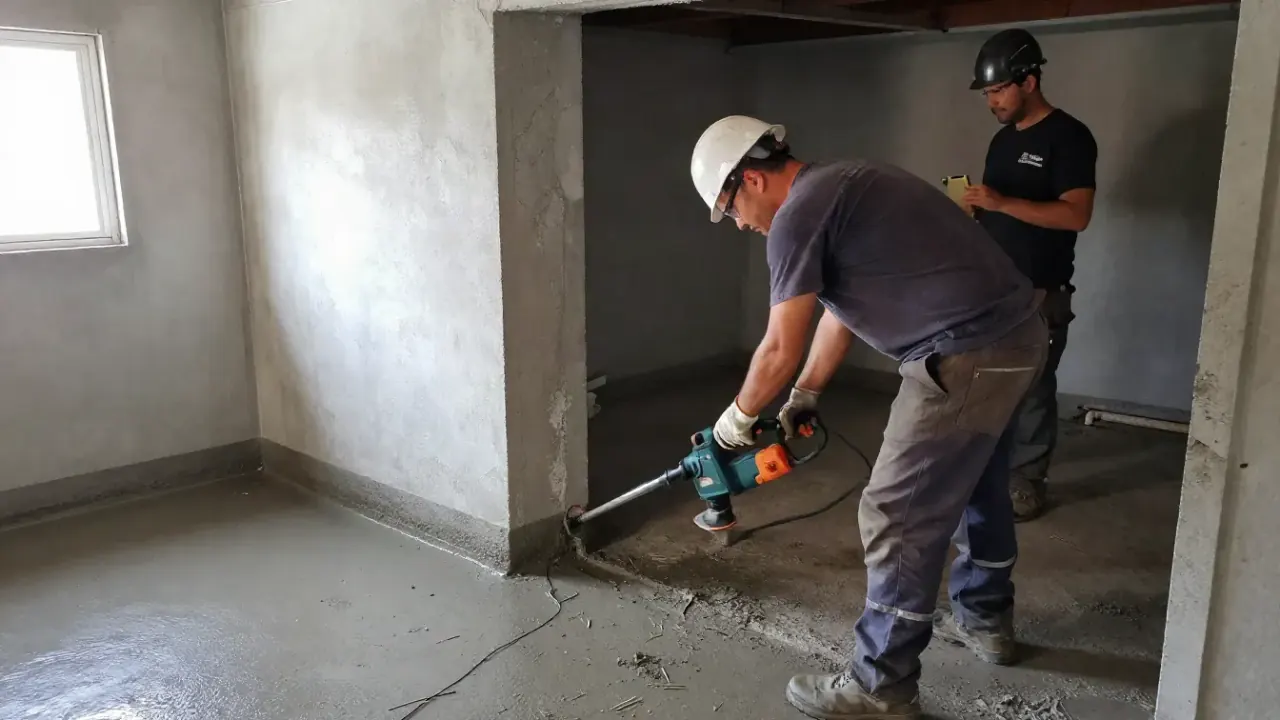
We use a moisture meter to compare readings in accessible wood and building materials, helping locate damp areas that need attention before the liner covers the ground.
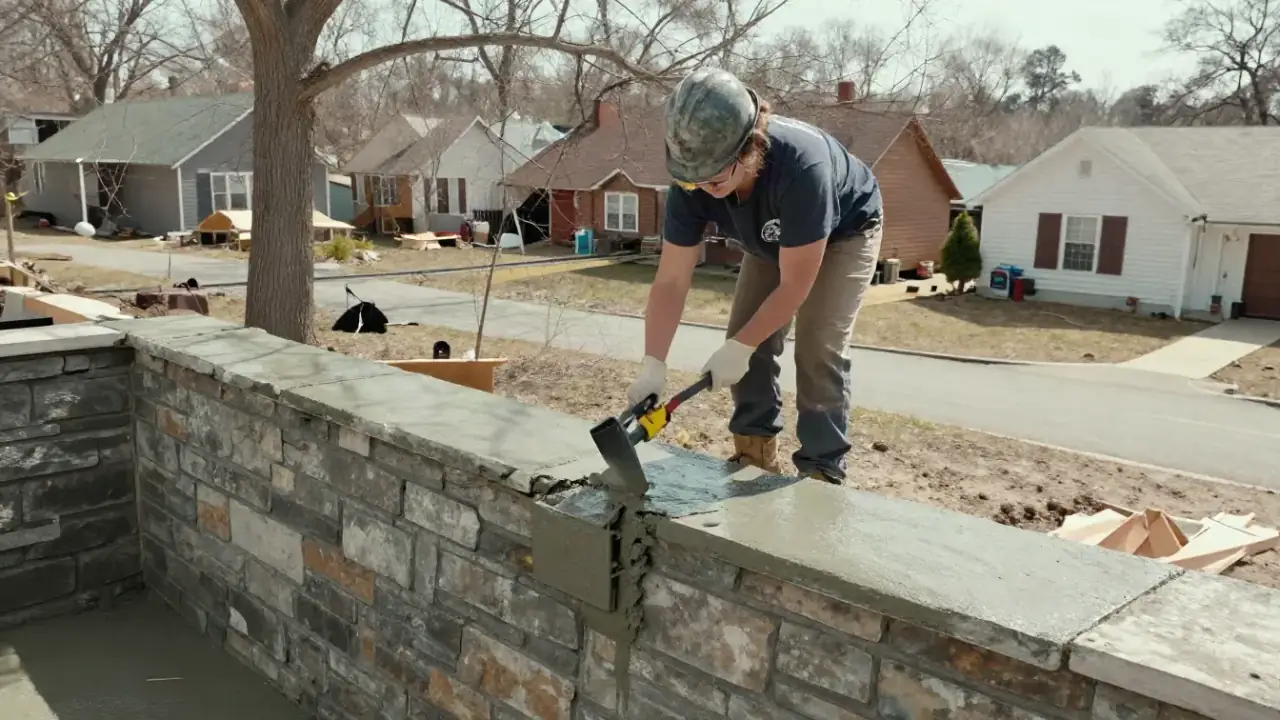
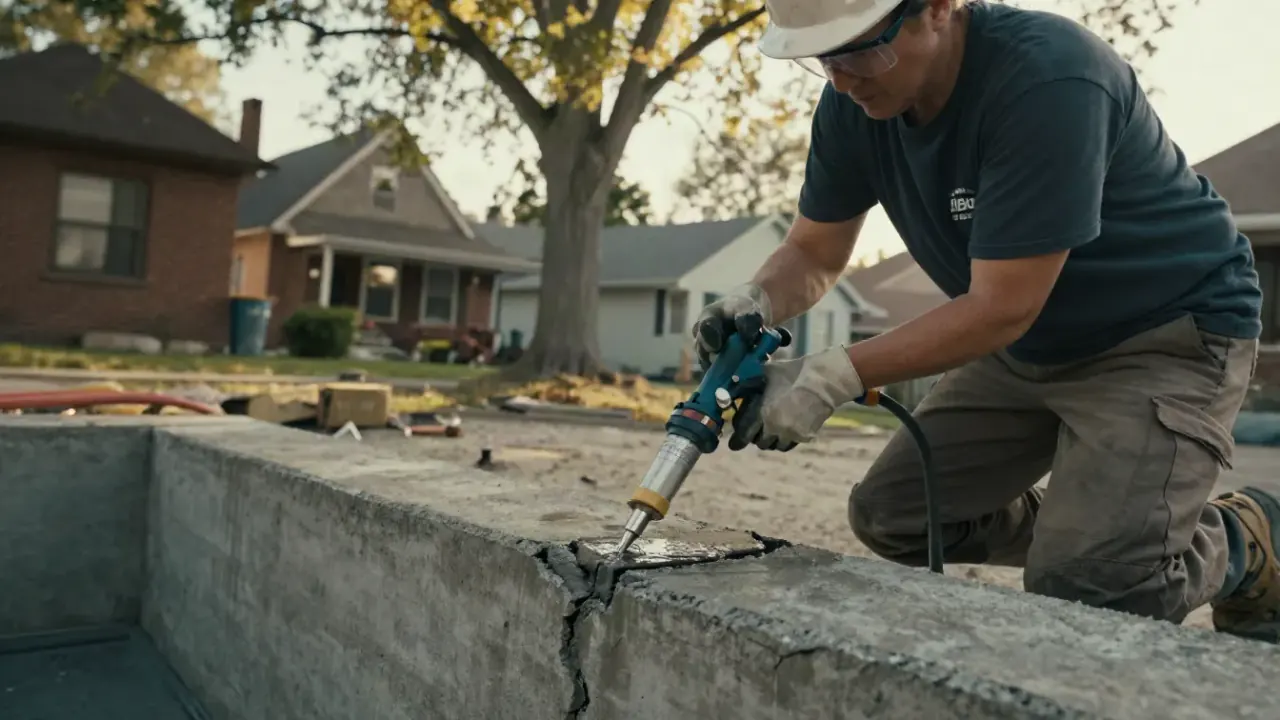
This reinforced sheet material covers exposed soil. We overlap seams and seal transitions to create a continuous barrier suited to the crawl space layout.
When the inspection supports mechanical humidity control, we place a crawl space dehumidifier with clear access for maintenance and review its drain and operating controls with you.
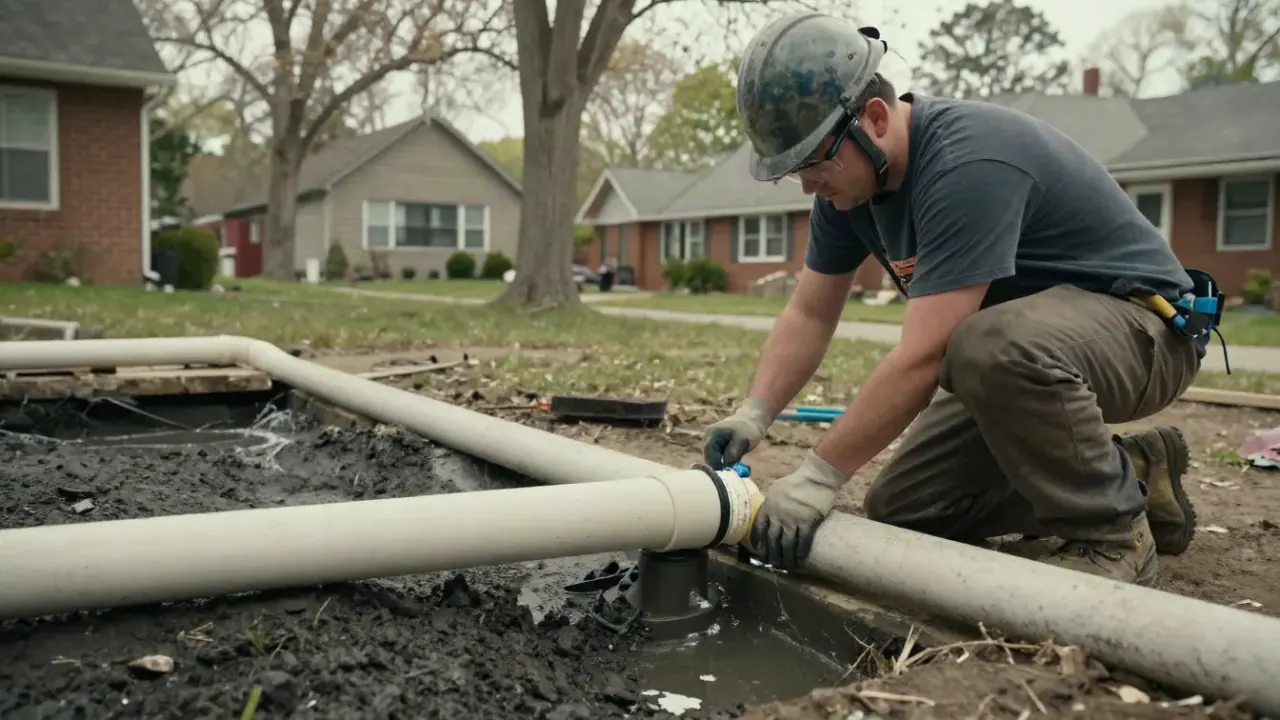
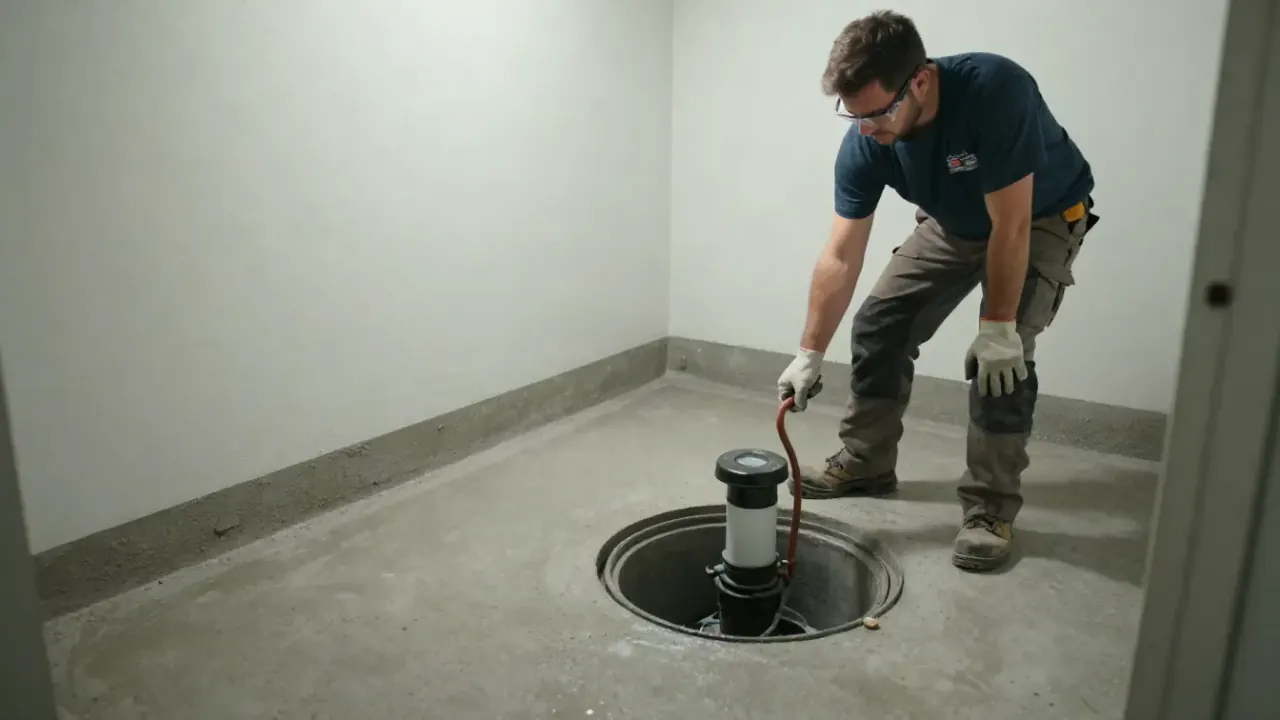
A submersible sump pump moves collected water from a basin through a discharge pipe. We check its position and operation before completing liner work around the system.
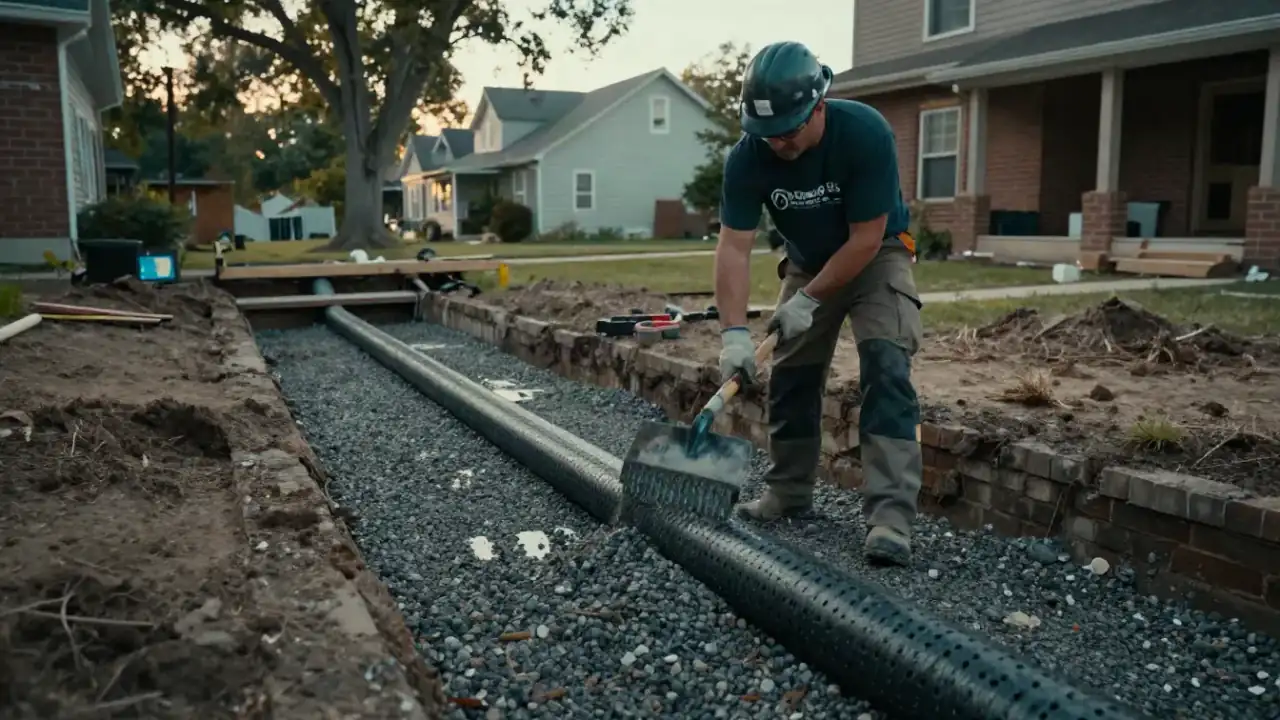
Perforated drain tile collects and routes water where a drainage design calls for it. We coordinate its placement and outlet with the site conditions rather than relying on a vapor barrier to manage liquid water.
Thermal views are illustrative, generated from the photographs.
We locate active water entry before installing a liner. That means checking downspouts, grading, plumbing, seepage, and drainage equipment. If water remains, we correct the source or plan water management first, then seal the ground vapor pathway so the barrier is not covering an unresolved problem.
We plan coverage around the crawl space geometry, then fit the liner across soil and seal overlapped seams and transitions. Piers, pipes, and access points require careful cuts and secure edges. The finished layout is checked for punctures and loose sections, with key mechanical components left accessible.
Where humidity control is part of the project, we select a suitable dehumidifier location and review drainage, power access, and maintenance clearance. We also check pump components and explain how the equipment works with the sealed ground barrier. You leave knowing which items need routine attention.
We plan the work to maintain access to utilities and comply with applicable Ohio Residential Building Code requirements. Conditions differ between homes, so the crew checks the crawl space layout and addresses safe access, penetrations, and equipment clearances before closing out the installation.
A Warren homeowner finds damp soil and a musty odor each spring after snowmelt and prolonged rain.
We inspect for seepage and check whether yard grading or downspouts direct water toward the foundation. Once active water is managed, we install and seal the barrier across exposed soil, then review whether humidity control is appropriate for the space.
Outcome: The crawl space has a defined ground-vapor barrier, and the homeowner knows which drainage points and equipment to check after wet weather.
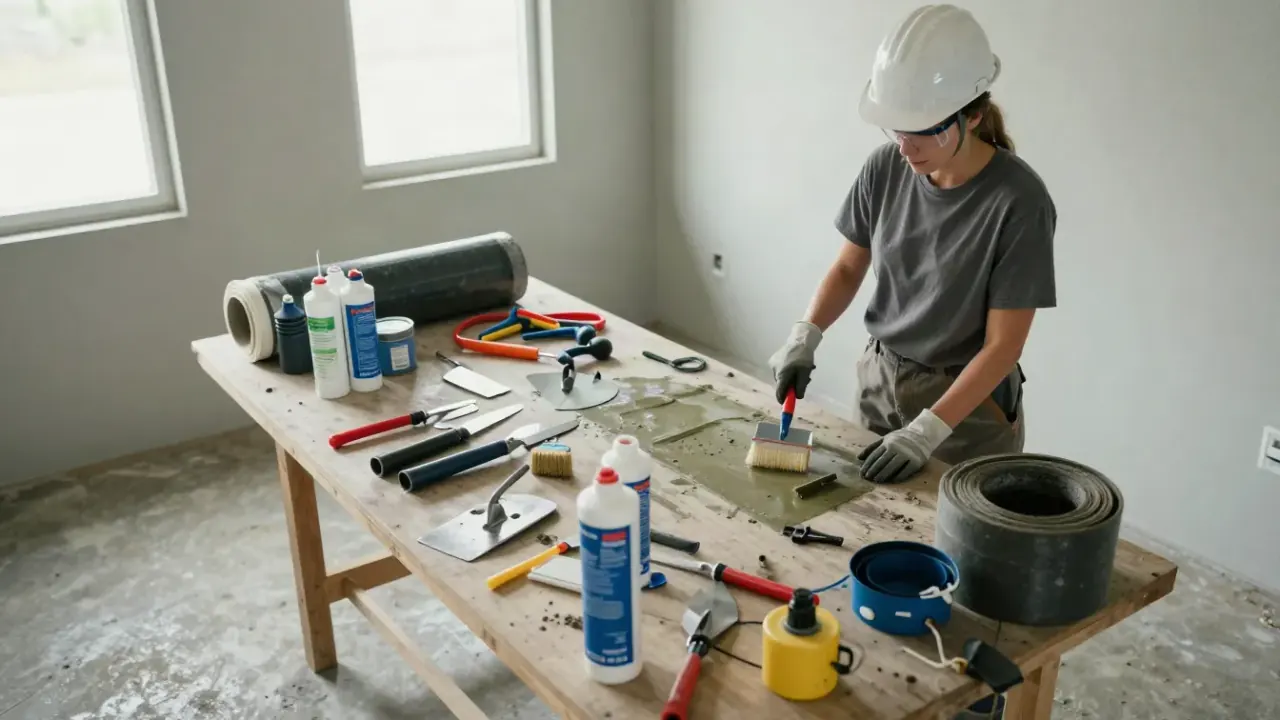
A crawl space in Howland Center has visible condensation and damp floor framing during humid summer weather.
We measure moisture, look for plumbing leaks, and inspect soil coverage and airflow paths. The plan may combine a sealed liner with a dehumidifier, while preserving access to the framing and service equipment.
Outcome: Ground vapor is reduced, humidity has a management plan, and the homeowner can reach key components for routine inspection.
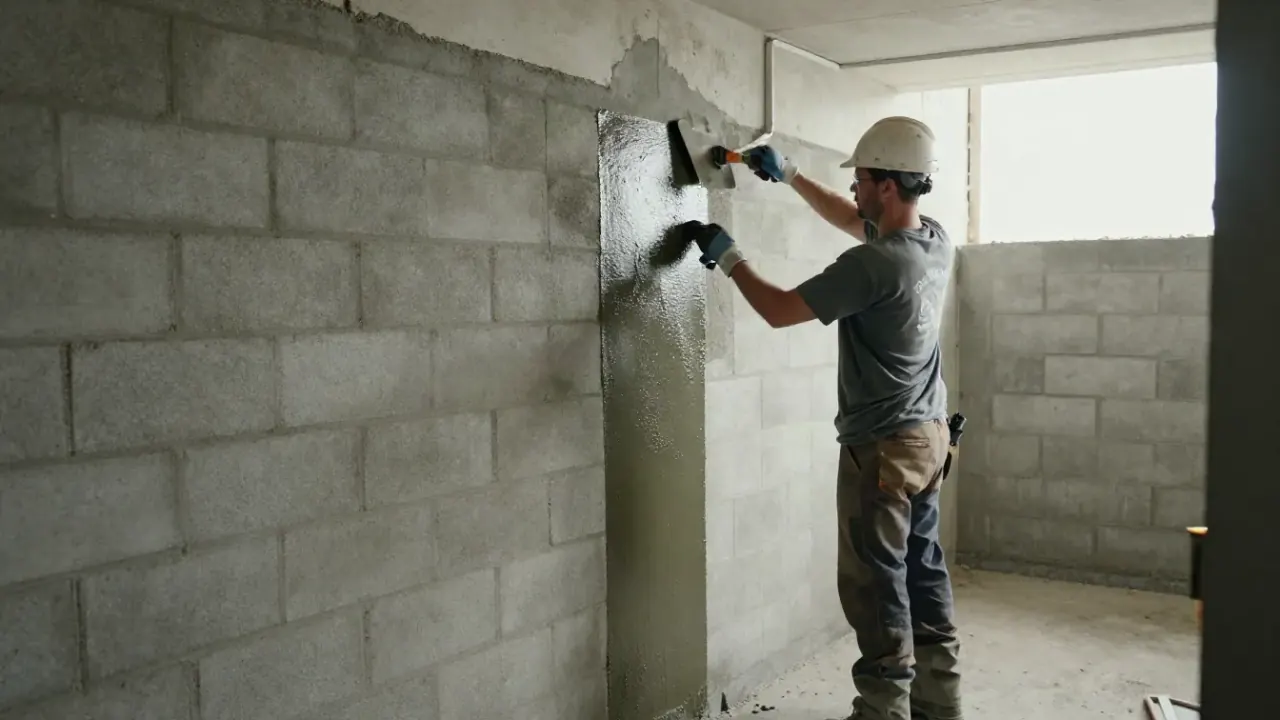
A Warren property has a sump pump but water still collects near the crawl space entrance.
We check the pump, basin, discharge pipe, and water route to find why the area stays wet. We correct the drainage issue before installing the liner, then test pump operation and make sure the finished barrier does not block access.
Outcome: Water management and the vapor barrier work as separate parts of one coordinated plan, reducing the risk of sealing over an unresolved problem.
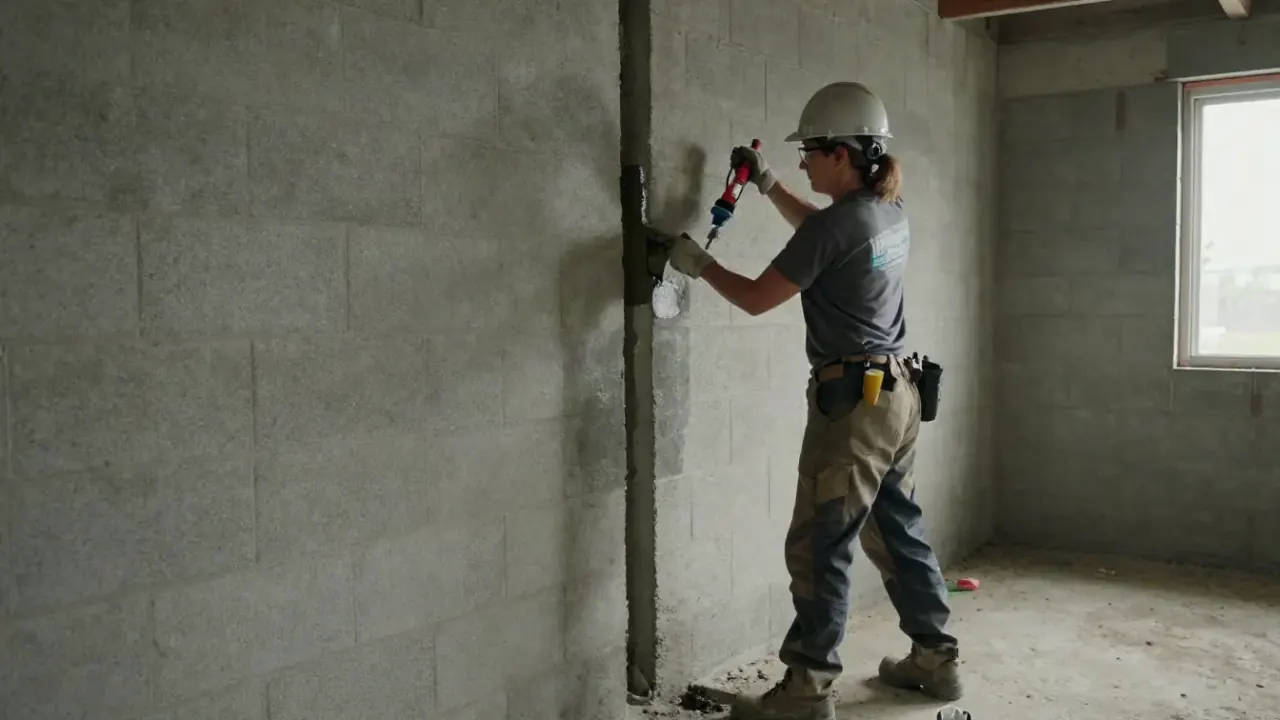
A homeowner preparing to finish nearby rooms discovers loose, torn plastic and exposed soil beneath the house.
We assess the existing liner and inspect for hidden water, damaged seams, and puncture hazards. After clearing and preparing the ground, we install a continuous barrier, seal transitions, and identify any moisture conditions that require additional repair.
Outcome: The crawl space receives a maintainable liner layout, with seams and access points easy to inspect before further home improvements.
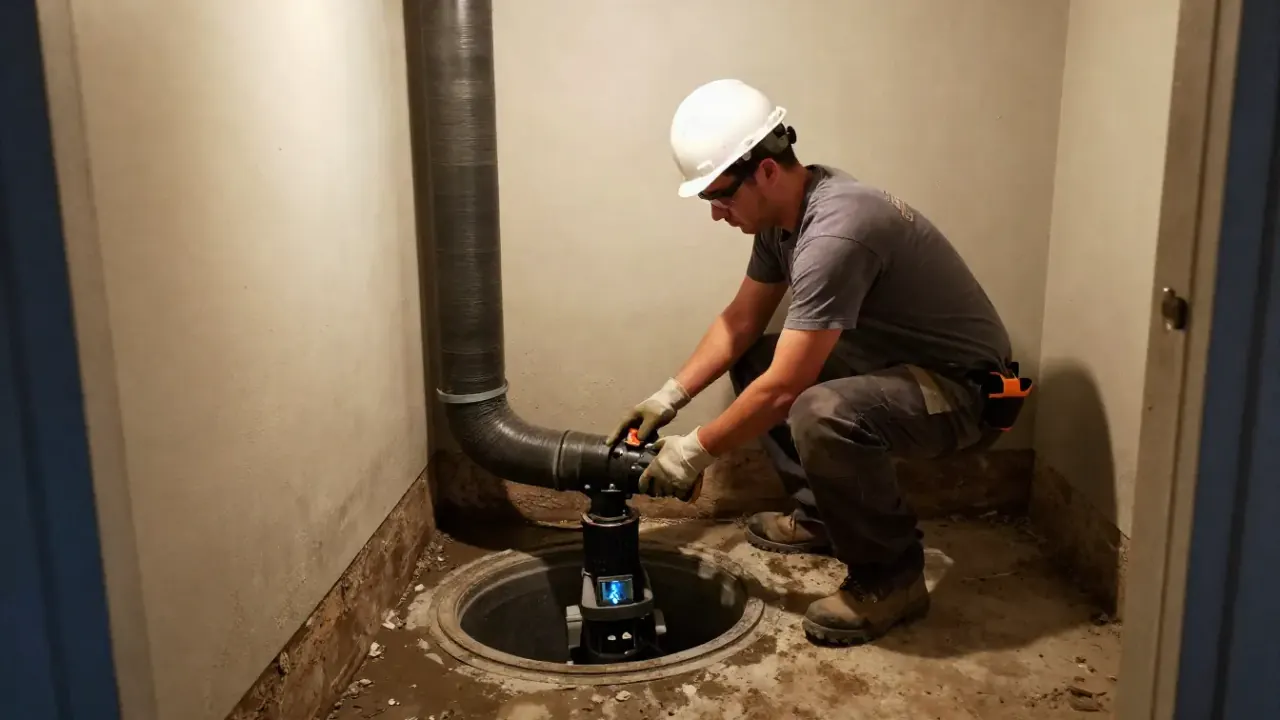
Warren's cold winters, freeze-thaw cycles, and wet spring weather put crawl space drainage to the test. Older homes may have shallow access, irregular foundation walls, or downspouts that empty close to the structure. We inspect each condition rather than assuming the liner alone will solve a water problem.
For crawl space encapsulation in Warren, Ohio, our team checks the soil, wall edges, framing, pump, and exterior runoff before choosing a barrier layout. When homeowners ask about crawl space encapsulation vs waterproofing in Warren OH, we explain the distinction: encapsulation limits ground vapor, while drainage and waterproofing measures manage liquid water entry.
Work is planned to preserve access to plumbing and mechanical equipment and follow applicable Ohio Residential Building Code requirements. We serve addresses in Warren ZIP codes 44483, 44484, and 44485, along with nearby communities. After installation, we walk you through seams, equipment, and the points to inspect after heavy rain or seasonal humidity.
Before: The homeowner noticed a musty odor after heavy rain and found damp soil under the living room. The old ground plastic had gaps around two support piers, and a downspout released water near the foundation. No one had checked the pump or drainage route, so it was unclear whether a liner would solve the underlying problem.
After: We corrected the runoff route, inspected the pump, and installed a continuous barrier across the accessible soil. Seams were overlapped and sealed, and the liner was fitted around the piers. The homeowner now has a clear inspection path and a checklist for checking the space after rainfall.
Inspect the liner and seams twice a year and after major storms. Keep the sump area clear, check that the discharge route remains open, and report new standing water or a persistent odor before covering or storing items in the space.
Before: A Warren homeowner saw condensation under the floor during humid summer weeks and felt the rooms above were uncomfortable. The crawl space had exposed soil, limited drainage, and no humidity measurement. A few stored items had become damp, but the owner did not know whether the cause was a plumbing leak or ground vapor.
After: We checked the plumbing, measured moisture in accessible framing, and confirmed exposed soil as a major vapor pathway. After preparing the ground, we installed a sealed polyethylene barrier and positioned a dehumidifier with service clearance. The owner received a straightforward explanation of the controls and maintenance points.
Check the dehumidifier filter and drain according to its manufacturer instructions, and look over the barrier for punctures during seasonal inspections. Keep service access open and call for an inspection if condensation returns or new leaks appear.
Before: After snowmelt, water collected near the crawl space entrance and dampened the surrounding soil. The pump ran intermittently, but its discharge pipe ended close to the home. The existing liner was torn in several places, making it difficult to tell whether water was rising from the ground or entering from outside.
After: We traced the discharge and moved water away from the foundation as part of the repair plan, then confirmed pump operation. Once the area was prepared, we replaced the damaged liner with sealed seams and left the basin accessible. The homeowner can now inspect both the pump and barrier without removing materials.
Test the pump periodically, keep the discharge outlet clear, and inspect the entrance after spring thaw and heavy rain. Do not place sharp tools or heavy stored items on the liner, since punctures can interrupt the sealed ground coverage.
Ground vapor, musty odors, and damp materials often point to moisture moving through a crawl space. Encapsulation can reduce vapor from exposed soil, but the water source must be addressed first. We inspect the conditions in Warren and explain which repairs belong in the plan.
Reduce ground vapor and make crawl space conditions easier to monitor.
A continuous 20 mil polyethylene vapor barrier covers exposed soil and reduces moisture vapor moving into the crawl space. We overlap and seal seams, then secure edges where the construction allows. For crawl space encapsulation in Warren, Ohio, sealing the ground is a key step, but active seepage and plumbing leaks still need to be corrected separately.
High crawl space humidity contributes to musty odors and damp surfaces. We check relative humidity and use a crawl space dehumidifier when the conditions and design call for one. You get a system intended to keep moisture more controlled, with equipment access preserved for filter checks and service rather than buried beneath the liner.
Persistent dampness can affect floor joists, subflooring, and stored materials. Before covering the area, we inspect accessible framing for visible moisture damage and document concerns that need attention. A sealed ground barrier reduces one moisture source, helping protect wood components from ongoing ground vapor when paired with proper drainage.
Reducing dampness can make the crawl space easier to inspect and maintain through seasonal changes. We leave access points, pump components, and service areas reachable, and we explain which readings to monitor. For many homes, crawl space encapsulation Warren Ohio is a practical step toward steadier conditions beneath the living area.
Clear records you can keep and share.
Images of key areas before and after work.
Installed barrier areas and completed tasks.
Routine checks for liner and equipment.
Pump, drain, and access locations.
A liner reduces ground vapor; drainage work addresses liquid water. The inspection identifies which condition is present.
Moisture rising from exposed soil.
Water entering or collecting in the space.
Moist air affecting crawl space surfaces.
A list like this tells people straight away whether you cover their street. Not listed? Call and ask: it only takes a minute.
Based in Warren and covering the places around it. Pick one for local details.
In 2026, a small, accessible crawl space needing only a liner costs less than a space with standing water, damaged framing, or pump work. We inspect the site and explain the factors behind the price before work begins. Ask for the planned liner coverage, seam treatment, and any drainage or humidity equipment included.
A properly installed vapor barrier can serve for 15 to 25 years, depending on material, traffic, and moisture conditions. Check the liner at least once a year for punctures, loose seams, or water above the surface, and inspect it after major storms. Pumps and dehumidifiers need their own routine maintenance. We show you which areas to monitor and how to keep service access clear.
Yes, it reduces ground moisture vapor when the soil barrier is sealed and active water entry is corrected first. It will not stop a plumbing leak or groundwater pressure on its own. Our inspection identifies whether drainage, a sump pump, or downspout changes need to happen before liner installation. The result is strongest when the barrier, water management, and humidity control are designed to work together.
It can be worthwhile when damp soil, musty odors, or high humidity are recurring problems and the water source can be managed. The value depends on the condition of the framing, the size of the space, and whether drainage repairs are needed. We explain the expected moisture-control benefit and the maintenance involved, so you can compare the project with the cost of continued dampness and repeated cleanup.
Other services from the same team.
Damp soil and musty odors are easier to address after the source is identified. Call Warren Waterproofing Pros at (555) 123-4567 to arrange a crawl space inspection and discuss the right moisture-control steps for your home.
Tell us where water is showing up, how long it has been happening, and whether a sump pump or drain is involved. Call (555) 123-4567 during our weekday business hours, Monday through Friday, 8 a.m. to 6 p.m. We serve Warren, Ohio, and nearby communities, and will help you plan the right inspection for your basement or crawl space.