

Battery backup sump pump installation Warren OH

battery backup sump pump installation Warren OH gives homeowners a second line of defense when a storm cuts electricity or the primary pump fails. We install and test a battery-powered system beside your existing sump pump, then explain runtime, alarms, and routine checks. It suits homes with a history of basement flooding, frequent pump cycling, or finished spaces you cannot afford to leave unprotected through Ohio's wet, freeze-prone seasons.

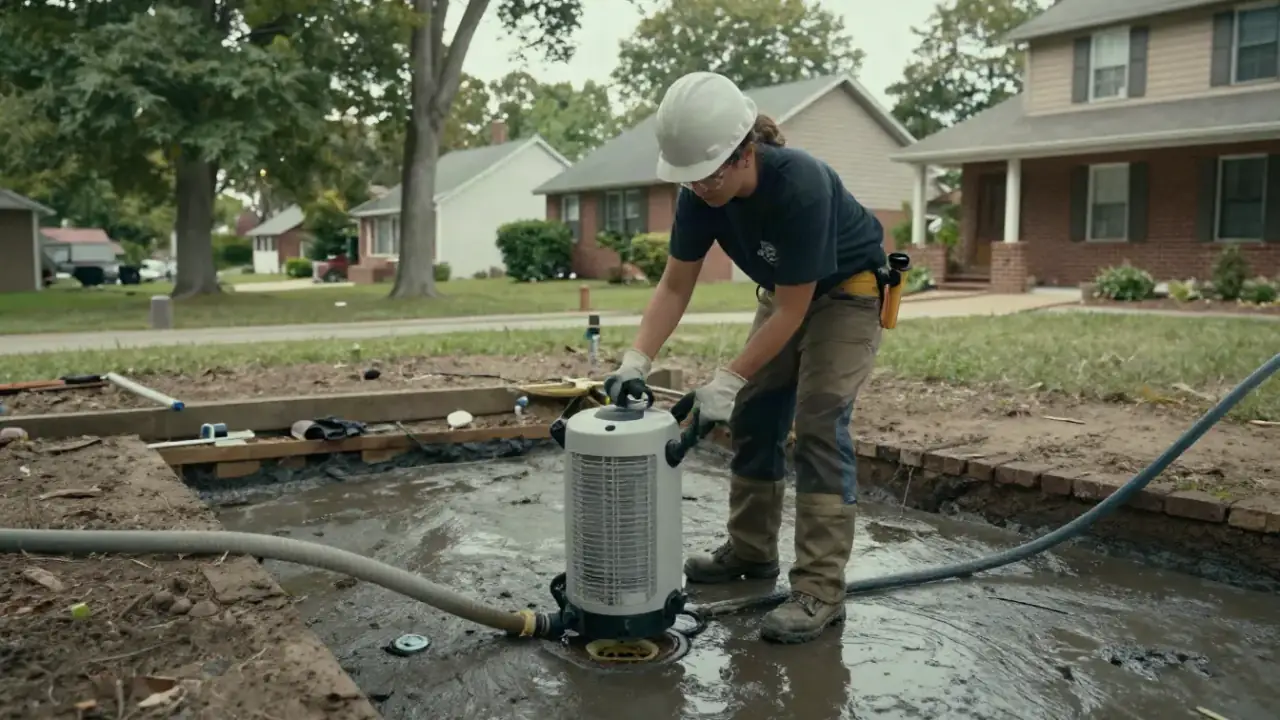
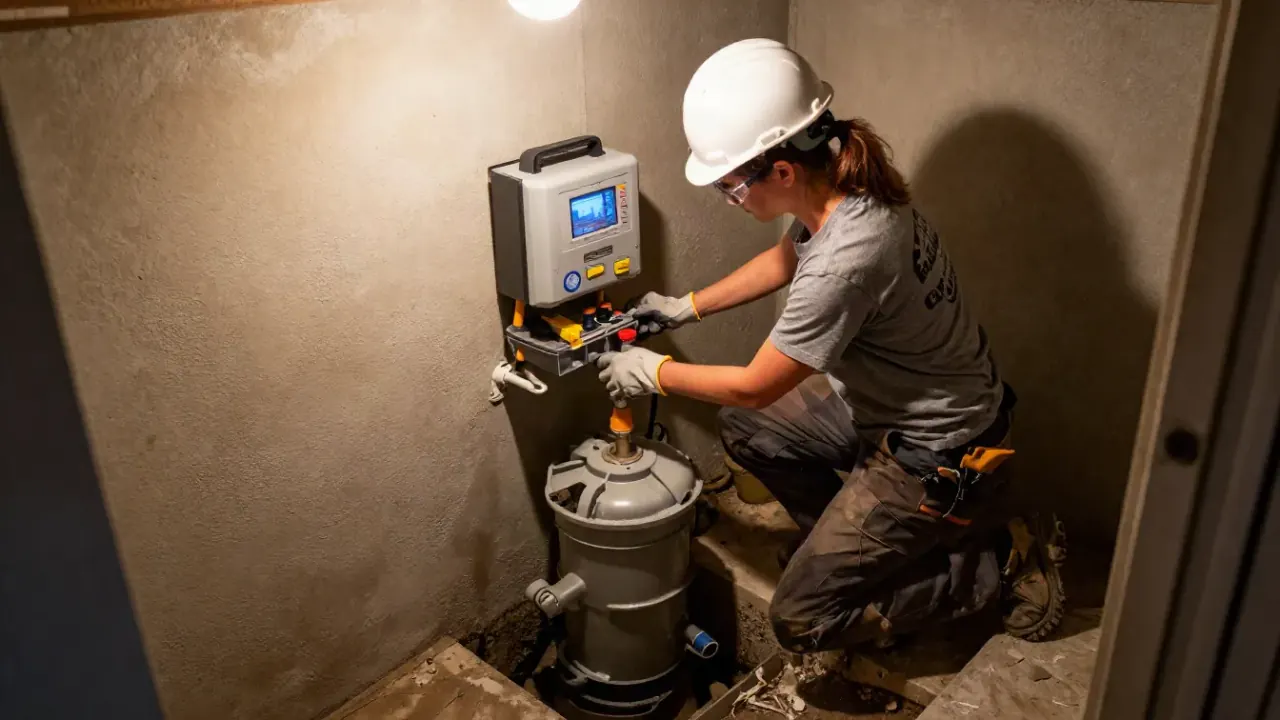
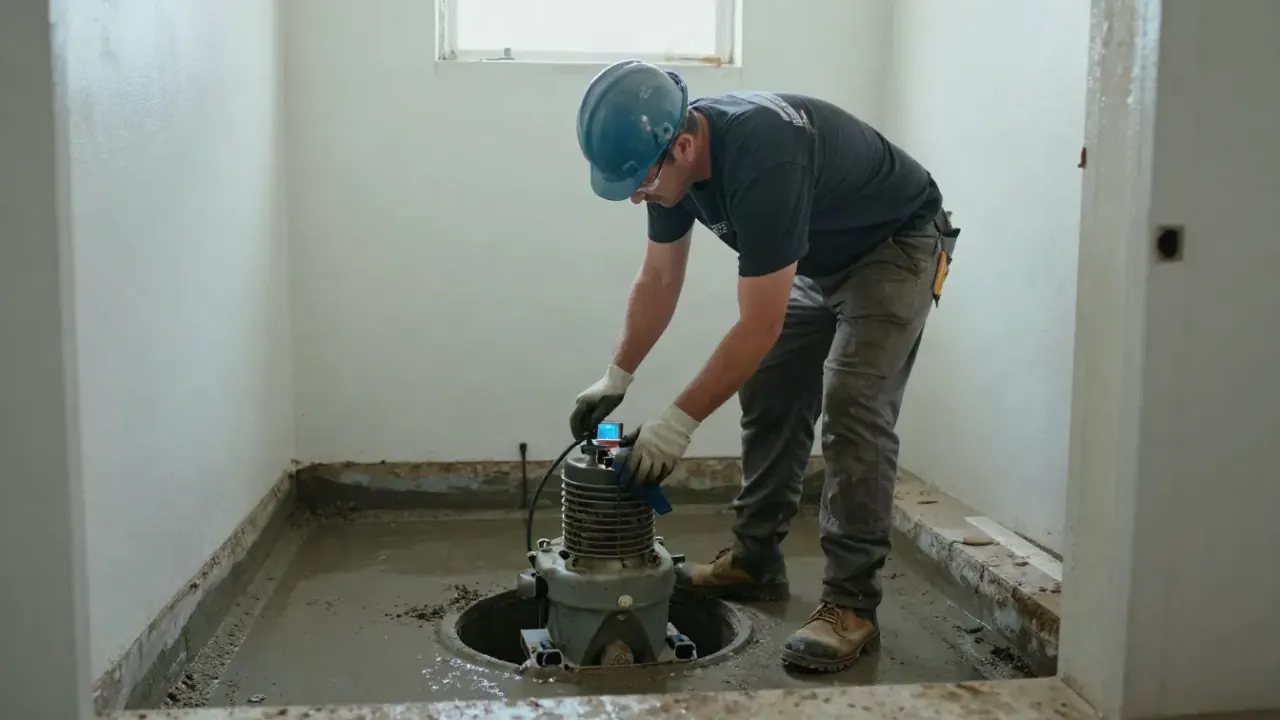
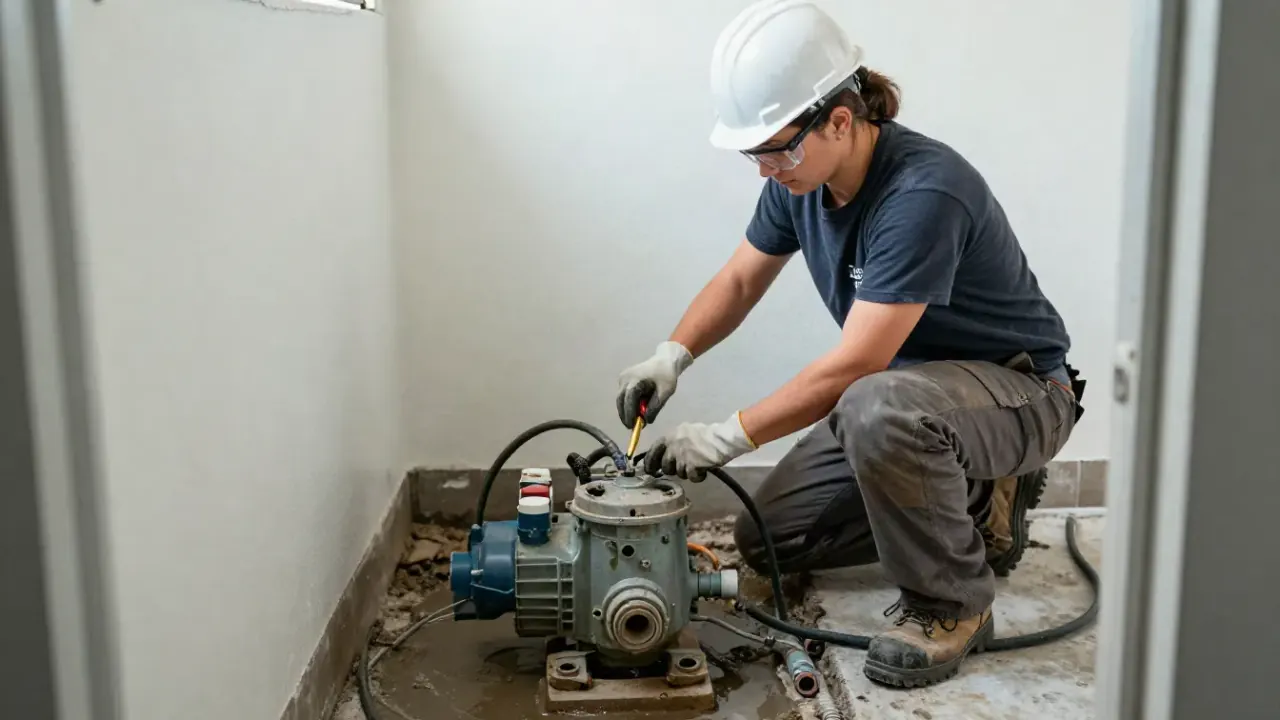
Battery Backup Sump Pump Installation in Warren: technician is mounting a battery backup sump pump control unit on aBasin and pump inspectionBackup pump mountingBattery and charger setup
  • Written service plansClear plan before work
  • Careful property protectionFloors, contents and finishes protected
  • One point of contactOne local contact
  • Prepared local crewsWarren

What installation covers at your home

Our battery backup installation covers inspection of the existing sump, mounting and connection of a compatible backup pump, battery and charger setup, alarm configuration, and a live operating test. We explain the system's maintenance needs and limits before the work is complete. A new primary pump, basin replacement, electrical corrections, or discharge rerouting are additional work when inspection shows they are necessary; we identify those needs plainly before proceeding.

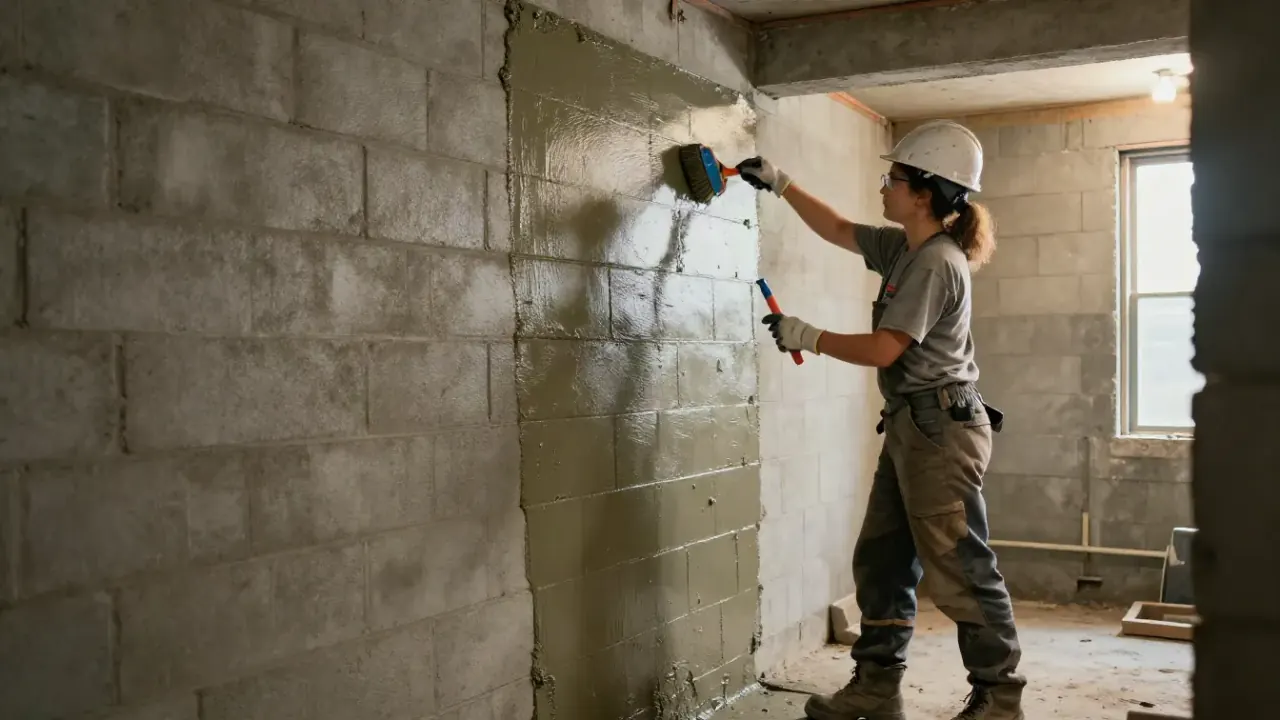
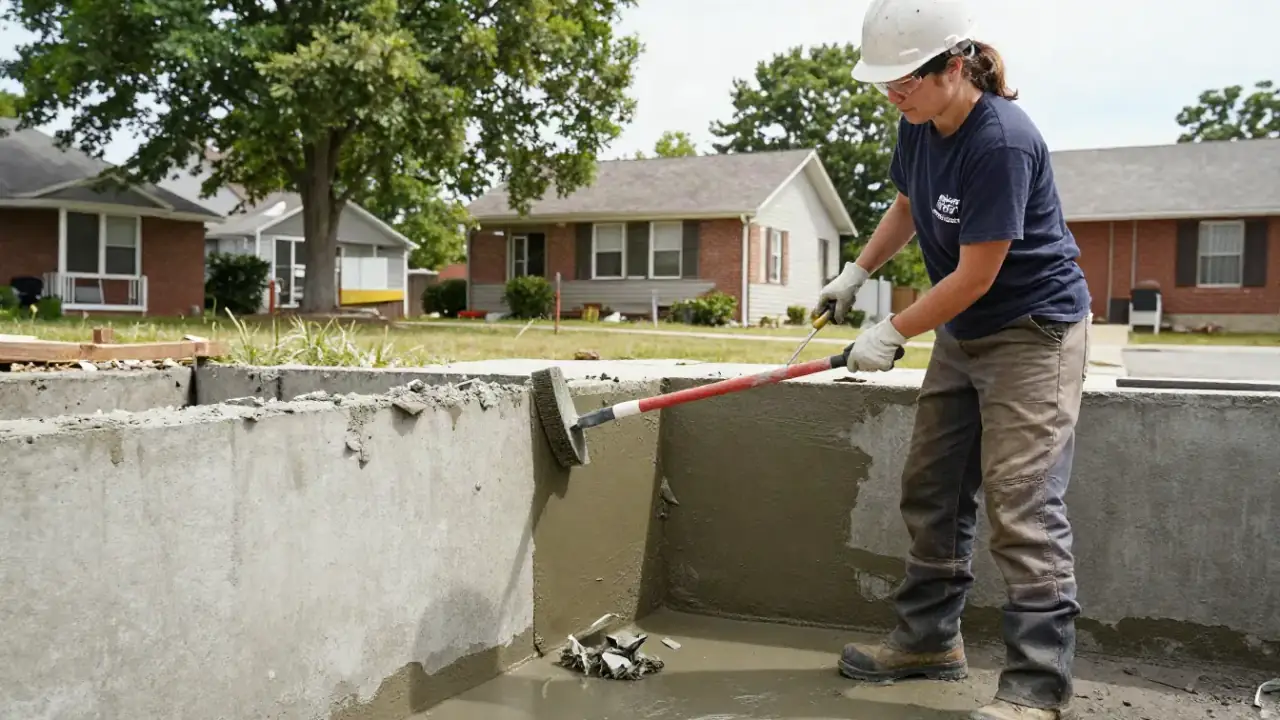
Foundation Waterproofing in Warren: technician is applying a cementitious coating to an exposed concrete foundation wall
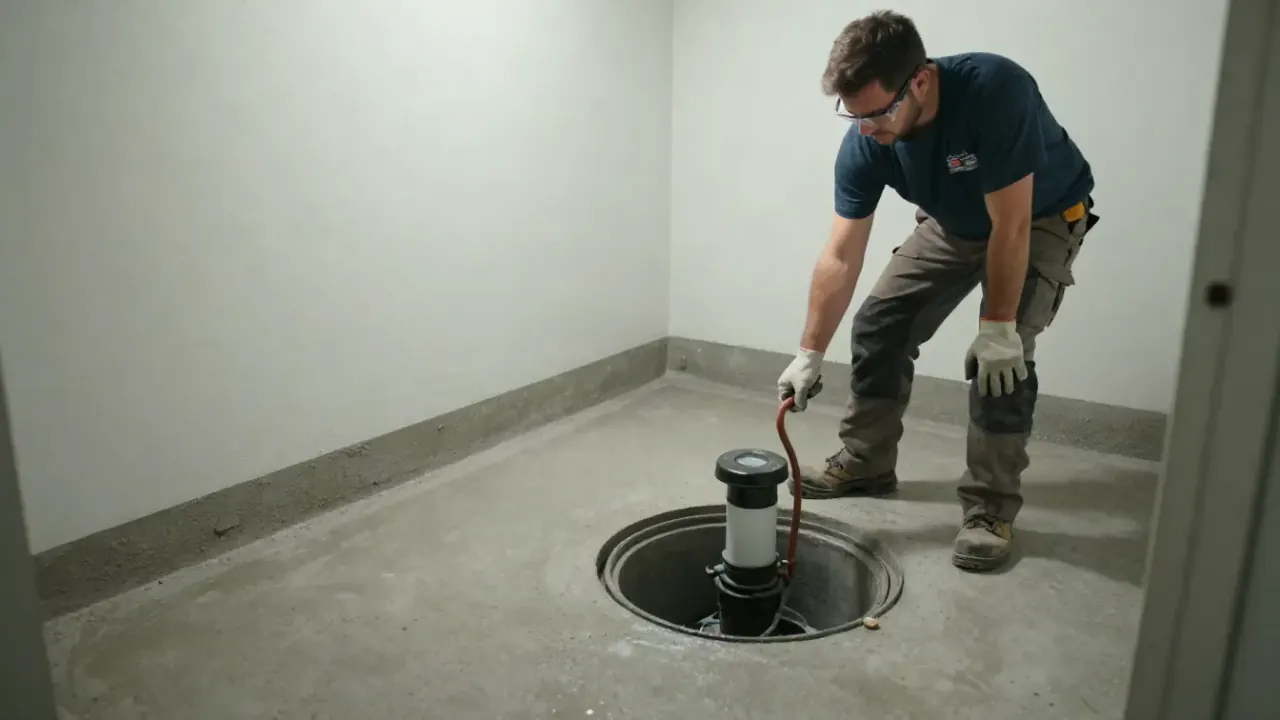
  • Basin and pump inspection

    We check basin dimensions, primary pump condition, float clearance, and visible water entry. This confirms whether the backup can fit and operate without catching on the existing equipment.

  • Backup pump mounting

    We position and secure the backup unit so its float activates as water rises and does not obstruct the primary pump. Proper spacing helps both pumps work independently in the same basin.

  • Battery and charger setup

    We connect the battery and charging unit according to the equipment instructions, then check the indicator and cable placement. We explain the battery type and routine inspection points.

  • Alarm configuration

    We set up and test the audible alarm features available on the selected unit. You learn which alert indicates backup operation, high water, or a battery condition needing attention.

  • Discharge and live test

    We verify that water exits through the discharge pipe without visible leaks or backflow. A controlled basin test confirms float movement, pump response, and alarm function.

Battery backup sump pump installation Warren OH

A plain-language look at what Battery Backup Sump Pump Installation involves and when it is needed.

See how it works

Battery backup sump pump installation Warren OH adds a separately powered pump to your existing sump basin so water can still be removed during an outage or primary pump failure. We check basin size, pump condition, discharge routing, and the circuit before selecting a compatible system. Installation includes secure mounting, battery connection, alarm setup, and a controlled test of both pumps. The backup is not a substitute for a working primary pump; it is the reserve system that protects your basement when the main pump cannot run.

Warren homes face a combination of heavy rain, snowmelt, and outages that can leave water entering through failed drain tile or foundation wall cracks. Our backup sump pump installation Warren service starts by checking the reason water reaches the basin and whether the discharge line is clear.

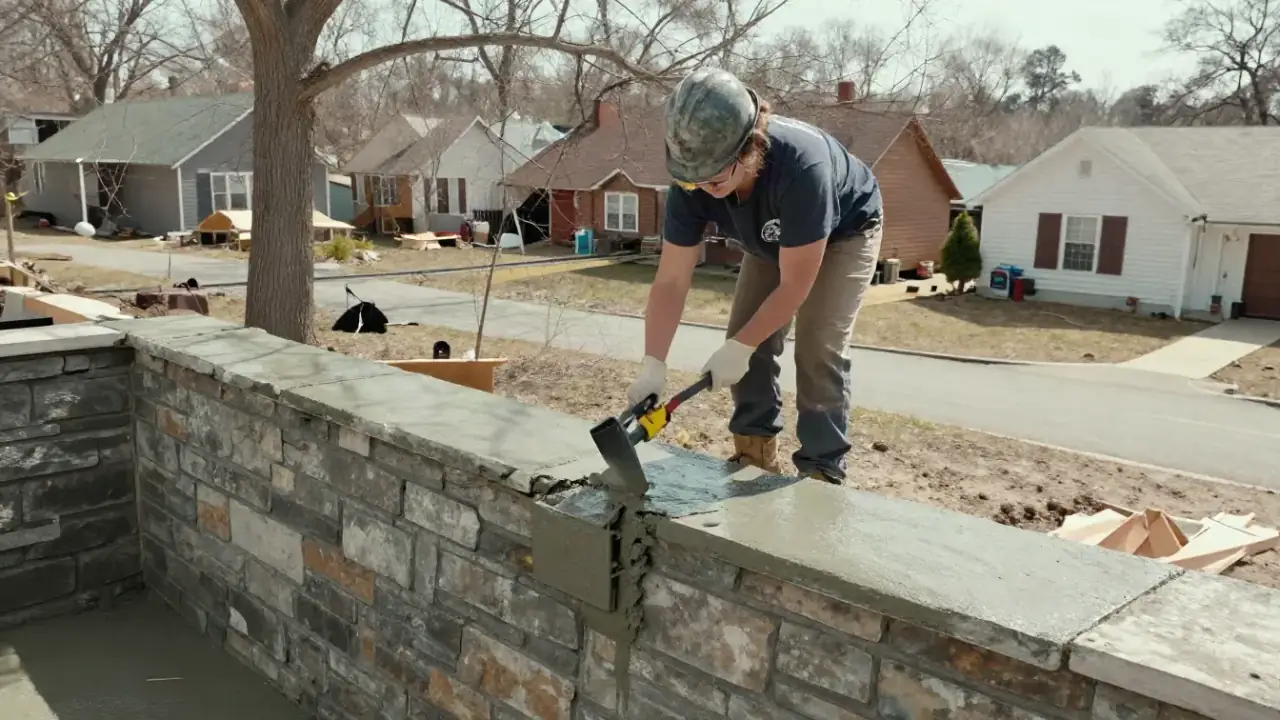
Foundation Crack Repair in Warren: technician is troweling on a parge coat over a series of minor cracks on a stone

Installation from inspection to test

Battery backup sump pump installation in Warren, Ohio follows a practical sequence: inspect the existing sump, choose compatible equipment, install it cleanly, and prove the backup can run. Most straightforward installations take about 3 to 5 hours; basin changes, electrical corrections, or discharge work add time. We explain each step as we go.

  1. Inspect the basin

    We start by checking the primary sump pump, float travel, basin dimensions, water entry, and discharge pipe. A moisture meter helps locate damp areas beyond the pit, while a visual check identifies corrosion, debris, or a blocked outlet. This first visit usually takes 30 to 60 minutes and gives us the information needed to size the backup correctly.

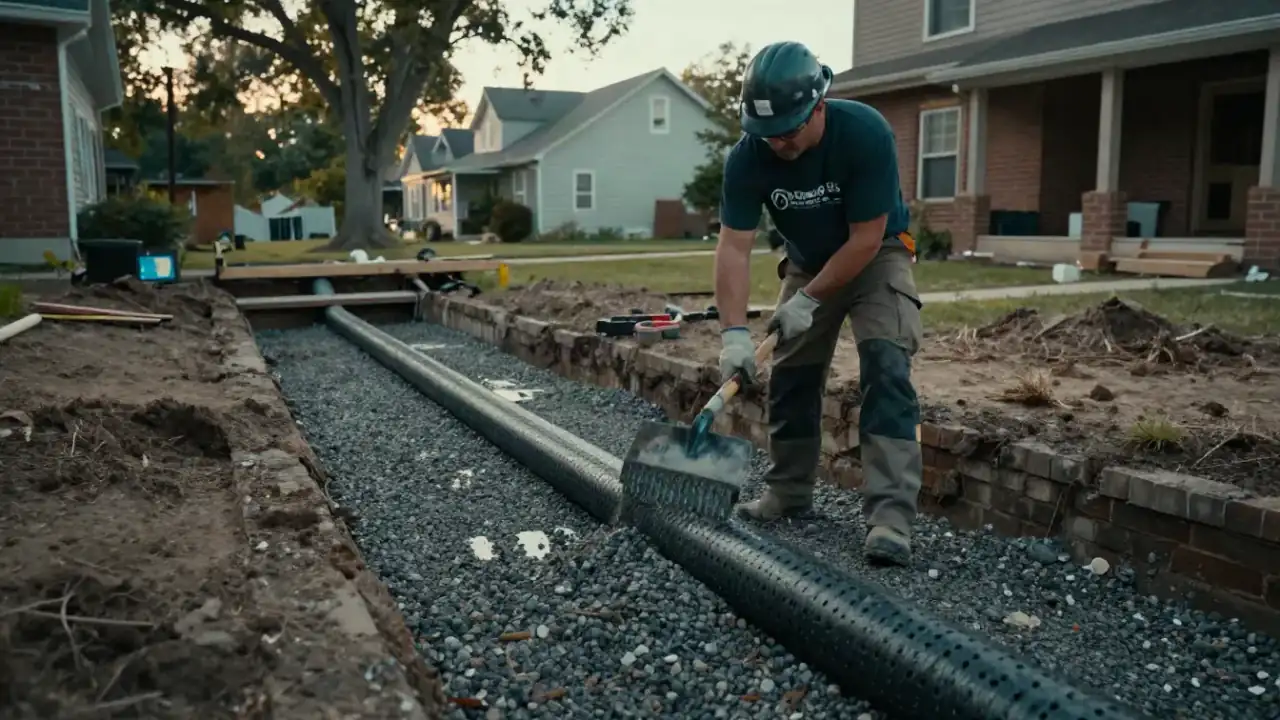
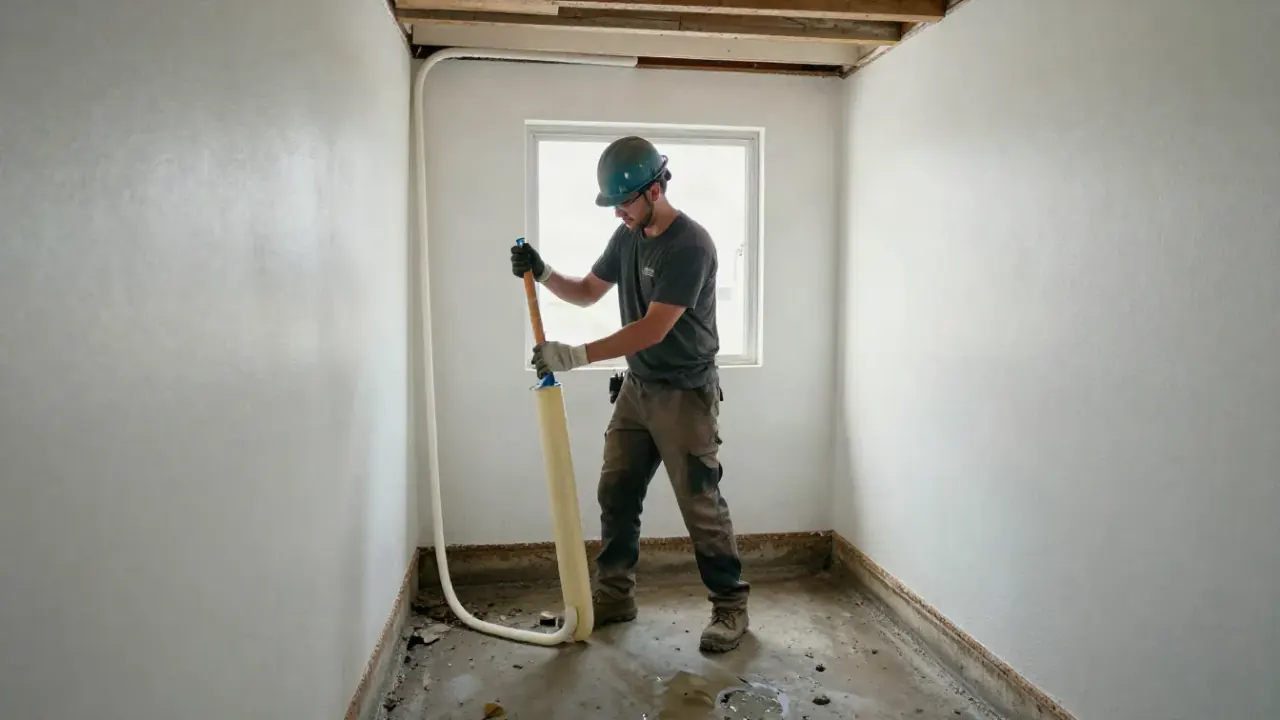
    French Drain Installation in Warren: technician is shoveling gravel over the installed perforated pipe in a French drain
  2. Select the system

    We compare battery capacity, pump output, alarm functions, and installation space against the conditions we found. We also check whether the primary unit and backup can operate without interfering with each other. You will hear the expected operating limits and maintenance needs before we settle on a configuration, including whether a battery replacement or basin adjustment is needed.

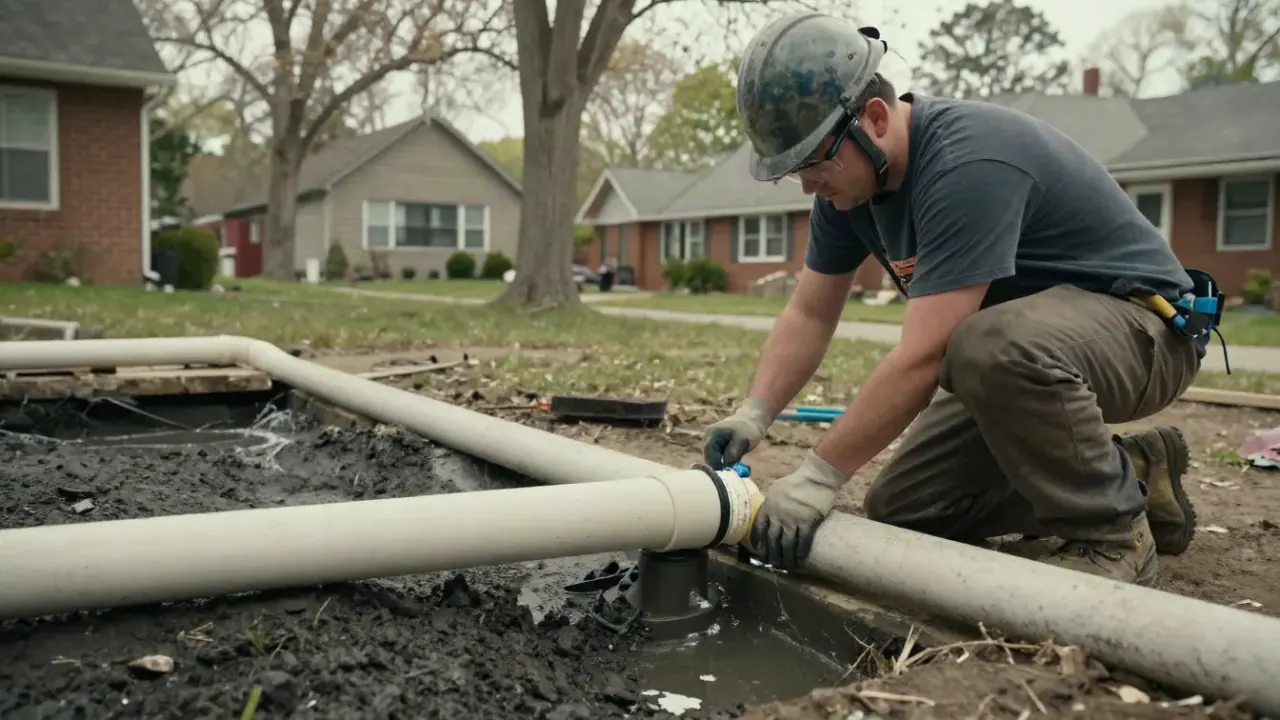
    Foundation Drainage System Installation in Warren: technician is connecting sections of rigid PVC pipe for an exterior
  3. Prepare and mount

    We protect the work area, clear the basin, and mount the backup pump so its float moves freely beside the primary unit. If the existing basin is undersized or damaged, we discuss the necessary correction before proceeding. We route the discharge connection to prevent backflow and keep cables away from moving floats and standing water.

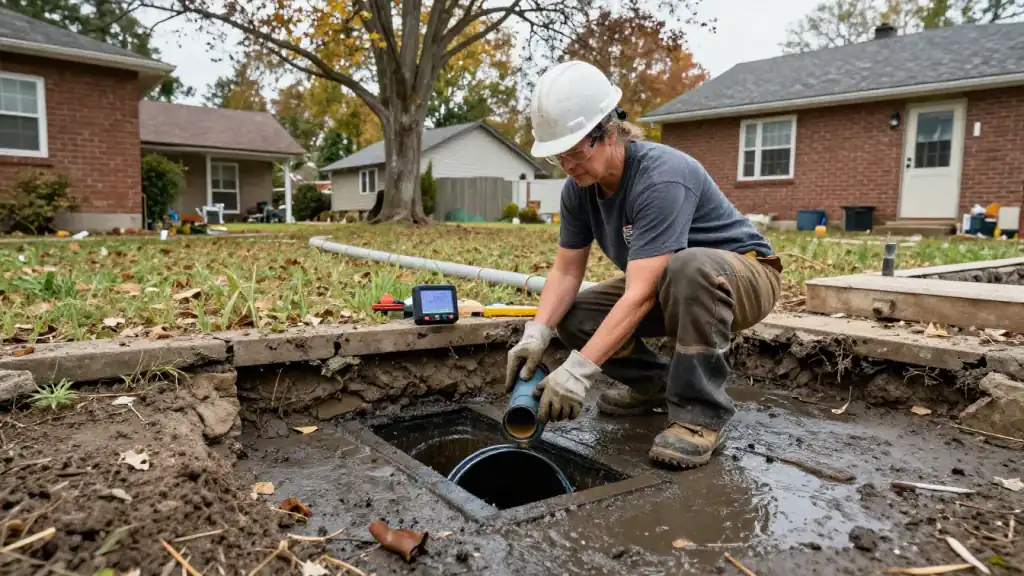
    Yard Drainage Solutions in Warren: technician is installing a catch basin in a low-lying area of a backyard, connecting it
  4. Connect battery and alarm

    We secure the battery in an appropriate location, connect the charging system, and set up the alarm according to the equipment instructions. The technician checks the charger indicator and verifies that wiring is protected from splashes. We explain what the alarm sounds like and what to do if it activates during an outage or high-water event.

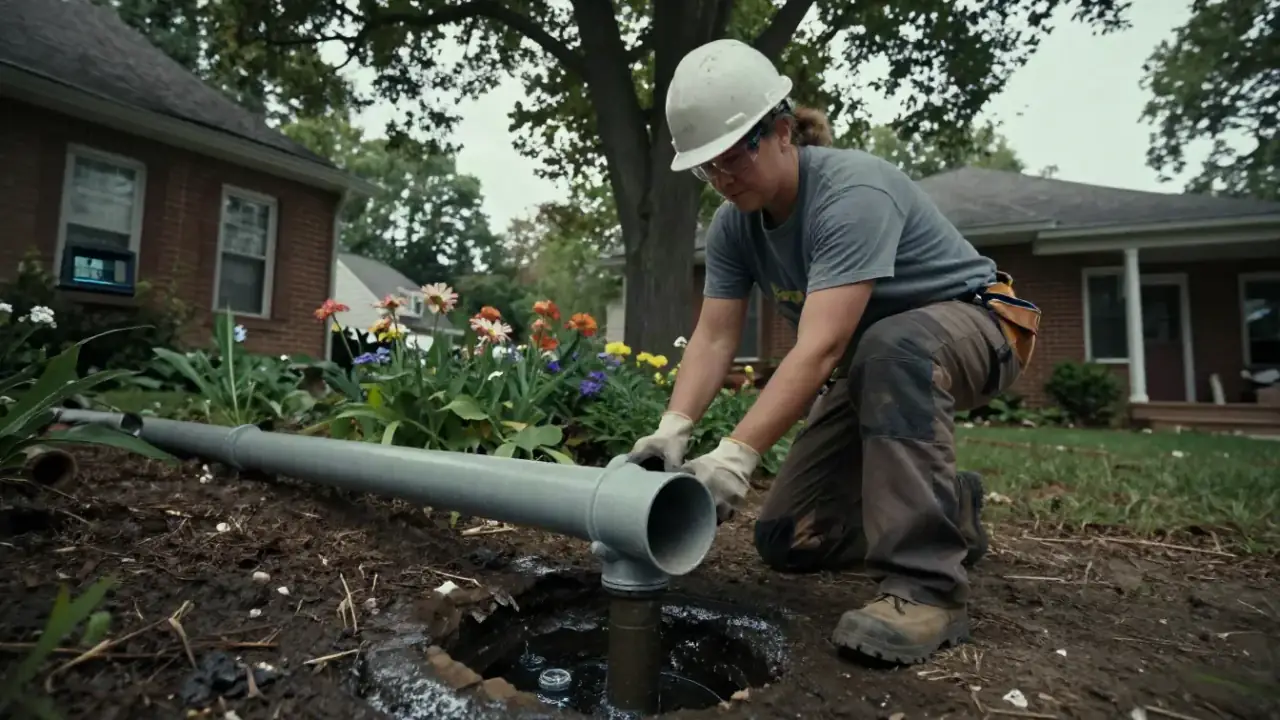
    Downspout Drainage Installation in Warren: technician is connecting a downspout extension to an underground PVC drainage
  5. Run a live test

    We add water to trigger the floats and confirm that the primary pump and backup activate as intended. We inspect discharge flow, check for leaks, and test the warning signal. Before leaving, we show you the battery terminals, routine monthly check, and the point where you can safely observe pump operation.

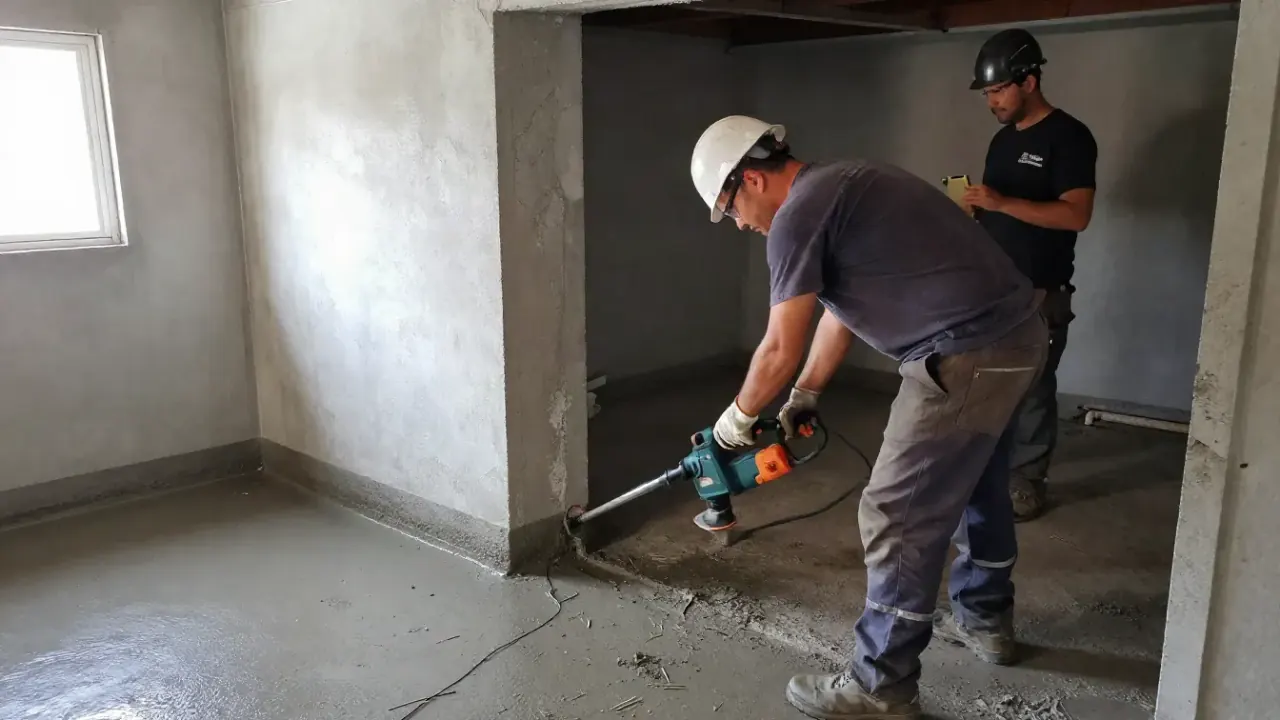
    Sump Pump Installation in Warren: technician is drilling a small hole in the sump pump discharge pipe for an air relief

Tools and installation methods

Move across a circle, or focus it and press Enter, for an illustrative thermal view of the photograph.

  • Sump Pump Repair in Warren: technician is carefully removing an old, malfunctioning sump pump from its basin in a flooded

    Submersible sump pump

    We inspect the existing pump and match backup capacity to basin conditions, discharge height, and observed water entry.

  • Sump Pump Replacement in Warren: technician is disconnecting the old discharge pipe and power cord from a worn-out sump pump

    Moisture meter

    We check damp areas near the sump and foundation to distinguish active seepage from surface condensation during the site review.

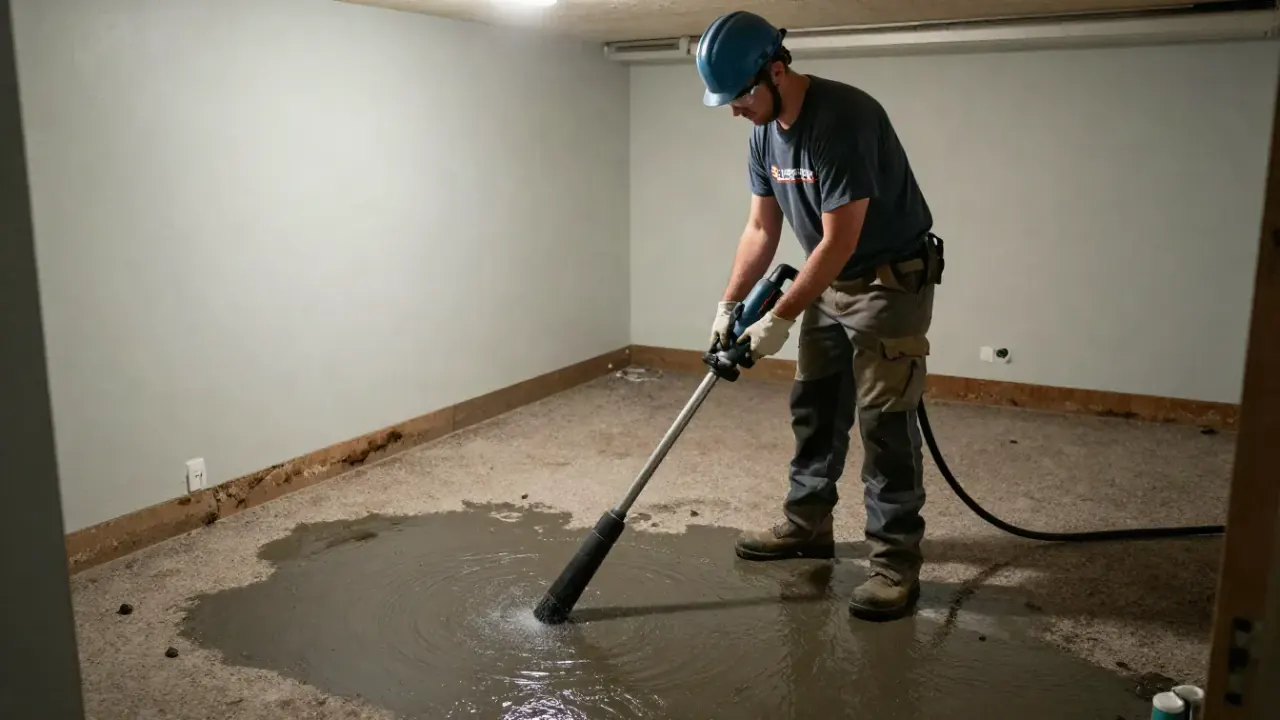
  • Basement Flooding Repair in Warren: technician is using a powerful wet/dry vacuum to extract standing water from a carpeted

    Hydrostatic pressure test kit

    Where water entry patterns call for further investigation, this helps assess pressure-related conditions affecting basement drainage.

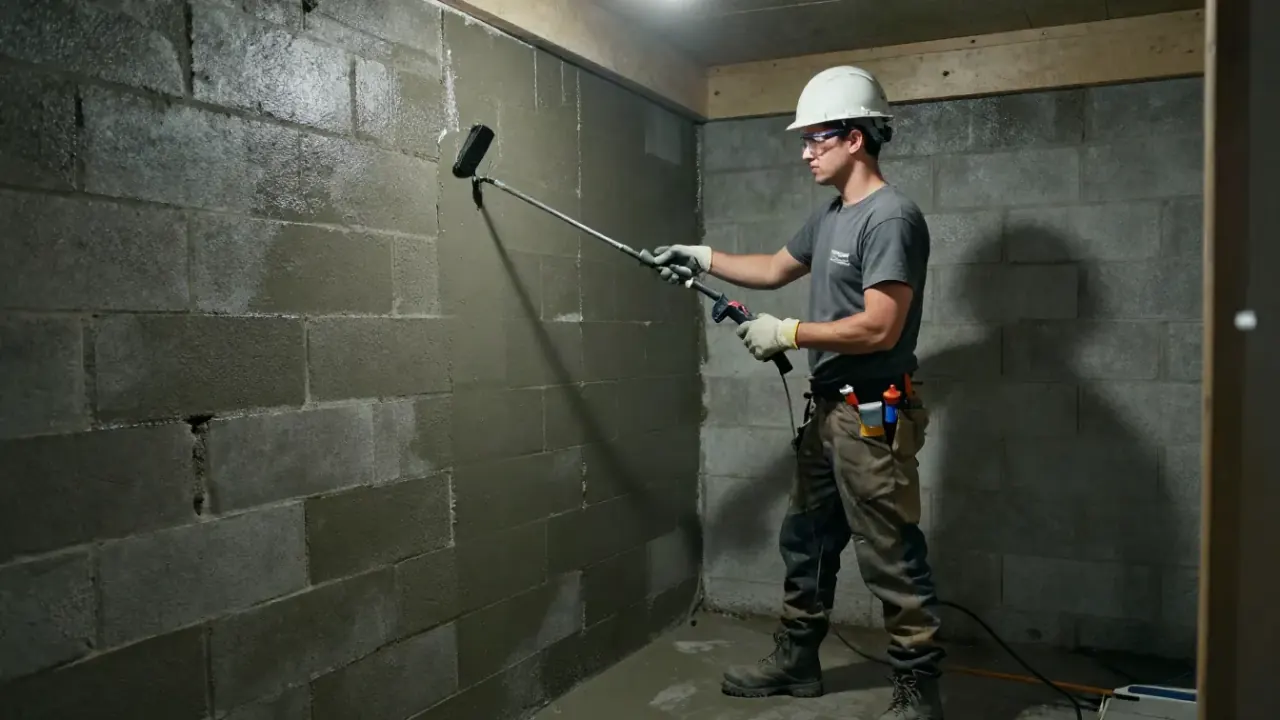
  • Crawl Space Waterproofing in Warren: technician is applying a waterproof sealant to the block walls of a crawl space using a

    Wet/dry vacuum

    We use it to remove residual water or loose debris from the basin before setting and testing pump equipment.

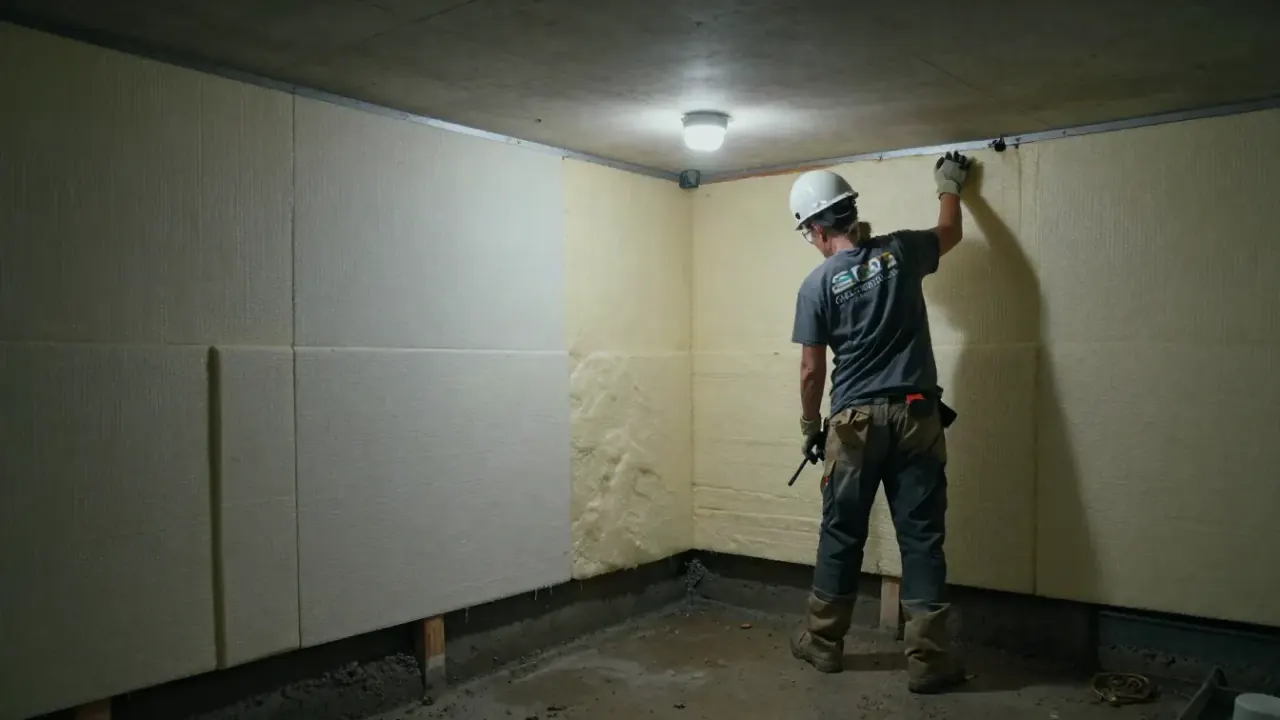
  • Crawl Space Encapsulation in Warren: technician is installing rigid foam insulation panels against the crawl space walls and

    Zoeller and Liberty Pumps

    We consider established pump equipment options and compare capacity, alarm functions, and battery requirements against the installation.

Thermal views are illustrative, generated from the photographs.

Methods

  • Independent float activation

    We position the backup float separately from the primary float and verify each one moves freely. A controlled basin test confirms that water level triggers the intended pump without one unit obstructing the other. This helps prevent a backup that is physically installed but unable to activate at the right time.

  • Discharge-flow verification

    We inspect accessible piping and test water movement after the pump runs. The check looks for leaks, visible restriction, and water returning toward the basin. A backup cannot protect the basement if its discharge route is blocked, so we explain any condition that needs correction.

  • Battery and alarm commissioning

    We connect the battery and charger according to the equipment instructions, check indicator status, and activate the alarm test. We show you the normal lights and sound so a later warning is recognizable. Battery runtime is explained as dependent on cycling rate, capacity, and water load.

  • System-wide water review

    We check the sump in the context of surrounding drainage, looking for signs of clogged drain tile, hydrostatic pressure, or water seepage through basement walls. When the pump is receiving more water than expected, identifying the source helps determine whether drainage work should accompany backup installation.

When a backup pump makes sense

Crawl Space Vapor Barrier Installation in Warren: technician is using a heat gun to seal overlapping seams of a crawl space

A Warren homeowner sees heavy rain forecast after the primary pump has already been cycling through the afternoon.

We inspect pump activity, float response, basin condition, and discharge flow, then fit a backup system compatible with the existing equipment. We test the alarm and explain how to check the charger before the next storm reaches the area.

Outcome: You have a separately powered pump ready for an outage, along with a clear way to recognize backup operation and a blocked discharge.
Crawl Space Moisture Control in Warren: technician is air sealing penetrations in the crawl space foundation walls around

A finished basement in Howland Center contains flooring and stored belongings below grade, with one sump protecting the room.

We check the primary system and measure the available basin space, then choose a backup arrangement that allows both floats to move freely. After connection, we run a controlled test and show you the alarm and battery indicators.

Outcome: The homeowner gains a second pumping path during power loss and understands the equipment's runtime limits before relying on it.

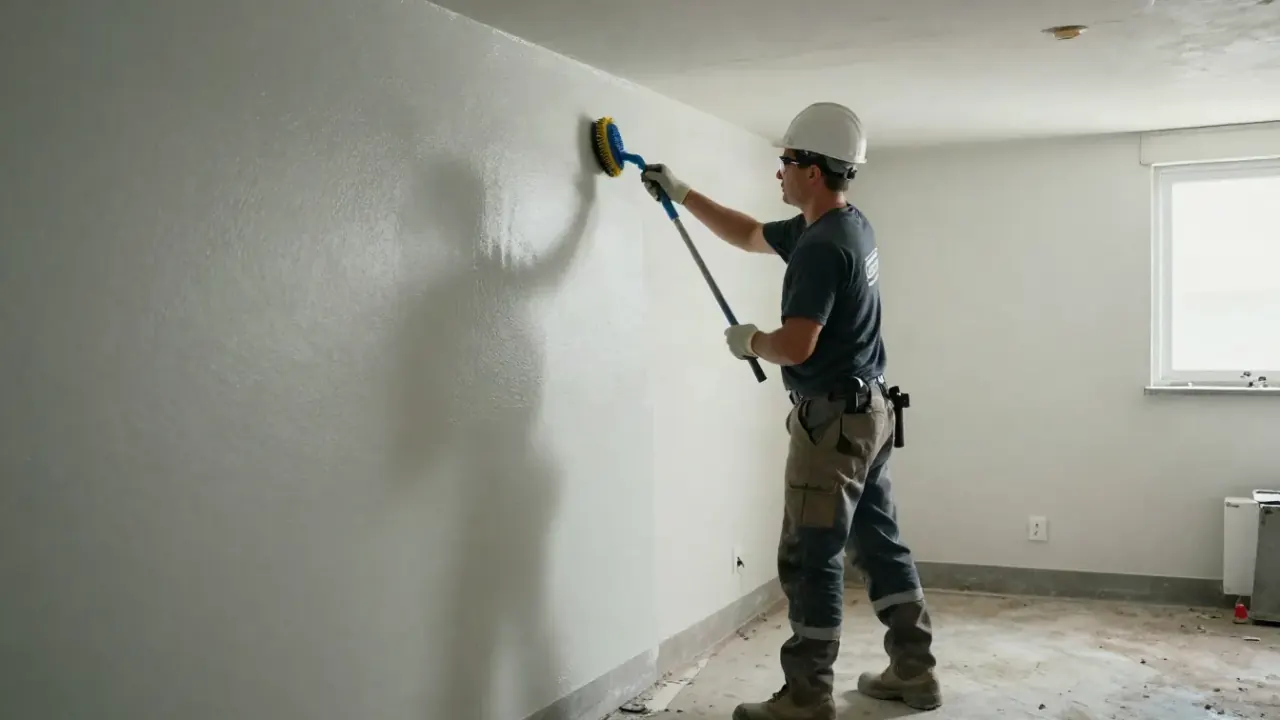
Basement Wall Sealing in Warren: technician is meticulously cleaning a basement wall surface with a stiff brush and cleaning

A Niles household has lost power during winter weather while snowmelt continues feeding the basement sump.

We assess the discharge route for cold-weather exposure, check the existing pump's operation, and install a battery-backed unit with accessible battery connections. We test the unit and explain what to inspect before freezing conditions.

Outcome: Water can continue moving during a power interruption, while the homeowner knows to watch for a frozen outlet or an alarm.

Basement wall Waterproof Coating in Warren: technician is applying a thick coat of hydraulic cement-based waterproofing

A Warren property manager needs a dependable sump response for a basement utility area during storms.

We review basin access, pump capacity, alarm audibility, and the discharge path, then install and test a suitable backup. We demonstrate the monthly check and identify the battery and charger indicators for the person responsible for the building.

Outcome: Staff have a visible test routine and know which alarm requires attention, reducing uncertainty during an outage or high-water event.

Basement Moisture Control & Dehumidification in Warren: technician is connecting a dehumidifier's drain hose to a nearby
Howland CenterBolindaleChampion Heights

Battery backup installation in Warren homes

Battery backup sump pump installation in Warren, Ohio has to account for more than the pump itself. Autumn rain and winter freeze-thaw conditions can keep groundwater moving, while spring snowmelt and heavy summer storms increase inflow at the sump.

We inspect the existing pump, basin, and outlet before selecting a system, especially in older basements where drain tile condition and discharge routing vary from house to house. Our backup sump pump installation Warren assessment also checks whether water is entering through foundation wall cracks or a window well.

For a battery backup sump pump for power outages Warren OH homeowners need, the battery location must remain accessible and protected from splashes, and the outlet must carry water away without sending it back toward the foundation. We serve Trumbull County communities and check applicable Ohio Residential Building Code requirements for related work.

  • Howland Center: We check discharge direction and basin performance in homes where heavy rain can keep groundwater moving after a storm passes.
  • Bolindale: Older basement layouts can leave limited room around the sump, so we verify float clearance before mounting a second pump.
  • Champion Heights: We inspect for water entering near foundation walls and confirm the outlet will not direct runoff back toward the house.
  • Warren: We assess the complete sump route, including the primary pump, battery location, alarm, and visible discharge line.
  • Freeze-thaw weather stresses exposed discharge lines: A restricted outlet can keep water from leaving even when the battery and pump work correctly. We inspect accessible piping and explain how to watch for freezing, pooling, or a return flow during cold spells.
  • Older drain tile can feed uneven water into basins: Aging or obstructed tile may create sudden inflow during prolonged rain, increasing pump cycles and reducing battery runtime. We look for signs of drainage problems and explain when a separate drain repair is needed.
See where we work

From problem to finished result.

Basement Window Leak Repair in Warren: technician is installing a custom-fit window well cover over a basement window well
IllustrativeThe thermal view is generated from the photograph. It is not a measurement. Drag the handle, or use the arrow keys once it is focused.
  • Backup added to a busy sump

    Before: A Warren homeowner's primary pump ran repeatedly during rain, but there was no second pump when the power flickered. The basement basin had adequate space, yet the owner could not tell whether the alarm or float would respond. Water had not reached the finished floor, but stored boxes sat close to the sump.

    After: We mounted a compatible backup, connected the battery and charger, and tested both floats with water in the basin. The backup activated during the controlled test, the alarm sounded, and discharge flow was visible at the outlet. The homeowner learned the monthly check and where to read the charger indicator.

    Test the alarm and pump monthly, inspect battery connections for corrosion, and keep the basin clear. Check the discharge outlet before winter and after major storms.

  • Outage risk in a finished basement

    Before: A Niles household had carpet and a utility area below grade, protected by one primary sump pump. A previous outage stopped the unit during wet weather. The family had no alarm explanation and had not checked the pump since the last service.

    After: We inspected the basin and primary pump, then installed a separately powered backup with an audible alarm. A live test confirmed float movement and discharge flow. We demonstrated the alarm, explained that runtime depends on cycling and battery capacity, and showed the homeowner how to repeat the test.

    Run a monthly test and check the charger indicator before forecast heavy rain. Keep stored items away from the basin and schedule battery replacement according to its instructions.

  • Discharge trouble identified

    Before: A Howland Center homeowner wanted a battery backup after water returned toward the sump during a storm. The primary pump ran, but the discharge route showed signs of restriction. Adding another pump without checking the outlet could have increased cycling without solving the cause.

    After: We inspected the accessible discharge, cleared the identified obstruction, and checked flow before installing the backup. The primary and backup each activated during testing, and the outlet carried water away from the house. The owner received a clear explanation of the restriction and the system's alarm.

    Watch the outlet for pooling, ice, or debris after severe weather. Test both pumps monthly and call for inspection if the line backs up or the alarm sounds repeatedly.

Problems a backup pump helps prevent

Battery backup sump pump for power outages Warren OH homeowners choose addresses a specific risk: water continues entering the sump when the primary pump loses power or fails. It does not stop leaks at their source, so we also look for clogged discharge, failed drain tile, and excessive water entry. Identifying those conditions helps prevent a backup from being overwhelmed.

  • A storm outage stops the primary sump pumpWater can rise in the basin while rain continues, then spill onto the basement floor and damage stored items, flooring, or electrical equipment. We install a separately powered pump with its own float and battery connection, then test it during the appointment. We also inspect discharge flow and alarm operation so you know the backup responds when power is interrupted. If the primary unit is faulty, we address that issue rather than treating the backup as a replacement for needed repair.
  • The existing pump fails without warningA failed switch, worn motor, or jammed float can leave groundwater accumulating even when household electricity is available. We check the primary pump and float before fitting backup equipment. If the main unit cannot be relied on, we explain repair or replacement options and test both pumps after work. This prevents a second pump from masking a primary failure that needs attention.
  • Frequent cycling drains battery capacityHeavy inflow or a short cycling pattern can use battery charge quickly, leaving less runtime during a longer outage. We observe how often water enters and how the discharge line handles flow. Where failed drain tile or high water entry is contributing, we identify that condition and discuss the appropriate drainage repair. We explain runtime as dependent on actual cycling, battery capacity, and pump demand.
  • A blocked discharge sends water backA clogged or frozen discharge can prevent water from leaving the property, causing repeated cycling and water to return toward the sump. We inspect the accessible discharge route and check for visible obstruction, poor slope, and signs of backflow. We test flow after installation and explain what to watch during freezing weather. If the outlet needs rerouting or repair, we identify it as a separate correction.

Protection that works when needed

A properly installed backup gives your basement a functioning pump when the primary unit loses power or stops. We match the system to your basin and water conditions, verify its alarm, and show you how to inspect the battery. That means you know what the equipment can handle before the next storm arrives.

  • Pumping through outages

    A battery-powered backup keeps water moving when utility power is interrupted. We test the float and pump operation without relying on a storm to reveal a wiring problem. For homes with a history of basement flooding after heavy rain, that separate power source can help prevent standing water from reaching carpet, storage, or mechanical equipment.

  • A clear failure warning

    Audible alarms alert you to high water, a battery issue, or backup operation, depending on the selected system. We verify the alarm during commissioning and explain what each signal means. You can respond before water rises over the basin, rather than discovering a pump problem after wet basement carpet or damaged belongings.

  • System matched to demand

    The right backup depends on how quickly water enters your sump, the lift to the discharge point, and how often the pump cycles. We inspect those conditions before recommending equipment. A battery powered sump pump Warren OH homeowners use should be sized for the basement's actual drainage load, not selected by price or brand name alone.

  • Practical upkeep plan

    You leave with simple battery and pump checks you can repeat every month and before forecast heavy rain. We identify the battery type, alarm test, and visible discharge points. Keeping a short maintenance log makes it easier to spot a weakening battery or a float that no longer moves freely.

Field experience and system knowledge

We have served Warren homeowners since 2018, and our technicians work on sump systems as part of basement water-control projects. That practical background matters because a backup pump cannot correct a clogged drain tile, blocked discharge, or a failing primary unit by itself.

We inspect basin dimensions, float clearance, pump condition, and discharge routing before choosing backup equipment.

Our team tests both pump functions and checks the alarm rather than relying on indicator lights alone.

We identify hydrostatic pressure and seepage clues that could increase pump cycling during storms.

Service ZIP codes.

A list like this tells people straight away whether you cover their street. Not listed? Call and ask: it only takes a minute.

  • 44483
  • 44485
  • 44484

Towns we serve.

Based in Warren and covering the places around it. Pick one for local details.

View all service areas

Frequently asked questions

The battery backup sump pump installation cost Warren OH homeowners pay also changes if the basin needs alteration, the primary pump needs replacement, or the discharge line requires correction. We inspect those conditions and provide upfront pricing before work starts. Typical straightforward installations take about 3 to 5 hours.

You should consider one if your basement depends on a sump pump and an outage, pump failure, or heavy rain could cause costly water damage. Warren storms can bring intense rainfall, while winter outages can leave a sump inactive during snowmelt. A backup is especially useful if you have finished basement rooms, stored valuables, or a history of water entering through the floor. We check your pump and drainage conditions before recommending one.

A battery commonly needs replacement every 3 to 5 years, while the pump itself can last longer with proper testing and maintenance. Actual runtime during an outage depends on battery capacity, water inflow, pump output, and how often the float cycles. We identify your battery type and show you its inspection points. Test the system monthly and before periods of forecast heavy rain.

When utility power fails, the charged battery supplies electricity to a separate pump that removes water from the sump basin. A float activates it as water rises, and an alarm signals backup operation or a system issue. Battery runtime varies with the water load and pump cycling. We test the float, charging unit, alarm, and discharge flow during installation so you can see the sequence before an outage.

Schedule battery backup sump pump installation Warren OH

A power outage should not leave your basement sump idle. We inspect your pump, basin, battery location, and discharge before recommending a system, then test its operation with you present. Call Warren Waterproofing Pros at (555) 123-4567 to discuss your Warren home and arrange a service visit.

Contact Warren Waterproofing Pros

Tell us where water is showing up, how long it has been happening, and whether a sump pump or drain is involved. Call (555) 123-4567 during our weekday business hours, Monday through Friday, 8 a.m. to 6 p.m. We serve Warren, Ohio, and nearby communities, and will help you plan the right inspection for your basement or crawl space.